filmbriefs
Topic

Revolution

Regime change from below, and how rarely it ends as advertised.

8
in film
13:00
average
104 min
in total
58
across the network
Revolution across the network →
All briefs8
13:00

Che Part 2: Guerrilla

Steven Soderbergh · 2008

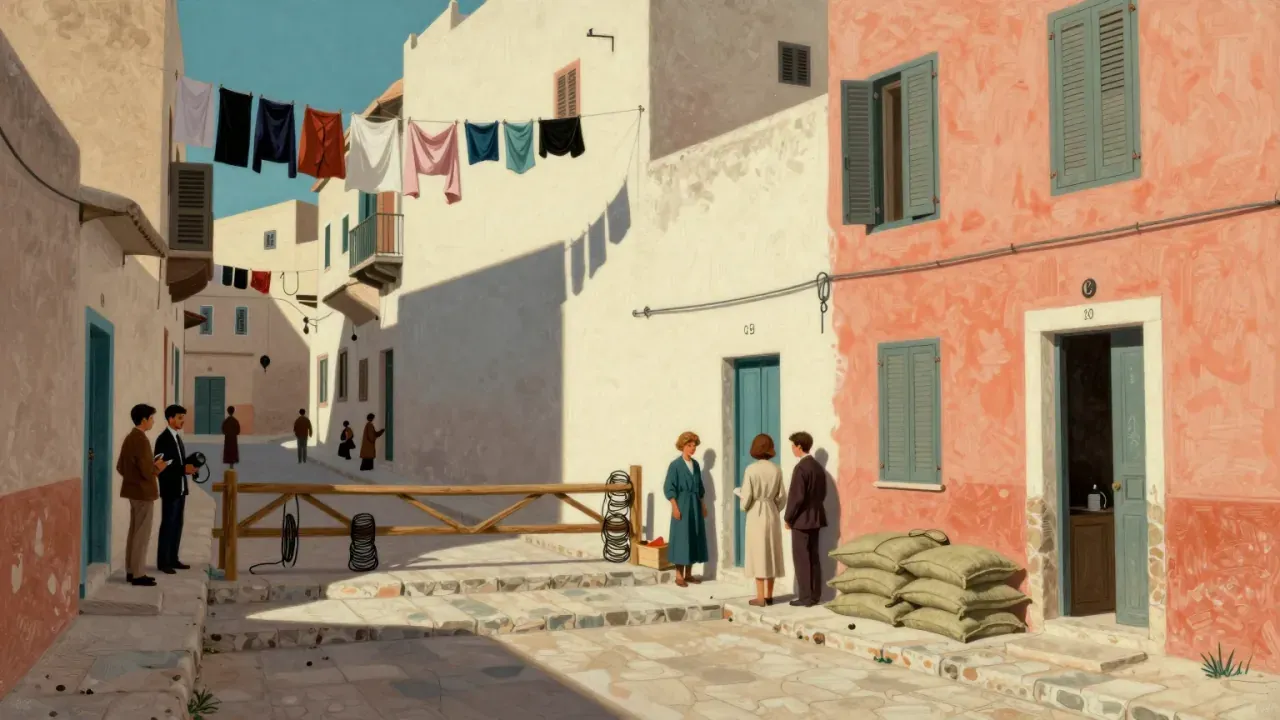
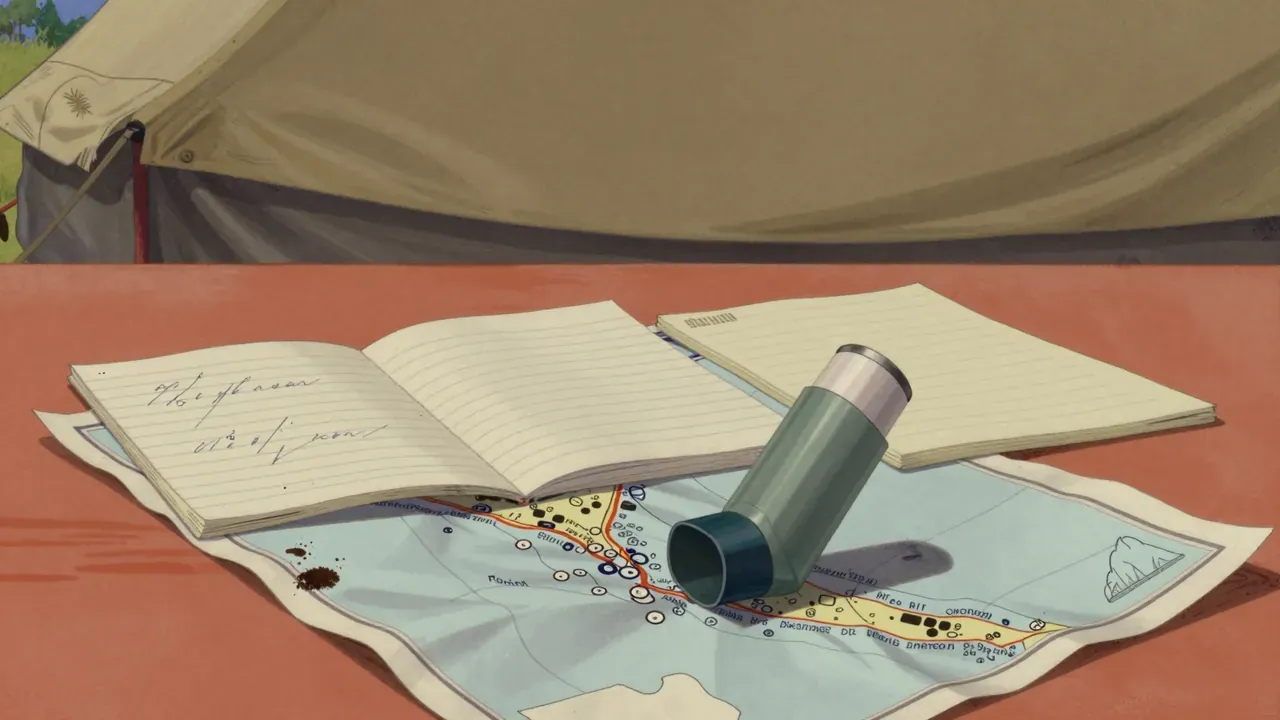
Che Part 2: Guerrilla follows Ernesto Guevara’s 1965–67 Bolivian campaign as a procedural collapse: dwindling supplies, failed communications, eroding morale, and mounting isolation. Directed by Steven Soderbergh and starring Benicio del Toro, it avoids mythmaking in favour of granular, unsentimental chronology — treating revolution as logistics, not legend.
13:00

Lucía

Humberto Solás · 1968

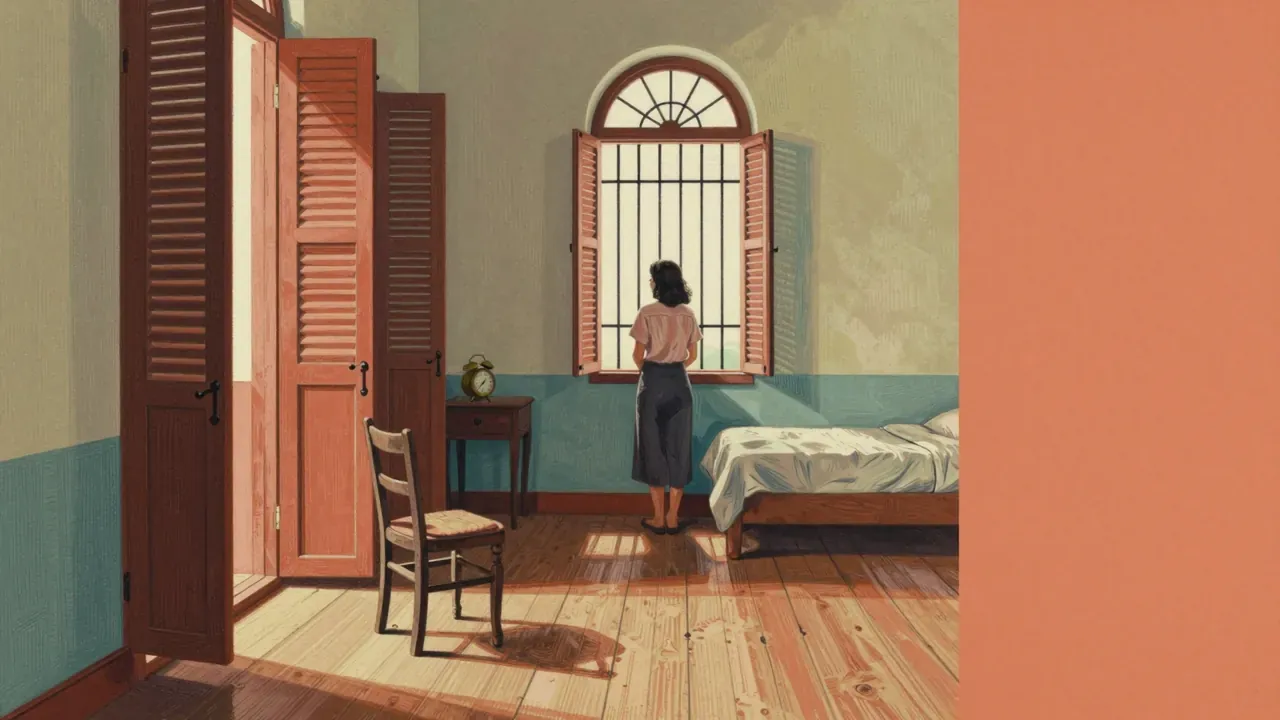
Humberto Solás’s 1968 Cuban triptych follows three women named Lucía across 1895, 1932, and 1961—each navigating love, violence, and constraint under radically different political orders. Shot in black-and-white by Jorge Herrero, with a sparse score by Leo Brouwer, it builds meaning through repetition, restraint, and precise spatial storytelling—not exposition or uplift. Its power lies in what it refuses: resolution, explanation, and the comfort of progress narratives.

13:00

Once Upon a Time in China II

Tsui Hark · 1992

Tsui Hark’s 1992 sequel follows Jet Li’s Wong Fei-hung through 1895 Canton, where acupuncture seminars are stormed by cultists, British consulates are breached by Qing soldiers, and revolution is passed hand-to-hand on a scrap of cloth. With Arthur Wong’s restrained cinematography and Yuen Woo-ping’s grounded choreography, it frames wuxia not as fantasy but as embodied history — urgent, unresolved, and materially precise.

13:00

Rang De Basanti

Rakeysh Omprakash Mehra · 2006

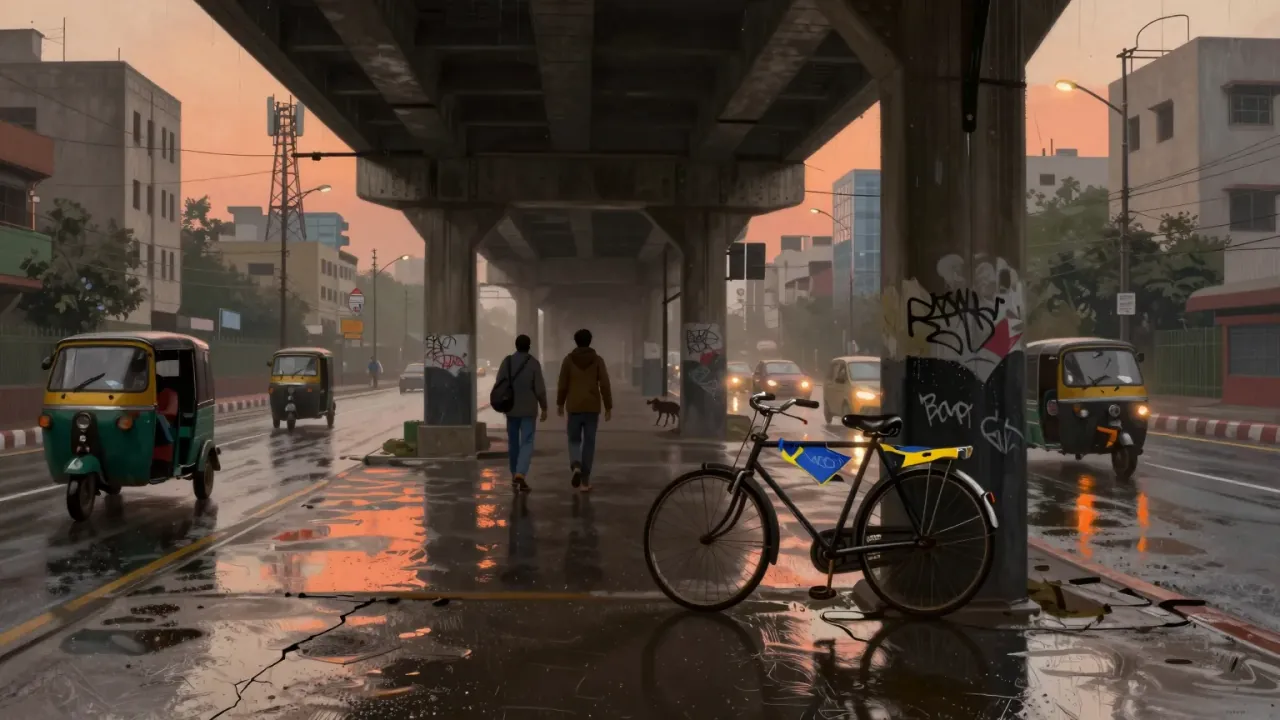
Rang De Basanti (2006) follows five Delhi students drawn into a British filmmaker’s documentary about 1920s Indian revolutionaries. As they rehearse acts of defiance, real-world corruption forces them to confront their own passivity. Directed by Rakeysh Omprakash Mehra, with cinematography by Binod Pradhan and music by A. R. Rahman, it blends contemporary realism with historical re-enactment to ask what civic courage costs today. Though its climax strains credibility, its emotional logic and ensemble performances sustain its 157-minute runtime.

13:00

Arsenal

Oleksandr Dovzhenko · 1929

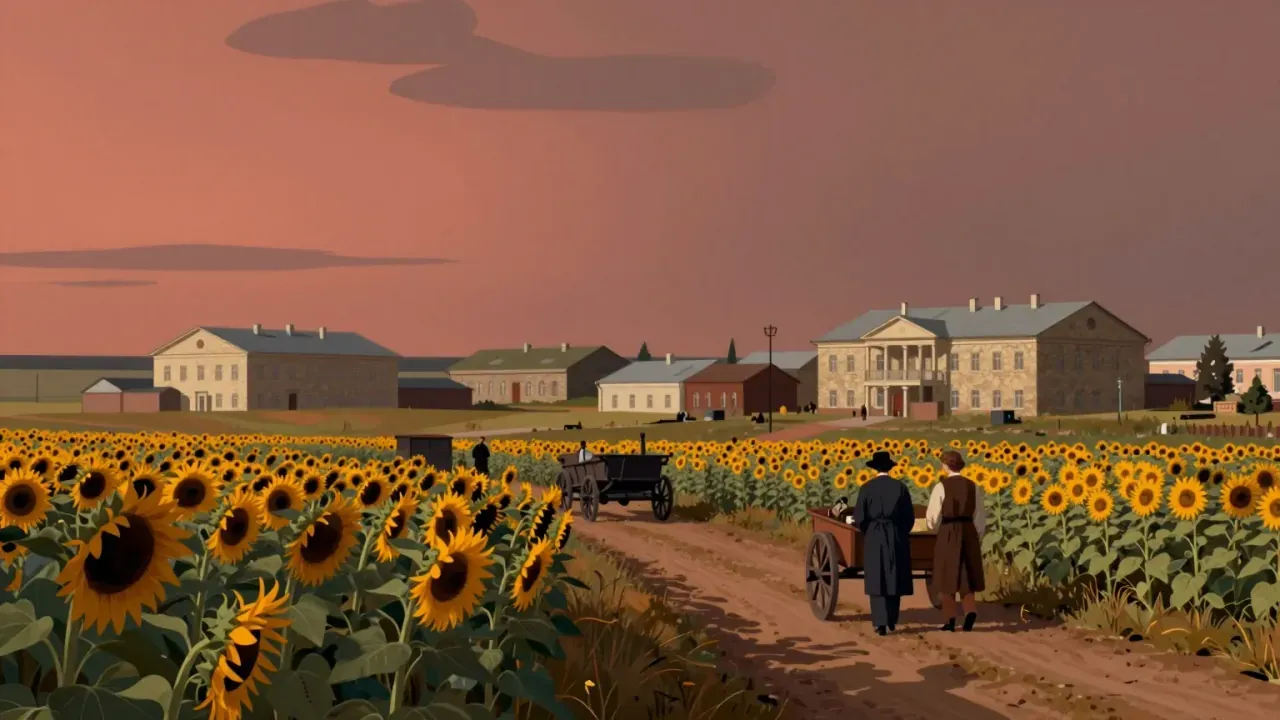
Oleksandr Dovzhenko’s 1929 silent film Arsenal reimagines the 1918 Kiev Arsenal Uprising as a mythic struggle, using expressionist imagery, non-linear editing, and stark physical performance. Shot by Danylo Demutskyi and edited by Dovzhenko himself, it privileges gesture over exposition and symbol over summary. Though demanding and historically dense, it remains a landmark of Ukrainian avant-garde cinema — less a history lesson than a visceral, rhythmic invocation of collective will.

13:00

Battleship Potemkin

Sergei Eisenstein · 1925

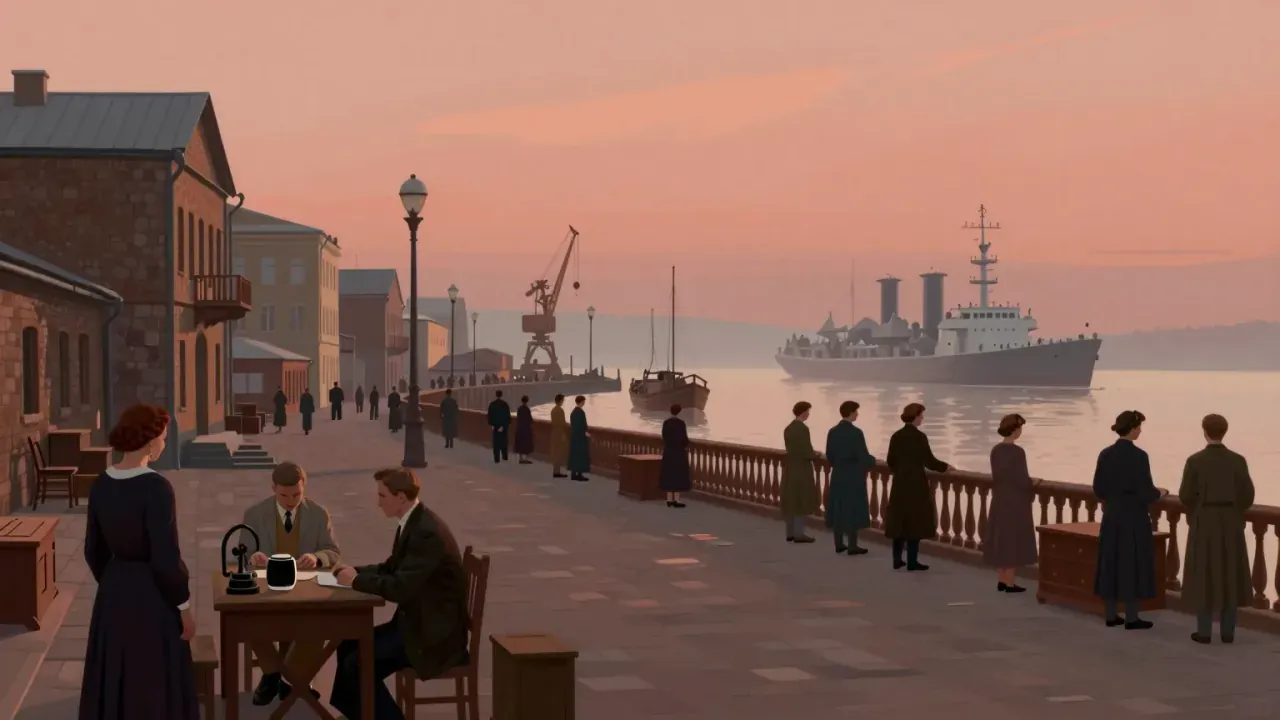
Battleship Potemkin (1925) is Sergei Eisenstein’s landmark Soviet silent film dramatising the 1905 mutiny aboard the battleship Potemkin. Made as political art rather than historical record, it uses radical montage—especially in the iconic Odessa Steps sequence—to generate collective emotion and ideological conviction. Shot by Eduard Tisse and Vladimir Uralsky, edited by Eisenstein and Grigori Aleksandrov, it relies on non-professional actors, symbolic types, and rhythmic editing over psychology or narrative. Though its revolutionary certainty feels schematic today, its formal mastery remains potent and instructive.

13:00

Persepolis

Marjane Satrapi, Vincent Paronnaud · 2007

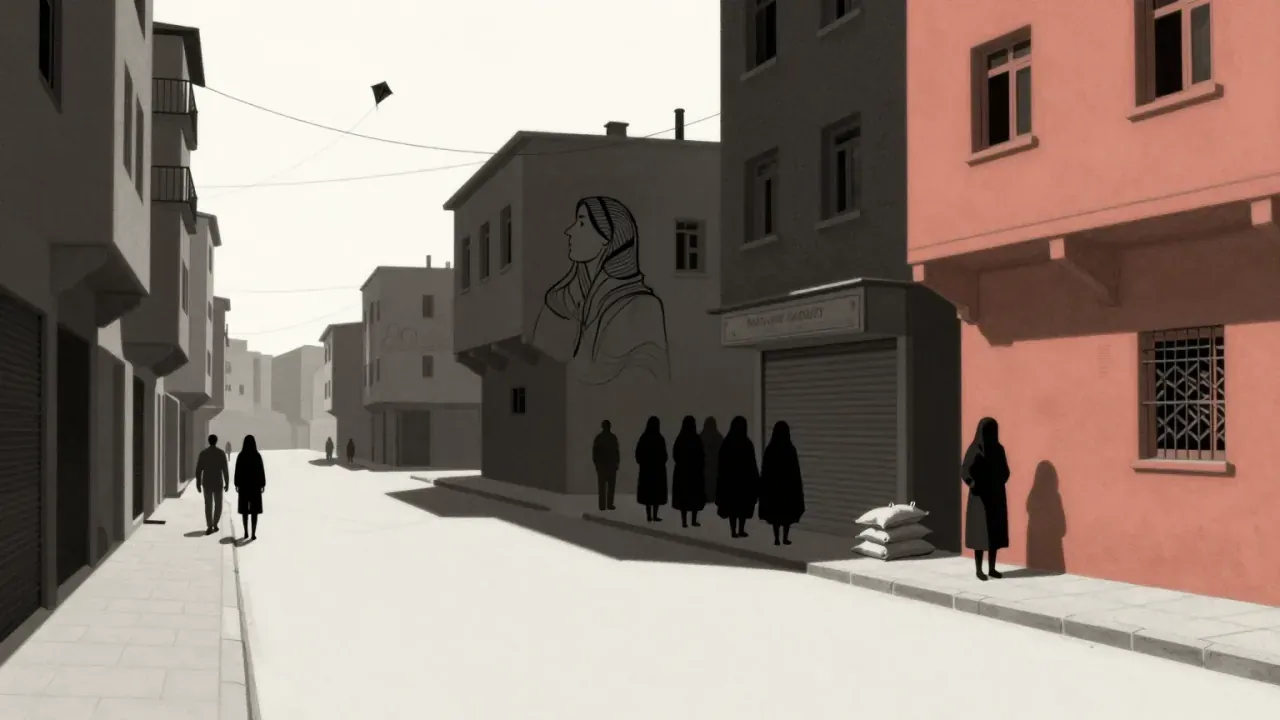
Adapted from her own graphic novel, Marjane Satrapi and Vincent Paronnaud's 2007 film follows a girl growing up through the Iranian Revolution, the war with Iraq, and years of exile in Vienna. Hand-drawn black and white carries most of the film's argument about who this story belongs to.

13:00

The Battle of Algiers

Gillo Pontecorvo · 1966

Gillo Pontecorvo's 1966 film reconstructs the Algerian independence struggle against French rule between 1954 and 1957, following FLN fighter Ali La Pointe and the French colonel sent to break the resistance through mass arrest and torture. Cast almost entirely with non-professionals, many of whom had lived through the real events, and shot in a black-and-white newsreel style, the film won the Golden Lion at Venice and was banned in France for years for the discomfort of its subject.