filmbriefs
Topic

Nihilism

The position that none of it signifies, held with surprising commitment.

6
in film
13:00
average
78 min
in total
10
across the network
Nihilism across the network →
All briefs6
13:00

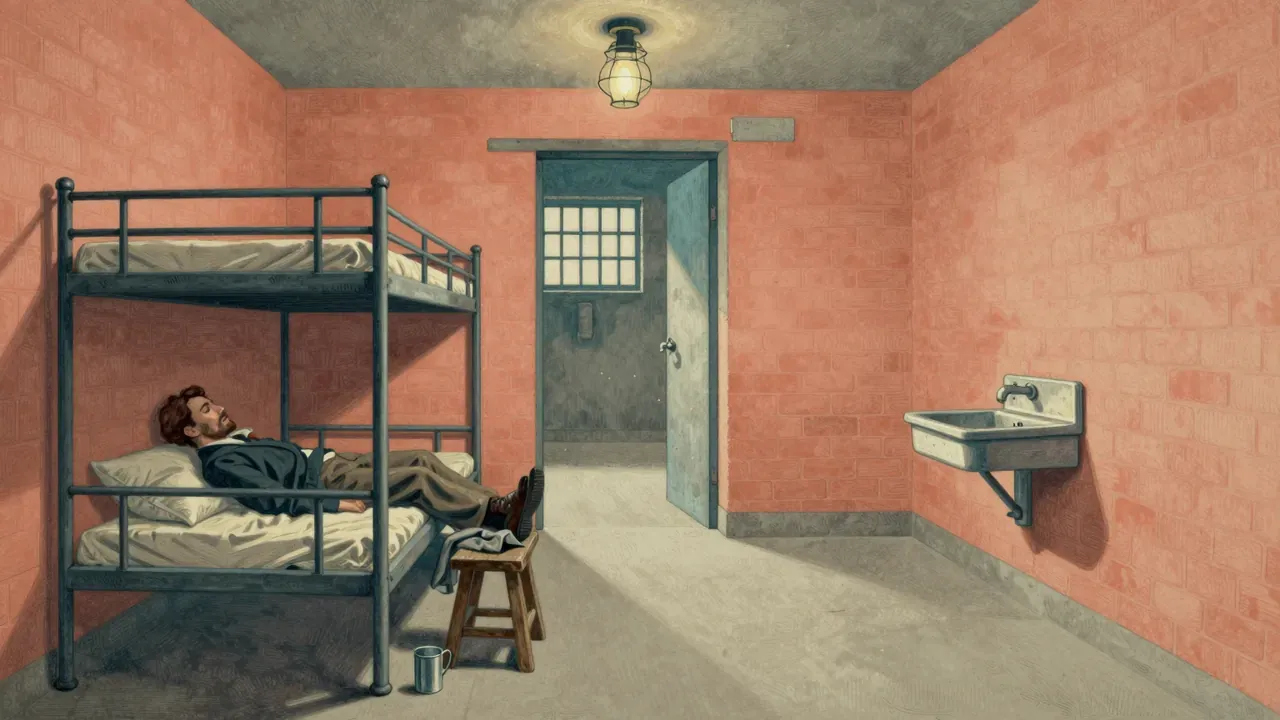
Brute Force

Jules Dassin · 1947

Brute Force (1947) is a tightly wound crime drama set inside Westgate Prison, where Capt. Munsey’s sadistic enforcement and Warden Barnes’ passivity create a powder keg. When Joe Collins organises an escape, the system responds not with reform but with annihilation. Directed by Jules Dassin and written by Richard Brooks, it uses noir’s visual austerity and moral severity to mount a sustained critique of punitive justice — not as aberration, but as design.
13:00

The Bakery Girl of Monceau

Éric Rohmer · 1962

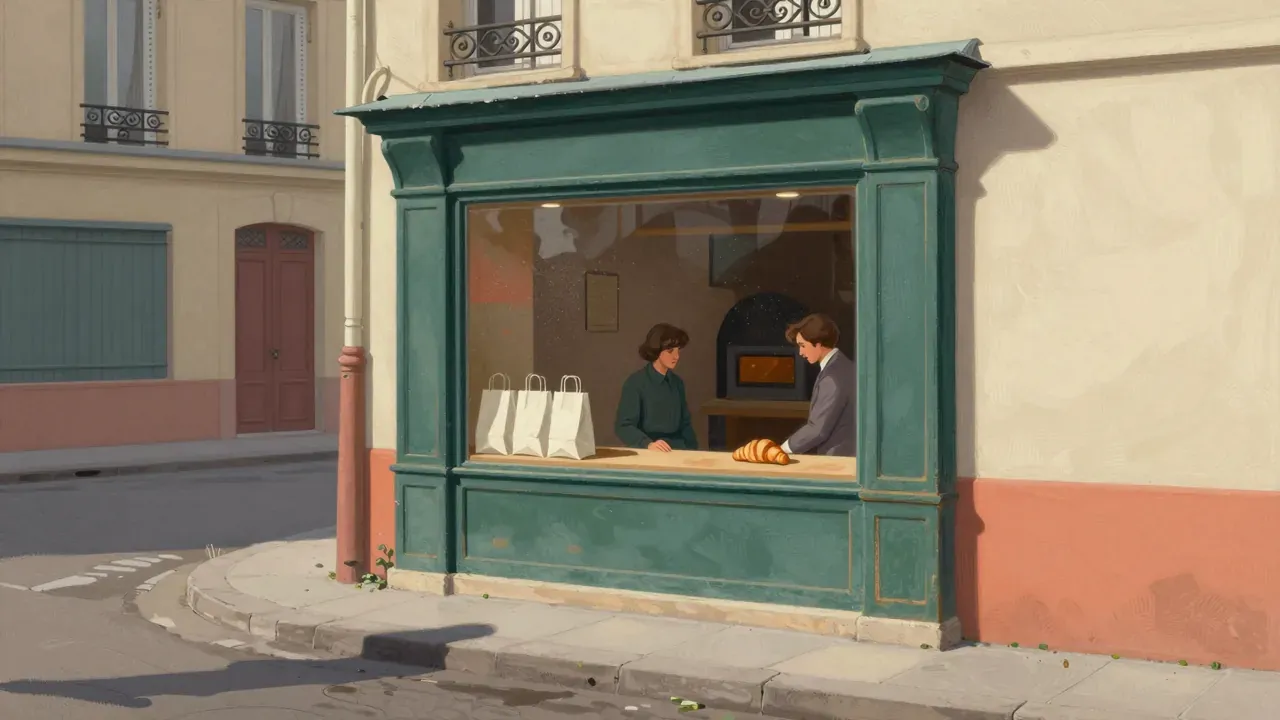
Éric Rohmer’s 1962 short The Bakery Girl of Monceau is the first of his Six Moral Tales: a 22-minute study in male subjectivity, told via voice-over narration over static, location-shot images of Paris. A law student pursues one woman, distracts himself with another, then returns to the first — all while constructing a story in which his choices appear inevitable, noble, and coherent. There is no music, no on-set sound, no psychological exposition beyond the narrator’s own account. Its power lies in the precision of its restraint.

13:00

The Doom Generation

Gregg Araki · 1995

Gregg Araki’s 1995 film follows three teenagers — Jordan, Amy and X — as they flee after a convenience-store killing, descending into surreal violence across Los Angeles. Shot on a $800,000 budget, it merges teen drama, black comedy and thriller tropes with deadpan delivery, saturated night photography, and a synth-heavy score. Though critically divided and commercially unsuccessful, it endures as a defining artefact of 1990s American indie cinema — less for its plot than for its uncompromising tonal architecture.

13:00

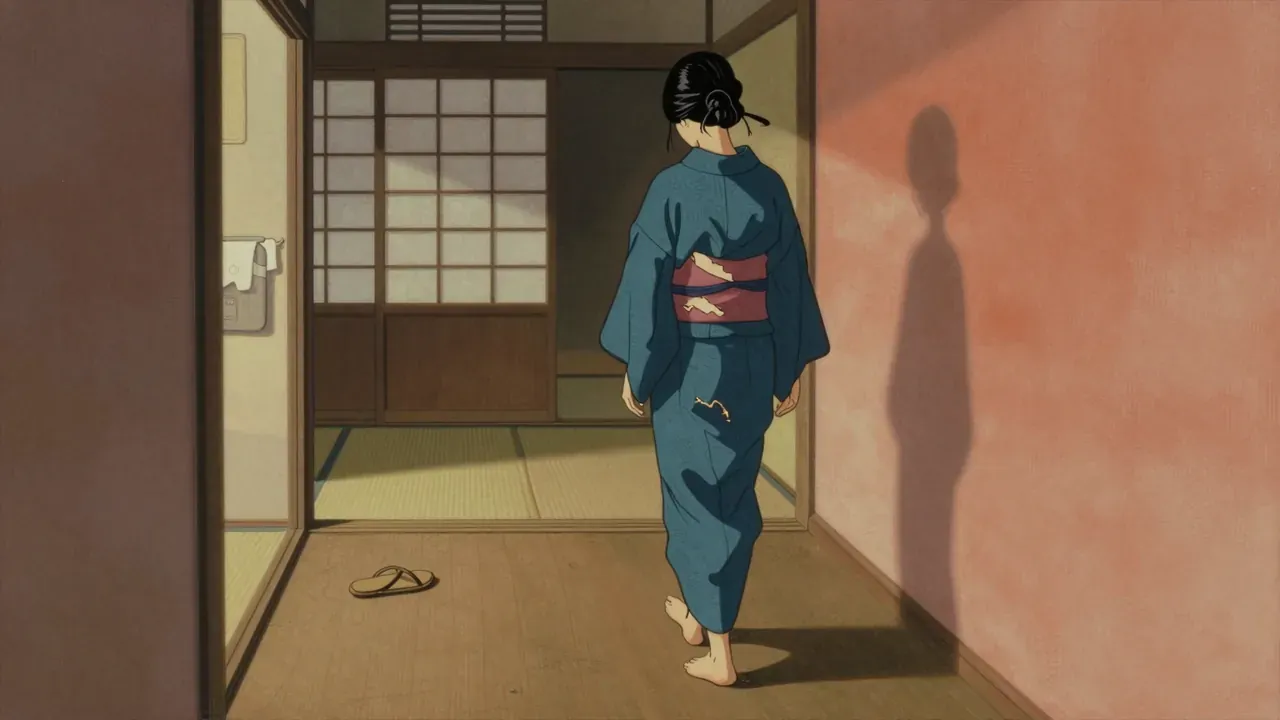
The Lower Depths

Akira Kurosawa · 1957

Akira Kurosawa’s 1957 adaptation of Gorky’s play relocates the action to Edo Japan and strips away theatrical artifice to create a claustrophobic, ensemble-driven portrait of a tenement’s inhabitants. With Toshirō Mifune, Isuzu Yamada and Kyōko Kagawa, it sustains a tone of moral exhaustion rather than uplift, treating poverty as an environment that reshapes language, loyalty and selfhood. Shot in extended takes with minimal editing, it privileges texture over plot and ambiguity over resolution.

13:00

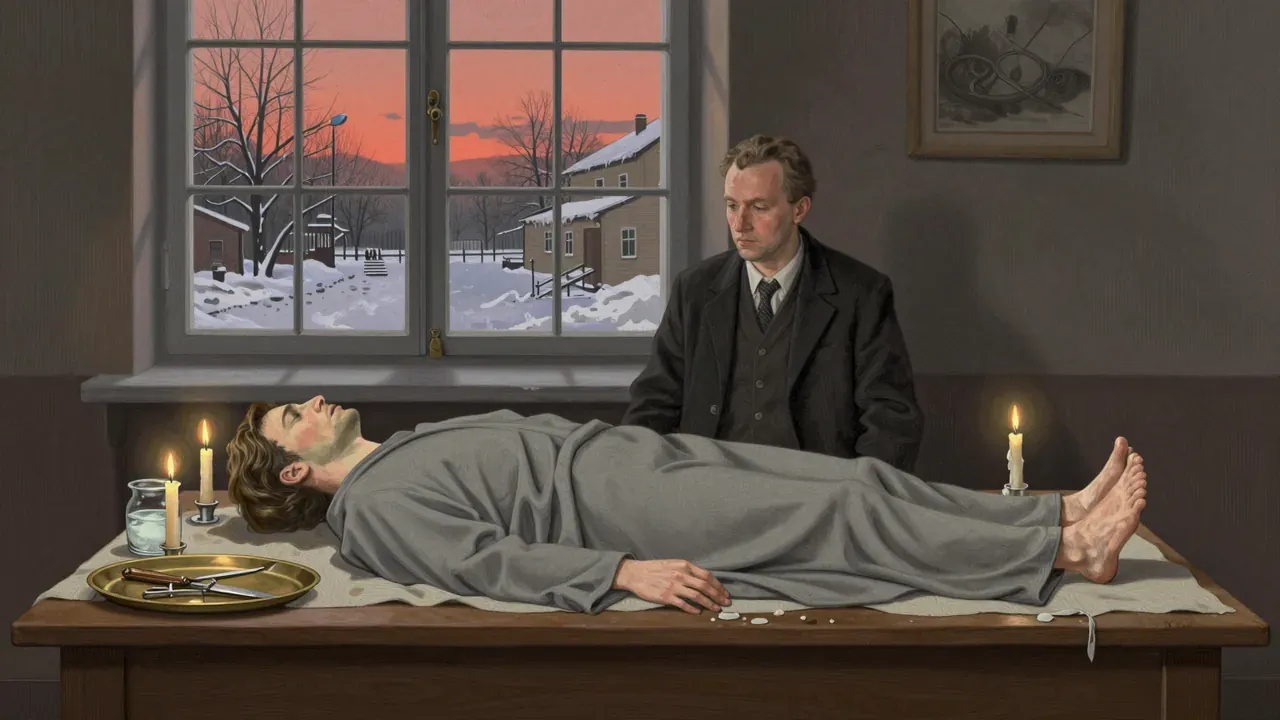
Faust (2011 film)

Alexander Sokurov · 2011

Alexander Sokurov’s 2011 Faust is a Russian-German co-production, shot across the Czech Republic, Germany and Iceland, and set in an indeterminate 19th-century Europe. Johannes Zeiler stars as Faust, a scholar dissecting corpses in search of the soul, drawn into a pact with Anton Adasinsky’s moneylender — a grotesque, worldly Mephistopheles. Bruno Delbonnel’s cinematography renders the world in Flemish-toned greys and ochres; Andrey Sigle’s score is sparse and resonant. The film won the Golden Lion at Venice and was lauded for its visual rigour and philosophical gravity, though its deliberate opacity divided critics.

13:00

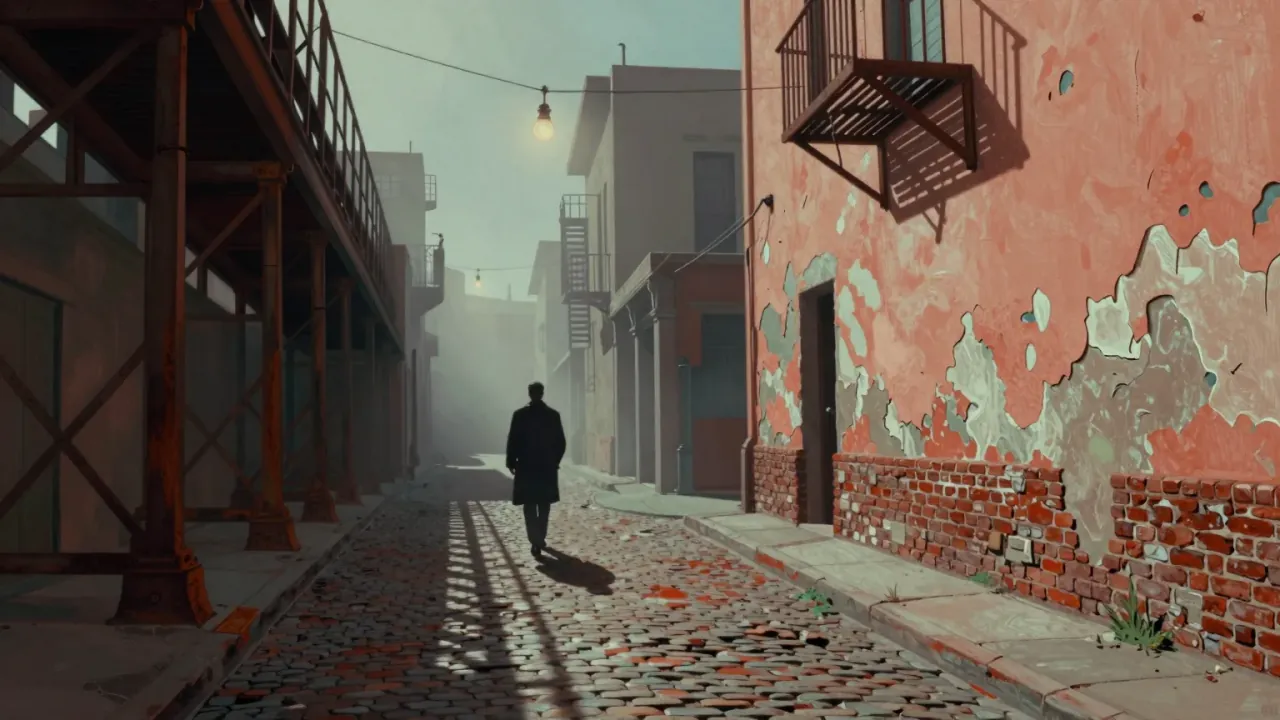
Kiss Me Deadly

Robert Aldrich · 1955

Robert Aldrich’s 1955 Kiss Me Deadly recasts Mickey Spillane’s Mike Hammer as a morally adrift private investigator drawn into a conspiracy centred on a mysterious, glowing suitcase. Shot on location in a decaying Los Angeles, with stark cinematography by Ernest Laszlo and a percussive score by Frank De Vol, the film rejects noir conventions of resolution and moral clarity. Its power lies in accumulation — of dread, ambiguity, and physical consequence — culminating in an ending that offers no salvation, only exposure.