
filmbriefs
Topic

Insects

Most of the animal biomass, currently disappearing.

2
in film
13:00
average
26 min
in total
29
across the network
Insects across the network →
All briefs2
13:00

Genocide

Kazui Nihonmatsu · 1968

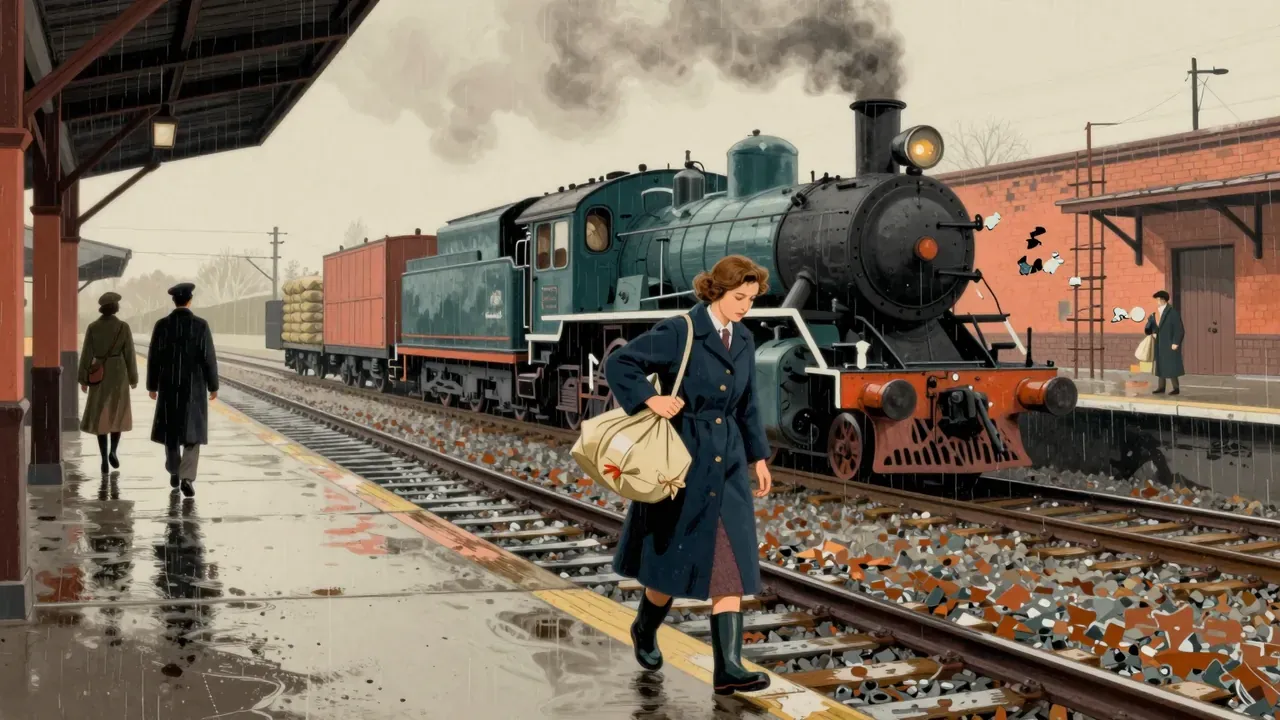
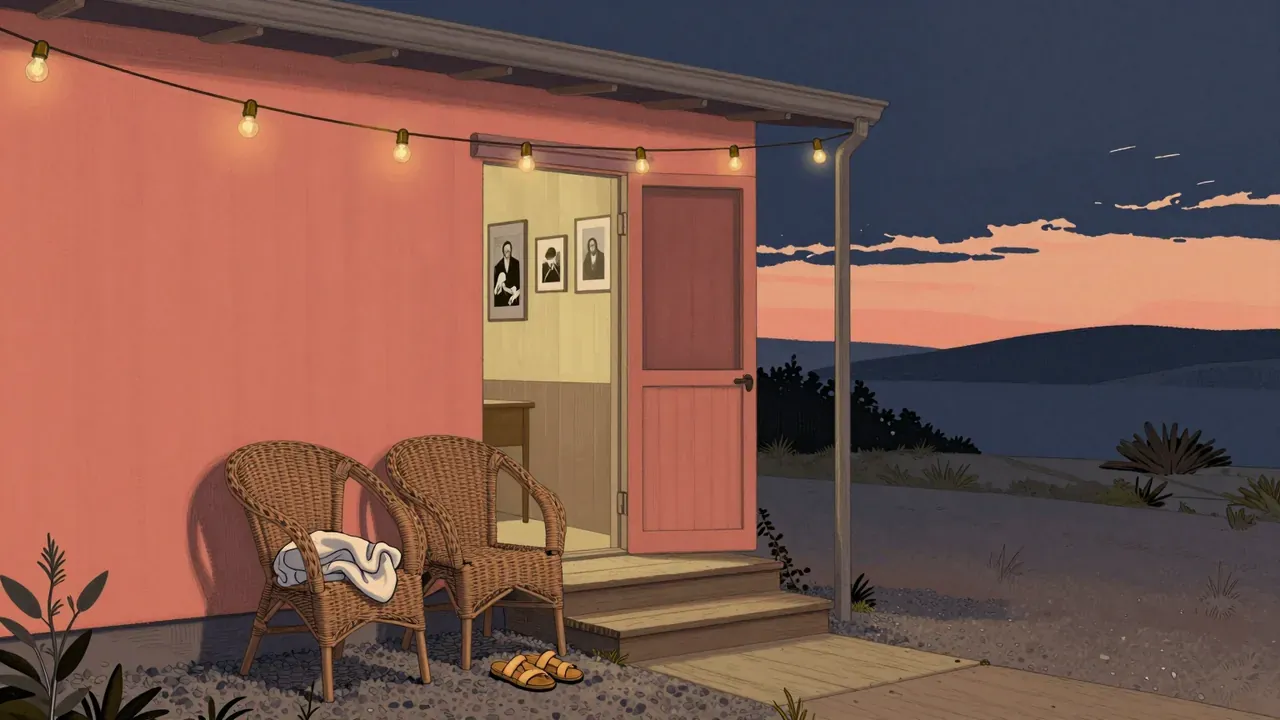
Genocide (1968), directed by Kazui Nihonmatsu for Shochiku, is a science fiction horror film set on a fictional Japanese archipelago where weaponised insects emerge in the wake of a crashed H-bomb. Blending Cold War paranoia, post-nuclear trauma, and ecological unease, it follows biologist Dr. Nagumo, islander Yukari, and American soldiers as they confront biological invasion, espionage, and the looming threat of nuclear cover-up. Shot by Shizuo Hirase with a sparse score by Shunsuke Kikuchi, it is austere in execution and ambitious in theme — Shochiku’s final horror release, and a singularly uneasy artefact of its time.
13:00

The Insect Woman

Shohei Imamura · 1963

Shohei Imamura’s 1963 drama follows Tome Matsuki from rural childhood to post-war Tokyo madam across thirty-two episodic chapters. Sachiko Hidari’s unsentimental performance, Shinsaku Himeda’s unadorned cinematography, and Toshiro Mayuzumi’s sparse score serve a vision of class and gender as material forces — not backdrops, but shaping pressures. Entered in Berlin, where Hidari won Best Actress, it remains a benchmark of socially grounded Japanese cinema.

More from film

All briefs →
13:00

20th Century Women

Mike Mills · 2016

Set in 1979 Santa Barbara, Mike Mills’ 20th Century Women follows 15-year-old Jamie as his single mother Dorothea enlists two younger women — photographer Abbie and teenage friend Julie — to help raise him. Anchored by Annette Bening’s restrained performance, the film observes their overlapping lives with warmth and precision, treating feminism, illness, ageing and adolescence as lived conditions rather than themes. Shot by Sean Porter and edited by Leslie Jones, it moves at the pace of real conversation, building meaning through accumulation rather than climax.

13:00

24 Frames

Abbas Kiarostami · 2017

Abbas Kiarostami’s final film, 24 Frames, comprises twenty-four uncut, static shots — each ninety seconds long — observing nature, animals, and thresholds between interior and exterior. Beginning with animated movement superimposed on Bruegel’s Hunters in the Snow, it proceeds into real-world stillness, testing how much meaning resides in time, attention, and unmediated presence. Released posthumously at Cannes 2017, it is a rigorous, unsentimental essay on perception and impermanence.

13:00

3:10 to Yuma

Delmer Daves · 1957

Delmer Daves’ 1957 Western 3:10 to Yuma adapts Elmore Leonard’s taut short story into a study of obligation under pressure. Rancher Dan Evans agrees to escort outlaw Ben Wade to the 3:10 train for Yuma, facing ambush, betrayal, and his own wavering resolve. Shot by Charles Lawton Jr. with sun-bleached realism and scored sparingly by George Duning, the film builds suspense through pacing, performance, and moral granularity — not spectacle. It was preserved by the Library of Congress in 2012 for its cultural and aesthetic significance.

13:00

3 Women

Robert Altman · 1977

Robert Altman’s 1977 film 3 Women follows the uncanny merging of identities among a timid young woman, her garrulous roommate and a silent, pregnant artist in a sun-scorched California town. Built from a dream and shot with deliberate, unhurried precision, it uses repetition, reflection and improvisation to explore how selves are borrowed, performed and abandoned.