filmbriefs
Topic

Inequality

The gap, how it is measured and who benefits from the measurement.

2
in film
13:00
average
26 min
in total
12
across the network
Inequality across the network →
All briefs2
13:00

American Dream

Barbara Kopple · 1990

Barbara Kopple’s 1990 documentary follows the 1985–86 Hormel strike in Austin, Minnesota, where unionised meatpackers resisted wage cuts and benefit reductions. Shot over months with intimate access, it centres on the human toll — financial, emotional, communal — rather than offering political analysis. Co-directed by Cathy Caplan, Thomas Haneke, and Lawrence Silk, and scored by Michael Small, it won the Academy Award and Sundance Grand Jury Prize for Best Documentary.
13:00

Fårö Document

Ingmar Bergman · 1970

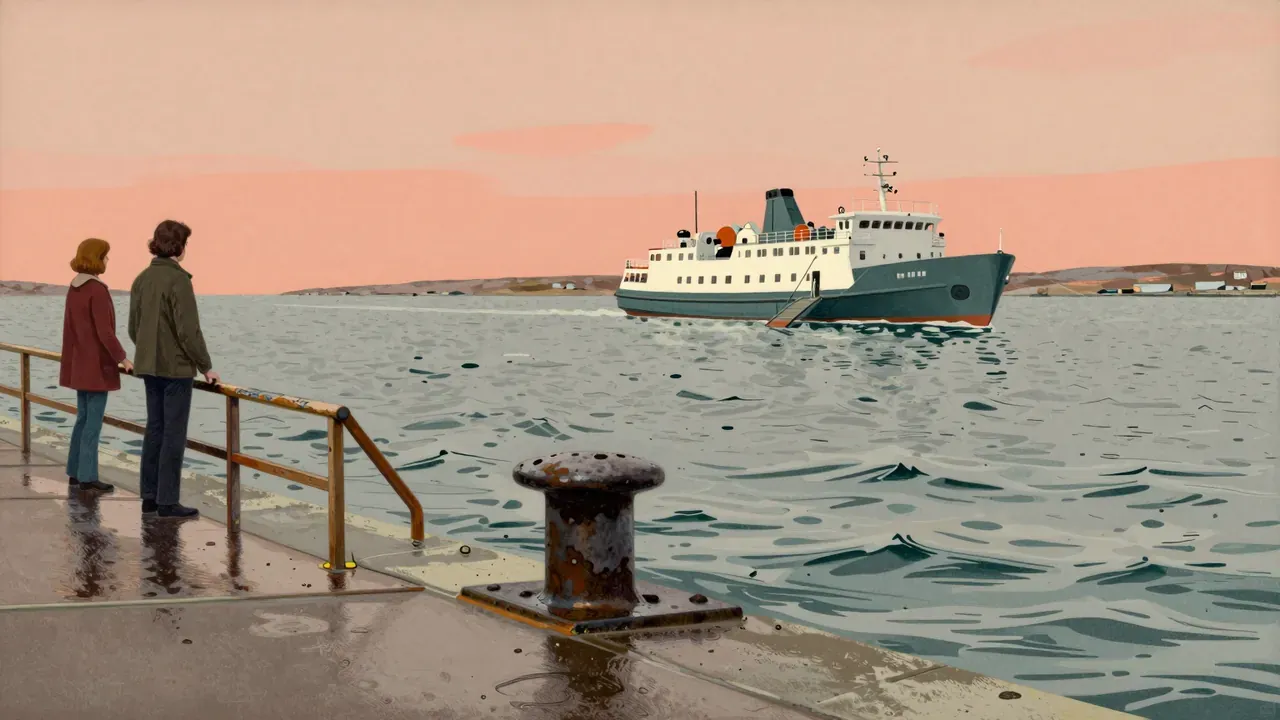
Shot on Fårö in early 1969, Ingmar Bergman’s Fårö Document is a 16 mm documentary about the island’s 754 residents, their infrastructure deficits, educational underfunding and political marginalisation. With Sven Nykvist as cinematographer and a five-person crew, it avoids stylisation in favour of direct testimony and observational footage — interviews with the mayor, farmers and schoolchildren, scenes of seasonal labour and civic meetings. Broadcast on Swedish television on 1 January 1970, it functions as both record and advocacy, calling for subsidies, daycare, schools and a bridge across Fårö Sound.

More from film

All briefs →
13:00

20th Century Women

Mike Mills · 2016

Set in 1979 Santa Barbara, Mike Mills’ 20th Century Women follows 15-year-old Jamie as his single mother Dorothea enlists two younger women — photographer Abbie and teenage friend Julie — to help raise him. Anchored by Annette Bening’s restrained performance, the film observes their overlapping lives with warmth and precision, treating feminism, illness, ageing and adolescence as lived conditions rather than themes. Shot by Sean Porter and edited by Leslie Jones, it moves at the pace of real conversation, building meaning through accumulation rather than climax.

13:00

24 Frames

Abbas Kiarostami · 2017

Abbas Kiarostami’s final film, 24 Frames, comprises twenty-four uncut, static shots — each ninety seconds long — observing nature, animals, and thresholds between interior and exterior. Beginning with animated movement superimposed on Bruegel’s Hunters in the Snow, it proceeds into real-world stillness, testing how much meaning resides in time, attention, and unmediated presence. Released posthumously at Cannes 2017, it is a rigorous, unsentimental essay on perception and impermanence.

13:00

3:10 to Yuma

Delmer Daves · 1957

Delmer Daves’ 1957 Western 3:10 to Yuma adapts Elmore Leonard’s taut short story into a study of obligation under pressure. Rancher Dan Evans agrees to escort outlaw Ben Wade to the 3:10 train for Yuma, facing ambush, betrayal, and his own wavering resolve. Shot by Charles Lawton Jr. with sun-bleached realism and scored sparingly by George Duning, the film builds suspense through pacing, performance, and moral granularity — not spectacle. It was preserved by the Library of Congress in 2012 for its cultural and aesthetic significance.

13:00

3 Women

Robert Altman · 1977

Robert Altman’s 1977 film 3 Women follows the uncanny merging of identities among a timid young woman, her garrulous roommate and a silent, pregnant artist in a sun-scorched California town. Built from a dream and shot with deliberate, unhurried precision, it uses repetition, reflection and improvisation to explore how selves are borrowed, performed and abandoned.