filmbriefs
Topic

The food industry

Where most calories actually come from, and who decides.

4
in film
13:00
average
52 min
in total
157
across the network
The food industry across the network →
All briefs4
13:00

Okja

Bong Joon-ho · 2017

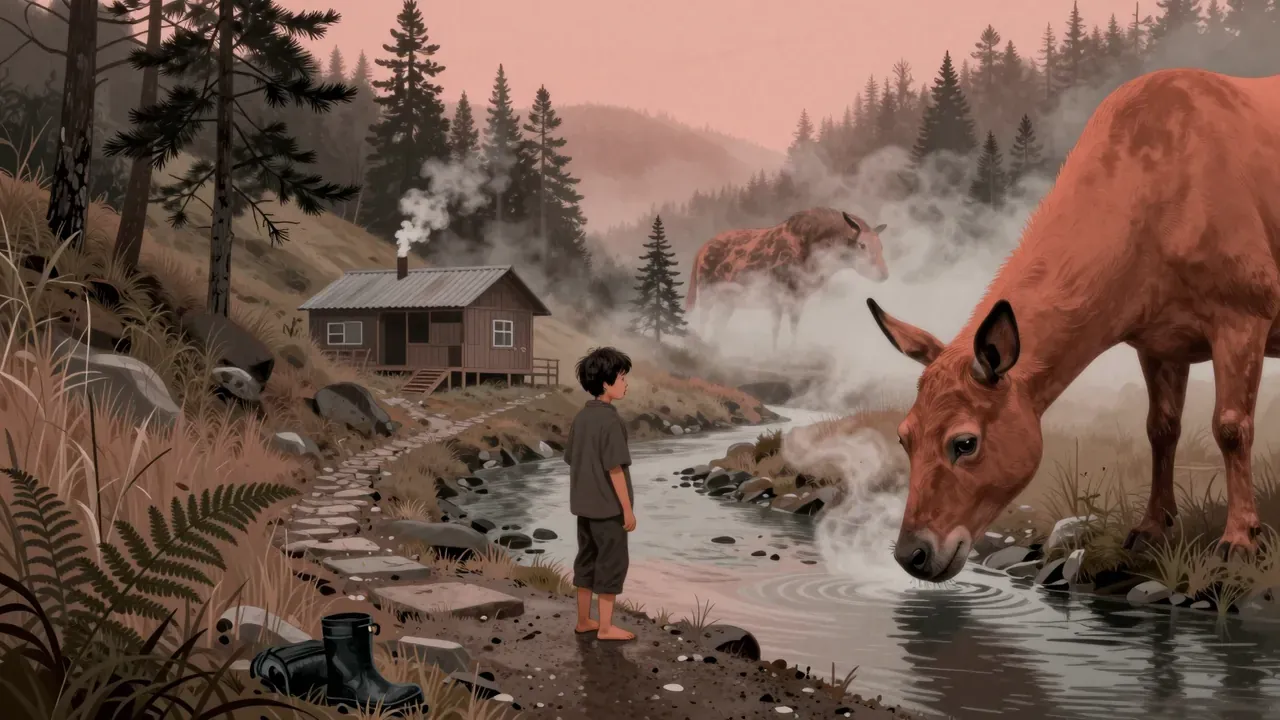
A teenage girl in the South Korean mountains raises Okja, a genetically modified 'super pig'. When the Mirando Corporation claims Okja as winner of its global breeding contest, Mija follows her to New York, aided by the Animal Liberation Front. What unfolds is a tonally restless adventure that maps the infrastructure of industrial meat — from farm to lab to slaughterhouse — while holding fast to the physical, emotional reality of one human-animal bond.

13:00

Tampopo

Jūzō Itami · 1985

Tampopo (1985), written and directed by Jūzō Itami, follows a widowed ramen-shop owner mentored by a trucker in her quest for culinary excellence. Framed as a 'noodle western', it interweaves this central story with vignettes exploring food, class, and desire across 1980s Tokyo. Shot on location with natural light by Masaki Tamura and edited by Akira Suzuki, it favours observation over exposition, craft over climax, and quiet resonance over narrative resolution.

13:00

The Gleaners and I

Agnès Varda · 2000

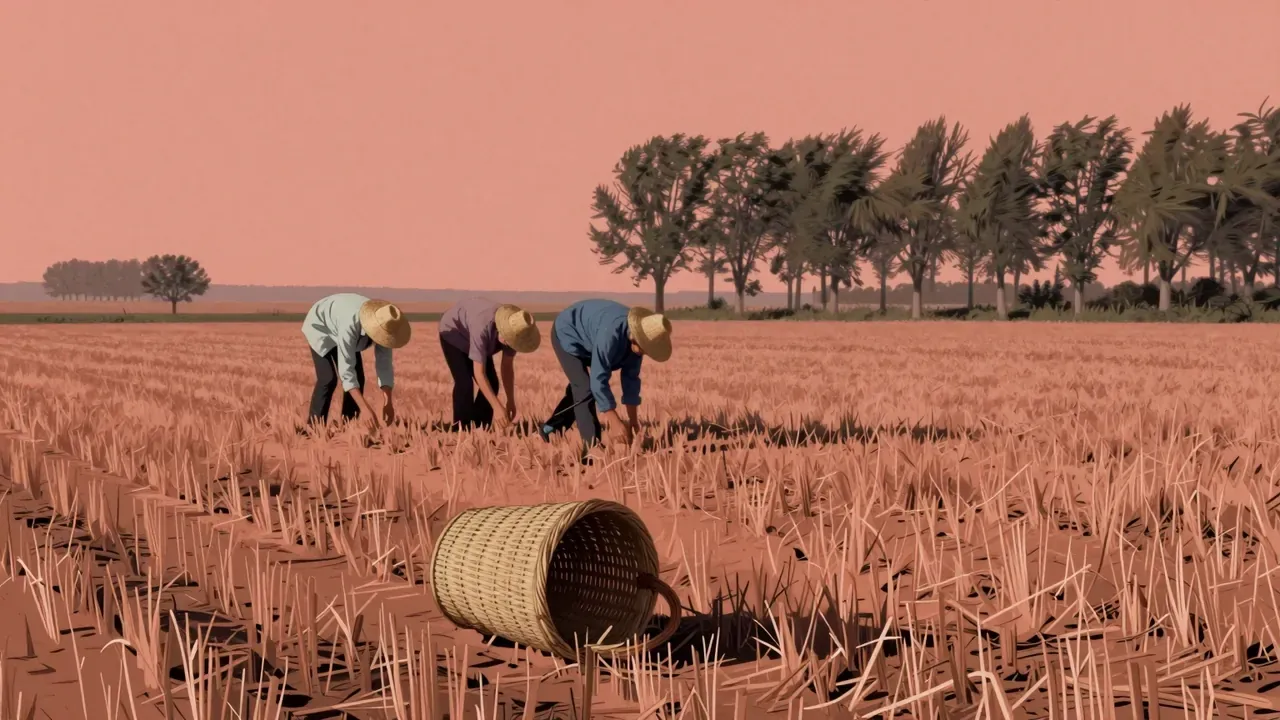
Made in 2000, Agnès Varda’s The Gleaners and I is a self-reflexive French documentary shot on early digital video. Travelling across rural and suburban France, Varda observes people who glean—collecting leftover crops, discarded food, or abandoned objects—for reasons ranging from need to artistry. She includes chefs, lawyers, artists, and farmers, and inserts herself as both filmmaker and subject, filming her ageing hands, her grey hair, and even her lens cap swinging at her side. The film avoids thesis or resolution, favouring accumulation, texture, and quiet observation. It won the European Film Award for Best Documentary and has since been ranked among the greatest documentaries and 21st-century films by multiple critics’ polls.

13:00

Delicatessen

Marc Caro, Jean-Pierre Jeunet · 1991

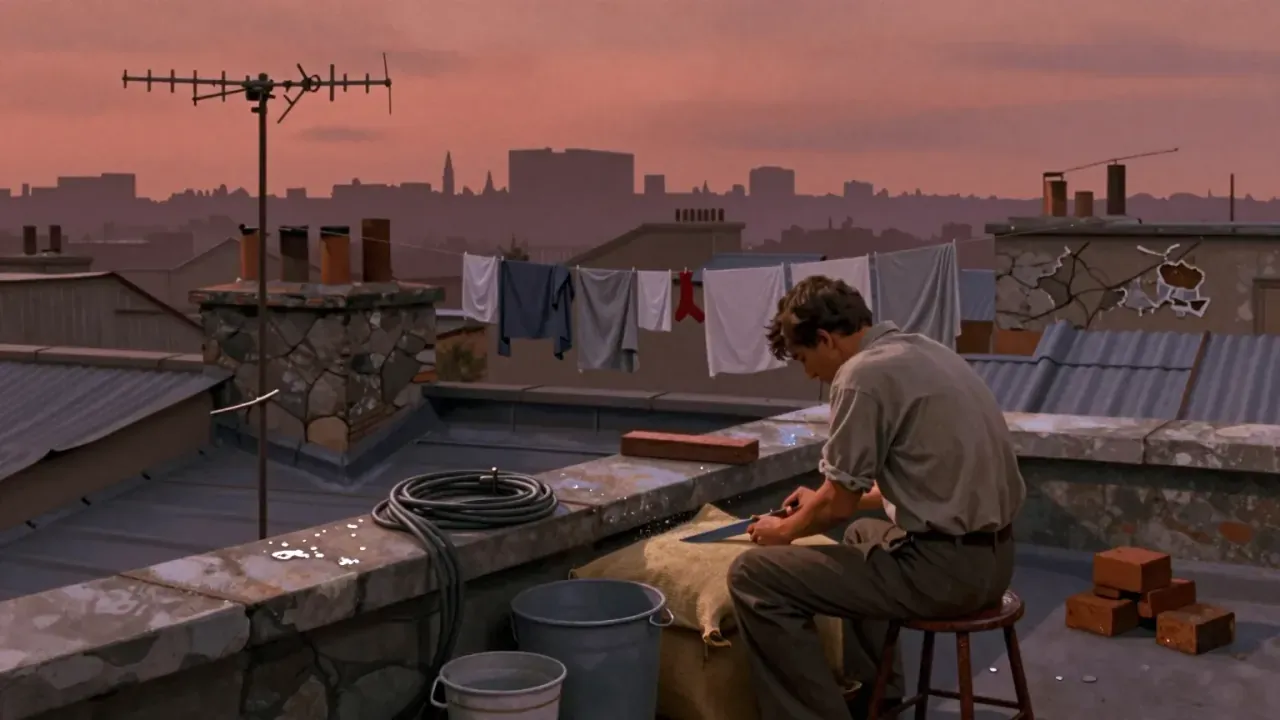
Delicatessen (1991) is a French fantasy film set in a dilapidated Parisian apartment block where food is scarce and the ground-floor butcher doubles as landlord and killer. Unemployed clown Louison takes a job at the shop, falls for the butcher’s daughter Julie, and unwittingly becomes the object of both affection and appetite among the tenants. With production design that won a European Film Award and a visual style rooted in Brassaï’s monochrome grit, the film sustains a precise, tactile dystopia — one where resistance grows in sewers and romance blooms over shared chores. Directed by Marc Caro and Jean-Pierre Jeunet, it is a debut of uncommon control and dark invention.