filmbriefs
Topic

Chocolate

A luxury made from a crop still farmed at subsistence.

4
in film
13:00
average
52 min
in total
8
across the network
Chocolate across the network →
All briefs4
13:00

American Utopia

Spike Lee · 2020

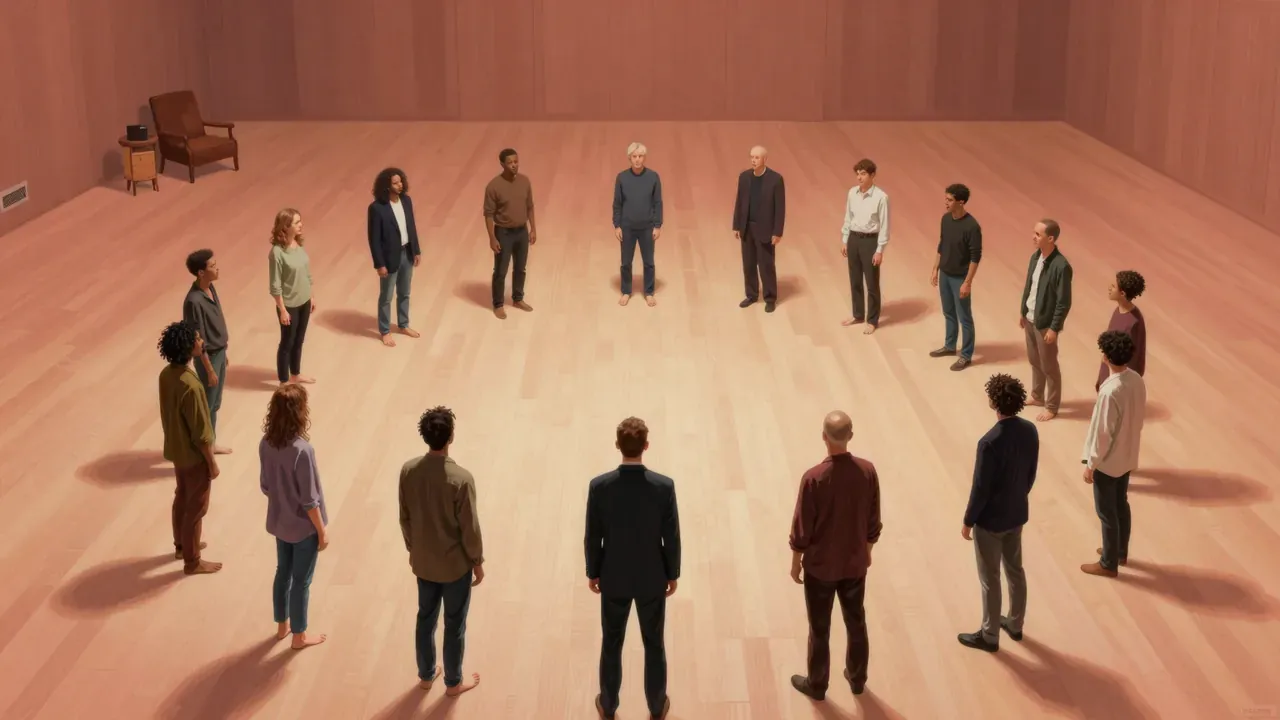
Spike Lee’s American Utopia films David Byrne’s Broadway concert as a sustained act of collective presence: twelve performers, wireless instruments, no sets, choreographed movement, and spoken interludes on connection and civic life. Shot by Ellen Kuras with formal rigour, it avoids spectacle in favour of clarity, repetition, and physical continuity — less a celebration than a rehearsal of unity.

13:00

Blood Wedding

Carlos Saura · 1981

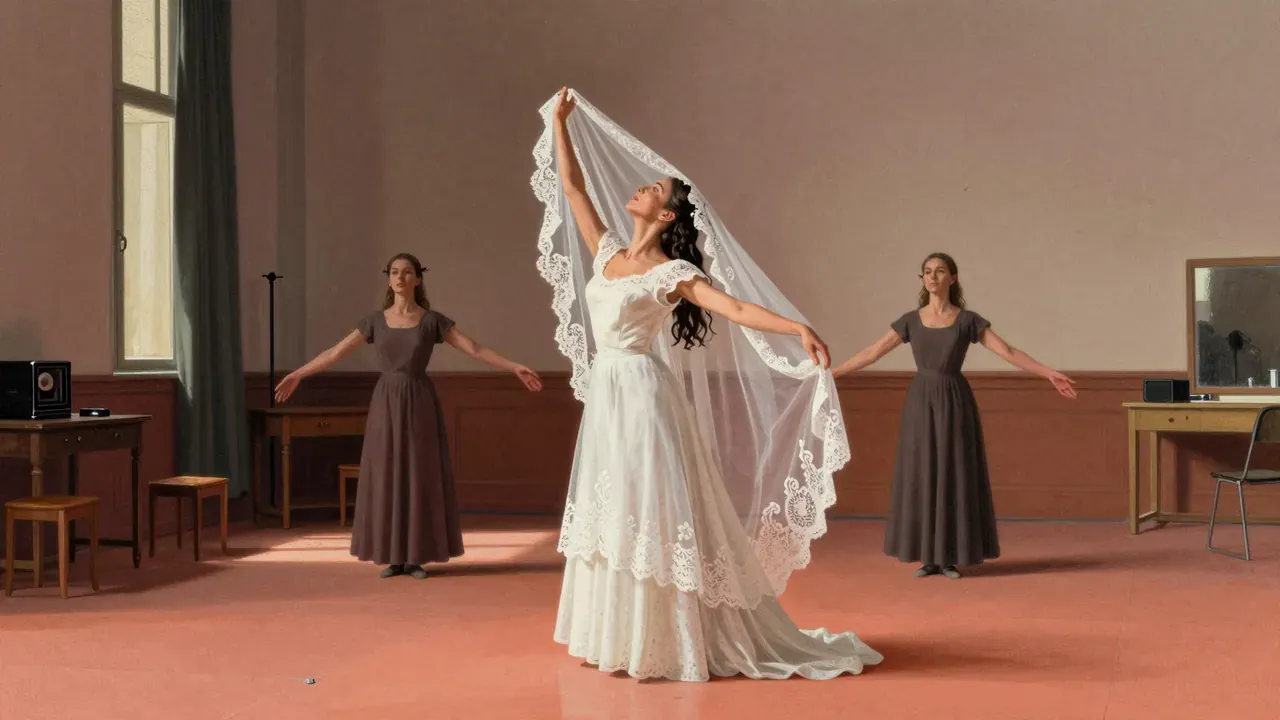
Carlos Saura’s 1981 Blood Wedding is a rigorously stripped-back flamenco staging of Federico García Lorca’s play, performed by Antonio Gades and company in a bare studio. With no sets, minimal props, and no spoken dialogue, it translates Lorca’s themes of blood, honour, and fate into choreography, percussion, and sustained physical presence. Teodoro Escamilla’s cinematography observes without embellishment; the film begins and ends with the dancers preparing — foregrounding labour, discipline, and collective authorship.

13:00

House of Flying Daggers

Zhang Yimou · 2004

Zhang Yimou’s 2004 wuxia fantasy House of Flying Daggers uses Tang dynasty rebellion as a framework for choreographed spectacle. Shot across Ukraine and China, it foregrounds Zhao Xiaoding’s saturated cinematography, Zhang Ziyi’s physically precise performance as a blind dancer, and Shigeru Umebayashi’s textural score. Its strengths lie in rhythmic editing, deliberate colour symbolism and the physical grammar of its fight sequences — not in narrative coherence or psychological depth. Though nominated for Best Cinematography at the Academy Awards, it prioritises sensory immersion over storytelling resolution.

13:00

Swing Time

George Stevens · 1936

A 1936 RKO musical starring Fred Astaire and Ginger Rogers, directed by George Stevens. Built around Jerome Kern’s Oscar-winning score and Hermes Pan’s choreography, it uses a slender plot — a dancer delaying his wedding — purely to stage five major dance numbers. Its strengths lie in rhythmic invention, spatial precision, and the emotional weight carried by movement alone. Its weaknesses include narrative thinness, underdeveloped supporting characters, and the unresolved presence of blackface in ‘Bojangles of Harlem’. Widely regarded as the peak of the Astaire–Rogers partnership, it remains a benchmark for musical film craft.