Saved
Topic

Preservation

Keeping the artefact alive past its format.

4
in film
13:00
average
52 min
in total
28
across the network
Preservation across the network →
All briefs4
13:00

Limite

Mário Peixoto · 1931

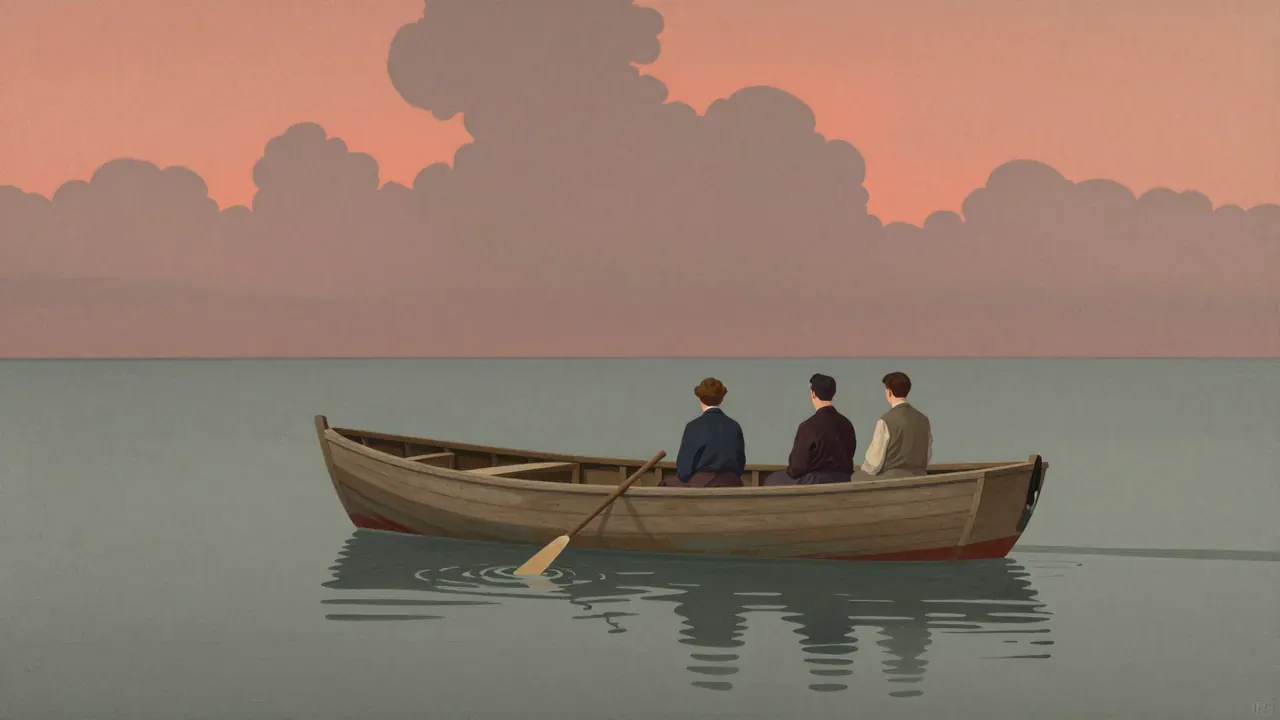
A 1931 Brazilian silent experimental drama directed, written, and produced by Mário Peixoto, Limite follows three unnamed figures adrift in a rowboat while fragmented flashbacks reveal their fractured pasts. Shot on the coast near Rio de Janeiro by cinematographer Edgar Brasil and edited by Peixoto himself, the film uses rhythm, high-contrast imagery, and associative montage to evoke psychological stasis rather than narrative progression. Long considered lost, it was restored from a single deteriorating nitrate print between 1966 and 1978. Though it had minimal contemporary reception, it is now widely regarded as the greatest Brazilian film — a landmark of avant-garde cinema and a singular meditation on limit, memory, and endurance.

13:00

Pina

Wim Wenders · 2011

Wim Wenders’ 2011 3D documentary Pina records performances by Tanztheater Wuppertal of four major works by Pina Bausch — Le sacre du printemps, Café Müller, Kontakthof (across three age groups), and Vollmond — filmed shortly after her death in 2009. Intercut are outdoor solos and duets around Wuppertal, accompanied by dancers’ voice-over reflections. Shot by Hélène Louvart and edited by Toni Froschhammer, the film treats choreography as living structure, not historical artefact.

13:00

The Fall of Otrar

Ardak Amirkulov · 1991

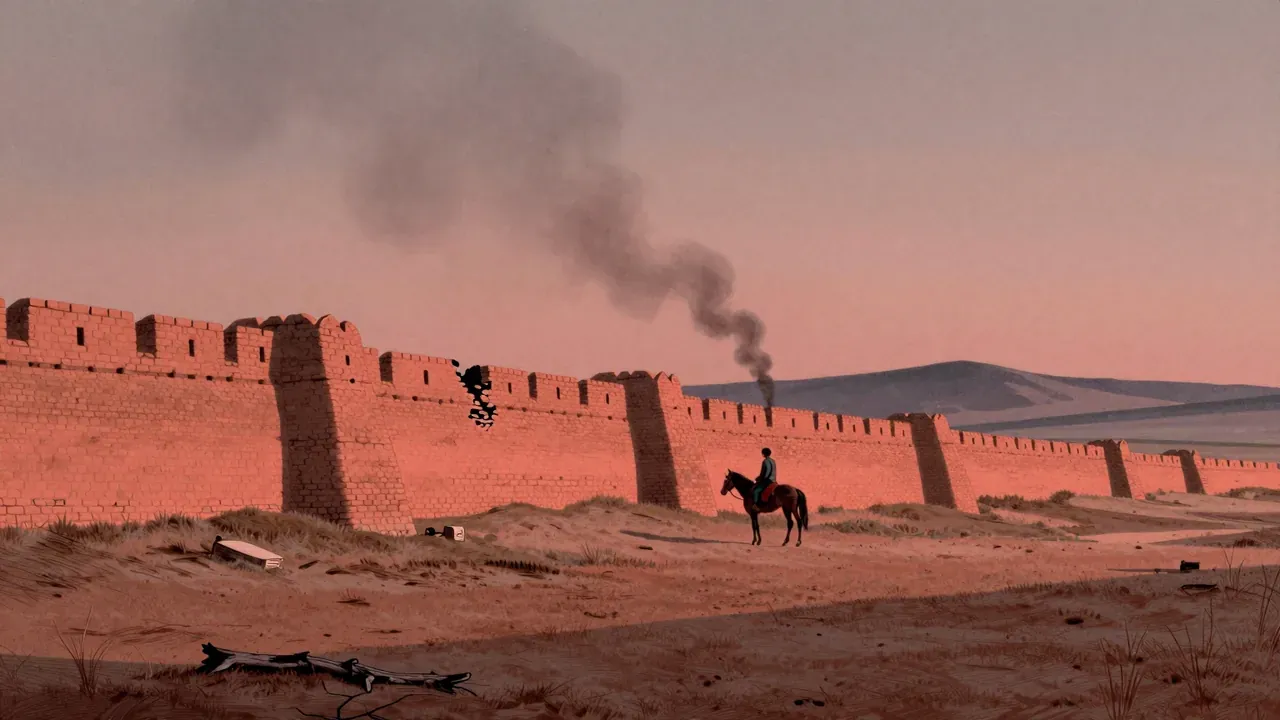
The Fall of Otrar (1991) is a Kazakh historical war film directed by Ardak Amirkulov, depicting the political and military collapse of the Central Asian city-state of Otrar before Genghis Khan’s invasion. Shot on location in Kazakhstan over four turbulent years amid Soviet dissolution and chronic underfunding, it prioritises architectural and procedural realism over psychological drama. Restored in 4K in 2024, it offers a stark, unsentimental vision of empire as erosion — not conquest — and history as accumulated weight rather than turning points.

13:00

The Golem

Paul Wegener, Henrik Galeen · 1915

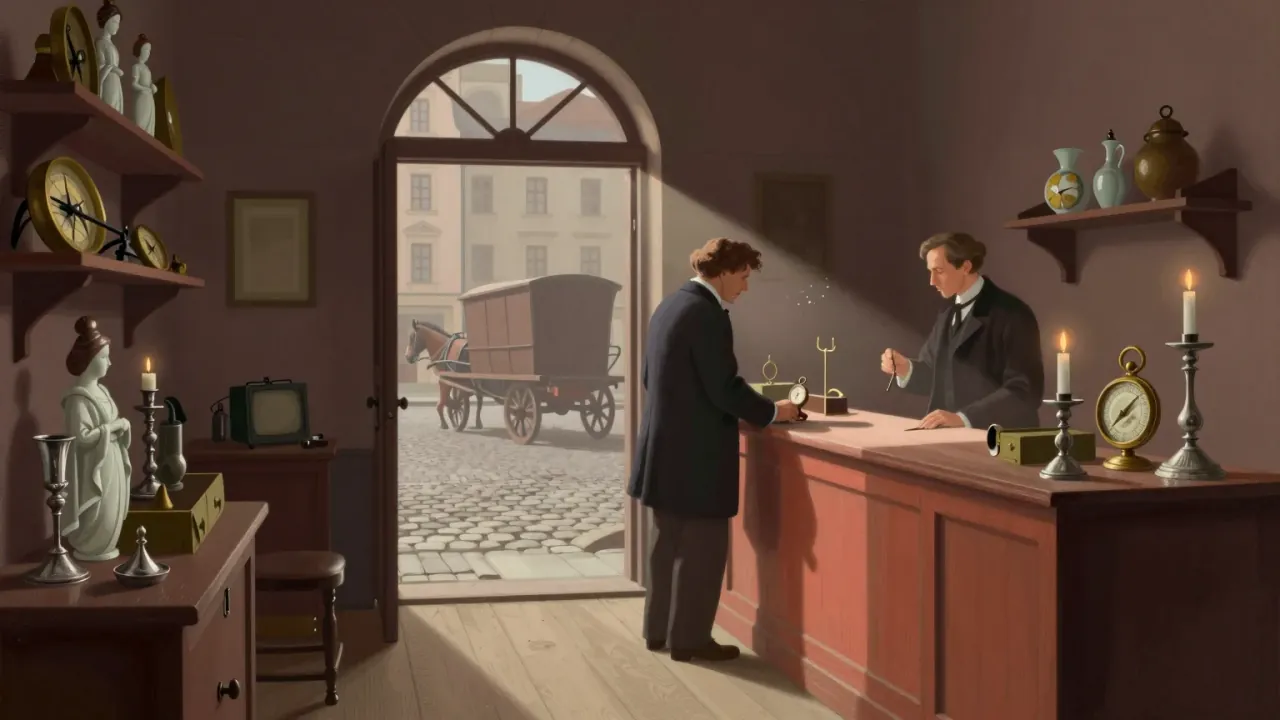
The Golem (1915) is a partially lost German silent film co-directed by Paul Wegener and Henrik Galeen, adapting Jewish folklore into a proto-horror narrative about a clay creature reawakened in modern times. With only fragments surviving — held by Deutsche Kinemathek — its story, performances, and themes remain partly speculative. It establishes the golem as autonomous yet unstable, but lacks the psychological or visual cohesion of later Weimar horror. Its value lies in lineage, not completeness.