Saved
Topic

Philosophy

The questions that stay open no matter how much is settled around them.

6
in film
13:00
average
78 min
in total
77
across the network
Philosophy across the network →
All briefs6
13:00

A Tale of Springtime

Éric Rohmer · 1990

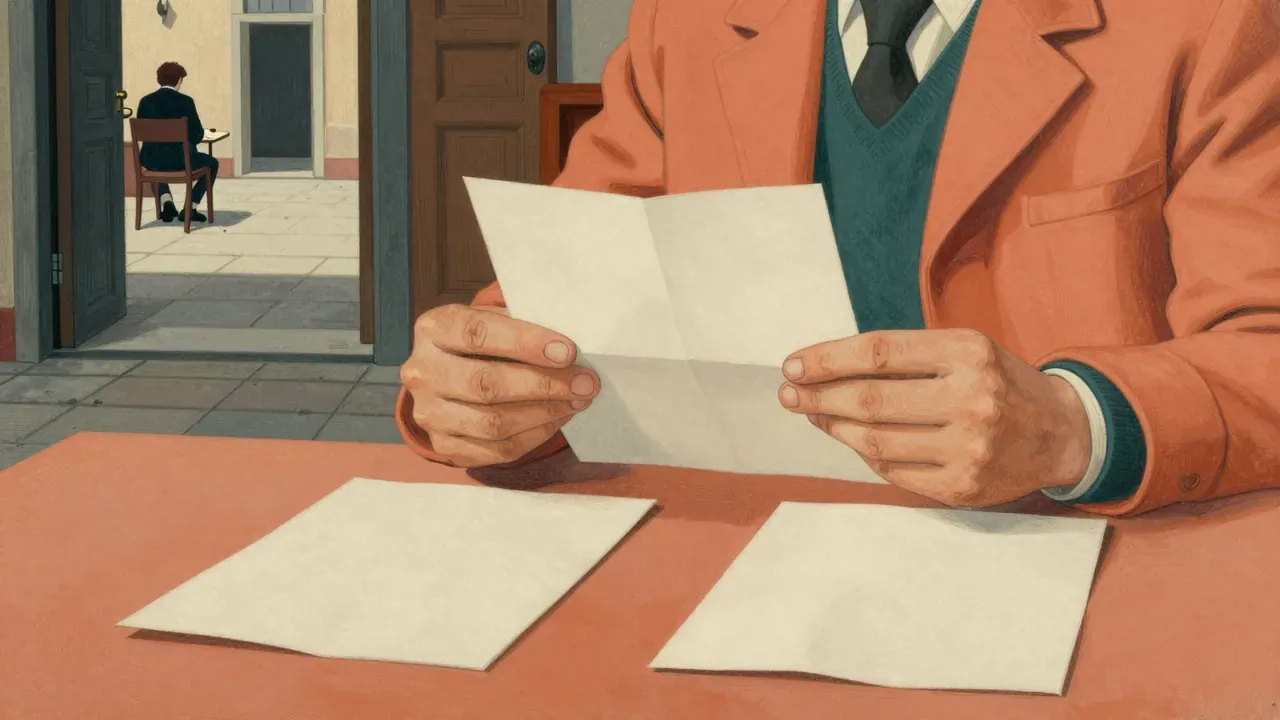
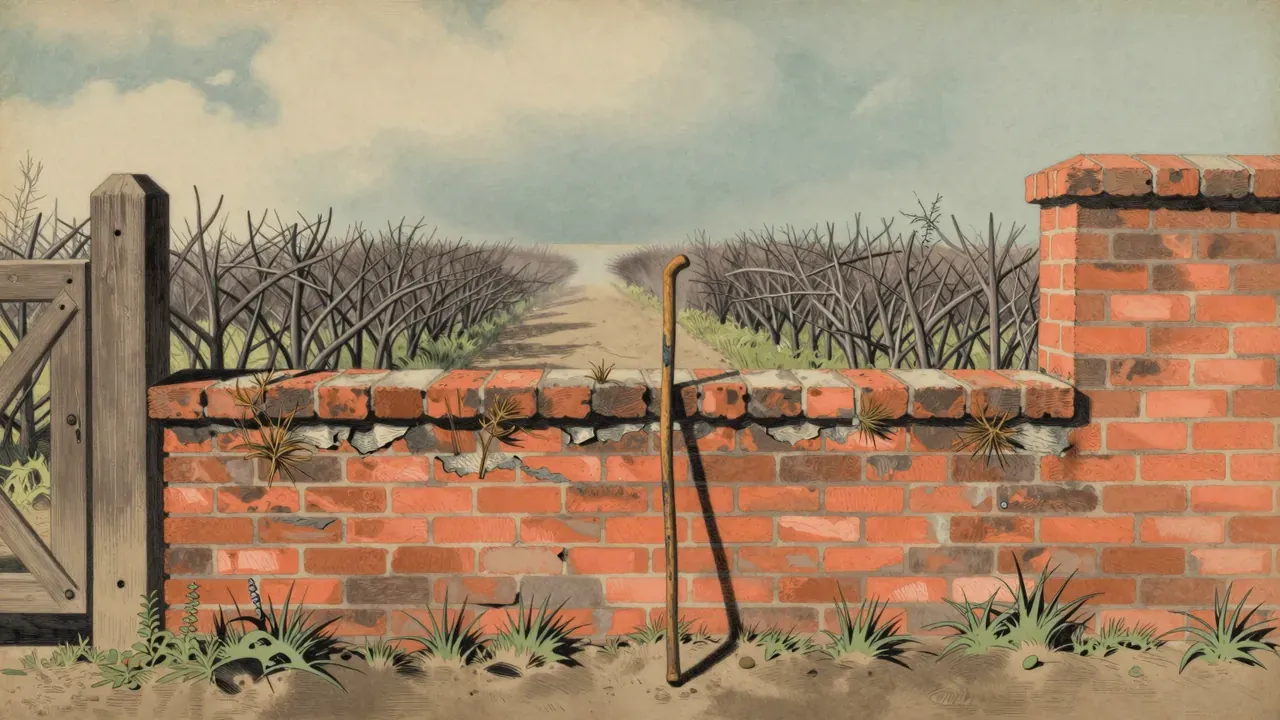
Éric Rohmer’s 1990 film follows Jeanne, a philosophy teacher, as she navigates a weekend at a country house orchestrated by her student Natacha. Through precise dialogue, restrained performances, and unhurried pacing, the film charts Jeanne’s gradual realisation that she is being slotted into an existing relational pattern—and her decision to step out of it. Shot by Luc Pagès and scored sparingly with Beethoven, it is the first of Rohmer’s ‘Tales of the Four Seasons’.
13:00

Blaise Pascal

Roberto Rossellini · 1972

Roberto Rossellini’s 1972 biographical film follows Blaise Pascal’s intellectual and spiritual path from scientific prodigy to Jansenist recluse. Starring Pierre Arditi and shot by Mario Fioretti, it prioritises fidelity to Pascal’s writings over dramatic convention, using restrained performance, flat natural lighting, and sparse music to render ideas as embodied acts. It lands most strongly as a study of intellectual exhaustion and the physical cost of certainty — but falters in situating Pascal’s ideas within their historical and political consequences.

13:00

Cartesius

Roberto Rossellini · 1974

Roberto Rossellini’s 1974 biographical film Cartesius follows René Descartes’ intellectual discipline across 152 minutes of restrained, daylight-lit scenes. Starring Ugo Cardea and scored by Mario Nascimbene, it treats philosophy as embodied practice — writing, walking, pausing, revising — rather than as doctrine or drama. Produced by Renzo Rossellini, it belongs to Rossellini’s late pedagogical phase, prioritising method over myth.

13:00

My Night at Maud's

Éric Rohmer · 1969

Set over Christmas in Clermont-Ferrand, Éric Rohmer’s 1969 film follows a Catholic engineer as he navigates conversations about faith, desire, and choice with three other single people. Built around Pascal’s wager and shot in natural light by Néstor Almendros, it privileges dialogue, hesitation, and quiet observation over plot or resolution. Its moral architecture rests on what is said, unsaid, deferred — and how it is said.

13:00

Salò, or the 120 Days of Sodom

Pier Paolo Pasolini · 1975

Pasolini’s final film transposes de Sade’s novel to Mussolini’s puppet republic in 1944, depicting four fascist libertines who subject eighteen teenagers to escalating physical, sexual and psychological violation over four months. Structured like Dante’s Inferno and shot with forensic restraint by Tonino Delli Colli, it treats cruelty as bureaucracy and the body as commodity. Its themes — power, nihilism, fascism, consumerism — are rendered without ornament or release. Controversial on release and banned in several countries, it remains a demanding, unflinching inquiry into authority unmoored from consequence.

13:00

The Thin Red Line

Terrence Malick · 1998

Terrence Malick’s 1998 return to filmmaking is a philosophical war film set during the Guadalcanal campaign. Eschewing narrative drive and military exposition, it lingers on interior states, natural imagery and fragmented voiceover to ask what war does to consciousness. Shot by John Toll in Queensland and the Solomon Islands, edited to a meditative rhythm and scored by Hans Zimmer, it features a large ensemble cast led by Jim Caviezel and Sean Penn. Though nominated for seven Academy Awards and awarded the Golden Bear, its resistance to convention divides viewers.