filmbriefs
Topic

Germany

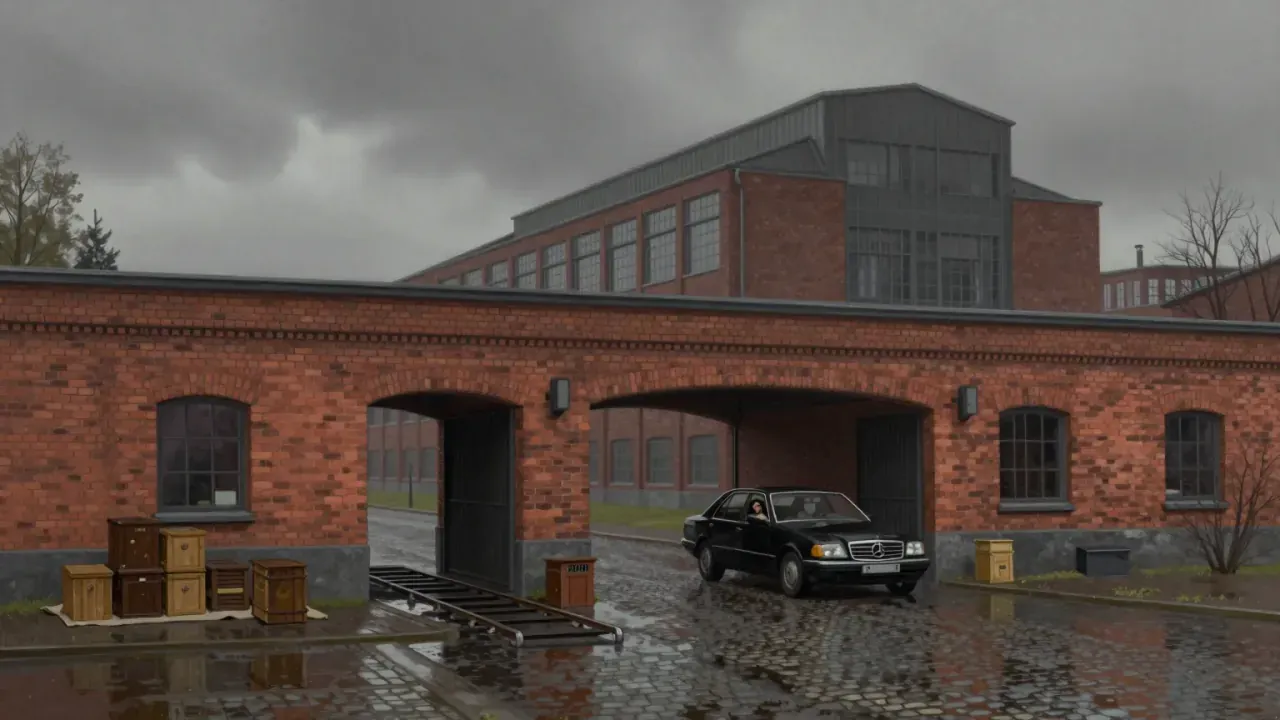
A nation assembled late, undone twice, and rebuilt on the memory of both.

4
in film
13:00
average
52 min
in total
66
across the network
Germany across the network →
All briefs4
13:00

Germany, Year Zero

Roberto Rossellini · 1948

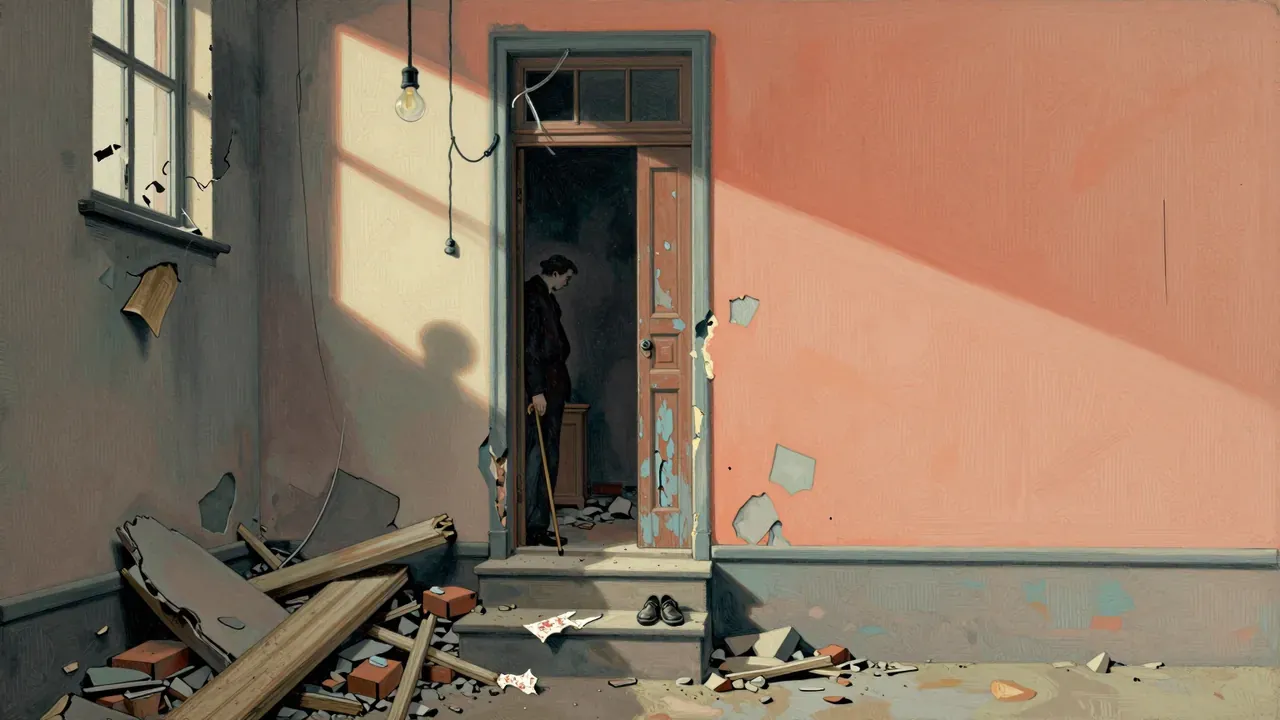
Roberto Rossellini’s 1948 drama follows twelve-year-old Edmund Köhler in ruined Berlin, where hunger, ideological debris, and adult failure converge on a single child’s conscience. Shot partly on location and partly in Rome studios, it uses non-professional actors and restrained craft to trace a quiet, logical descent into moral collapse — ending not with outcry, but with silence and a jump from rubble.
13:00

The Marriage of Maria Braun

Rainer Werner Fassbinder · 1979

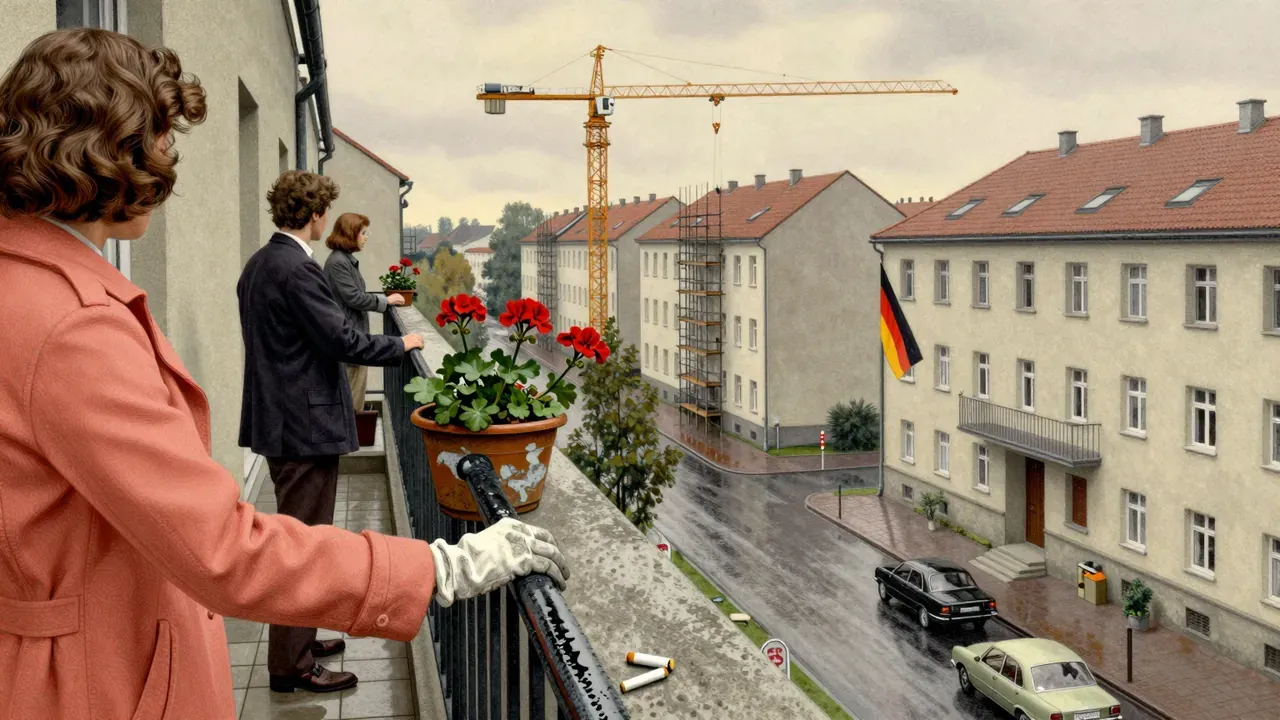
Rainer Werner Fassbinder’s 1979 drama follows Maria Braun from her wartime wedding through fifteen years of survival, ambition, and moral compromise in postwar West Germany. Hanna Schygulla’s restrained performance anchors a film that charts national recovery through private sacrifice — loyalty weaponised, love instrumentalised, and agency steadily dissolved. Shot by Michael Ballhaus and scored by Peer Raben, it is the first of Fassbinder’s BRD Trilogy.

13:00

The Serpent's Egg

Ingmar Bergman · 1977

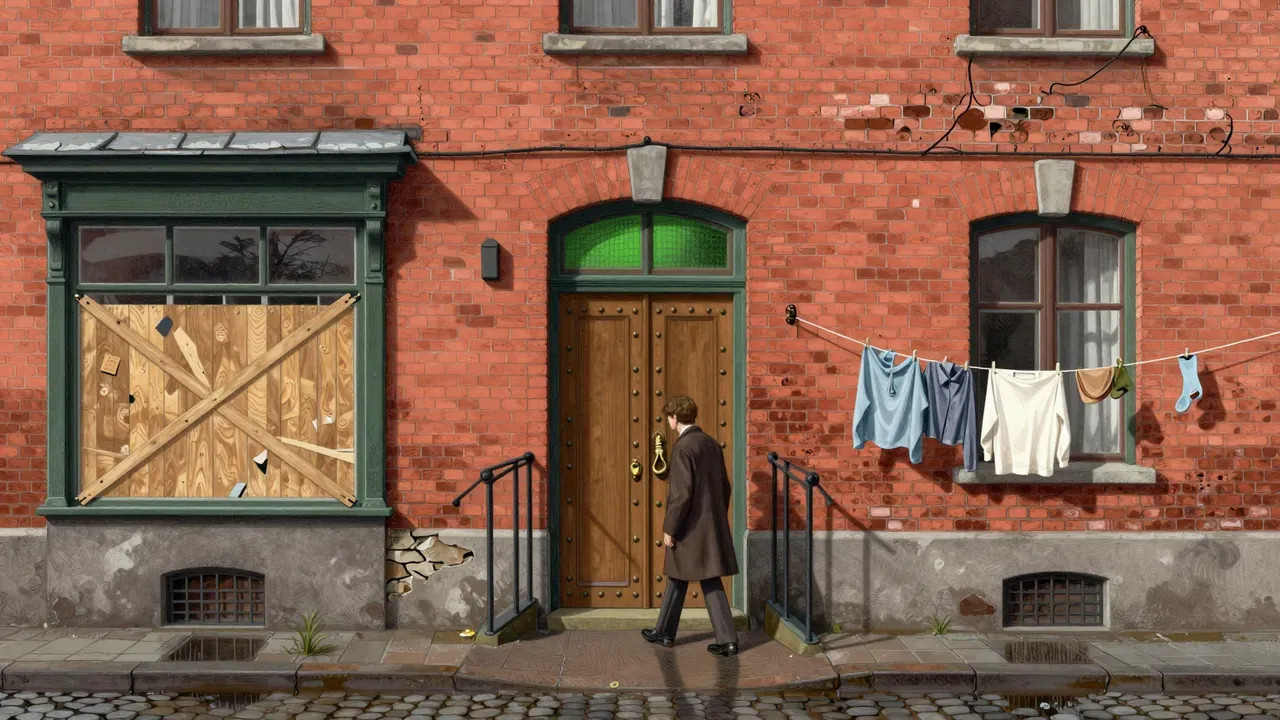
Set in 1923 Berlin, Ingmar Bergman’s The Serpent’s Egg follows Abel Rosenberg, a broken trapeze artist drawn into a world of medical experimentation, prostitution, and state surveillance. Shot in Munich with Sven Nykvist, it is a deliberately oppressive drama about the moral erosion preceding fascism — technically assured but narratively opaque, admired by some for its austerity, dismissed by others as shapeless and detached.

13:00

Fritz Lang

Gordian Maugg · 2016

Gordian Maugg’s 2016 biographical film Fritz Lang follows the director in the months before and after his 1933 departure from Weimar Germany. Starring Heino Ferch, it avoids hagiography or melodrama, instead focusing on procedural tensions — studio politics, bureaucratic pressure, and unspoken allegiances — with deliberate pacing and muted visuals. The film presumes familiarity with Lang’s work and the historical context, offering ambiguity where others might supply certainty.