Saved
Topic

Generations

A crude unit of analysis that keeps being useful anyway.

9
in film
13:00
average
117 min
in total
28
across the network
Generations across the network →
All briefs9
13:00

Autumn Sonata

Ingmar Bergman · 1978

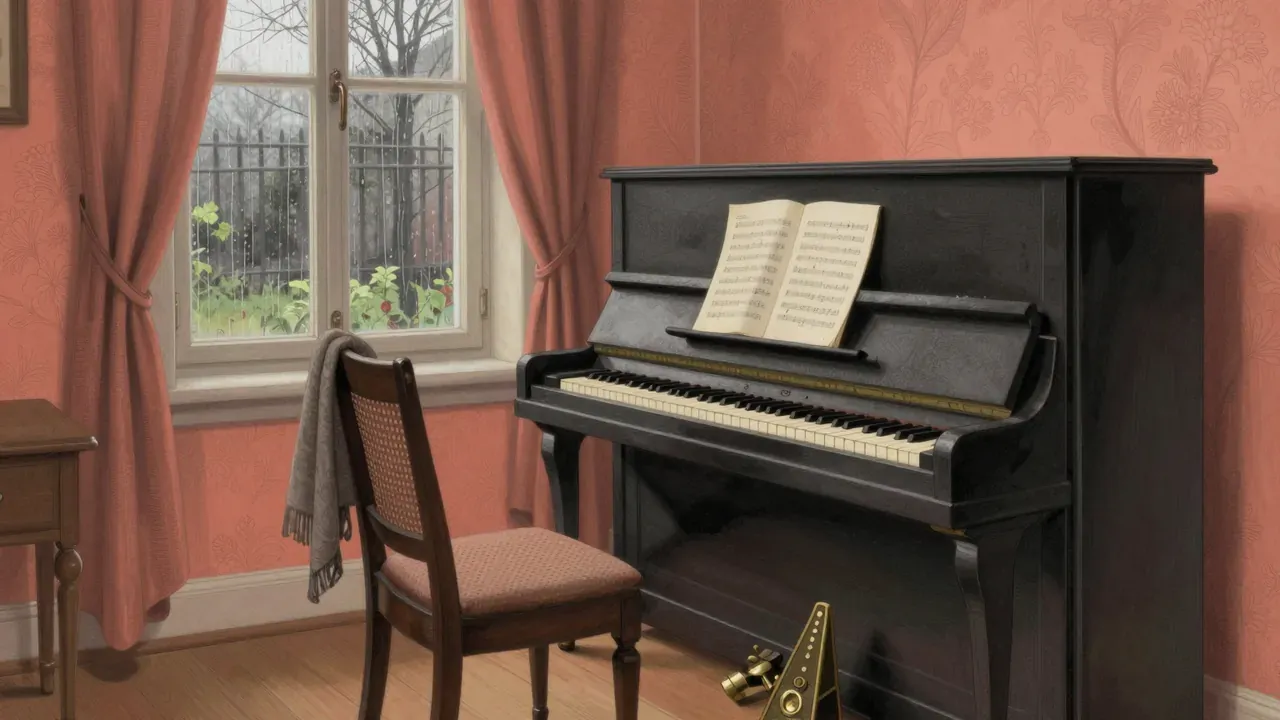
Ingmar Bergman’s 1978 drama centres on pianist Charlotte and her daughter Eva, who invite her to their rural Swedish home after seven years apart. Over two days, suppressed grief, resentment, and guilt surface in a series of tightly framed confrontations. Shot by Sven Nykvist in muted tones, with Chopin’s Prelude No. 2 as its only musical motif, the film sustains emotional intensity through stillness, silence, and the physical proximity of Ingrid Bergman and Liv Ullmann. It is Bergman’s last theatrically released film and Ingrid Bergman’s final screen role.
13:00

Early Spring

Yasujirō Ozu · 1956

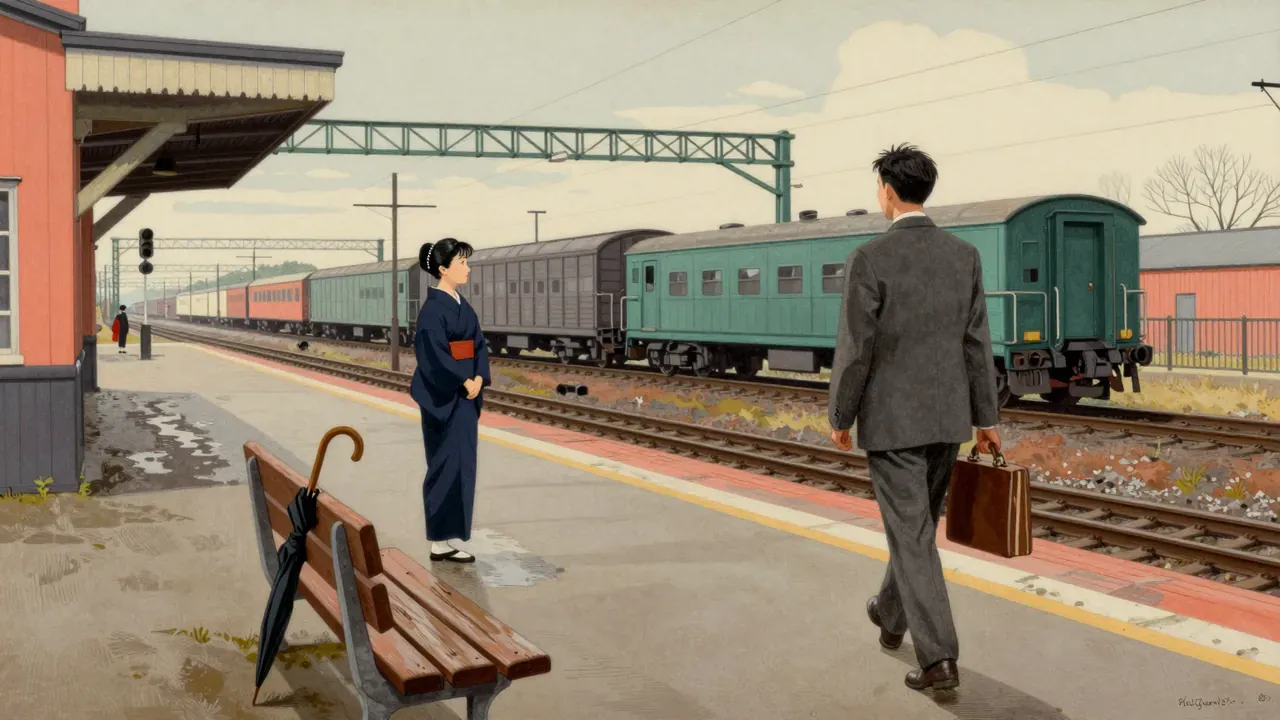
Yasujirō Ozu’s 1956 drama follows a Tokyo salaryman whose affair with a colleague unravels his marriage not through melodrama but through accumulated silences, routine, and unspoken grief. Shot in restrained black and white, it replaces Ozu’s usual generational tensions with a study of white-collar disillusionment — quiet, precise, and anchored in the physical details of postwar Japanese domestic and office life.

13:00

Early Summer

Yasujirō Ozu · 1951

Yasujirō Ozu’s 1951 drama observes Noriko, a 28-year-old Tokyo secretary, as her extended family gently pressures her to marry — then watches, with quiet precision, as she chooses a path that fractures their domestic equilibrium. Set in Kamakura and rural Japan, the film traces the emotional residue of that choice through restrained performances, static compositions, and a structure built on absence and repetition rather than conflict or resolution.

13:00

Equinox Flower

Yasujirō Ozu · 1958

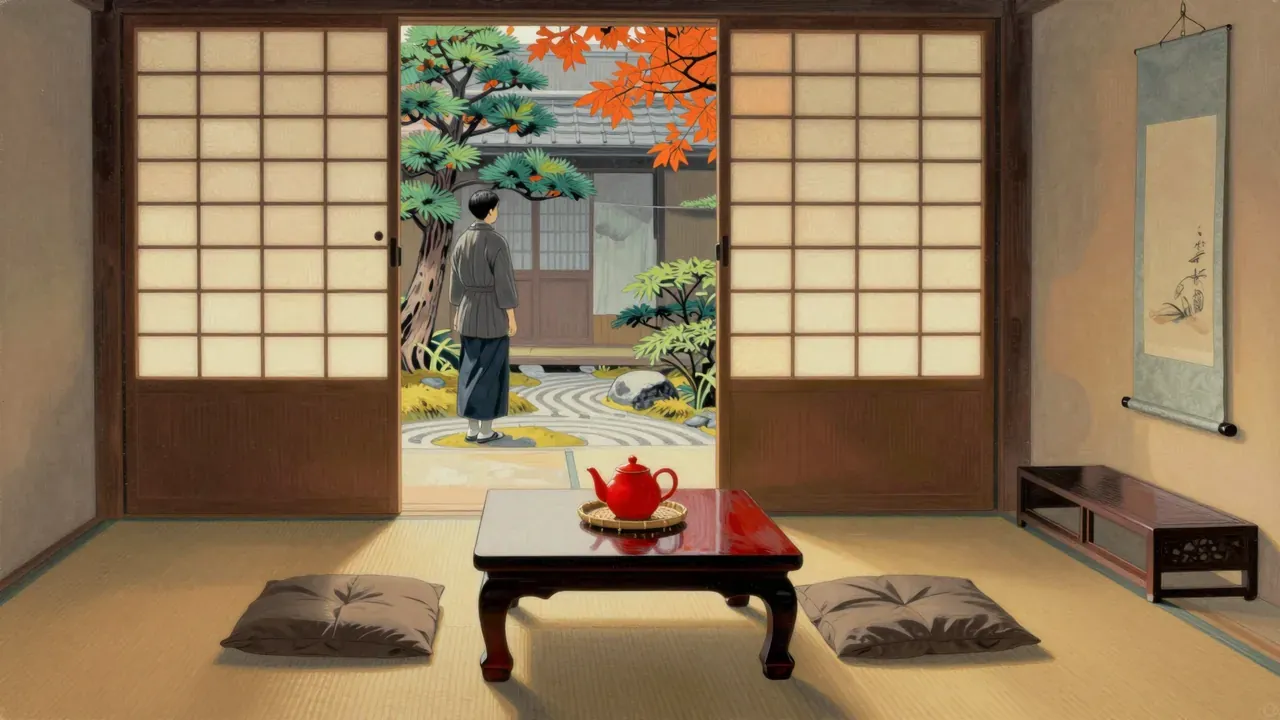
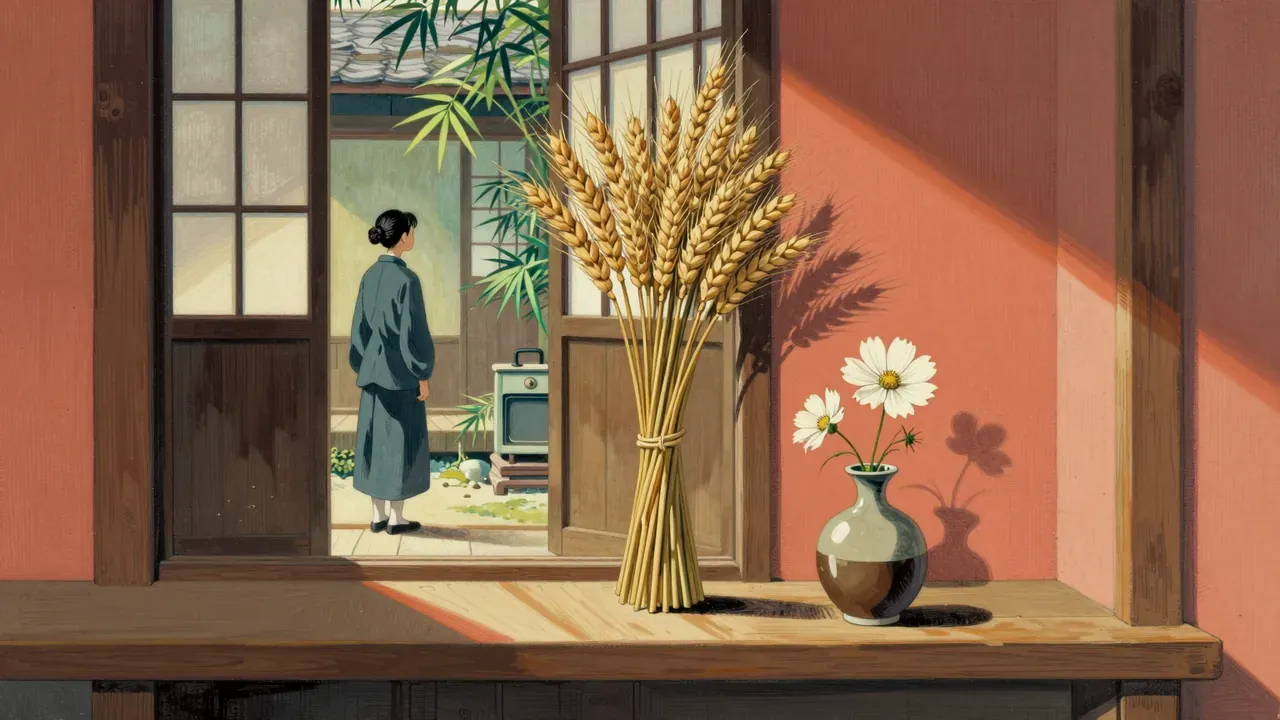
Equinox Flower (1958) is Yasujirō Ozu’s first colour feature—a domestic comedy tracing a Tokyo businessman’s reluctant acceptance of his daughter’s self-chosen marriage. Shot in Agfa colour, it observes generational friction through stillness, repetition, and muted reds, trusting the viewer to register change in posture, silence, and the movement of a teapot. Fujiko Yamamoto’s standout performance anchors a structure built on evasion and quiet reversal, not crisis or catharsis.

13:00

Kicking and Screaming

Noah Baumbach · 1995

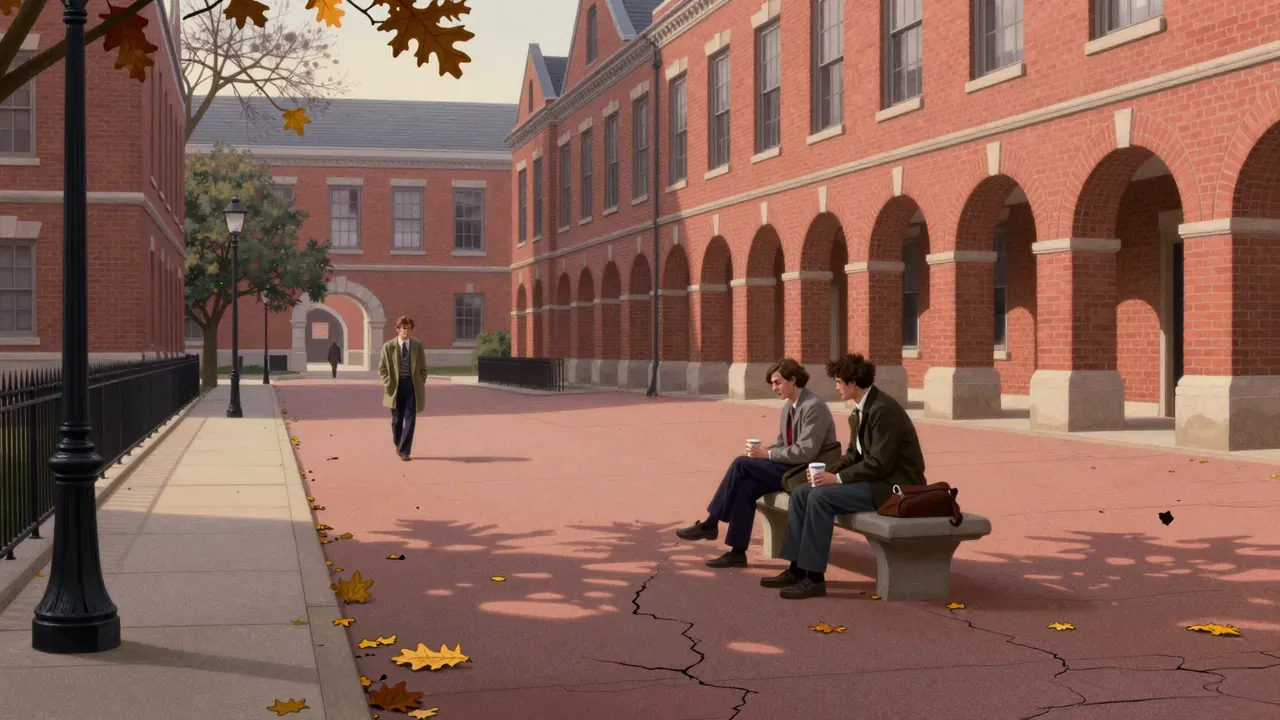
Noah Baumbach’s 1995 debut follows five college graduates who refuse to leave campus life behind, orbiting one another in the fictional town of Munton. With dry wit and precise dialogue, it renders intellectualised inertia as both comic and poignant—less a story of growth than a study in suspension.

13:00

Petite Maman

Céline Sciamma · 2021

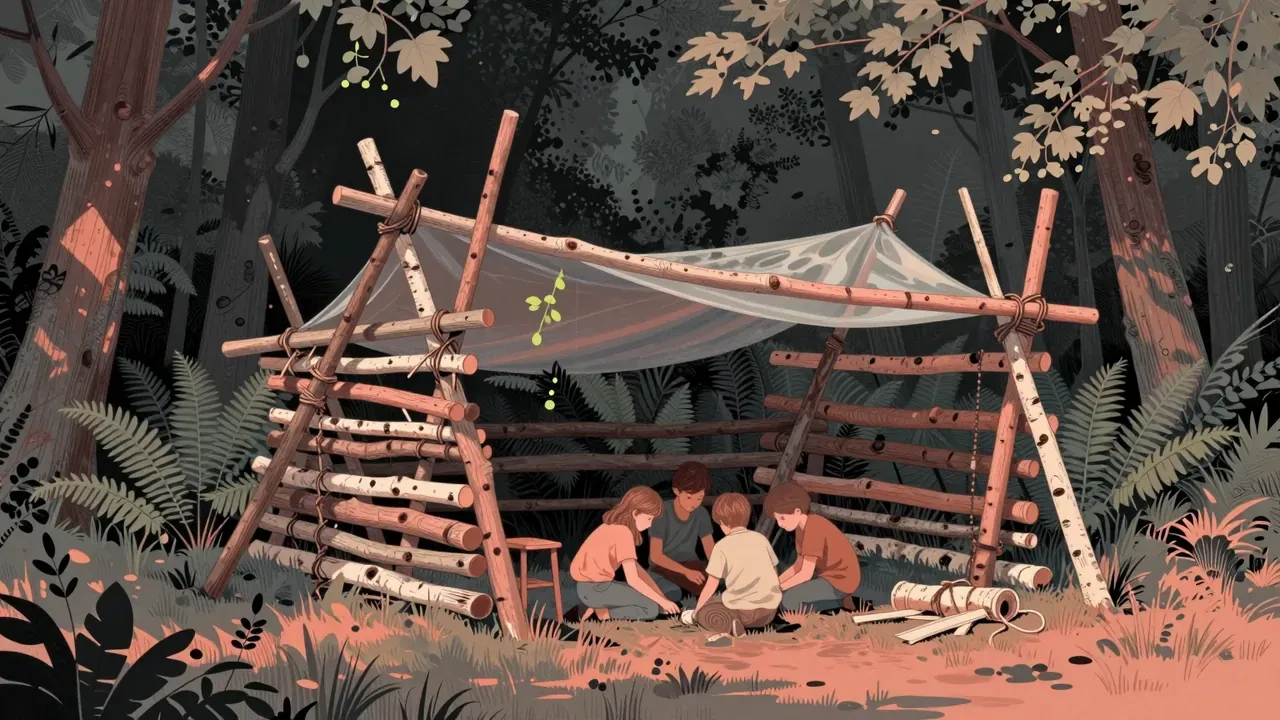
Petite Maman is a 2021 French drama written and directed by Céline Sciamma, following eight-year-old Nelly as she encounters her mother as a child in the woods near her grandmother’s empty house. Using a simple, unexplained time-loop, the film explores intergenerational grief, memory, and the quiet continuities between mothers and daughters. Shot by Claire Mathon and scored by Para One, it features twin sisters Joséphine and Gabrielle Sanz in the lead roles, alongside Nina Meurisse, Stéphane Varupenne, and Margot Abascal. Released by France 3 Cinéma, it premiered at the Berlin Film Festival and received widespread critical acclaim.

13:00

The Cousins

Claude Chabrol · 1959

Claude Chabrol’s 1959 drama follows two law students — the idealistic Charles and the jaded Paul — sharing an apartment in Paris. As Charles’s convictions erode under Paul’s effortless cynicism, the film traces the quiet transfer of worldview through proximity, culminating in an act of unintended violence. Shot by Henri Decaë and written with Paul Gégauff, it is a precisely observed, morally ambiguous study of bourgeois inertia and inherited disillusionment.

13:00

The Worst Person in the World

Joachim Trier · 2021

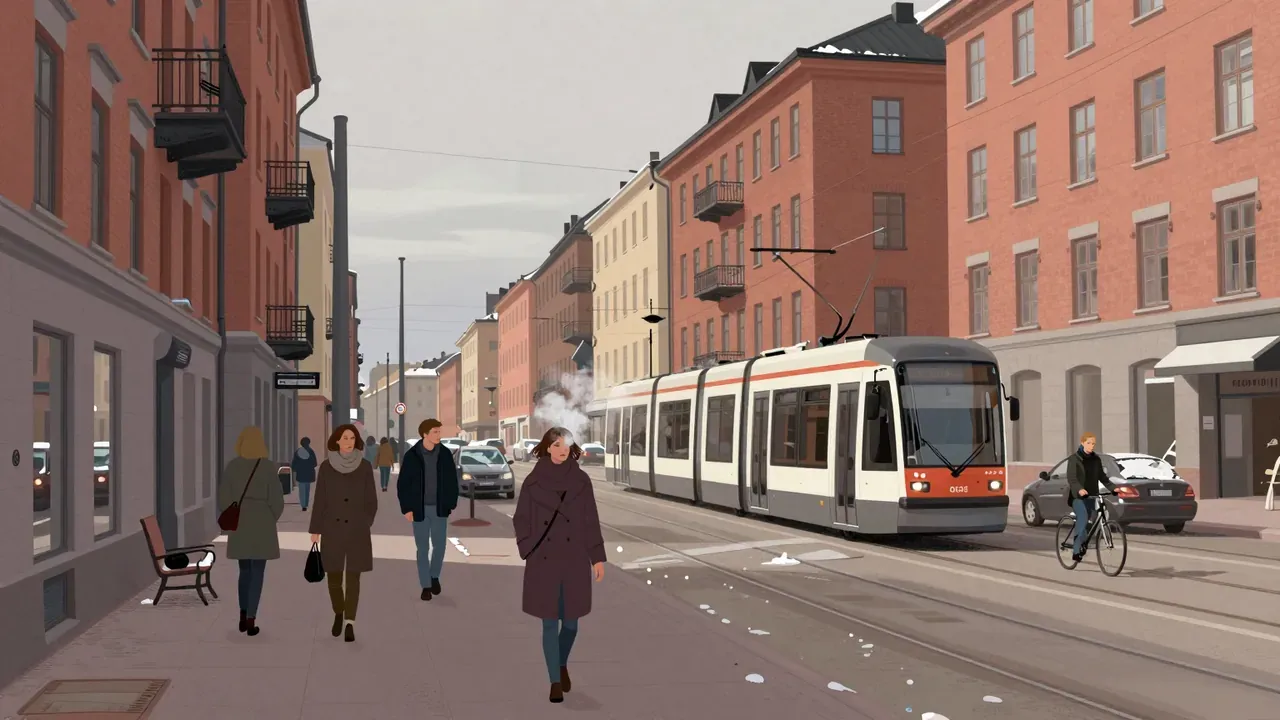
Joachim Trier’s 2021 Oslo-set drama follows Julie, a woman in her late twenties drifting between careers and relationships, as she navigates love, loss, pregnancy, and grief. Anchored by Renate Reinsve’s layered performance and Kasper Andersen’s naturalistic cinematography, the film uses a chaptered structure and subtle tonal shifts to explore self-perception, time, and the weight of expectation — without moralising, resolving, or explaining.

13:00

Tiny Furniture

Lena Dunham · 2010

Lena Dunham’s 2010 debut follows Aura, a film-school graduate who moves back into her mother’s Tribeca loft after graduation, adrift between plans and expectations. Shot on the Canon EOS 7D in eleven days, the film renders a summer of small humiliations, tentative connections, and quiet reckonings — with family, with ambition, and with the slow work of becoming adult without a script.