Saved
Topic

Decision-making

How people choose, and how those choices go wrong.

5
in film
13:00
average
65 min
in total
28
across the network
Decision-making across the network →
All briefs5
13:00

Lewat Djam Malam

Usmar Ismail · 1954

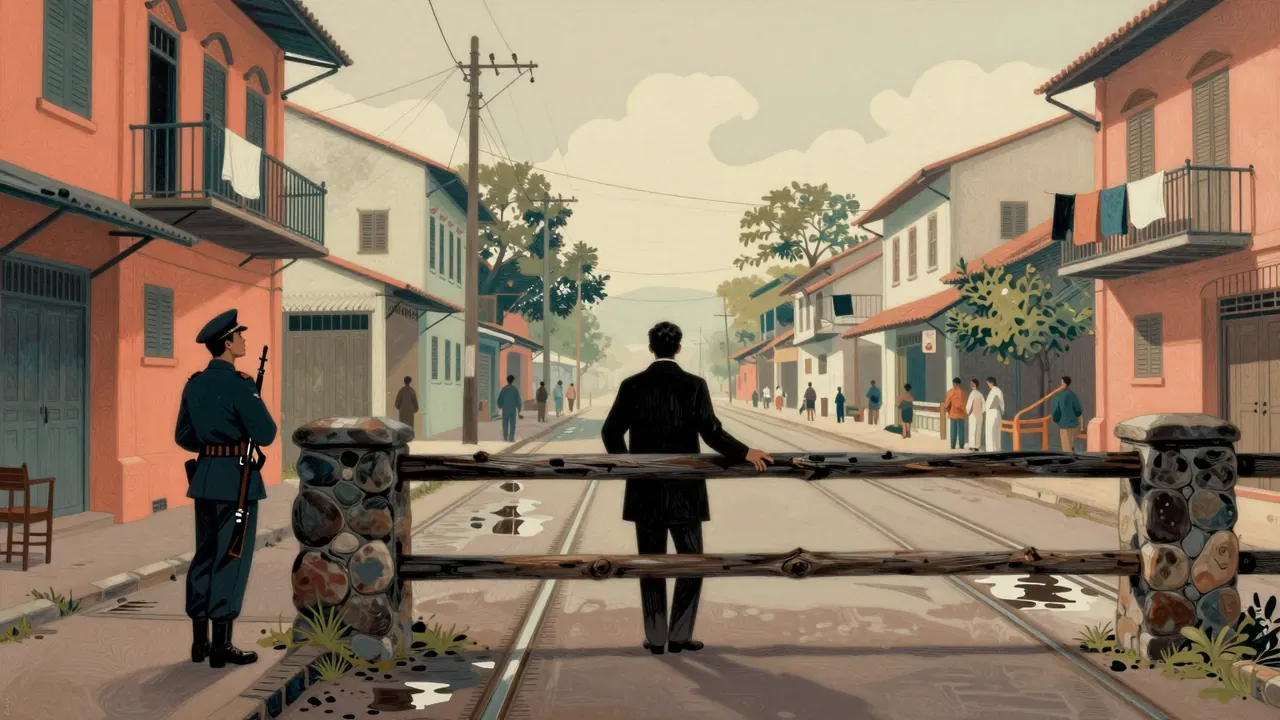
Lewat Djam Malam (1954), directed by Usmar Ismail and written by Asrul Sani, follows ex-soldier Iskandar’s rapid unraveling in post-independence Bandung. Haunted by wartime violence and alienated by peacetime hypocrisy, he moves through a landscape of compromised comrades — a contractor, a pimp, a former commander — before killing the man he once followed. Shot by Max Tera in restrained, atmospheric black-and-white, the film avoids spectacle in favour of psychological accumulation. Restored in 2012 after decades of deterioration, it remains a landmark of Indonesian arthouse realism.
13:00

Phantom India

Louis Malle · 1969

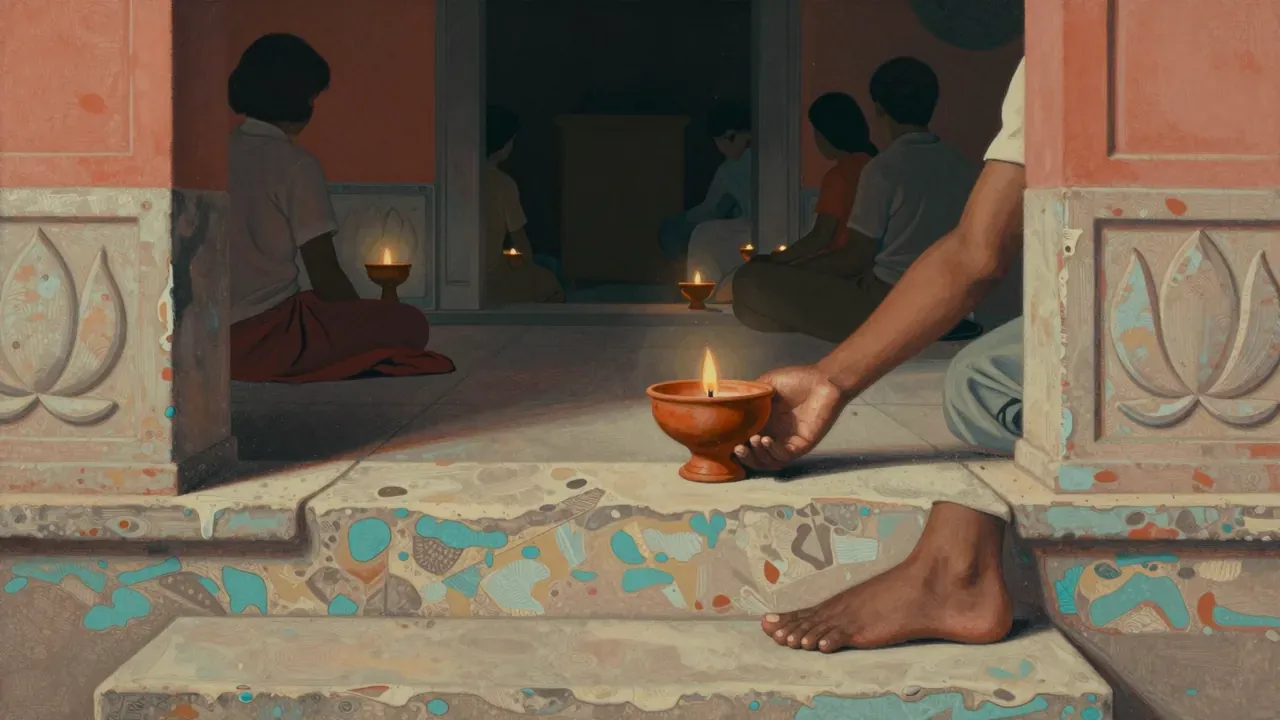
Louis Malle’s 1969 seven-part documentary Phantom India is a 378-minute observational record of India, filmed over four months in 1968 with a crew of two. Shot in French, it avoids narration, explanation, or advocacy, relying instead on long takes, ambient sound, and unmediated presence. Though praised as Malle’s most personal work, it drew criticism from the Indian government and diaspora for its focus on poverty and ritual at the expense of modernity and agency. Its endurance lies not in completeness but in its unwavering, ambiguous attention.

13:00

The New World

Terrence Malick · 2006

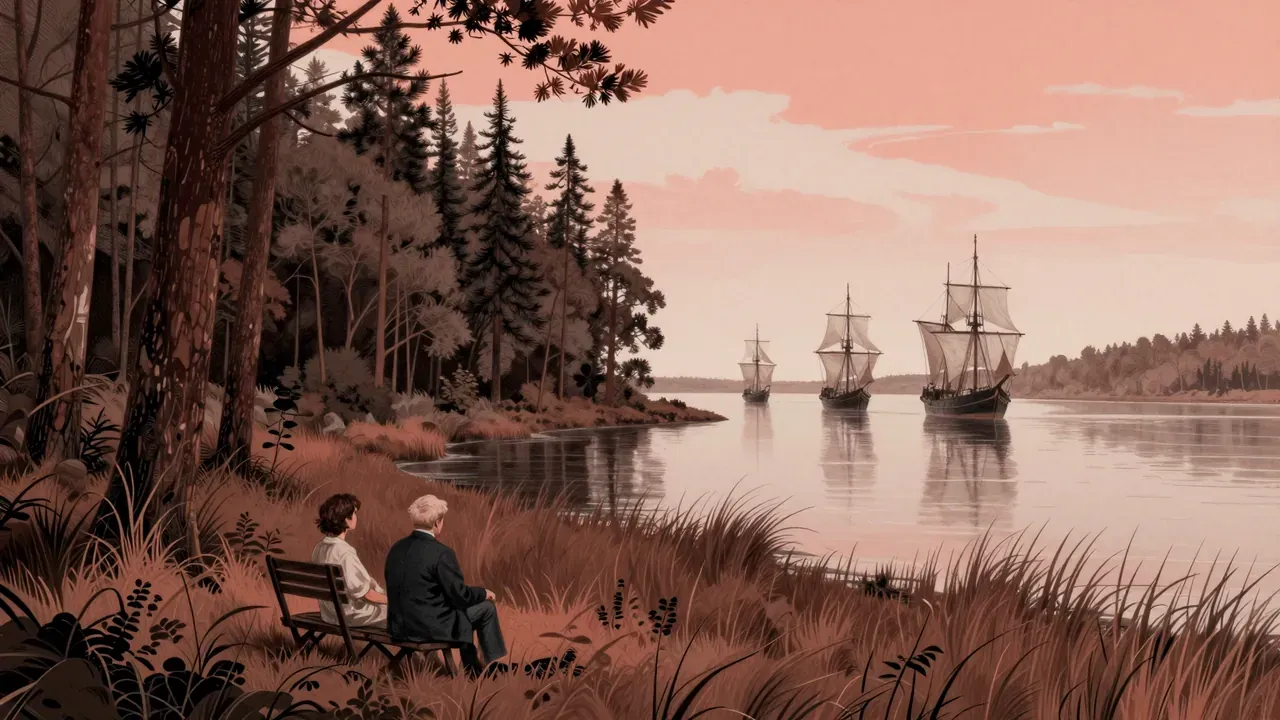
Terrence Malick’s 2006 biographical film follows Pocahontas, John Smith and John Rolfe across the founding of Jamestown, the forests of Tsenacommacah and the courts of Jacobean London. Shot by Emmanuel Lubezki and scored partly by James Horner, it privileges sensory immersion over exposition, using reconstructed Powhatan language, natural light and elliptical editing to evoke the moral and perceptual instability of early colonial encounter. Though its final act falters in narrative cohesion, its sustained tonal discipline and commitment to ambiguity make it a singular achievement in arthouse cinema.

13:00

Two Solutions for One Problem

Abbas Kiarostami · 1975

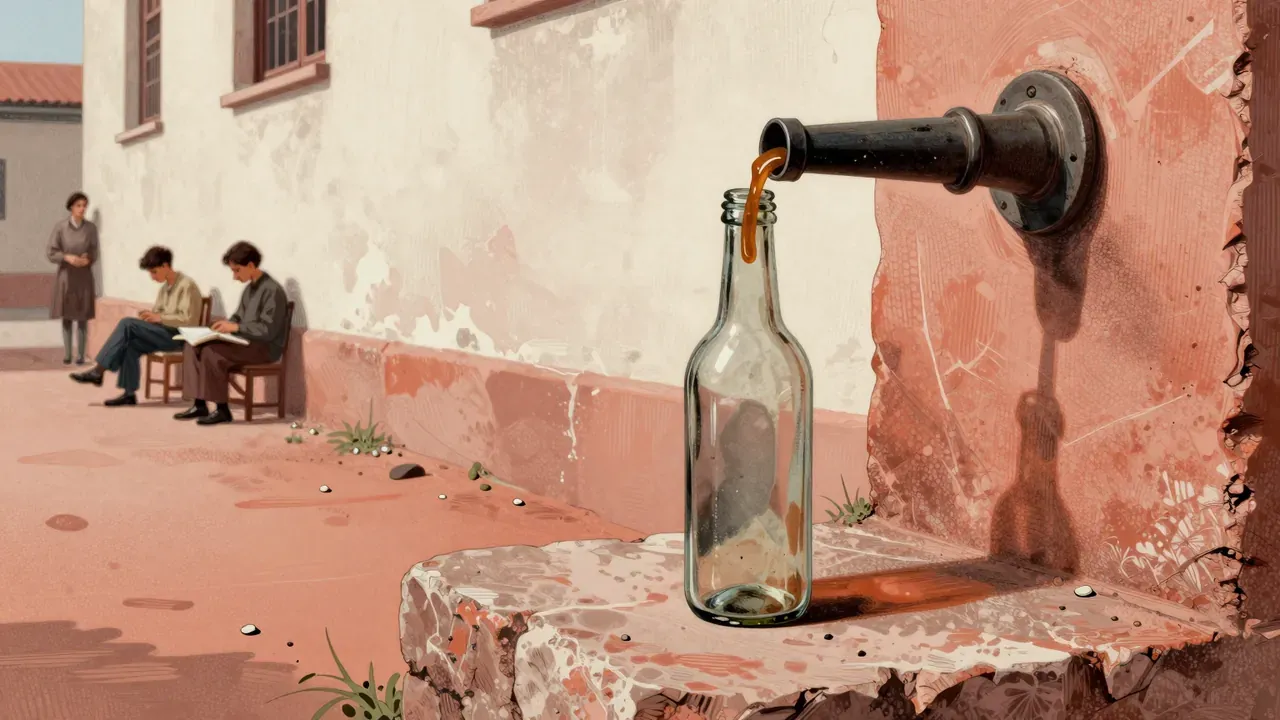
Abbas Kiarostami’s 1975 short Two Solutions for One Problem presents two parallel resolutions to a minor conflict between two Iranian schoolboys over a torn exercise book. Filmed in static, natural light with no music or narration, it isolates choice as a visible, repeatable act — not a moral pronouncement, but a behavioural fact.

13:00

Walker

Alex Cox · 1987

Alex Cox’s 1987 film Walker tells the story of American mercenary William Walker’s 1855–57 invasion of Nicaragua—but reframes it through deliberate, jarring anachronisms (helicopters, Diet Coke, modern rifles) to draw direct parallels with US policy during the Contra War. Starring Ed Harris and scored by Joe Strummer, it was shot in Granada with Sandinista cooperation and edited in situ. Uncompromising in its politics and formal rigour, it rejects historical realism in favour of structural critique.