filmbriefs
Topic

Cuba

A revolution preserved in amber, and the culture that carried on regardless.

4
in film
13:00
average
52 min
in total
10
across the network
Cuba across the network →
All briefs4
13:00

Buena Vista Social Club

Wim Wenders · 1999

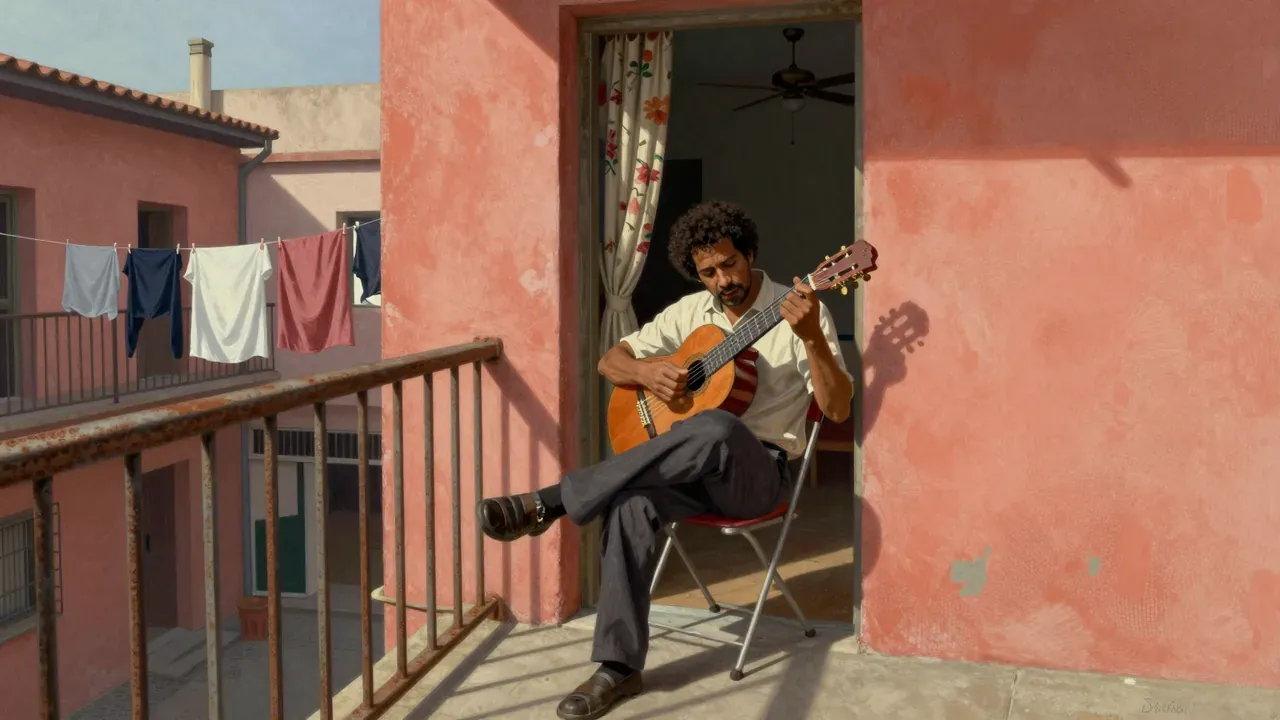
Wim Wenders’ 1999 documentary follows Cuban musicians — many in their eighties — as they record, rehearse and perform internationally. Shot in Havana, Amsterdam and New York, it relies on direct observation, unhurried interviews and full concert sequences. Jörg Widmer’s cinematography and Brian Johnson’s editing serve the music’s internal logic, not narrative urgency. The film avoids historical exposition or political critique, focusing instead on gesture, memory and ensemble discipline. It is a portrait of endurance rooted in daily practice, not myth.
13:00

I Am Cuba

Mikhail Kalatozov · 1964

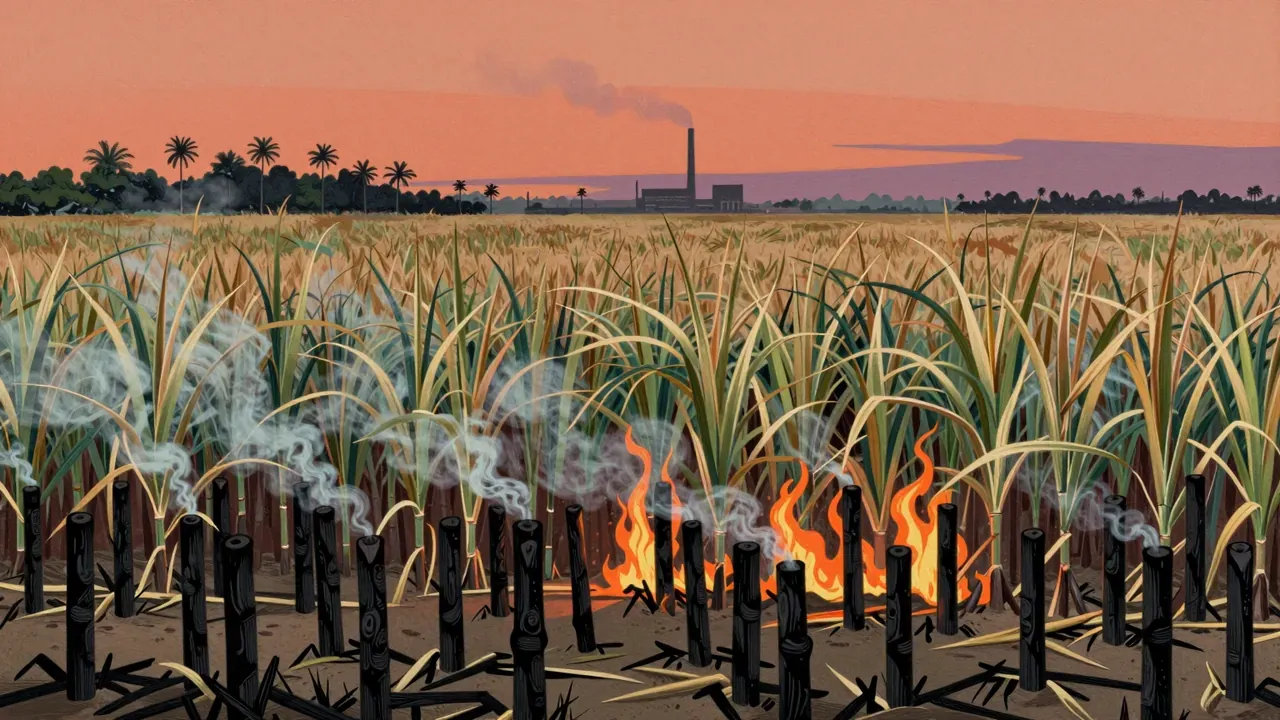
I Am Cuba (1964) is a Soviet-Cuban co-production directed by Mikhail Kalatozov, presenting four interwoven stories of Cuban life before the Revolution. Shot in stark black and white with groundbreaking long takes and extreme wide-angle lenses by Sergey Urusevsky, it traces dispossession, resistance, and political awakening through the lives of a prostitute, a sugar farmer, student activists, and a reluctant rebel. Though initially dismissed in both Havana and Moscow for its perceived detachment and ideological ambiguity, it was rediscovered in the 1990s and acclaimed for its formal daring and political gravity.

13:00

Lucía

Humberto Solás · 1968

Humberto Solás’s 1968 Cuban triptych follows three women named Lucía across 1895, 1932, and 1961—each navigating love, violence, and constraint under radically different political orders. Shot in black-and-white by Jorge Herrero, with a sparse score by Leo Brouwer, it builds meaning through repetition, restraint, and precise spatial storytelling—not exposition or uplift. Its power lies in what it refuses: resolution, explanation, and the comfort of progress narratives.

13:00

Memories of Underdevelopment

Tomás Gutiérrez Alea · 1968

Tomás Gutiérrez Alea’s 1968 drama follows Sergio, a Havana intellectual who stays behind after the Revolution while his family flees. Narrated by Sergio himself, the film interweaves his relationships, memories, and political observations with documentary footage from the era. Shot economically and with formal rigour, it presents alienation not as existential angst but as the quiet persistence of privilege amid upheaval.