filmbriefs
Topic

Argentina

European self-image, South American history, permanent economic crisis.

4
in film
13:00
average
52 min
in total
10
across the network
Argentina across the network →
All briefs4
13:00

Gilda

Charles Vidor · 1946

A 1946 Columbia Pictures drama starring Rita Hayworth and Glenn Ford, directed by Charles Vidor. Set in an artificial Buenos Aires, it traces the toxic, circular relationship between a gambler, his boss’s wife, and the boss himself — all rendered in high-contrast black-and-white, with precise performances and deliberate pacing. Though framed as noir, its concerns are psychological and performative, not procedural.

13:00

Happy Together

Wong Kar-wai · 1997

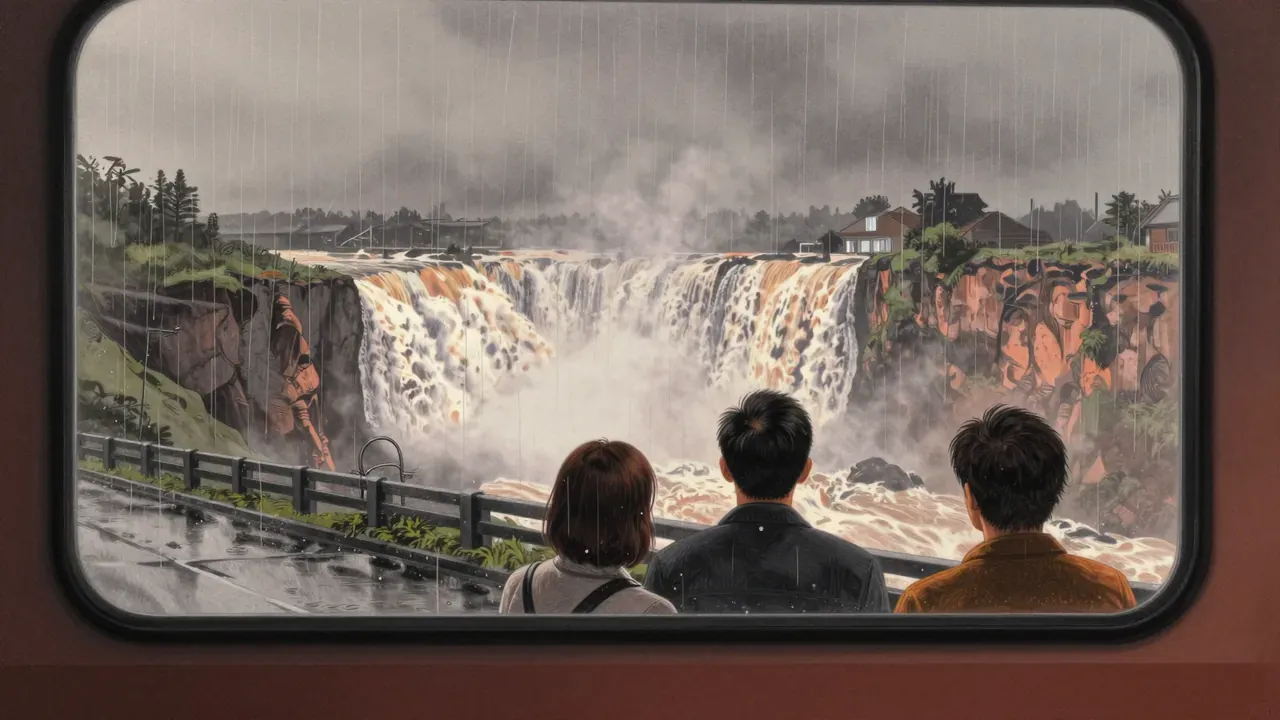
Happy Together (1997) follows two Hong Kong men whose turbulent relationship fractures during a trip to Argentina. Directed by Wong Kar-wai and shot by Christopher Doyle, it uses saturated, grainy imagery, South American music, and elliptical structure to explore memory, displacement, and the quiet aftermath of love. Tony Leung and Leslie Cheung anchor the film with restrained, physically precise performances. It is less a story about reconciliation than about learning to live alongside absence.

13:00

La Ciénaga

Lucrecia Martel · 2001

Lucrecia Martel’s 2001 debut is a rigorously observed Argentine drama set in the Salta highlands, following a dissolute bourgeois family over a listless summer. Eschewing plot and psychology, it builds its world through ambient sound, fragmented dialogue, and low-angle, sun-drenched cinematography. The film’s power lies in its sustained atmosphere of inertia — moral, social, climatic — and its refusal to offer resolution, explanation, or redemption.

13:00

Prisioneros de la tierra

Mario Soffici · 1939

Prisioneros de la tierra (1939), directed by Mario Soffici, follows Esteban Podeley, a mensú labourer trapped on a remote yerba mate plantation owned by the ruthless Köhner. Through restrained performances, dense cinematography by Pablo Tabernero, and Lucio Demare’s austere score, the film renders systemic oppression as bodily fact — heat, debt, silence, and jungle as active forces. Its tragedy lies not in grand betrayal but in accumulated erosion: a father’s drunken misstep, a lover’s missed rendezvous, a bullet that ends not a struggle but a question. Restored in 2019 from prints held abroad, it remains a foundational work of Argentine social realism — uncompromising, unsentimental, and enduringly urgent.