filmbriefs
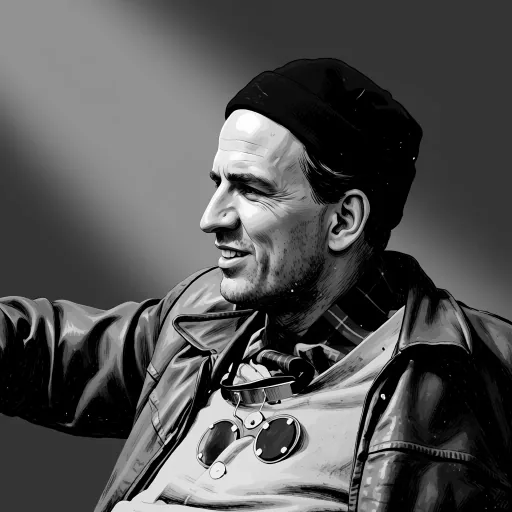
Cinematographer

Sven Nykvist

8
briefs
13:00
average
104 min
in total
On film.briefs8
13:00

The Sacrifice

Andrei Tarkovsky · 1986

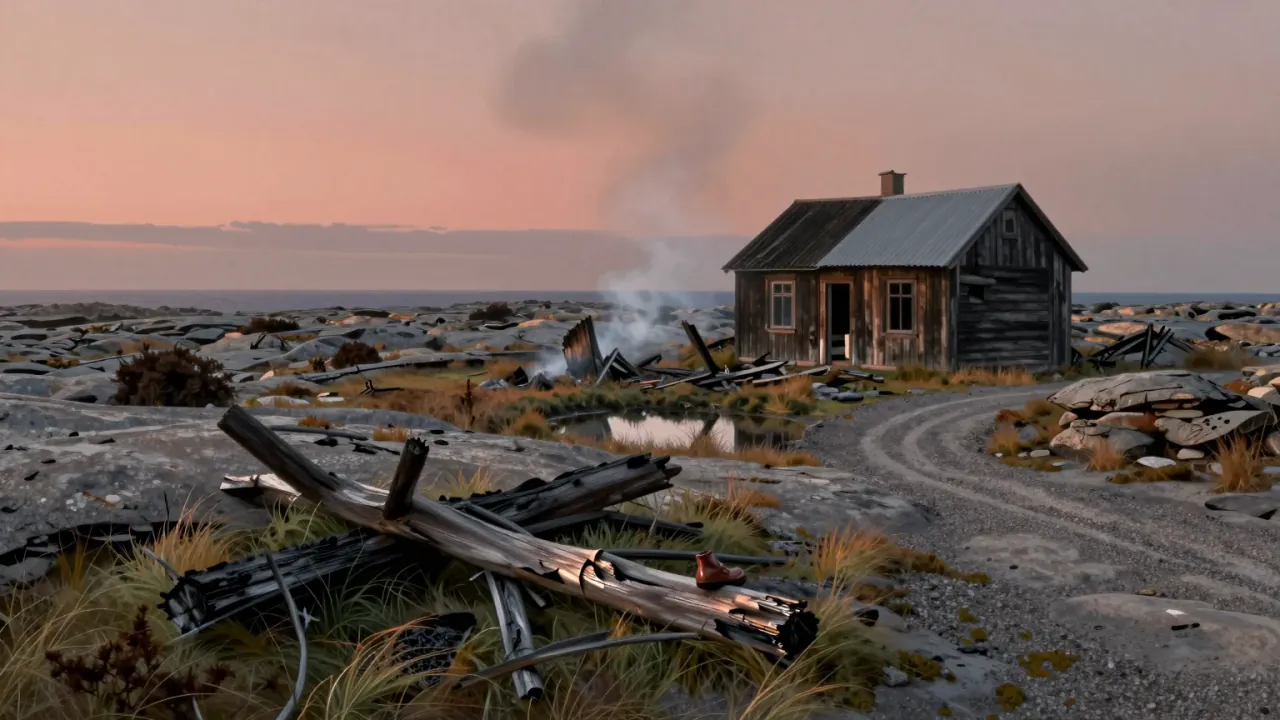
Andrei Tarkovsky’s 1986 Swedish-language drama The Sacrifice follows Alexander, an intellectual who vows to renounce all he loves if God will undo the outbreak of nuclear war. Shot by Sven Nykvist on Gotland, it uses long takes, Bach’s St Matthew Passion, and radical colour reduction to build a poetic parable about language, faith and consequence. Though awarded the Cannes Grand Prix, its austere form divides viewers: some find its silence profound, others its resolution evasive. It is Tarkovsky’s last completed film.

13:00

Cries and Whispers

Ingmar Bergman · 1972

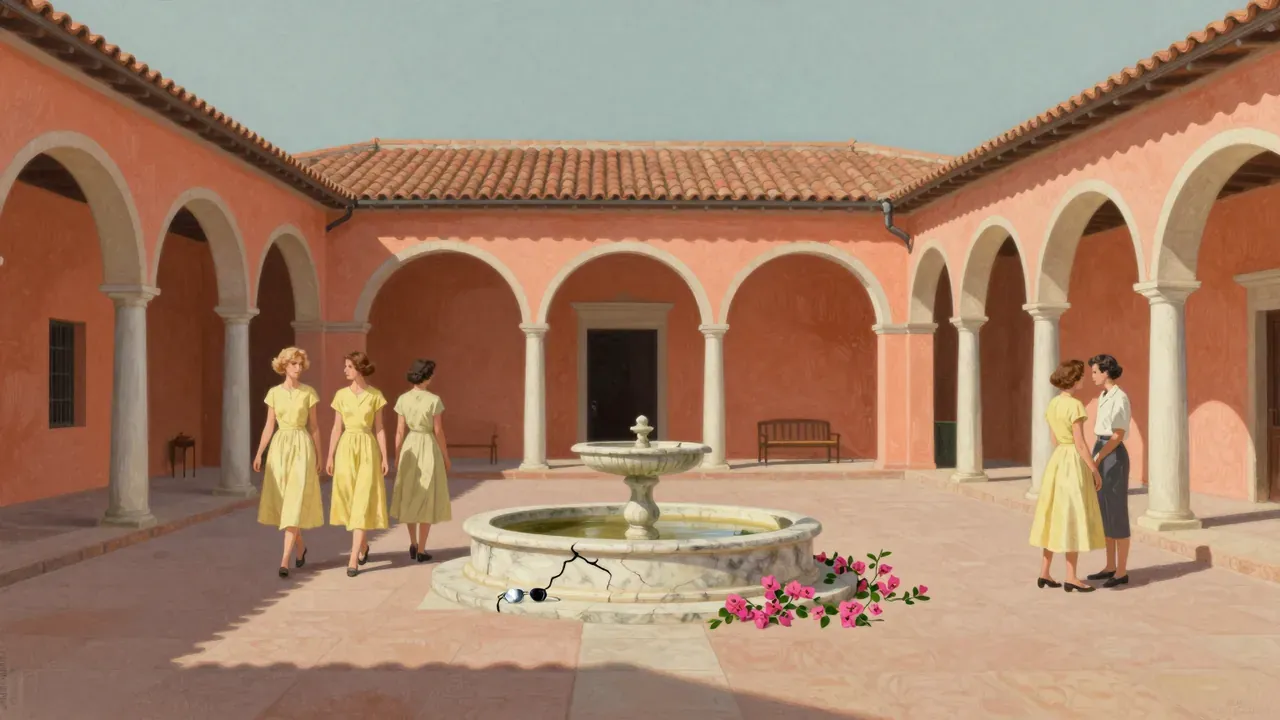
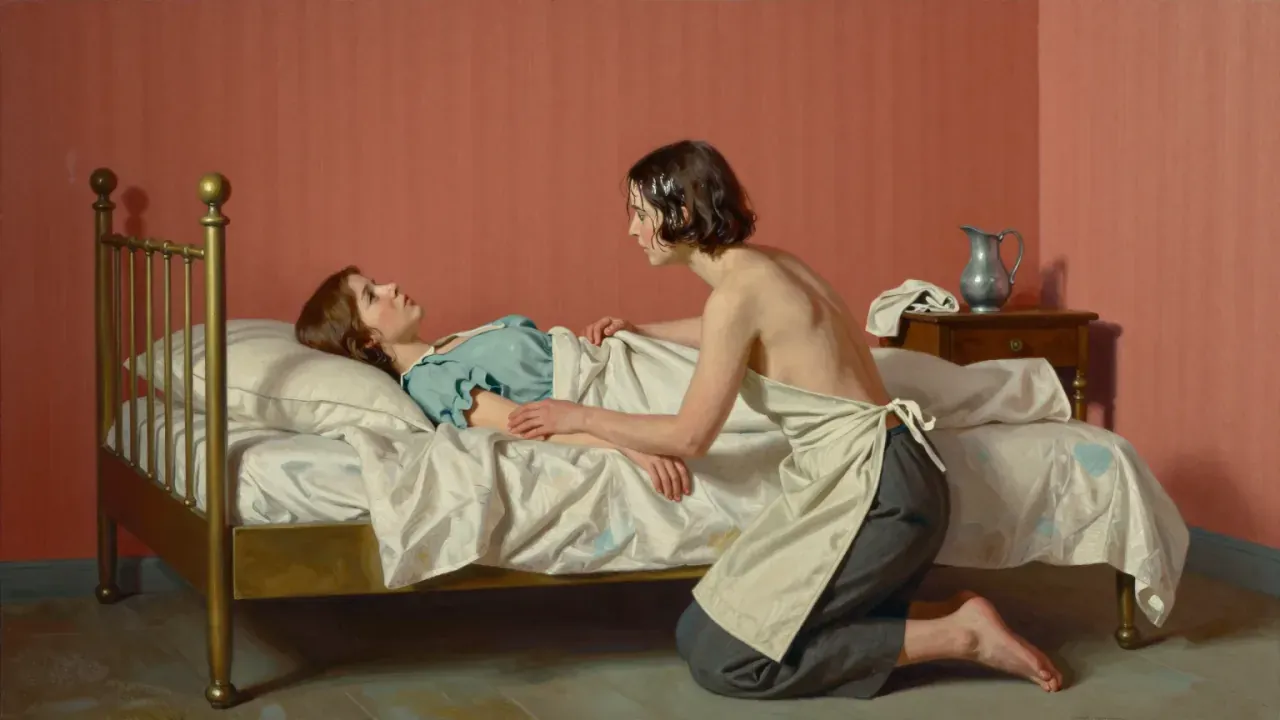
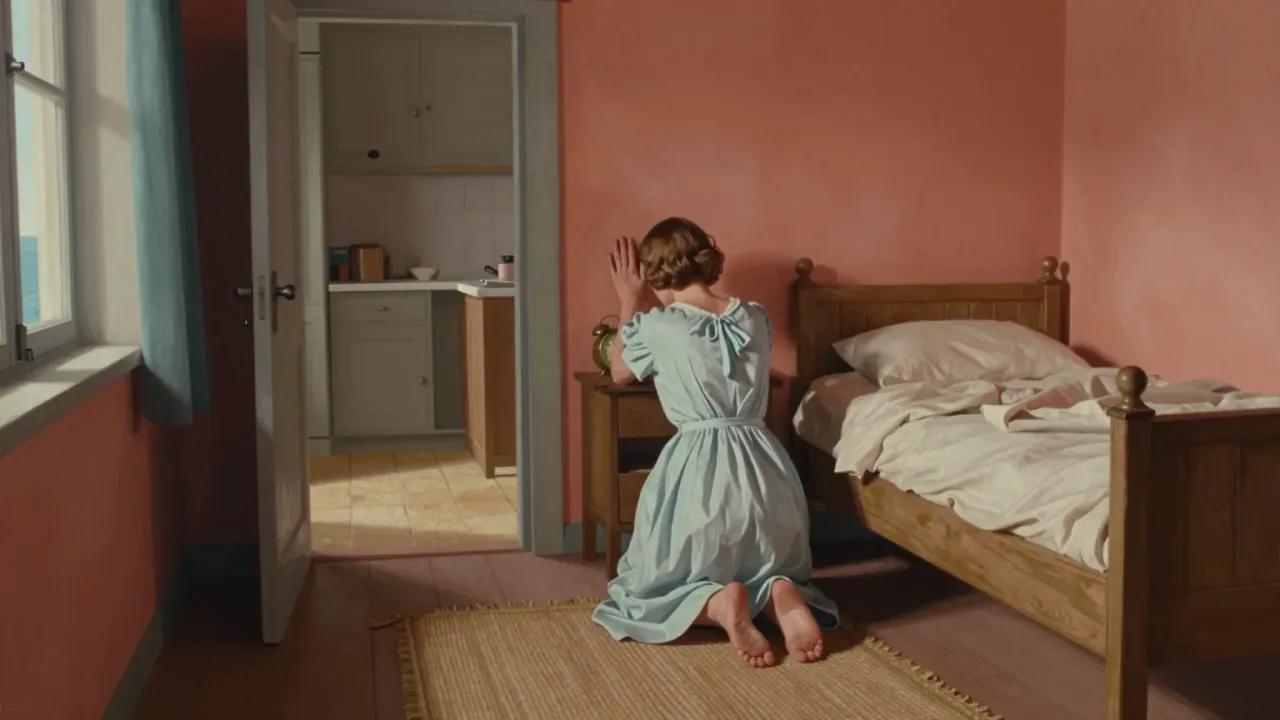
Ingmar Bergman’s 1972 Cries and Whispers is a formally rigorous Swedish drama set in a red-walled 19th-century mansion, where three sisters and a maid attend to Agnes as she dies of cancer. Shot by Sven Nykvist in saturated colour, it prioritises gesture, texture and duration over exposition or psychology, treating grief, faith and intimacy as bodily, not verbal, conditions. It won the Academy Award for Best Cinematography and remains a benchmark of arthouse restraint.

13:00

Fanny and Alexander

Ingmar Bergman · 1982

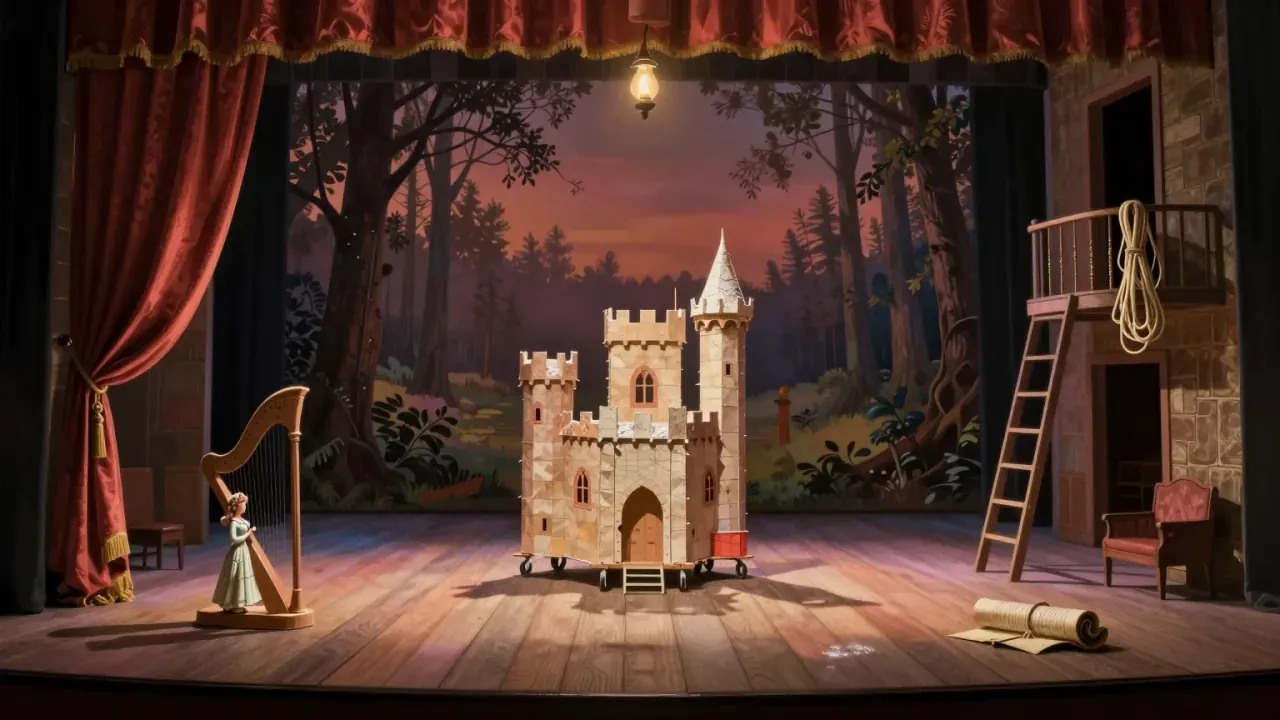
Fanny and Alexander is Ingmar Bergman’s semi-autobiographical 1982 drama, set in early-1900s Uppsala. It follows siblings Fanny and Alexander as their family fractures after their father’s death and their mother’s remarriage to a rigid bishop. Shot by Sven Nykvist and designed with meticulous period detail, the film contrasts the warmth of the theatrical Ekdahl household with the austerity of ecclesiastical authority. Though conceived as Bergman’s final feature, its generosity of attention, layered performances, and tactile realism make it a defining work of Swedish cinema — and a rare film where domestic life feels mythic without losing its weight.

13:00

Scenes from a Marriage

Ingmar Bergman · 1974

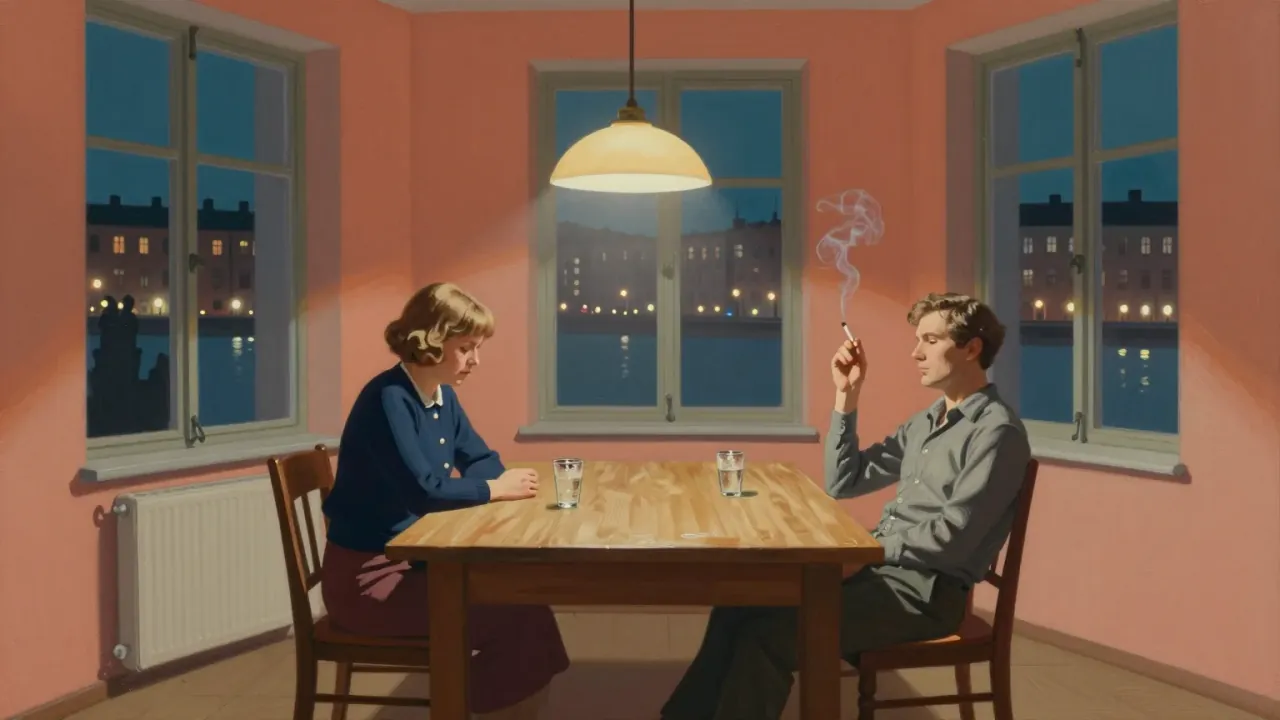
Ingmar Bergman’s 1974 Scenes from a Marriage follows a Swedish couple’s decade-long marital unraveling through six intimate, dialogue-driven episodes. Shot by Sven Nykvist and performed with unsparing naturalism by Liv Ullmann and Erland Josephson, it treats domestic life as a site of existential exposure — where love, resentment, and habit coexist without hierarchy. Its power lies in cumulative detail, not plot.

13:00

The Virgin Spring

Ingmar Bergman · 1960

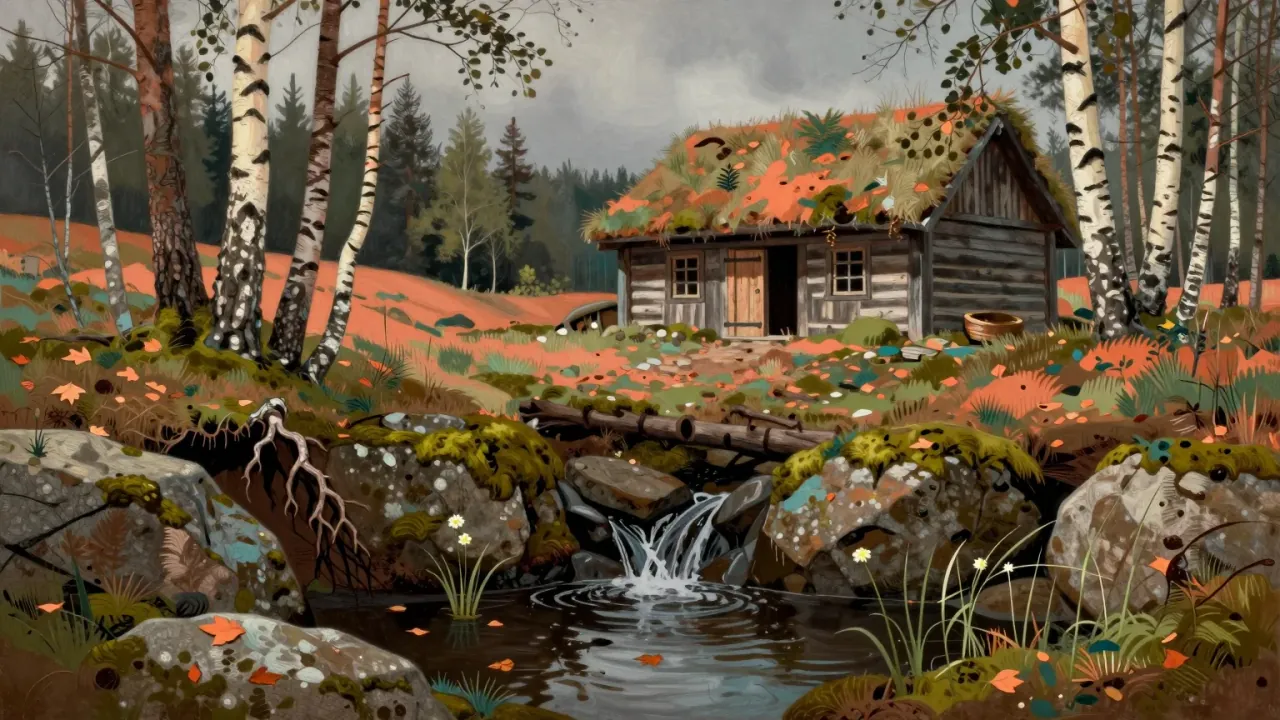
Ingmar Bergman’s 1960 drama, adapted by Ulla Isaksson from a medieval Swedish ballad, follows a Christian landowner whose daughter is raped and murdered by three herdsmen. After they unknowingly seek shelter at his home, he kills them at dawn. At the site of her death, a spring emerges. Shot by Sven Nykvist in austere natural light, the film explores guilt, vengeance, and the silence of God — not as abstract ideas, but as physical, inescapable facts.

13:00

Through a Glass Darkly

Ingmar Bergman · 1961

Ingmar Bergman’s 1961 chamber drama follows a family over twenty-four hours on a remote Swedish island, centring on Karin, a young woman recently released from psychiatric care. Harriet Andersson delivers a physically precise performance as her grip on reality frays, observed by her husband (Max von Sydow), novelist father (Gunnar Björnstrand), and teenage brother (Lars Passgård). Shot by Sven Nykvist with stark naturalism and scored with Bach’s cello suites, the film explores faith, exploitation, and the asymmetry of care—though its stated philosophy feels tacked on, its emotional precision remains unmatched.

13:00

Winter Light

Ingmar Bergman · 1963

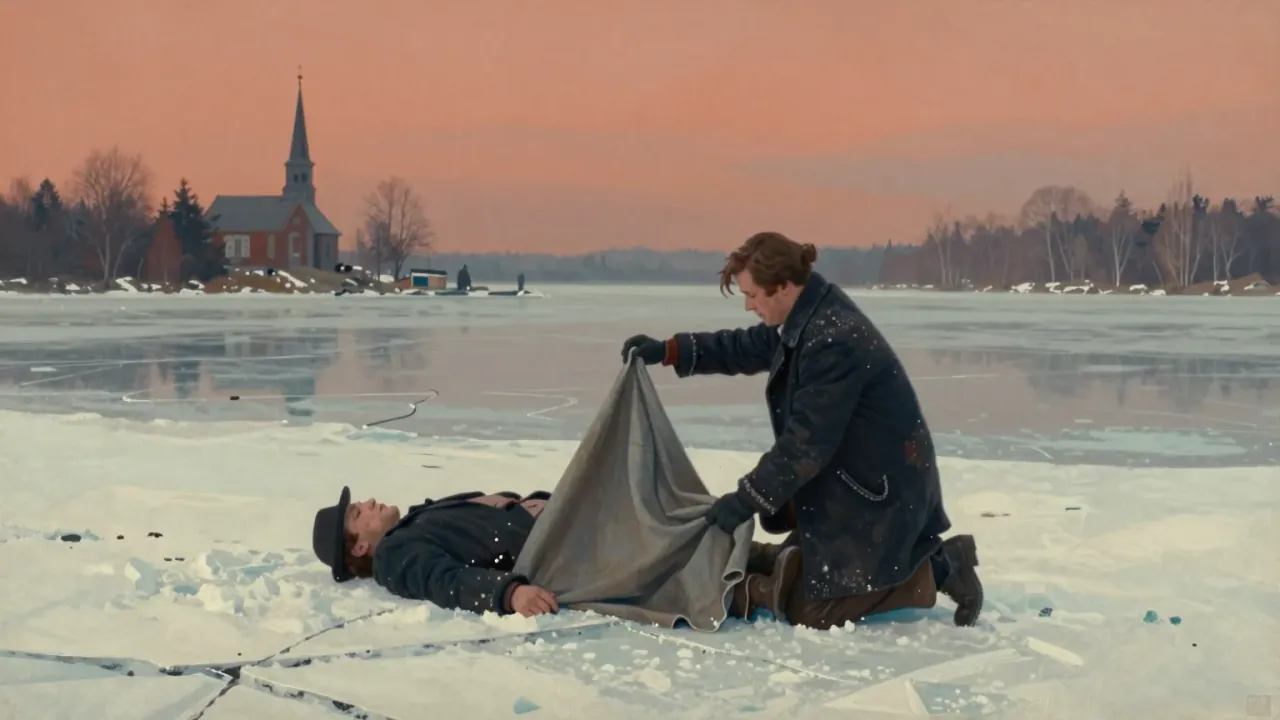
Ingmar Bergman’s 1963 drama follows a Swedish pastor through a single day of spiritual collapse—failing his congregation, his lover, and himself. Shot in austere black-and-white by Sven Nykvist, with no score beyond diegetic organ music, it is a rigorously restrained chamber piece about the physical and moral cost of sustaining belief when conviction has already vanished.

13:00

Persona

Ingmar Bergman · 1966

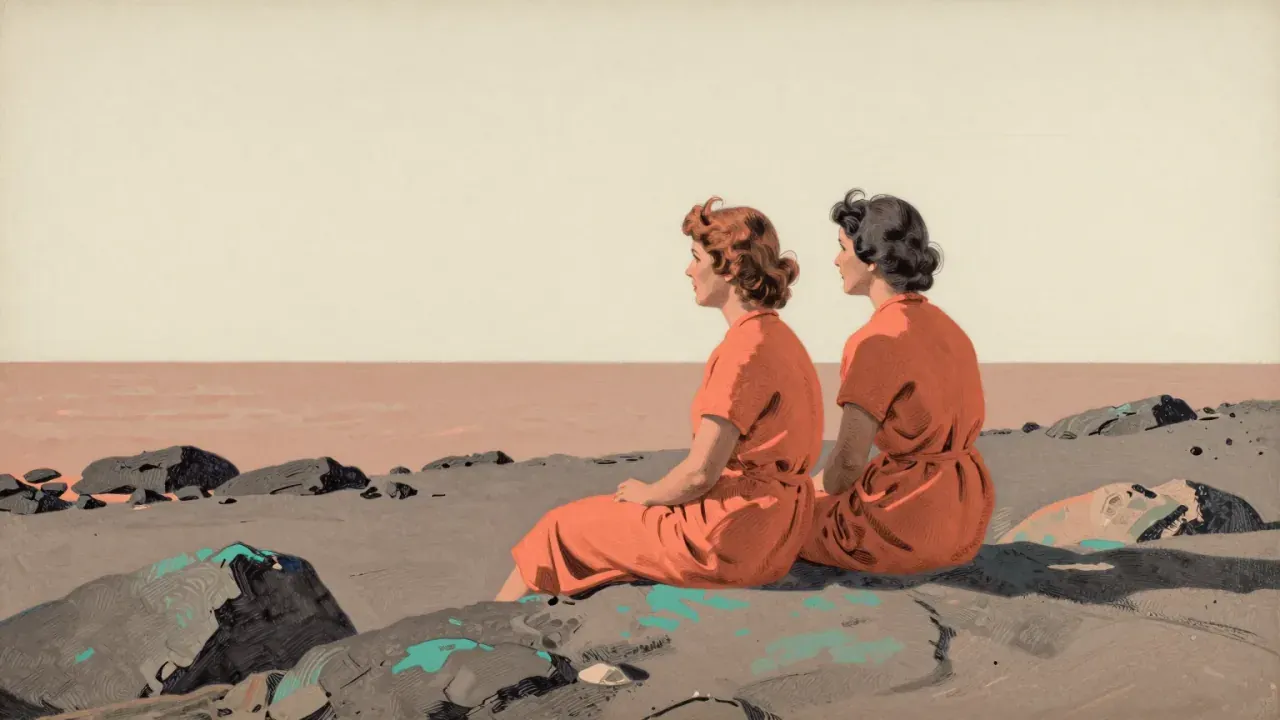
Ingmar Bergman's 1966 film pairs Elisabet Vogler, an actress who has gone entirely silent for reasons the film never states, with Alma, the nurse assigned to care for her at a remote coastal cottage, and lets the imbalance between one woman's silence and the other's compulsive talking gradually erode the line between them. Shot by Sven Nykvist, scored sparingly by Lars Johan Werle, and running just 84 minutes, it opens with a self-conscious montage of film equipment and unrelated images before settling into the two-hander at its centre, and it has since become one of the most closely analysed films in the medium's history.