filmbriefs
Topic

Unions

Collective bargaining, and the century that turned on it.

6
in film
13:00
average
78 min
in total
8
across the network
Unions across the network →
All briefs6
13:00

American Dream

Barbara Kopple · 1990

Barbara Kopple’s 1990 documentary follows the 1985–86 Hormel strike in Austin, Minnesota, where unionised meatpackers resisted wage cuts and benefit reductions. Shot over months with intimate access, it centres on the human toll — financial, emotional, communal — rather than offering political analysis. Co-directed by Cathy Caplan, Thomas Haneke, and Lawrence Silk, and scored by Michael Small, it won the Academy Award and Sundance Grand Jury Prize for Best Documentary.
13:00

Harlan County, USA

Barbara Kopple · 1976

Barbara Kopple’s 1976 documentary follows the Brookside Strike in Harlan County, Kentucky: a year-long dispute between coal miners and Duke Power-owned Eastover Coal. Filmed over four years with no narration, it places viewers among strikers, their families, and union organisers, using only direct testimony, observational footage, and folk music rooted in the community. It won the Academy Award for Best Documentary and was preserved in the US National Film Registry.

13:00

Matewan

John Sayles · 1987

John Sayles’s 1987 drama reconstructs the 1920 Matewan coal strike in West Virginia with forensic attention to economic detail, regional speech, and collective agency. Shot on location with Haskell Wexler’s naturalistic cinematography and Mason Daring’s period-accurate score, it follows union organiser Joe Kenehan as he navigates racial division, corporate espionage, and escalating violence — culminating in the historic Battle of Matewan. The film avoids hero worship, instead distributing moral weight across miners, widows, preachers, and lawmen. Though critically lauded and preserved in the National Film Registry, its deliberate pace and structural complexity make it demanding but rewarding viewing.

13:00

Native Land

Leo Hurwitz, Paul Strand · 1942

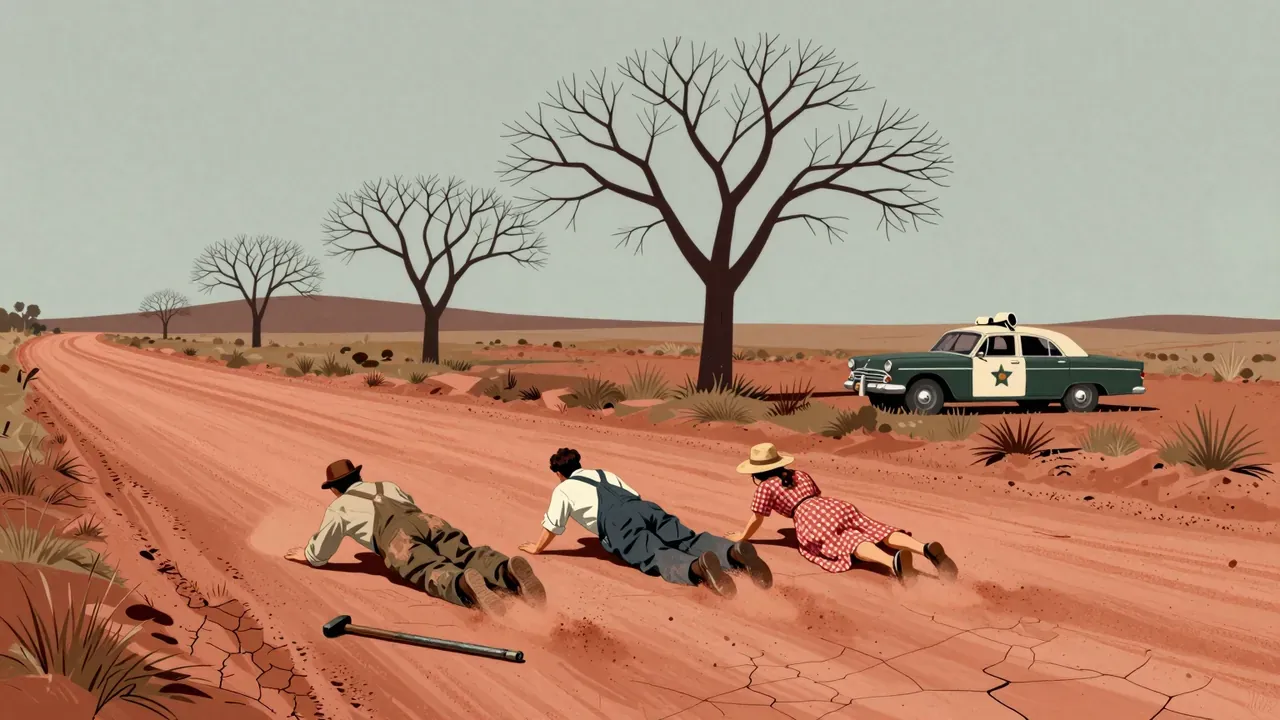
A 1942 American docudrama co-directed by Leo Hurwitz and Paul Strand, Native Land combines archival footage and staged reenactments to document corporate suppression of union organising in the 1930s, drawing on the La Follette Committee’s findings. Paul Robeson narrates and sings; Marc Blitzstein scores; Strand photographs. Restored in 2011 from original nitrate elements, it remains a rigorous, austere, and politically uncompromising work of activist cinema.

13:00

The Organizer

Mario Monicelli · 1963

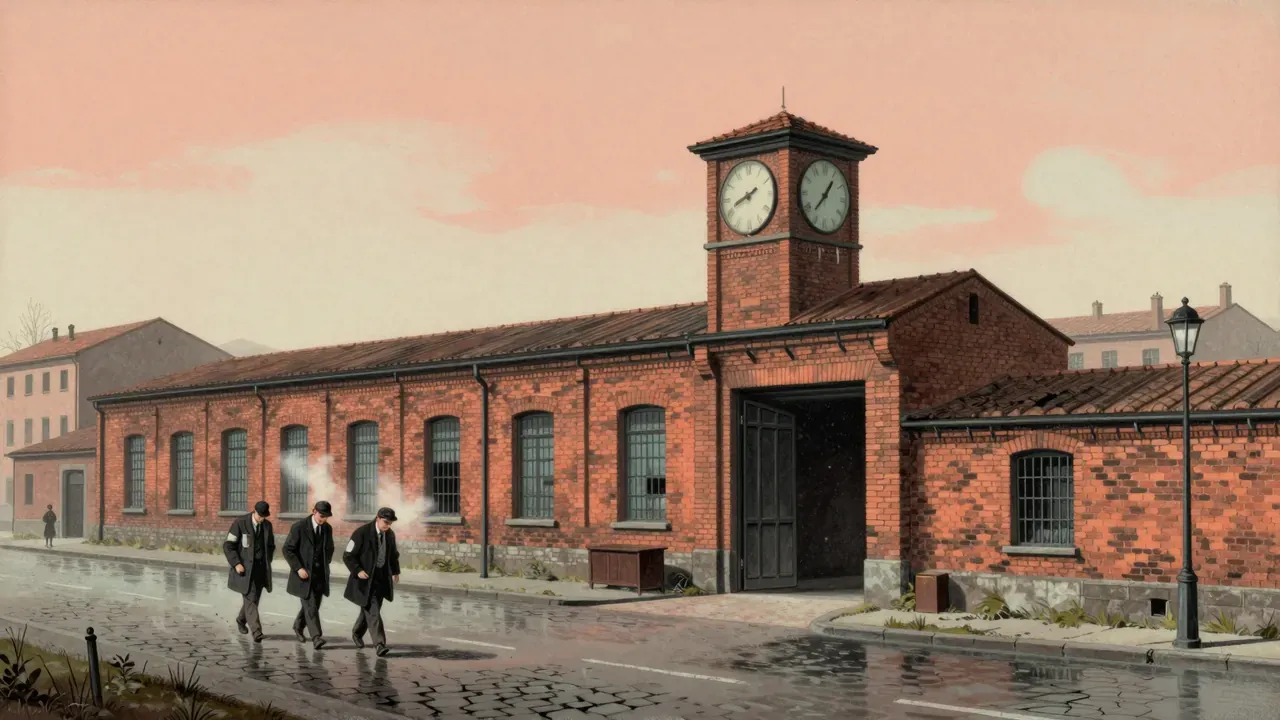
Set in 1890s Turin, Mario Monicelli’s The Organizer follows textile workers organising their first strike, aided—and complicated—by a fugitive labour activist. Shot in black-and-white by Giuseppe Rotunno, it balances social gravity with commedia all’italiana’s tonal elasticity, refusing heroic framing in favour of accumulated detail: fatigue, hesitation, shared bread, and quiet persistence. Its power lies in restraint, not rhetoric.

13:00

Two Days, One Night

Jean-Pierre Dardenne, Luc Dardenne · 2014

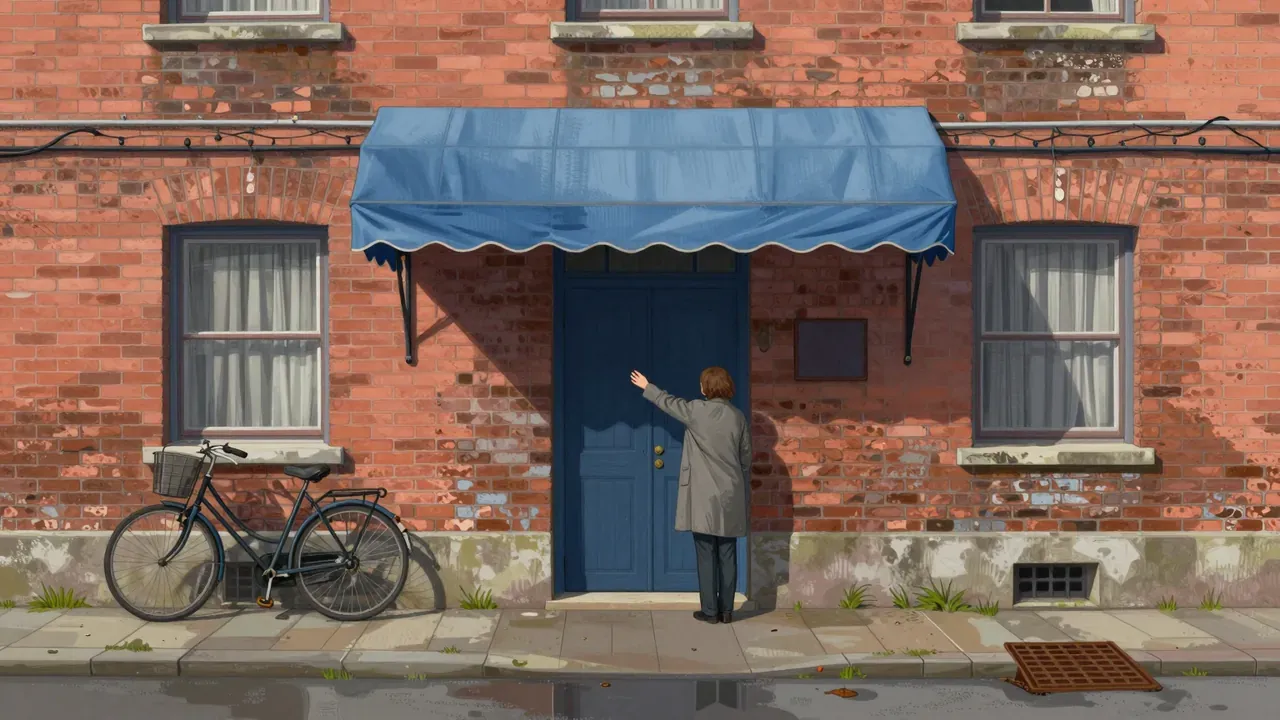
Two Days, One Night follows Sandra, a Belgian factory worker returning from medical leave for depression, as she spends a weekend visiting sixteen colleagues to persuade them to reverse their vote against her reinstatement — a vote linked to a €1,000 bonus. Shot in Seraing with rigorous naturalism, the Dardenne brothers anchor ethical questions in physical detail: bus tickets, kitchen tables, rain-slicked pavements. Marion Cotillard’s performance avoids exposition, locating dignity in hesitation, fatigue, and quiet persistence. The film won the European Film Award for Best Actress and was Belgium’s Oscar submission.