filmbriefs
Topic

Ancient Rome

A republic that became an empire, and never stopped arguing about the cost.

4
in film
13:00
average
52 min
in total
29
across the network
Ancient Rome across the network →
All briefs4
13:00

Androcles and the Lion

Chester Erskine, Nicholas Ray · 1952

RKO’s 1952 Androcles and the Lion adapts George Bernard Shaw’s 1912 play with strict fidelity to his text, casting Alan Young as a gentle Christian tailor who befriends a lion in the Roman wilderness. Directed by Chester Erskine and Nicholas Ray, it foregrounds verbal wit over visual spectacle, staging philosophical debate in studio-bound sets. Though reshoots added arena theatrics, the film’s strength remains its unflinching commitment to Shaw’s irony, pacifism, and bureaucratic satire—making it a rare, talkative anomaly in the sword-and-sandal cycle.

13:00

Caesar and Cleopatra

Gabriel Pascal · 1945

Gabriel Pascal’s 1945 Technicolor film adapts George Bernard Shaw’s 1901 play with near-verbatim fidelity. Starring Vivien Leigh and Claude Rains, it follows Cleopatra’s tutelage under Caesar during the Siege of Alexandria. Lavish in scale but restrained in execution, it privileges dialogue, idea and historical procedure over spectacle or sentiment. Though a financial failure on release, it endures as a rare example of British studio craft applying philosophical seriousness to ancient subject matter.

13:00

Satyricon

Federico Fellini · 1969

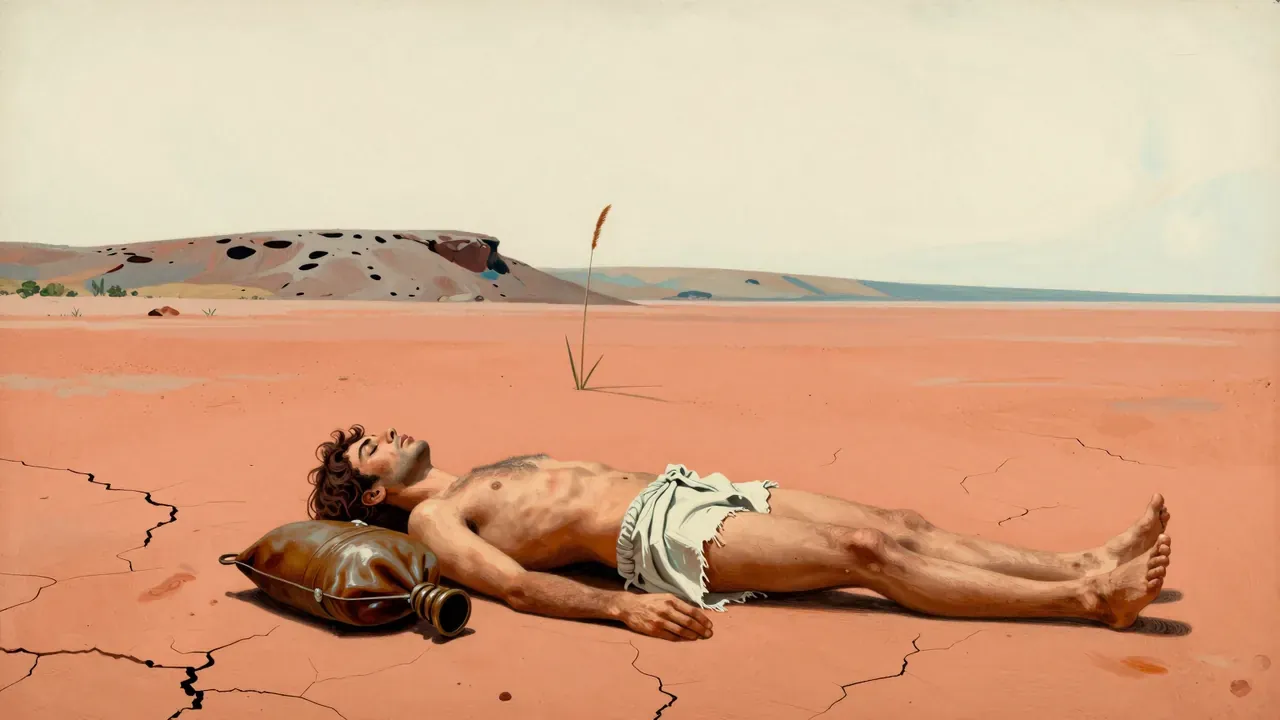
Federico Fellini’s 1969 Satyricon is a hallucinatory, episodic reimagining of Petronius’s fragmented Roman satire. Shot on studio sets and Italian locations by Giuseppe Rotunno, it follows Encolpius (Martin Potter) through a surreal, decaying empire — brothels, banquets, pirate ships, deserts — where power is performative, desire transactional, and narrative secondary to texture and tone. Nino Rota’s score and Danilo Donati’s production design anchor its visceral, dreamlike logic.

13:00

Spartacus

Stanley Kubrick · 1960

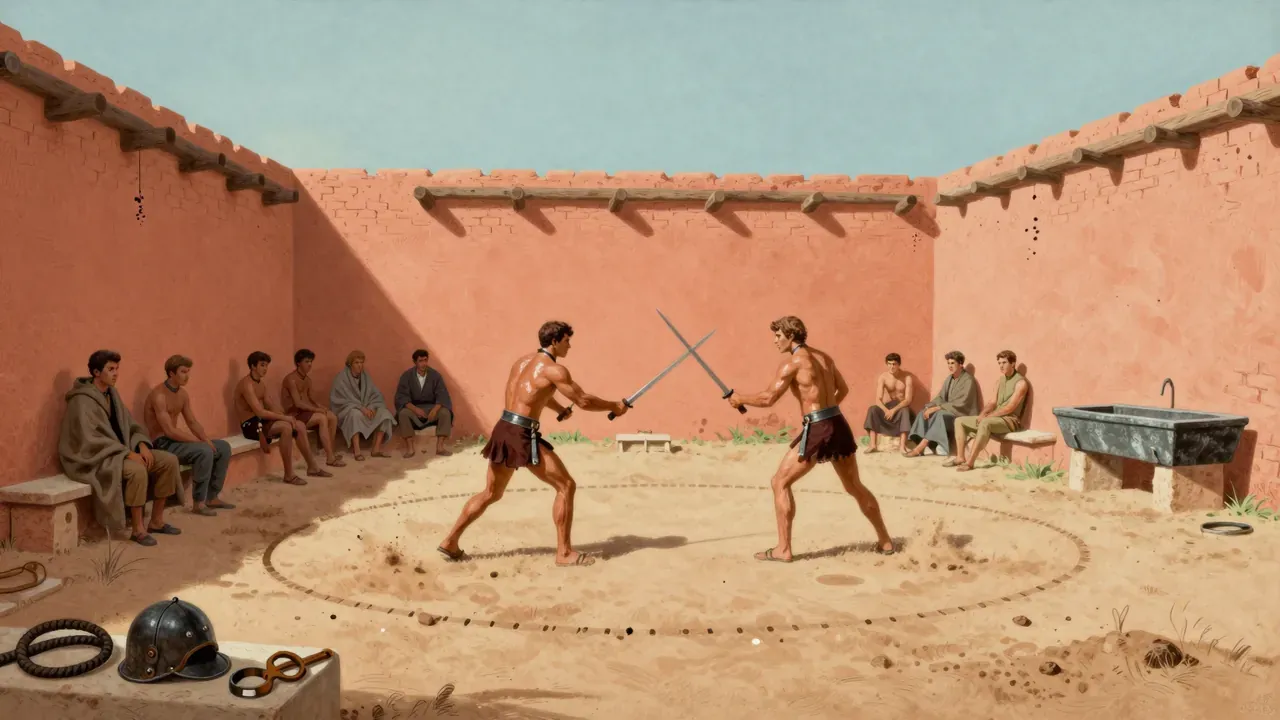
Stanley Kubrick’s 1960 Spartacus adapts Howard Fast’s novel via Dalton Trumbo’s blacklisted script, telling the story of a slave revolt not as myth but as moral architecture. Kirk Douglas stars as Spartacus, with Laurence Olivier, Peter Ustinov, and Jean Simmons in key roles. Shot across California locations including Hearst Castle and Wildwood Park, its Oscar-winning art direction and cinematography render Rome as a study in hierarchy — accent, space, and light all coded by class. Though structurally uneven and romantically thin, its enduring power lies in its deliberate, collective gaze and the historic courage of its authorship.