filmbriefs
Topic

Ancient Greece

A few hundred thousand people who set the agenda for everyone after.

4
in film
13:00
average
52 min
in total
38
across the network
Ancient Greece across the network →
All briefs4
13:00

Medea

Pier Paolo Pasolini · 1969

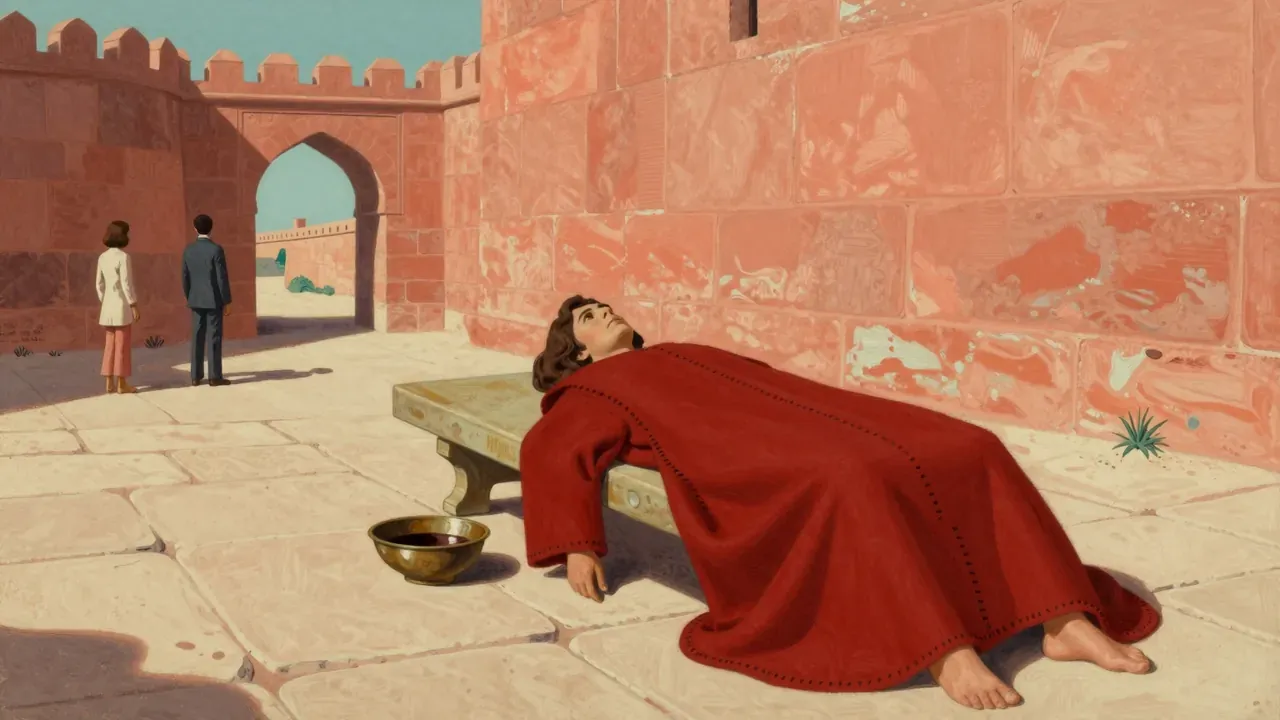
Pier Paolo Pasolini’s 1969 Medea stars Maria Callas in her sole film role, adapting Euripides’ play as an anthropological re-enactment rather than a psychological drama. Shot across Turkey, Syria, and Italy, it uses distinct colour schemes, non-Western music, and ritual pacing to embody three civilisations — Colchis, Iolcus, and Corinth — as competing cosmologies. Callas’s Medea is a force of nature, her infanticide a final assertion of sovereignty over meaning in a world that has abandoned her epistemology.
13:00

Oedipus Rex

Pier Paolo Pasolini · 1967

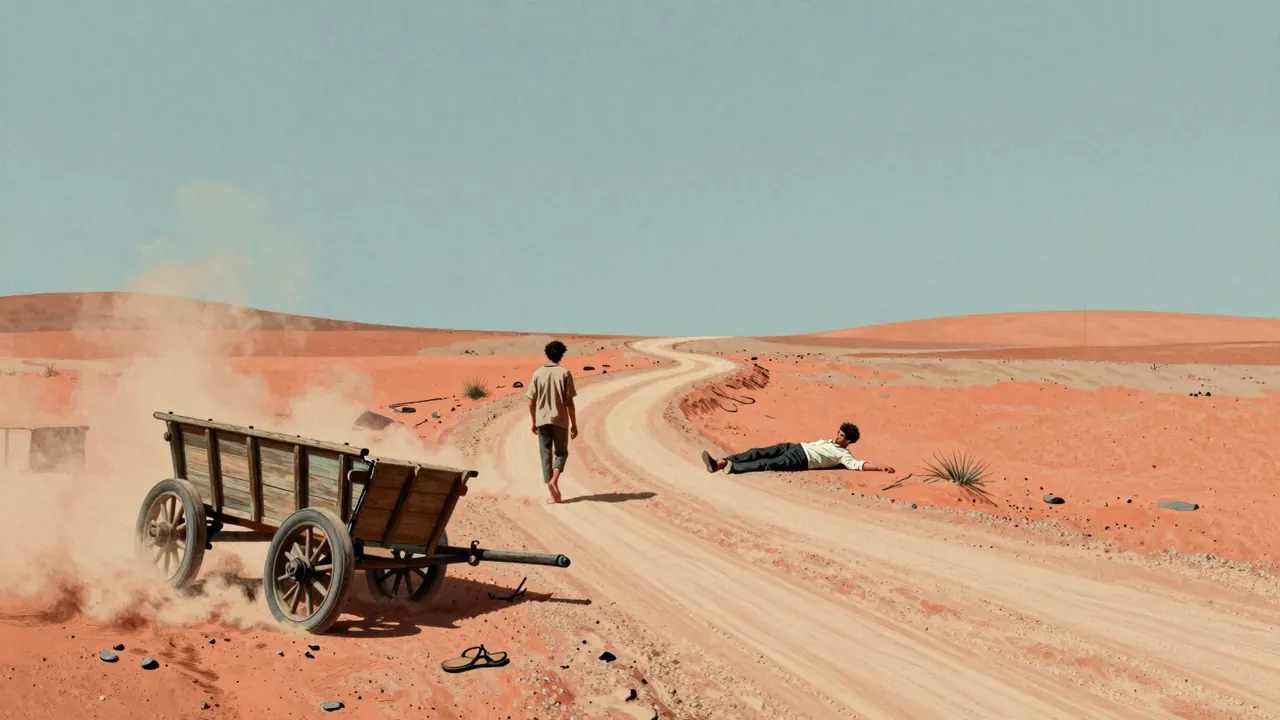
Pier Paolo Pasolini’s 1967 Oedipus Rex reframes Sophocles’ tragedy as a Freudian myth-cycle, bookended by a 1920s Italian prologue and epilogue and centred on a stylised Moroccan-Greek middle. Starring Franco Citti and scored with Romanian folk music, Japanese gagaku, and Mozart, it rejects psychological realism for ceremonial repetition — using costume, sound, and landscape as structural grammar rather than decorative detail.

13:00

The Girls

Mai Zetterling · 1968

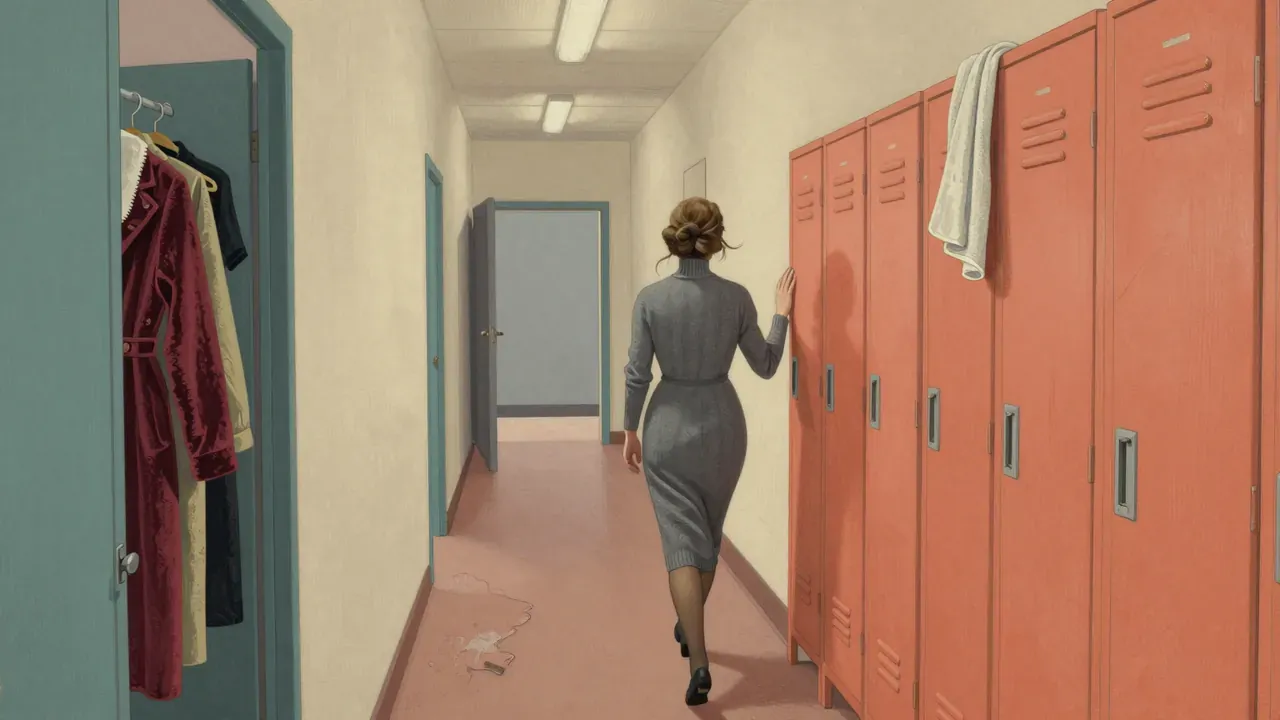
Mai Zetterling’s 1968 film follows three actresses touring a production of Lysistrata while managing motherhood, marital strain, and professional precarity. Shot with quiet precision by Rune Ericson and performed with restrained intensity by Bibi, Harriet and Gunnel Andersson, it locates feminist consciousness in accumulated small choices rather than grand declarations. Though its theatrical framing remains inert and its men underdeveloped, its enduring power lies in its unsentimental attention to the cost of being seen — and unseen.

13:00

Time Bandits

Terry Gilliam · 1981

Time Bandits (1981) is a British science fiction fantasy co-written and directed by Terry Gilliam, starring Craig Warnock as Kevin, a boy who joins six dwarfs on a time-travelling heist. Shot in England, Morocco and Wales, it moves through historical and mythic settings — Castiglione, Sherwood Forest, Mycenae, the Titanic — guided by a stolen map of spacetime rifts. The film balances absurd comedy with metaphysical stakes, culminating in a confrontation with Evil and the Supreme Being. Its visual style is tactile and deliberately artificial; its themes centre on perception, inheritance, and the instability of systems. It was financed by George Harrison’s HandMade Films and remains the first in Gilliam’s ‘Trilogy of Imagination’.