filmbriefs
Director · Screenwriter · Actor · Editor · Producer · 1940–2016

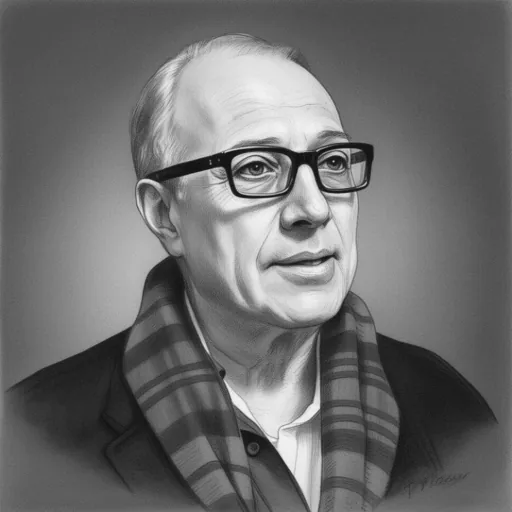
Abbas Kiarostami

26
briefs
13:00
average
338 min
in total
On film.briefs26
13:00

24 Frames

Abbas Kiarostami · 2017

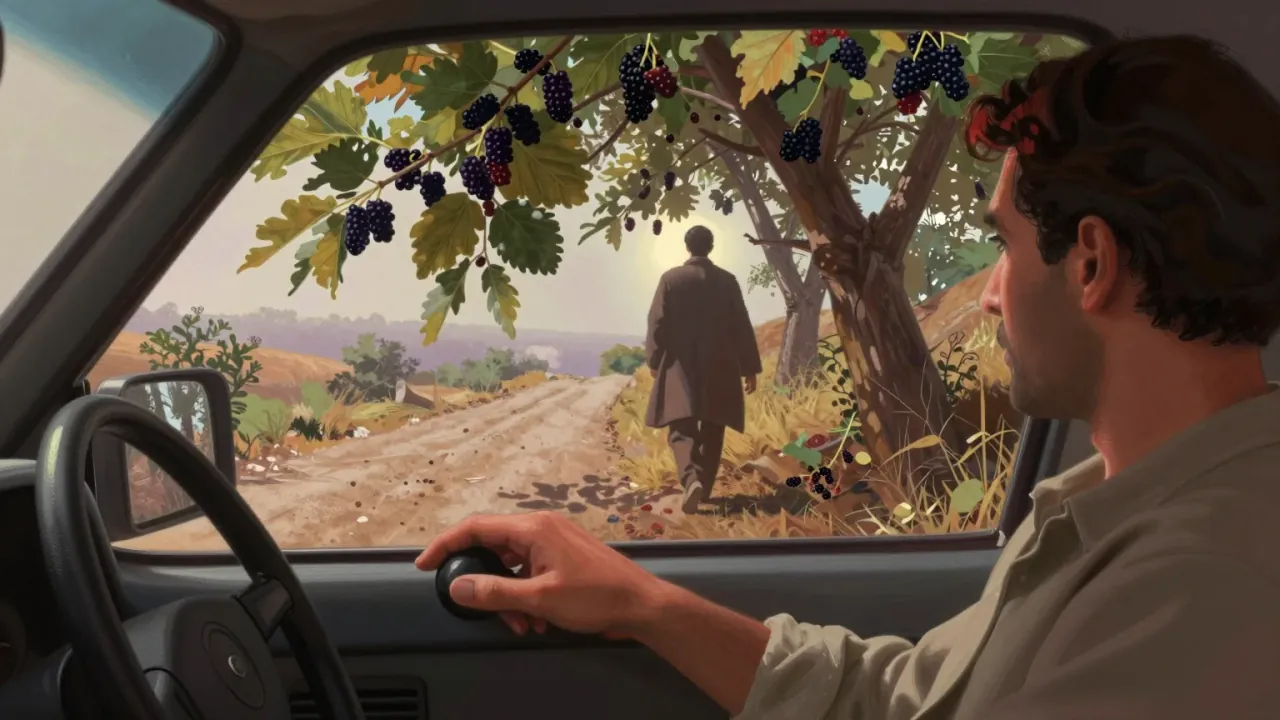
Abbas Kiarostami’s final film, 24 Frames, comprises twenty-four uncut, static shots — each ninety seconds long — observing nature, animals, and thresholds between interior and exterior. Beginning with animated movement superimposed on Bruegel’s Hunters in the Snow, it proceeds into real-world stillness, testing how much meaning resides in time, attention, and unmediated presence. Released posthumously at Cannes 2017, it is a rigorous, unsentimental essay on perception and impermanence.
13:00

A Wedding Suit

Abbas Kiarostami · 1976

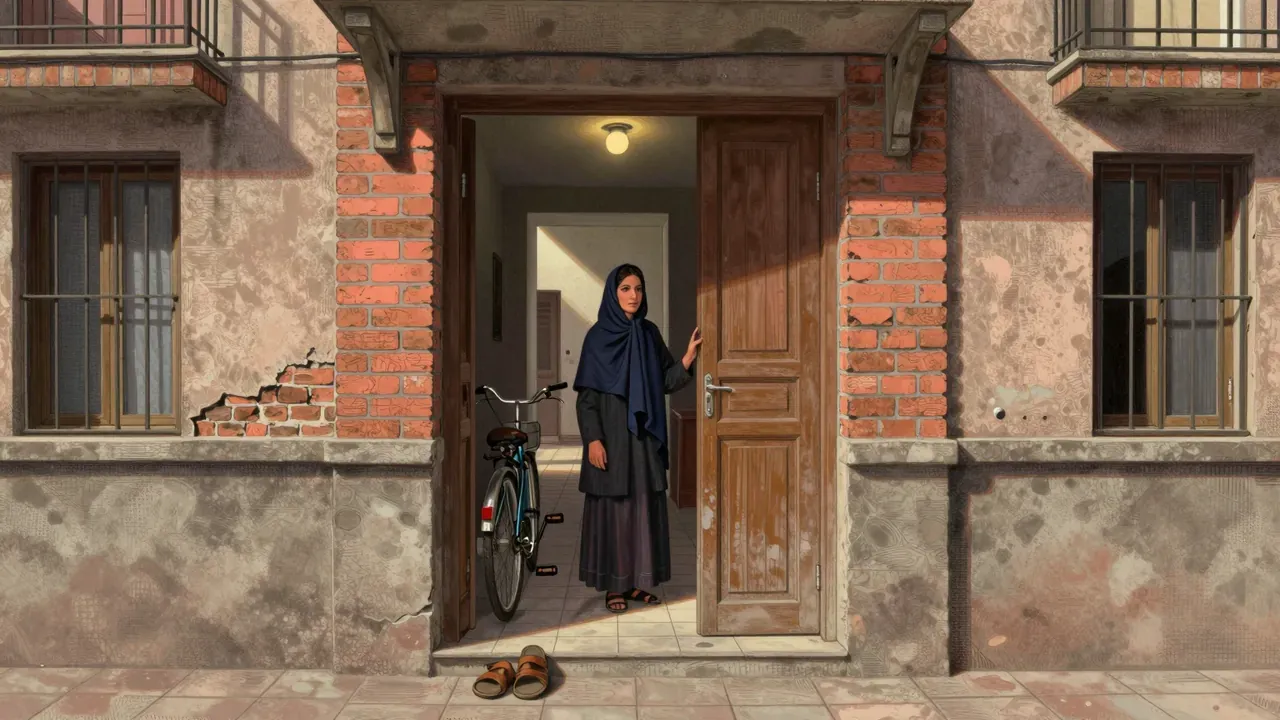
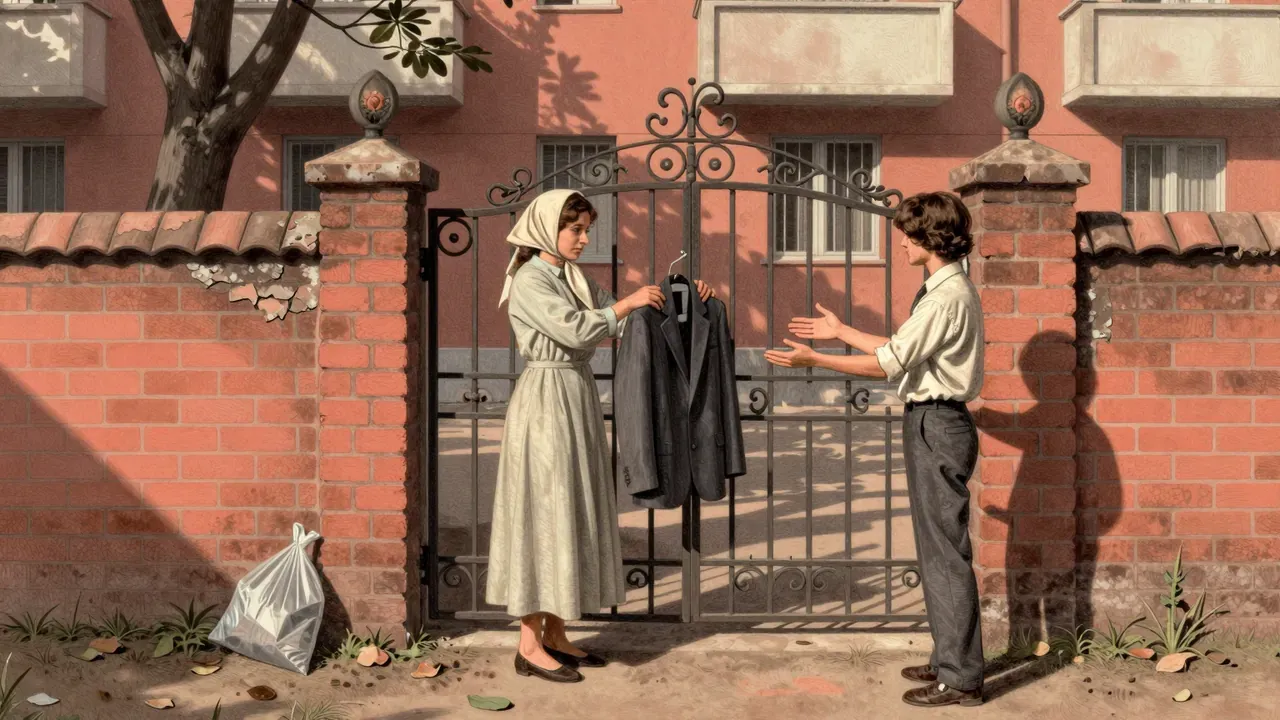
A Wedding Suit (1976) is Abbas Kiarostami’s 54-minute comedy made for Iran’s Institute for the Intellectual Development of Children and Young Adults. A woman orders a suit for her son to wear to a wedding; her tailor’s apprentice and two friends secretly try it on overnight. Structured around quiet observation and precise, unhurried staging, the film finds humour and humanity in small-scale decisions, material detail, and the unspoken rhythms of adolescent collaboration. It contains no score, minimal dialogue, and no overt commentary — its concerns are procedural, spatial, and tactile.

13:00

Breaktime

Abbas Kiarostami · 1972

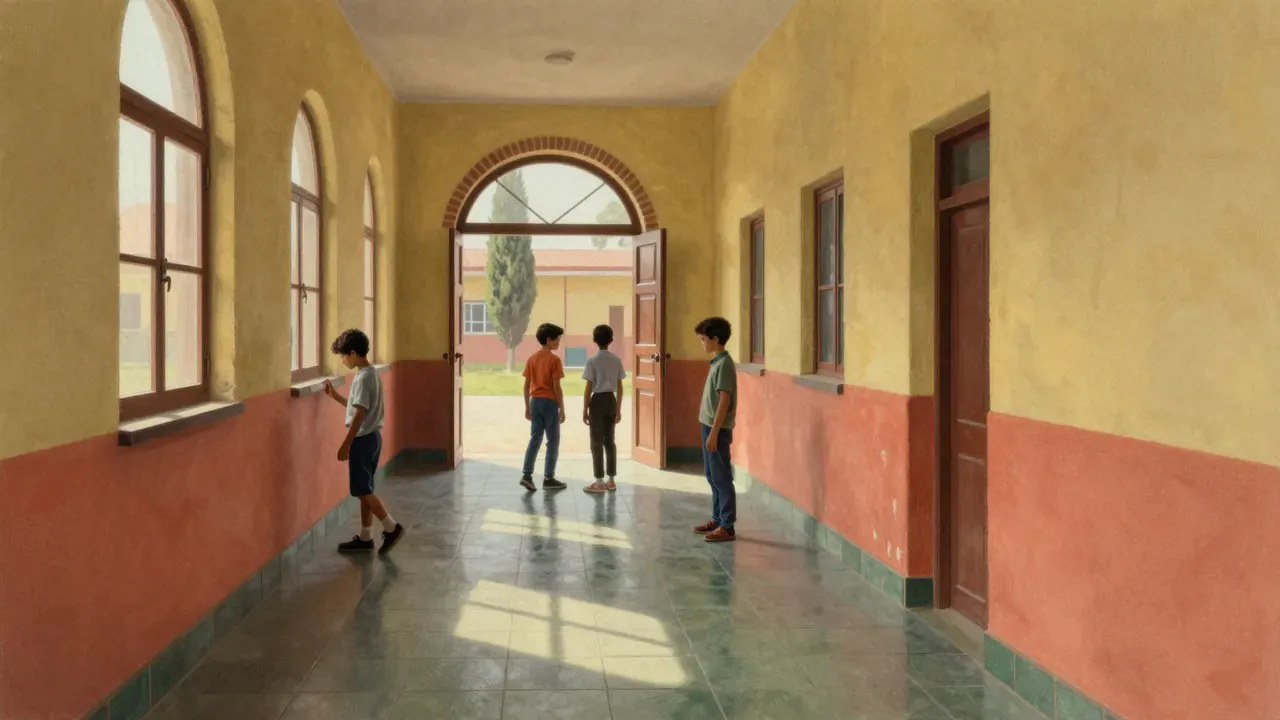
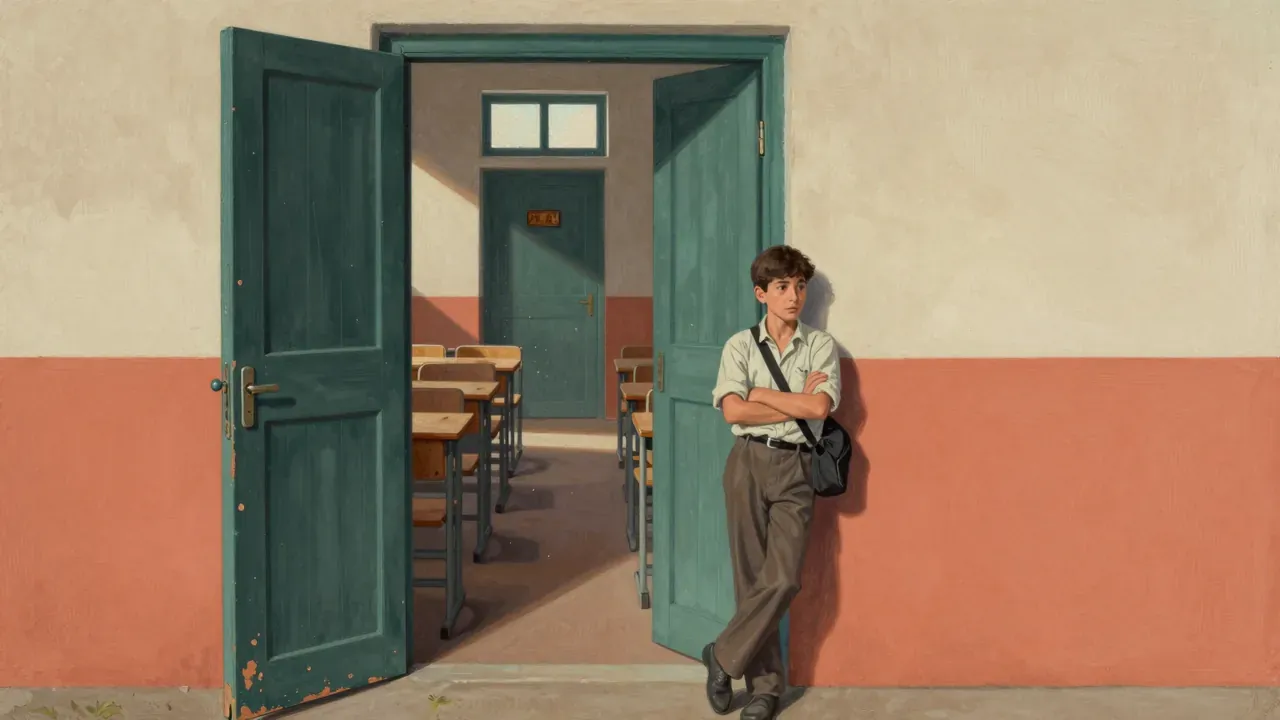
Breaktime (1972) is Abbas Kiarostami’s fourteen-minute observational drama, shot during an actual school break in Tehran. With no script, no score and no intervention, it records children’s unstructured movement and interaction in static, natural-light frames. Made early in his career for Kanun, it exemplifies his commitment to unvarnished presence over narrative artifice.

13:00

Close-Up

Abbas Kiarostami · 1990

Close-Up (1990) is Abbas Kiarostami’s reconstruction of a real 1980s Tehran fraud case: Hossein Sabzian, a print-shop worker, posed as filmmaker Mohsen Makhmalbaf to gain entry into a family’s home, promising them roles in a film. With full participation from Sabzian, the Ahankhah family, the journalist who exposed him, the judge, and Makhmalbaf himself, Kiarostami films their trial and re-enactments of key events — all playing themselves. The film treats identity, cinema, and justice not as abstractions but as lived, contingent acts of attention and consent.

13:00

Fellow Citizen

Abbas Kiarostami · 1983

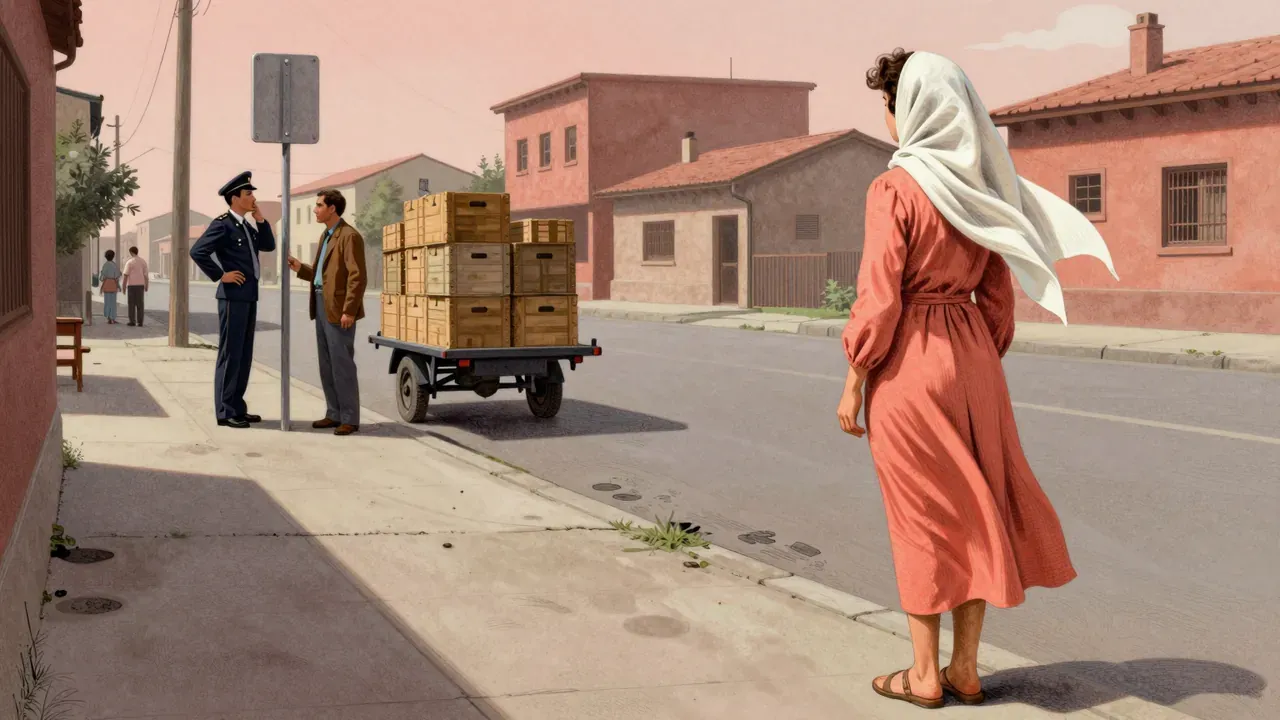
Fellow Citizen (1983) is Abbas Kiarostami’s 48-minute observational documentary, shot on a Tehran street. It follows a civil servant attempting to regulate pedestrian and vehicle movement, capturing unscripted reactions without narration, interviews or contextual framing. The film’s method is rigorously restrained: fixed camera, natural sound, no edits that conceal time. Its interest lies in behavioural nuance — hesitation, mimicry, negotiation — rather than argument or exposition.

13:00

First Case, Second Case

Abbas Kiarostami · 1979

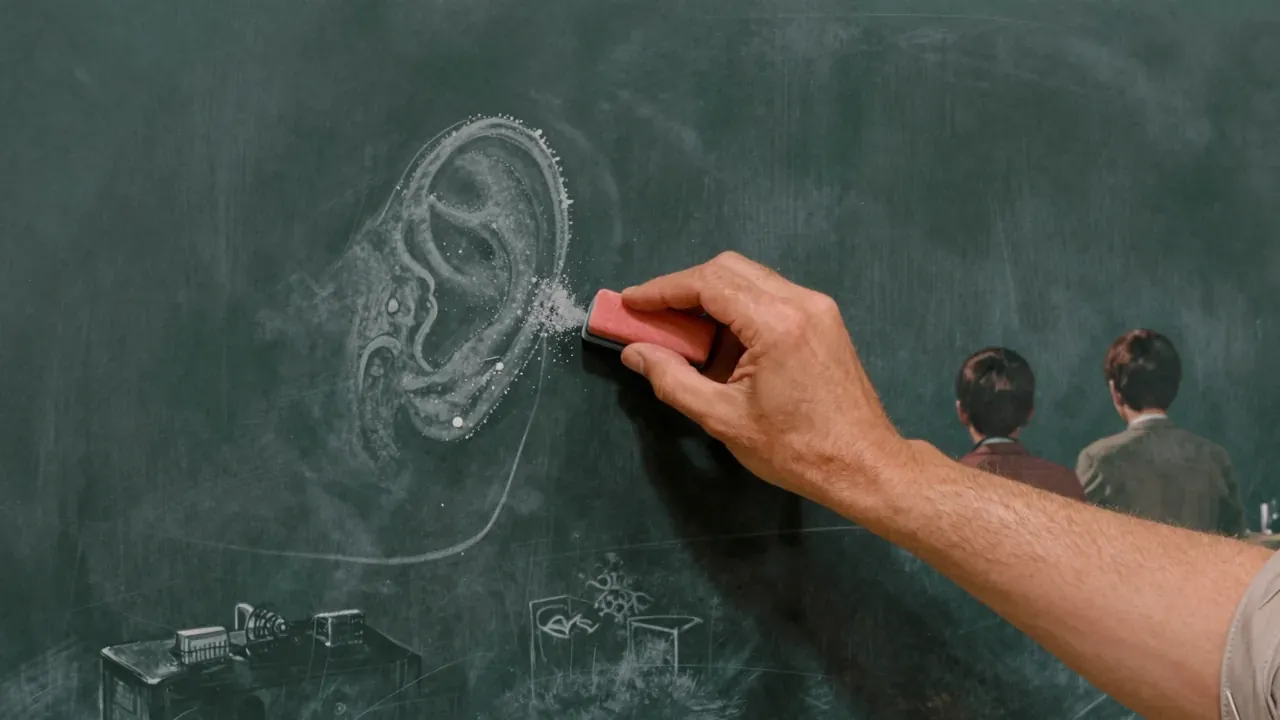
Abbas Kiarostami’s First Case, Second Case (1979) presents two near-identical classroom scenarios — one where pupils remain silent after a disruption, another where one names the culprit — then films real Iranian educators and political figures reacting to each. Made in the volatile weeks before the Islamic Revolution, it was banned after its premiere and vanished until 2009. Rigorous, austere and structurally radical, it treats pedagogy as political theatre and silence as ethical resistance.

13:00

First Graders

Abbas Kiarostami · 1984

First Graders (1984) is Abbas Kiarostami’s observational documentary following Iranian six- and seven-year-olds during a single school day. Filmed with concealed cameras, it avoids narration, music, or intervention, relying instead on long takes, natural sound, and uninflected framing. Its purpose is not exposition but sustained attention — to register the rhythms, hierarchies and quiet labours of early socialisation as they occur. Though rooted in Iran’s post-revolutionary educational context, it offers no explicit commentary on politics or pedagogy. Its power lies in accumulation: small gestures, repeated behaviours and unscripted silences build a portrait less of individuals than of collective habit. A rigorous, unsentimental work, it rewards patience and resists easy interpretation.

13:00

Homework

Abbas Kiarostami · 1989

Homework (1989) is Abbas Kiarostami’s 16mm documentary filmed at a Tehran primary school, composed almost entirely of interviews with pupils and two fathers about the practice of assigning homework. With no narration, music or illustrative footage, it foregrounds unscripted speech — hesitant, contradictory, revealing — to expose the gap between educational policy and domestic reality in late-1980s Iran.

13:00

Life, and Nothing More...

Abbas Kiarostami · 1992

Abbas Kiarostami’s 1992 drama follows a director and his son driving through post-earthquake northern Iran, seeking the child star of his earlier film. Shot in a spare, observational style, it blends documentary immediacy with fictional framing to explore how life persists amid loss — not through grand statements, but through detours, conversations, and quiet acts of endurance.

13:00

Like Someone in Love

Abbas Kiarostami · 2012

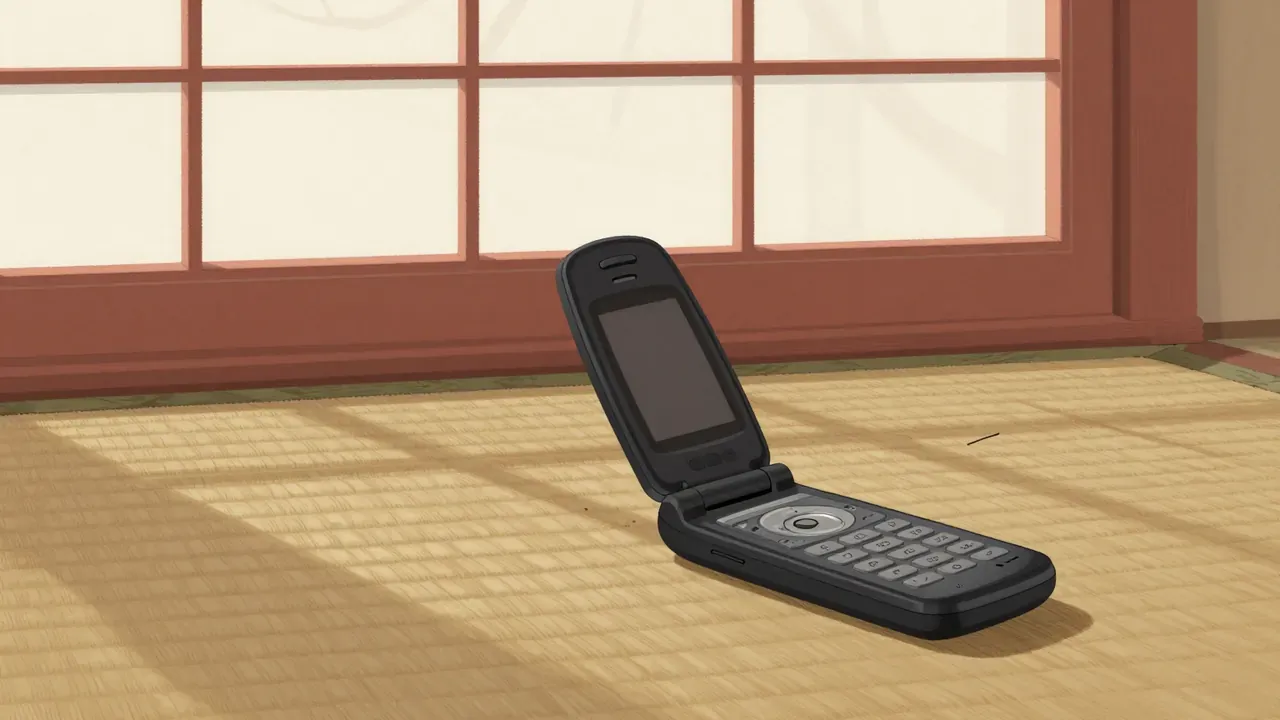
Abbas Kiarostami’s 2012 Japanese-language drama follows a sociology student who moonlights as a high-end escort and the elderly professor she meets through her work. Set over two days in Tokyo and Yokohama, the film builds tension through withheld information, sustained misrecognition and quiet, precise observation — not plot twists or emotional outbursts. Its power lies in what remains unsaid and unseen.

13:00

Orderly or Disorderly

Abbas Kiarostami · 1981

Orderly or Disorderly is a seventeen-minute 1981 Iranian short film by Abbas Kiarostami. Using a single courtyard, two groups of children and young adults, and a static camera, it compares structured and unstructured movement — one group walking in line, the other moving freely. There is no dialogue beyond instruction, no music, no editing within sequences. The film is a precise, quiet study of social patterning, asking what emerges when rules are given, withdrawn, or merely drawn on the ground.

13:00

So Can I

Abbas Kiarostami · 1975

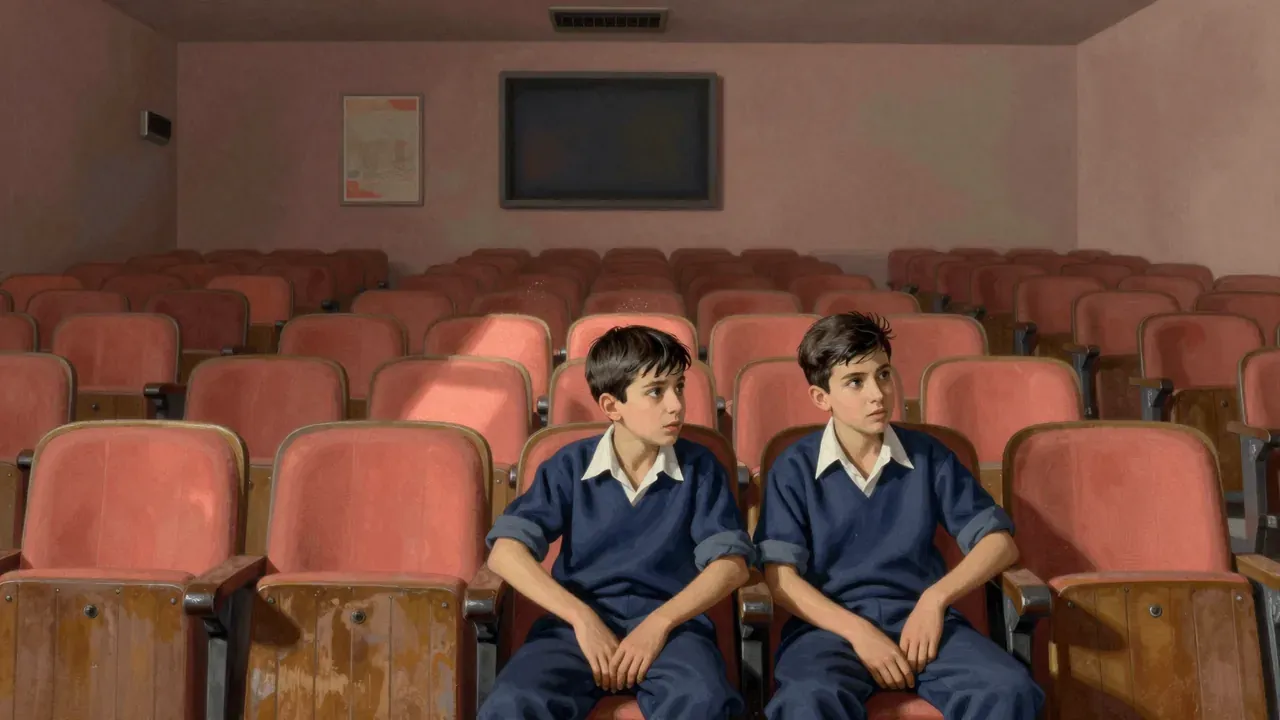
So Can I (1975) is a seventeen-minute Iranian short by Abbas Kiarostami, following two boys watching an educational cartoon. One boy repeatedly asserts 'So can I' in response to animals’ actions—until birds fly across the screen, and he falls silent. The film ends with an aeroplane circling overhead. Made for Kanun, it treats childhood cognition with formal rigour: no narration, no adult presence, no resolution—only repetition, silence, and a single, resonant visual rupture.

13:00

Solution

Abbas Kiarostami · 1978

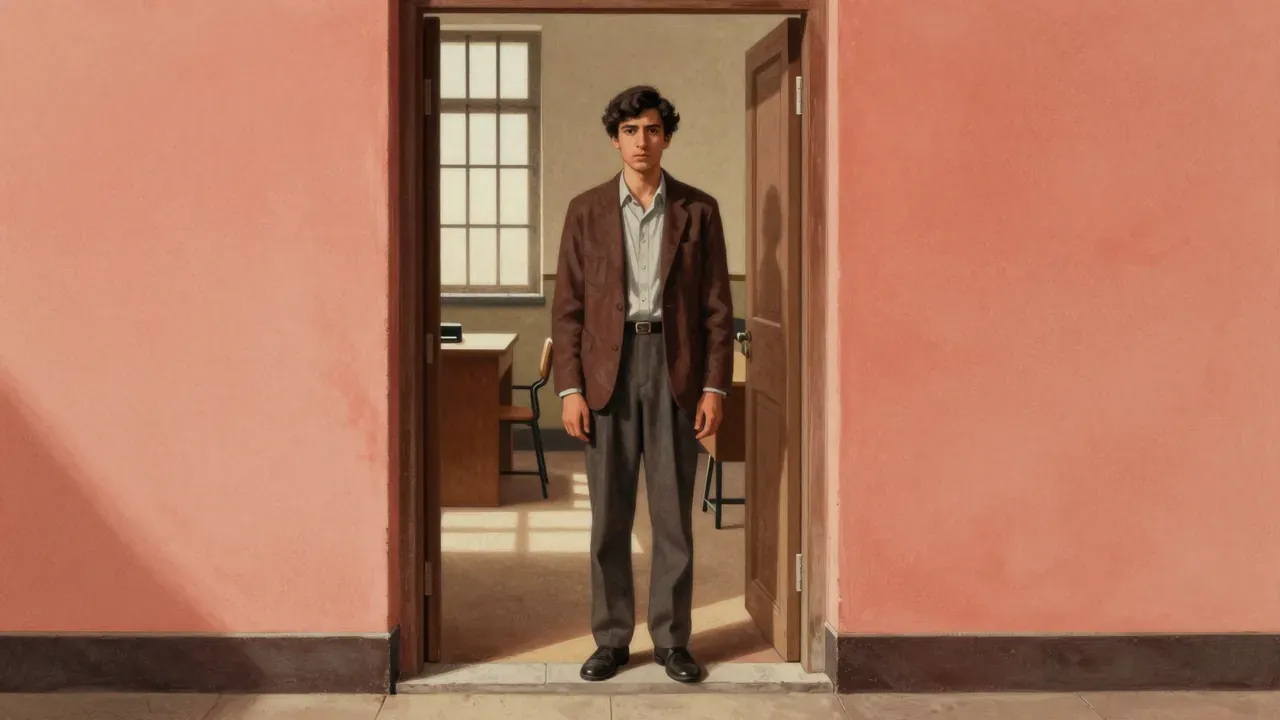
Solution (1978) is Abbas Kiarostami’s austere, observational drama set in a single institutional interior. With no score, no exposition, and minimal dialogue, it tracks a young man’s encounter with bureaucratic procedure. Its power lies in duration, repetition, and withheld meaning — not as evasion, but as method. A key early work in Iranian New Wave cinema, it rewards attention not with narrative payoff but with perceptual recalibration.

13:00

The Bread and Alley

Abbas Kiarostami · 1970

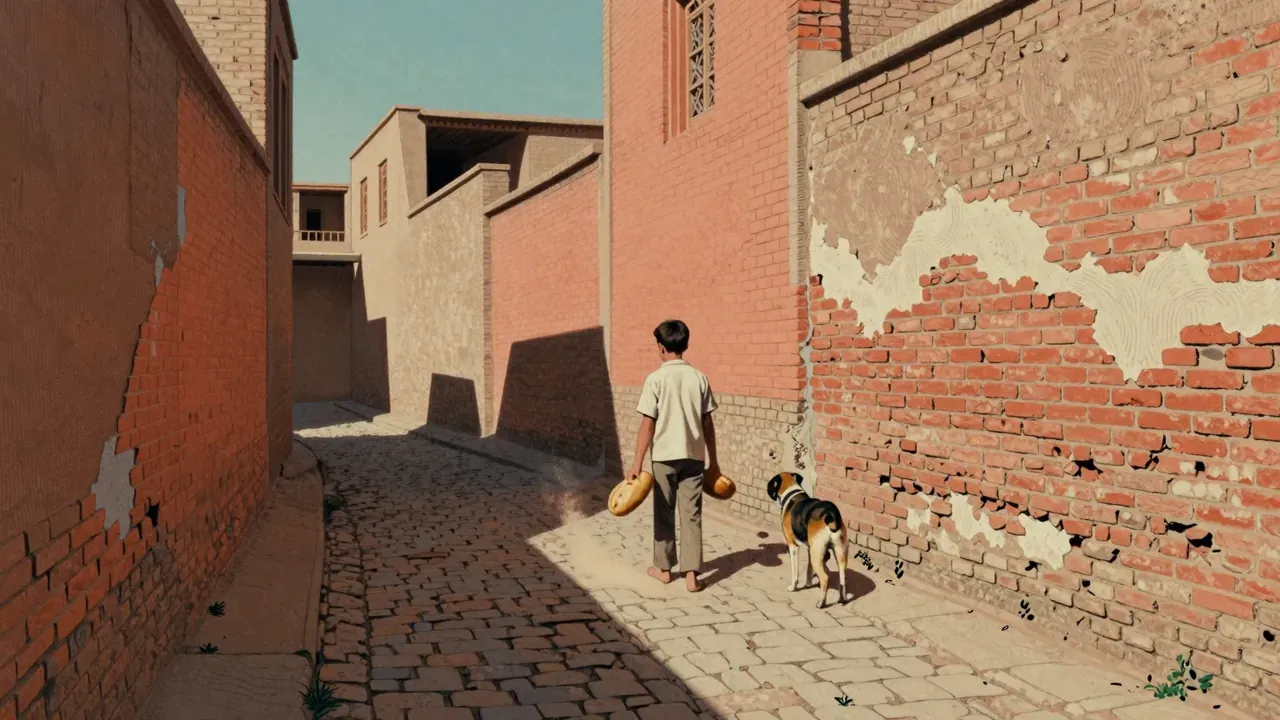
Abbas Kiarostami’s 1970 debut is a ten-minute black-and-white Persian-language short set in a Tehran alley. A boy carrying bread is blocked by a barking dog, improvises a way past, and is followed home by the same animal — only for a second boy with yogurt to trigger the same bark moments later. Shot in static, unadorned takes, it offers no exposition, no score, no close-ups, and no moral framing. Its power lies in its exactness: a study in singular decisions, shared space, and the fragility of cause-and-effect.

13:00

The Chorus

Abbas Kiarostami · 1982

The Chorus (1982) is Abbas Kiarostami’s early Iranian short film in Persian, observing a group of children in a single location with fixed framing and minimal intervention. It explores collective presence through duration, repetition, and silence — not narrative or psychology — making it a foundational work of observational, arthouse drama.

13:00

The Experience

Abbas Kiarostami · 1973

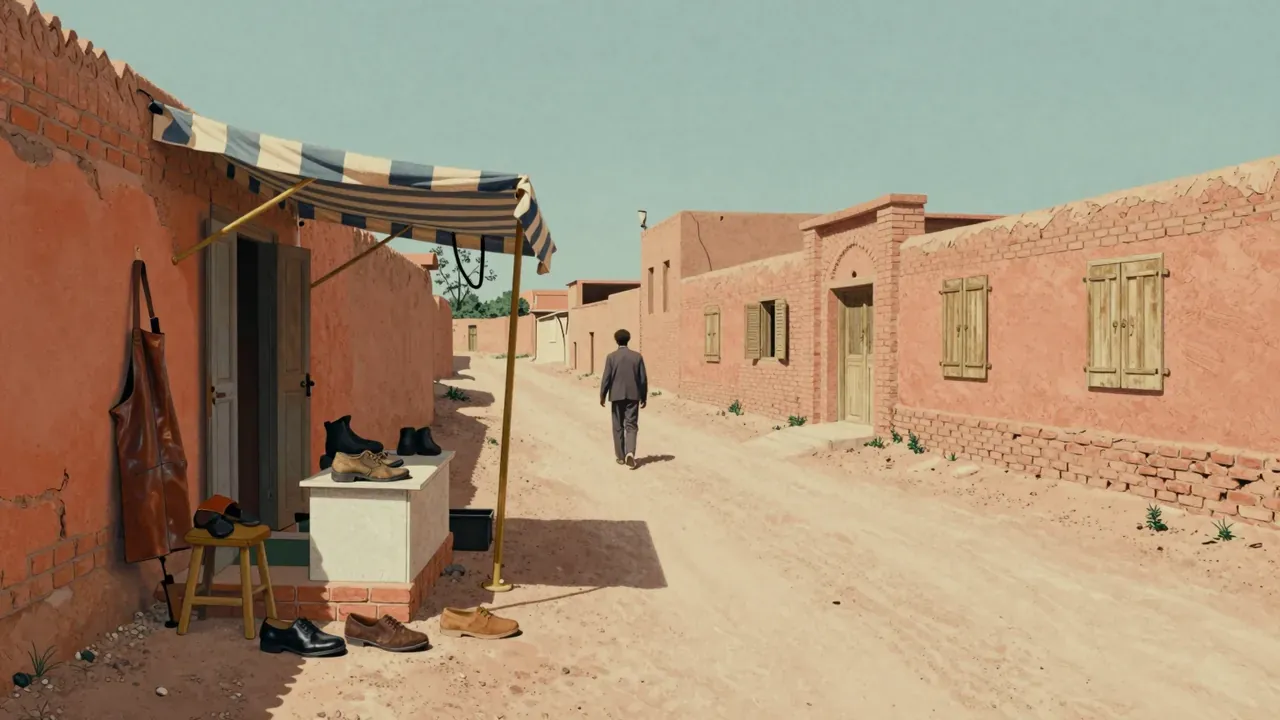
Abbas Kiarostami’s 1973 debut is a spare, fifty-three-minute drama following Mamad, an orphaned teenager working and sleeping in a Tehran photographic studio. After developing a quiet, unreciprocated attachment to a girl from a wealthier background, he visits her home to ask for work — and is met with silent refusal. Shot with minimal intervention and performed with understated precision by Mostafa Tari, the film observes social hierarchy not as theme but as atmosphere: embedded in gesture, architecture, and silence.

13:00

The Traveller

Abbas Kiarostami · 1974

Abbas Kiarostami’s 1974 film follows Qassem, a resourceful twelve-year-old in Malayer, Iran, as he lies, steals and scams his way to a football match in Tehran. Shot with observational restraint and no musical score, the film refuses to moralise or explain his behaviour. Instead, it traces the logic of childhood desire — pragmatic, unselfconscious, and indifferent to collateral damage — until the final, empty stadium becomes its clearest statement: effort does not guarantee meaning, and arrival does not imply understanding.

13:00

The Wind Will Carry Us

Abbas Kiarostami · 1999

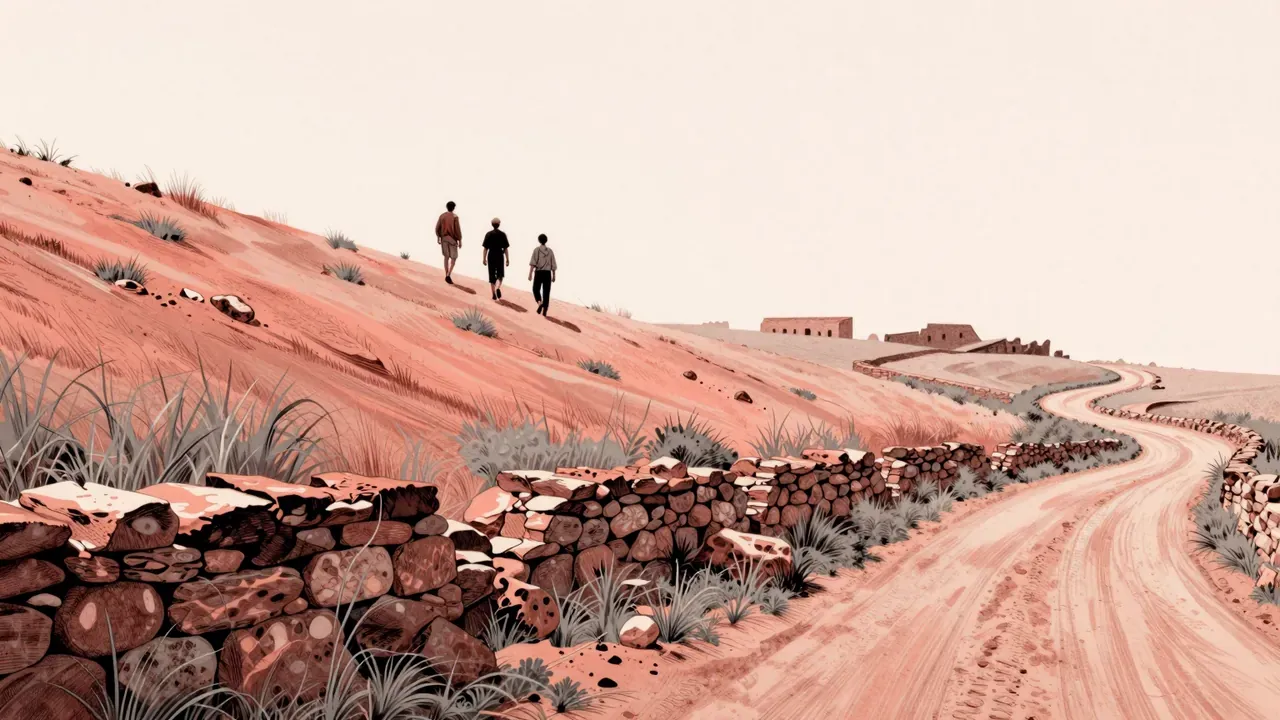
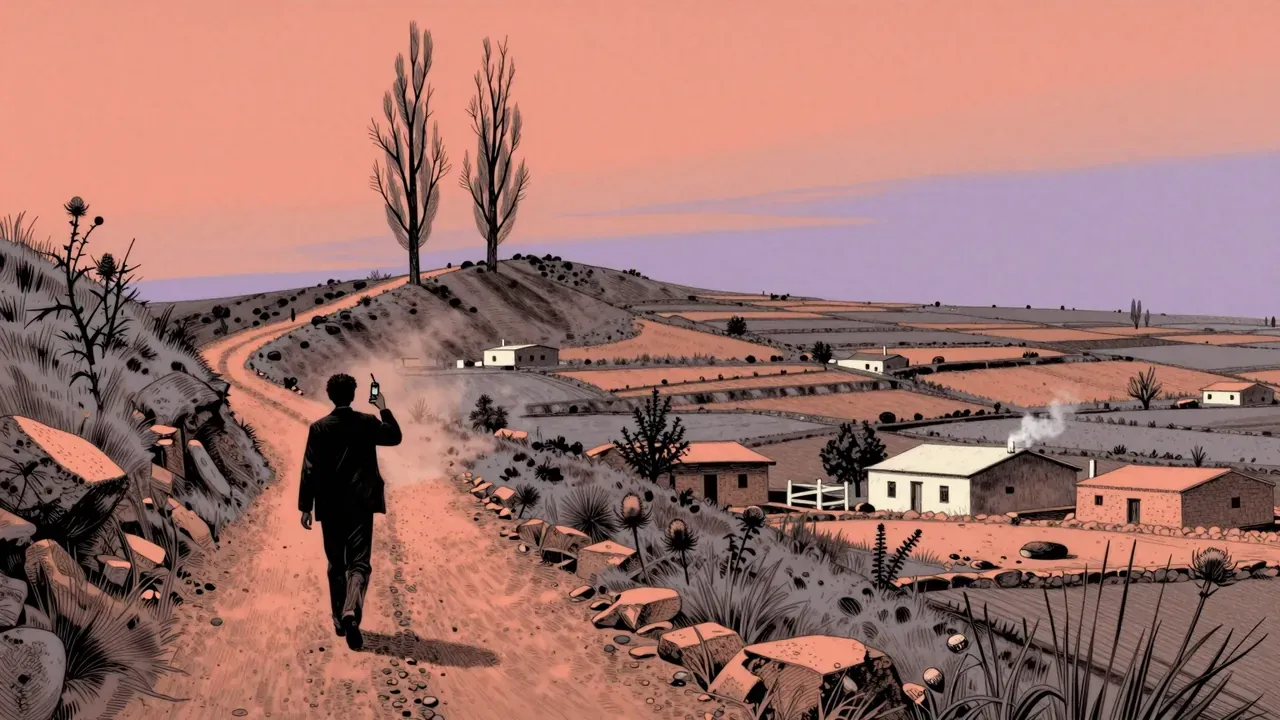
Abbas Kiarostami’s 1999 film follows a Tehran filmmaker who travels to a Kurdish village to document funeral rites for a dying woman. She does not die. Instead, the film unfolds in the suspended time between expectation and event — shaped by mobile signal, hilltop cemetery visits, a boy’s questions, and the quiet persistence of daily life. Shot by Mahmoud Kalari, edited and written by Kiarostami, it is a study in patience, mediation, and the weight of what remains unsaid.

13:00

Through the Olive Trees

Abbas Kiarostami · 1994

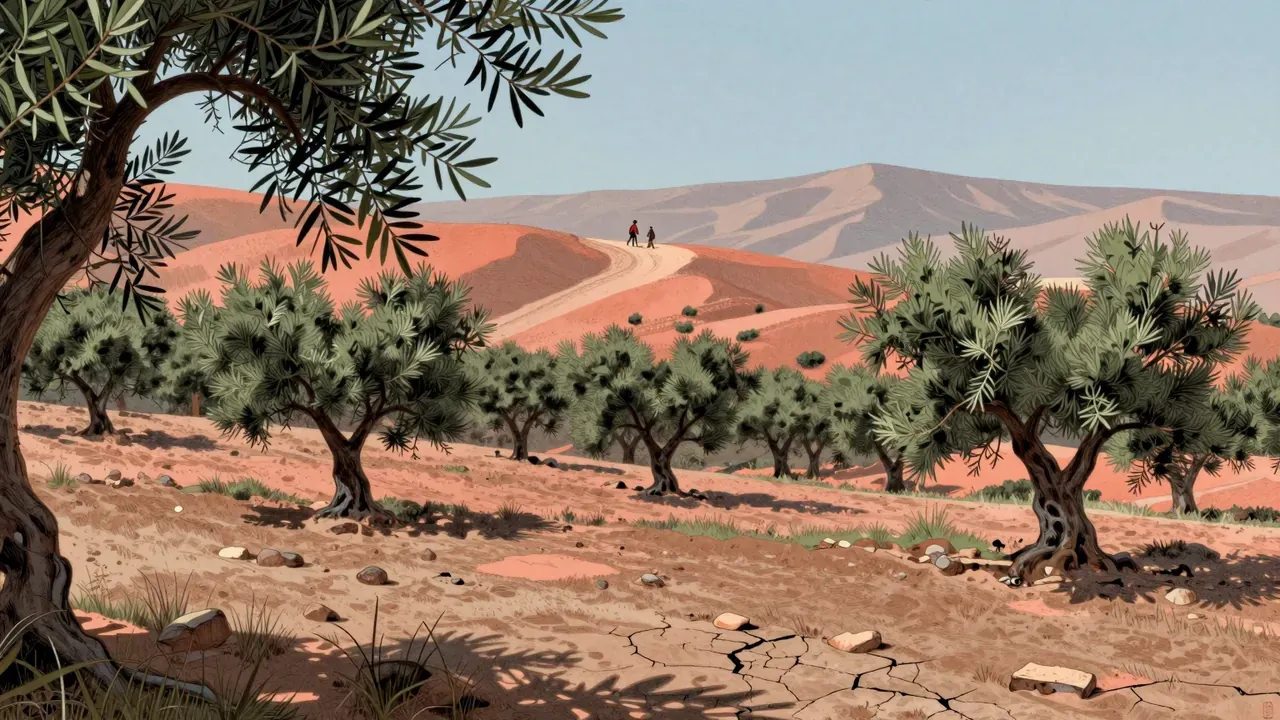
Through the Olive Trees (1994), Abbas Kiarostami’s final Koker trilogy film, observes the making of a film in post-earthquake northern Iran. A stonemason courts his co-star amid rehearsals, blurring fiction and reality. Shot in natural light with non-professional actors, it sustains ambiguity — especially in its iconic final scene — as a formal and moral choice. Neither documentary nor drama, it asks what it means to witness, represent, and persist without certainty.

13:00

Toothache

Abbas Kiarostami · 1980

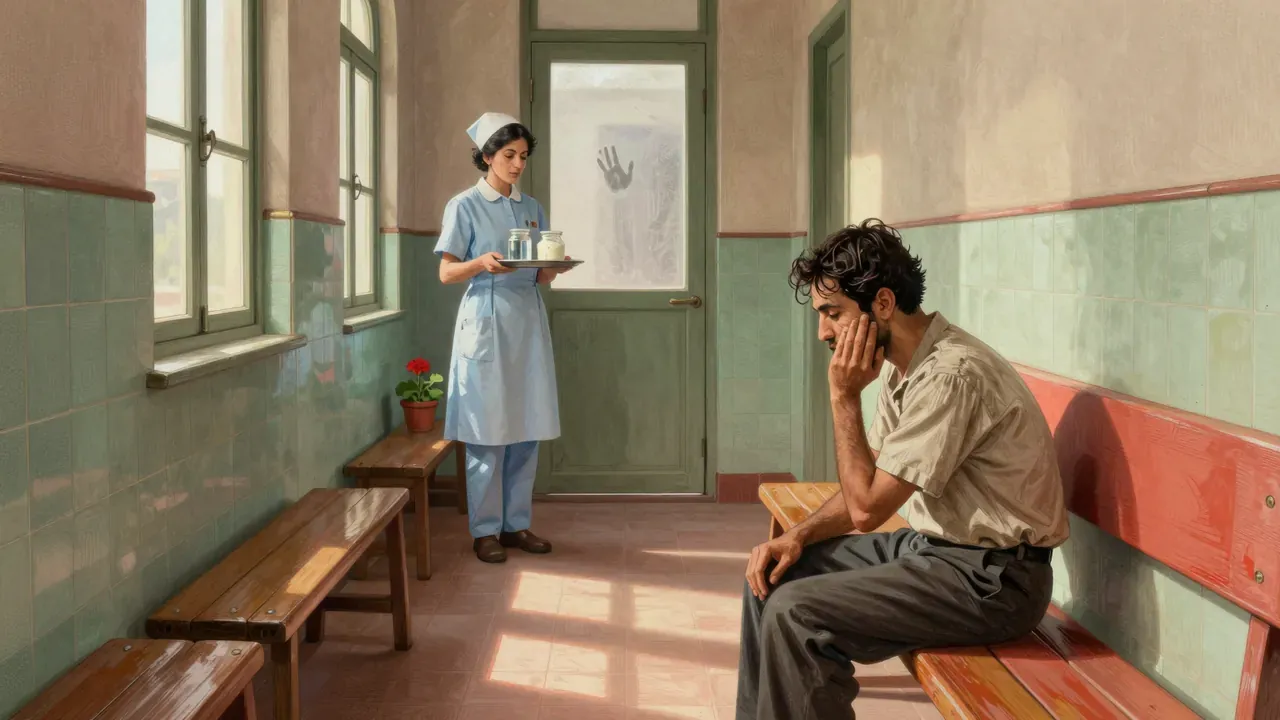
Abbas Kiarostami’s 1980 short Toothache is a rigorously functional educational film made for Iranian schoolchildren. Shot on 16mm at Kanoon, it traces a boy’s physical and social decline due to poor dental hygiene, culminating in a thirteen-minute direct-to-camera lecture by a dentist, punctuated by animated sequences and clinical footage. Its power lies in its unwavering commitment to pedagogy over artifice — a rare, unembellished record of how cinema can serve public health.

13:00

Tribute to the Teachers

Abbas Kiarostami · 1977

Tribute to the Teachers (1977) is a Persian-language drama written and directed by Abbas Kiarostami for Iran’s Institute for the Intellectual Development of Children and Young Adults. No plot details, cast list, or production credits beyond director and writer are publicly verifiable. It belongs to Kiarostami’s early institutional period, preceding his international breakthroughs. Without access to the film itself—or even a reliable synopsis—it remains a factual placeholder: a title attached to a date, a name, and a genre. Its significance lies in chronology and context, not in circulation or reception.

13:00

Two Solutions for One Problem

Abbas Kiarostami · 1975

Abbas Kiarostami’s 1975 short Two Solutions for One Problem presents two parallel resolutions to a minor conflict between two Iranian schoolboys over a torn exercise book. Filmed in static, natural light with no music or narration, it isolates choice as a visible, repeatable act — not a moral pronouncement, but a behavioural fact.

13:00

Where is the Friend's Home?

Abbas Kiarostami · 1987

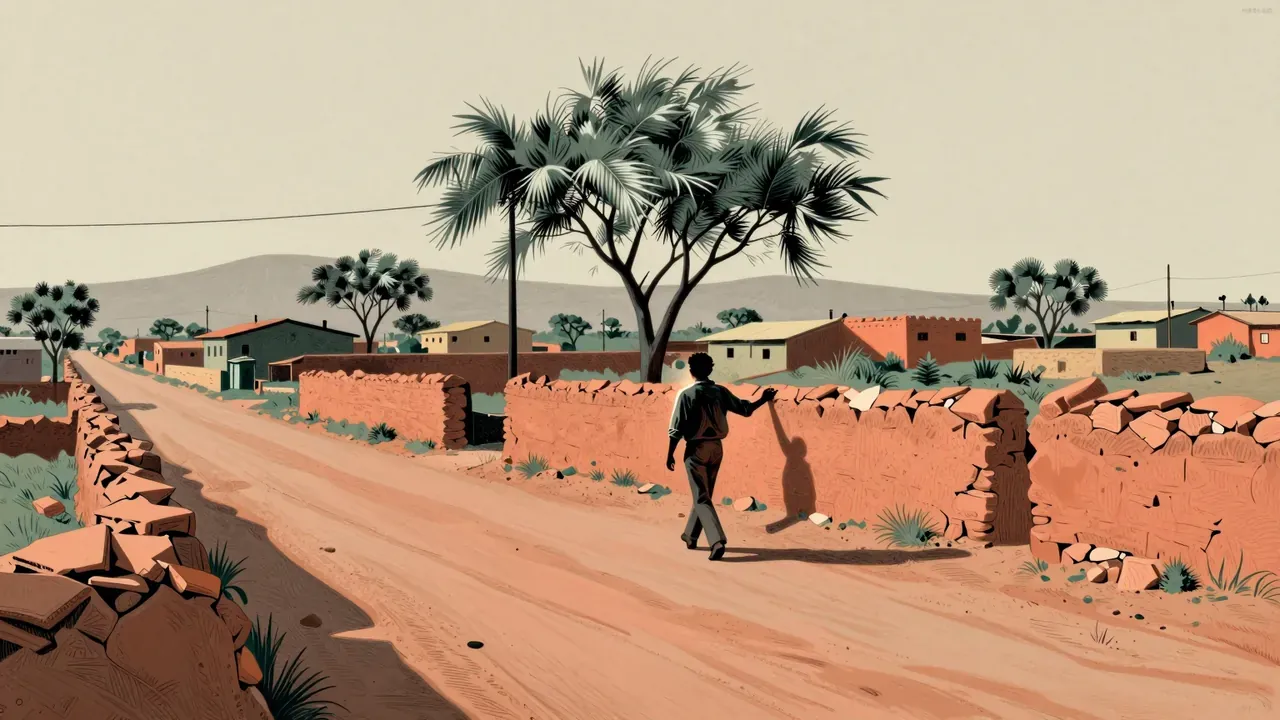
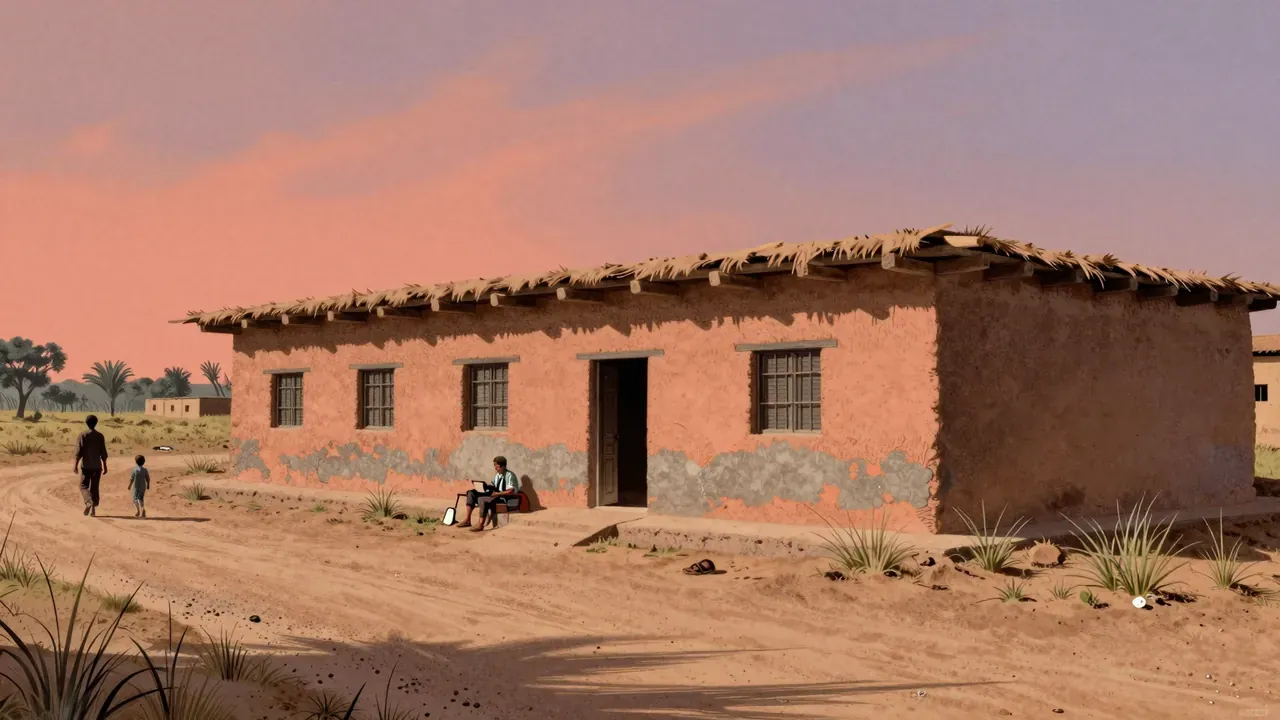
Abbas Kiarostami’s 1987 film follows eight-year-old Ahmad as he tries to return a classmate’s school notebook before the next day’s lesson, fearing expulsion. Set in rural Iran, it traces his walk between villages, his encounters with adults who fail to help, and his quiet determination to complete both boys’ homework when he cannot find the house. Shot in natural light with non-professional actors, it is a study in attention, obligation, and the unremarkable weight of small promises.

13:00

The White Balloon

Jafar Panahi · 1994

Set on the eve of the Iranian New Year, Jafar Panahi’s 1994 debut follows seven-year-old Razieh as she tries to buy a goldfish with her mother’s last banknote. When the money slips through a street grate, she and her brother enlist the help of a young Afghan balloon seller to retrieve it. Filmed in natural light, with no score and minimal dialogue, the film observes childhood not as innocence but as embodied negotiation — with space, time, language, and adult indifference.

13:00

Certified Copy

Abbas Kiarostami · 2010

Abbas Kiarostami’s 2010 film follows a British writer and a French antiques dealer through a single day in Tuscany. Their conversation begins as polite intellectual exchange, then slips — without announcement — into the rhythms of a long-married couple. Shot in natural light with minimal intervention, the film tests how identity, memory and intimacy are sustained not by fact but by repetition, gesture and shared silence.

13:00

Taste of Cherry

Abbas Kiarostami · 1997

Abbas Kiarostami’s 1997 Palme d’Or winner follows Badii, a Tehran man driving the city’s fringes in search of someone to bury him after he kills himself. With Homayoun Ershadi in a performance of near-total restraint, and Homayoun Payvar’s cinematography holding space without emphasis, the film builds meaning through repetition, silence, and landscape. Its power lies in what it omits — backstory, score, explanation — and in its radical final shift to documentary-style footage of the crew. It is arthouse cinema at its most disciplined: austere, ambiguous, and deeply humane.