Saved
Director · Screenwriter · Producer · Actor · Cinematographer · Editor · 1928–2019

Agnès Varda

19
briefs
13:00
average
247 min
in total
On film.briefs19
13:00

Cléo from 5 to 7

Agnès Varda · 1962

Agnès Varda’s 1962 French New Wave drama follows singer Cléo Victoire across 90 minutes of real time in Paris as she awaits biopsy results. Shot in natural light with minimal score, it centres Corinne Marchand’s physically precise performance and treats dread, identity, and connection as textures to be observed, not resolved. Structurally rigorous and emotionally unhurried, it remains a landmark of feminist, humanist filmmaking.

13:00

Daguerréotypes

Agnès Varda · 1975

Made in 1975 on Paris’s Rue Daguerre, Agnès Varda’s Daguerréotypes is a quietly radical documentary composed of static portraits of local shopkeepers and residents, all filmed within ninety metres of her home. Each subject answers three questions about origin and arrival, their responses left unedited and unframed by commentary. Nurith Aviv and William Lubtchansky’s cinematography is unobtrusive and naturalistic; Varda’s direction is resolutely local, anti-extractive, and typologically curious. The film treats the street as both subject and limit—offering not analysis, but sustained attention.

13:00

Documenteur

Agnès Varda · 1981

Made in Los Angeles in 1981, Documenteur follows Emilie, a Frenchwoman rebuilding daily life after separation, working as a typist and caring for her young son. Shot in English and interwoven with imagery from Varda’s documentary Mur Murs, the film treats the city’s murals as silent companions to private adjustment. With minimal plot, restrained performances, and a focus on light, texture, and repetition, it offers a delicate, unsentimental portrait of displacement as routine rather than rupture.

13:00

Faces Places

Agnès Varda, JR · 2017

Faces Places is a 2017 French documentary in which filmmaker Agnès Varda and artist JR travel rural France photographing local residents and pasting their enlarged portraits onto buildings and structures. The film documents their collaboration, their conversations, and the quiet impact of making people visible on their own terms — all while Varda confronts her failing eyesight and JR maintains his enigmatic presence behind dark glasses.

13:00

Jacquot de Nantes

Agnès Varda · 1991

Jacquot de Nantes (1991) is Agnès Varda’s tender, unhurried portrait of her husband Jacques Demy’s childhood in wartime Nantes. Blending dramatised scenes with documentary interludes and archival fragments, it traces his early fascination with film-making — not as spectacle, but as tangible craft: drawing, lighting, set-building, animation. Shot by Patrick Blossier, Agnès Godard and Georges Strouvé, with music by Joanna Bruzdowicz, it privileges material detail and quiet observation over narrative drive or psychological exposition.

13:00

Jane B. par Agnès V.

Agnès Varda · 1988

Agnès Varda’s 1988 essay-film Jane B. par Agnès V. is a collaborative, self-reflexive portrait of actress and singer Jane Birkin, conceived around her apprehension at turning forty. Blending real interviews with scripted vignettes in which Birkin plays invented roles, the film rejects linear biography in favour of variation, ambiguity, and playful artifice. Shot in English with a modest crew and naturalistic craft, it foregrounds Birkin’s presence — humorous, vulnerable, restless — over exposition or resolution. Though occasionally uneven in execution, its intelligence, warmth, and formal daring make it a singular work in Varda’s filmography and in the history of cinematic portraiture.

13:00

Kung Fu Master

Agnès Varda, Gordon Chan · 1988

Kung Fu Master (1988), co-directed by Agnès Varda and Gordon Chan and written by Jane Birkin, follows Mary-Jane, a woman in her forties, as she becomes emotionally entangled with Julien, a fourteen-year-old boy. Built around real-life family members and shot with observational restraint, the film avoids moral framing in favour of precise, unhurried attention to gesture, silence, and domestic space. Its power lies in what it refuses: explanation, escalation, catharsis. The narrative culminates not in confrontation but in divergence — memory, consequence, and time operating on irreconcilable terms.

13:00

La Pointe Courte

Agnès Varda · 1955

Agnès Varda’s 1955 debut interweaves a Parisian couple’s marital crisis with the daily resistance of Sète’s fishing quarter against a shellfish ban. Shot on location with locals and two professional actors, it blends fiction and documentary without hierarchy, trusting observation over exposition. Its quiet power lies in duration, texture, and the unforced coexistence of private and collective life.

13:00

Les Créatures

Agnès Varda · 1966

Agnès Varda’s 1966 Les Créatures follows a writer recovering from a car crash on the island of Noirmoutier, as his real-life experiences blur with the science-fiction novel he is drafting about mind control and communal collapse. Shot by Willy Kurant and edited by Janine Verneau, the film uses red tints, abrupt cuts, and layered performance to sustain ambiguity between fiction and reality. Though commercially unsuccessful and critically divided on release, it remains a rigorous, unsettling study of authorship, perception, and the messy birth of narrative.

13:00

Les glaneurs et la glaneuse... deux ans après

Agnès Varda · 2002

Two years after her acclaimed documentary about gleaning, Agnès Varda revisits its subjects and settings, filming herself as much as others. With handheld camerawork, unvarnished sound, and a gently recursive structure, the film measures time’s passage not in events but in textures — wrinkled skin, sprouting potatoes, reused objects, remembered conversations. It is a modest, self-aware extension of her earlier work, rooted in attention rather than argument.

13:00

Lions Love

Agnès Varda · 1969

Lions Love (1969), directed by Agnès Varda, is an English-language French arthouse comedy filmed in Los Angeles. It follows a fictional throuple — played by Viva, Gerome Ragni, and James Rado — hosting filmmaker Shirley Clarke in their Beverly Hills home. Blending scripted scenes, documentary insertions, and meta-cinematic interventions, the film interrogates authorship, countercultural commodification, and the gendered labour of collaboration. With a score by Joseph Byrd and editing by Robert Dalva, it sustains a deliberate tonal ambiguity, refusing satire or nostalgia in favour of structural scrutiny. Though demanding and referential, it rewards attentive viewing as a precise, unsentimental portrait of a pivotal cultural moment.

13:00

Mural Murals

Agnès Varda · 1982

Agnès Varda’s 1981 documentary Mur Murs observes the painted walls of Los Angeles, focusing on Chicano-led muralism in working-class neighbourhoods. Shot on location with minimal intervention, it pairs static images of murals with layered narration and interviews, treating walls as sites of communal memory and political expression. The film avoids exposition, instead trusting texture, duration, and specificity to convey meaning.

13:00

One Hundred and One Nights

Agnès Varda · 1995

Agnès Varda’s One Hundred and One Nights (1995) is a French comedy essay-film set over 101 nights at a château belonging to Simon Cinéma, a centenarian film veteran whose fading memory blurs reality and reel. Starring Michel Piccoli and featuring cameos from Marcello Mastroianni, Anouk Aimée, Alain Delon, and others, it weaves scripted scenes with archival clips and playful allusion to celebrate cinema’s first hundred years — not as chronicle, but as collective, tactile memory.

13:00

One Sings, the Other Doesn't

Agnès Varda · 1977

One Sings, the Other Doesn’t (1977) follows Pomme and Suzanne across fourteen years of personal and political change in France. Directed and written by Agnès Varda, it charts their friendship through illegal abortion, protest, motherhood, clinic work, and reunion — all rendered with quiet precision, natural light, and minimal score. Charles Van Damme’s cinematography and Varda’s narration structure the story around letters, songs, and real-life activism, including a recreation of the 1972 Bobigny abortion trial demonstration. The film avoids didacticism, treating feminism as daily practice rather than theory.

13:00

The Beaches of Agnès

Agnès Varda · 2008

The Beaches of Agnès is a 2008 French documentary essay directed by Agnès Varda, in which she revisits places, people and objects from her life to mark her eightieth birthday. Using mirrors on beaches, stills, home movies, and everyday artefacts, she builds a portrait that privileges texture over timeline, presence over exposition. Shot and edited with Hélène Louvart and Marie-Josèphe Yoyotte, with music by Joanna Bruzdowicz, it won the César Award for Best Documentary in 2009.

13:00

The Gleaners and I

Agnès Varda · 2000

Made in 2000, Agnès Varda’s The Gleaners and I is a self-reflexive French documentary shot on early digital video. Travelling across rural and suburban France, Varda observes people who glean—collecting leftover crops, discarded food, or abandoned objects—for reasons ranging from need to artistry. She includes chefs, lawyers, artists, and farmers, and inserts herself as both filmmaker and subject, filming her ageing hands, her grey hair, and even her lens cap swinging at her side. The film avoids thesis or resolution, favouring accumulation, texture, and quiet observation. It won the European Film Award for Best Documentary and has since been ranked among the greatest documentaries and 21st-century films by multiple critics’ polls.

13:00

Uncle Janco

Agnès Varda · 1967

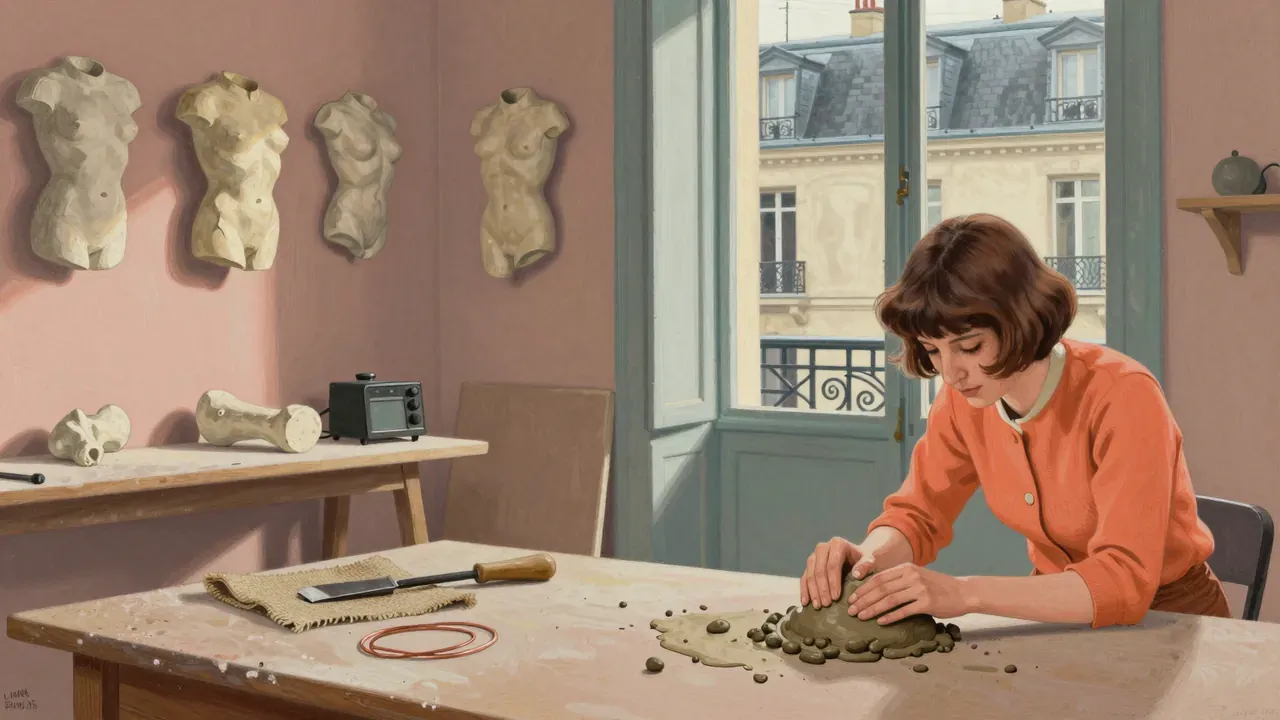
Agnès Varda’s 1967 documentary Uncle Janco observes Romanian-born sculptor Marcel Janco in his Paris studio over 22 minutes. With no narration, no interviews, and no contextual framing, the film rests on sustained observation: Janco’s speech, his handling of materials, and the quiet rhythm of his daily practice. It is a study in presence, not biography — a work that values tactile knowledge and embodied memory over exposition or historical positioning.

13:00

Vagabond

Agnès Varda · 1985

Agnès Varda’s 1985 film follows Mona Bergeron, a young woman who dies alone in a French vineyard ditch. Through fragmented flashbacks and interviews with those who briefly crossed her path, the film traces her final winter of wandering — hitchhiking, sleeping rough, doing odd jobs — without explaining her motives or offering redemption. Shot in austere natural light across southern France, it refuses psychological exposition or narrative resolution, insisting instead on the physical reality of her decline and the limits of others’ understanding.

13:00

Varda by Agnès

Agnès Varda · 2019

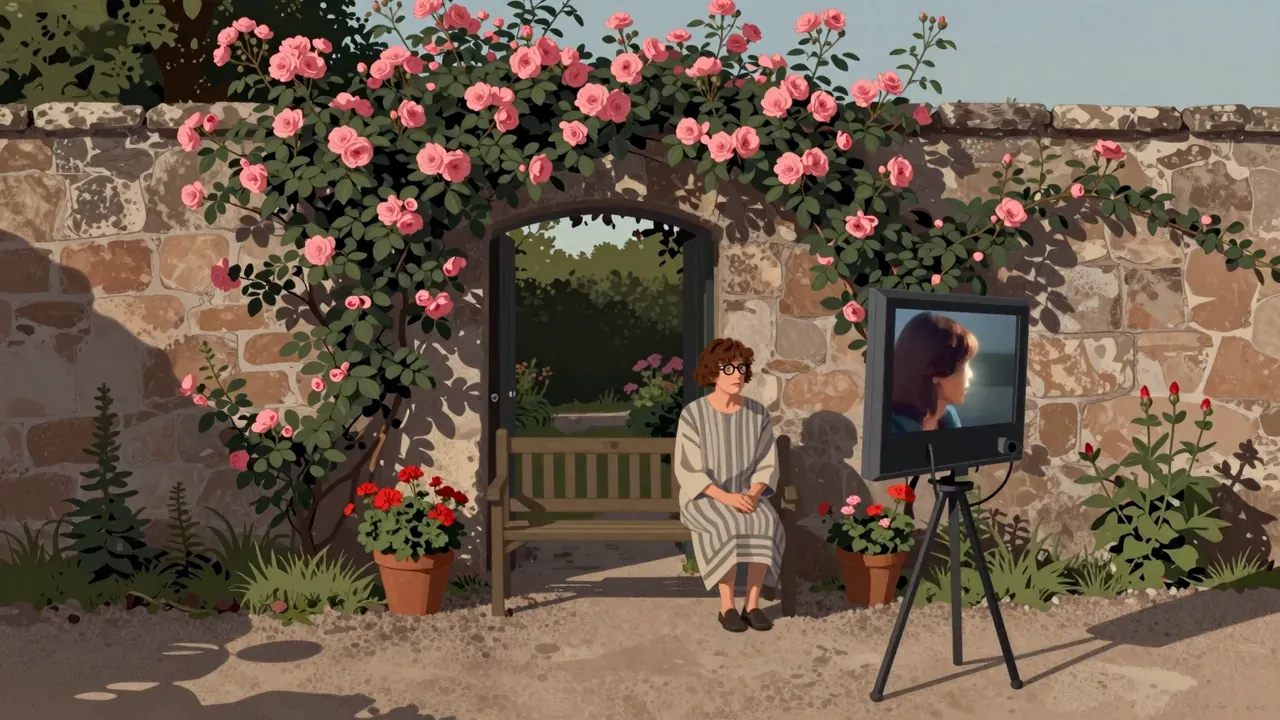
Varda by Agnès is Agnès Varda’s last film: a self-directed documentary in which, at eighty-nine, she reflects on her six-decade career in photography and film. Seated, speaking directly to camera, she watches excerpts from her own work and comments on them with characteristic clarity, wit and warmth. Structured around the words inspiration, creation and sharing, it is less a historical account than an act of sustained authorial presence — intimate, unhurried, materially attentive. Edited by Varda herself, it privileges texture, recurrence and silence over exposition or argument.