filmbriefs
Director

Tokuzō Tanaka

3
briefs
13:00
average
39 min
in total
On film.briefs3
13:00

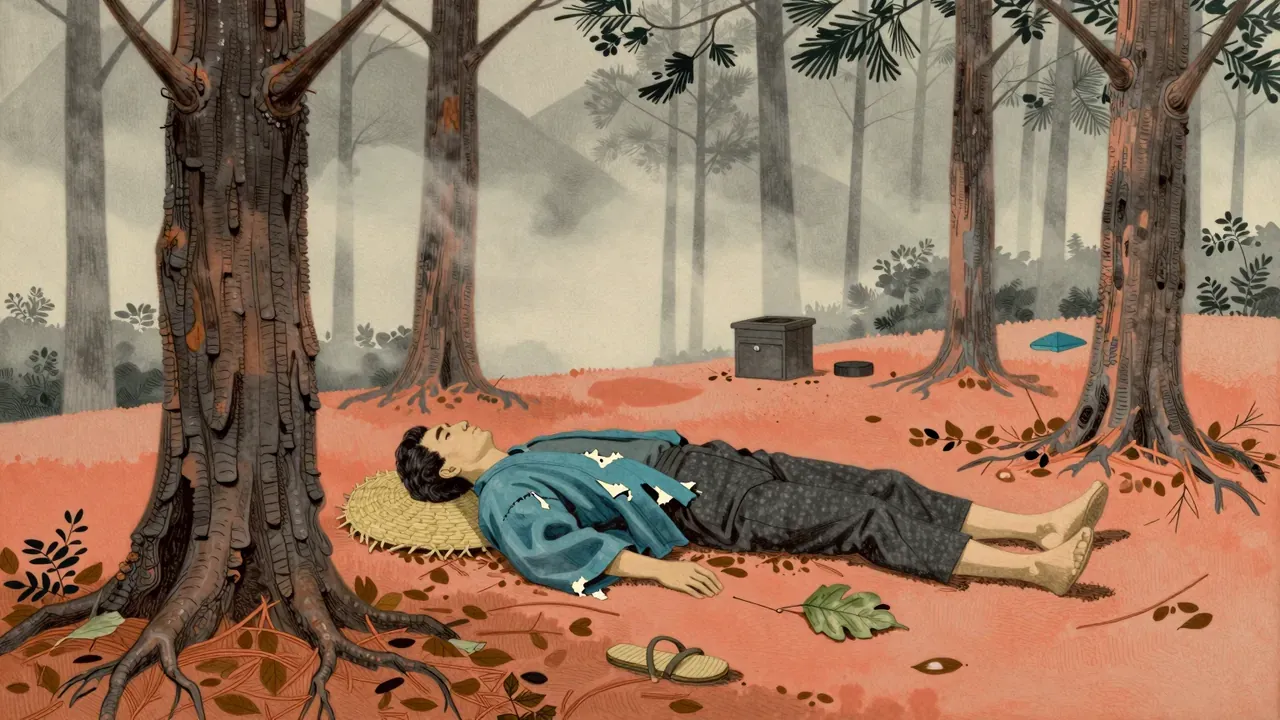
New Tale of Zatoichi

Tokuzō Tanaka · 1963

New Tale of Zatoichi (1963), directed by Tokuzō Tanaka, is the third and first colour entry in Daiei Film’s Zatoichi series. Shintarō Katsu returns as the blind masseur and swordsman Ichi, who attempts to live by a vow of non-violence — only to face moral collapse in his old village, where his former master has allied with criminals and his childhood friend’s family lives in poverty. Structured around restraint rather than action, the film uses muted colour, sparse dialogue, and deliberate pacing to explore fidelity, quiet corruption, and the asymmetry of mercy. It ends not with resolution but with solitary departure at dawn.
13:00

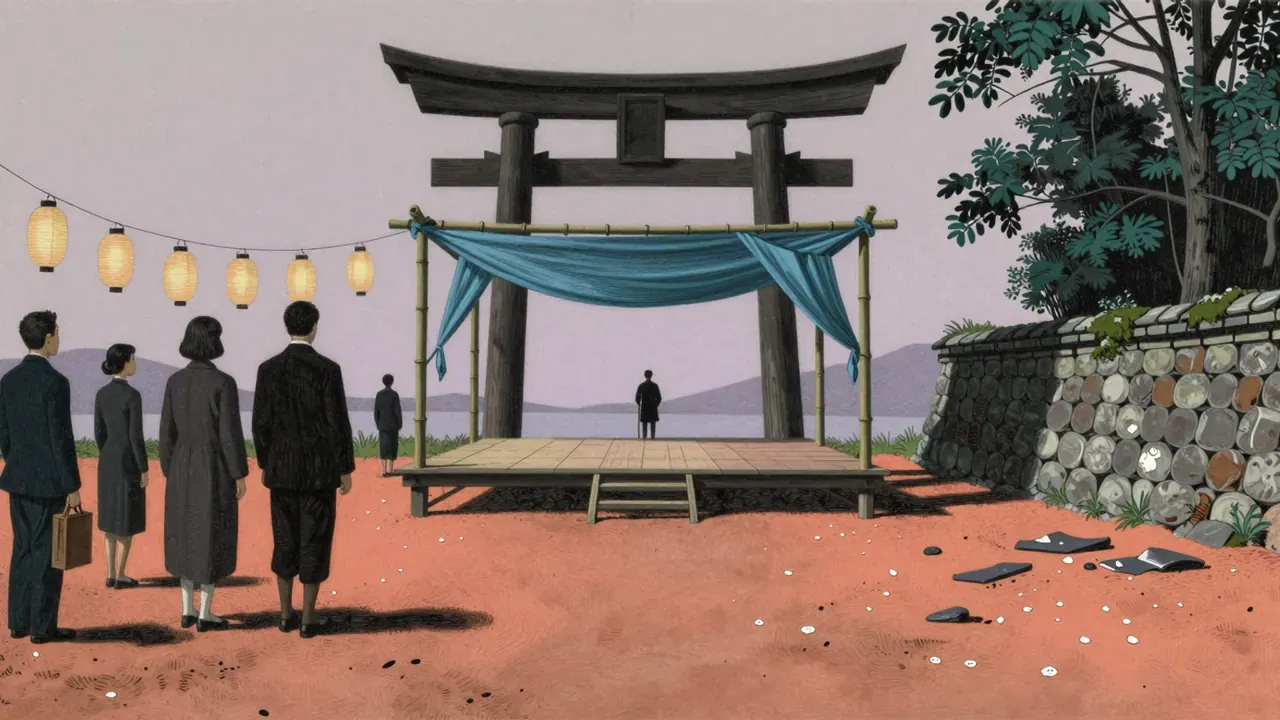
Zatoichi the Fugitive

Tokuzō Tanaka · 1963

Zatoichi the Fugitive (1963), the fourth film in Daiei’s long-running chambara series, follows the blind swordsman as he enters a yakuza-controlled town, wins a sumo match, kills a bounty hunter, confronts a grieving matriarch, and becomes entangled in a succession crisis. Directed by Tokuzō Tanaka and starring Shintarō Katsu, it relies on precise staging, sparse music by Akira Ifukube, and performances rooted in implication rather than declaration. Its strength lies in economy: every scene advances moral or social logic, not just plot. It assumes familiarity with the character’s ethos and rewards attention to gesture, silence, and recurring motifs — making it essential viewing within the series, but less accessible in isolation.

13:00

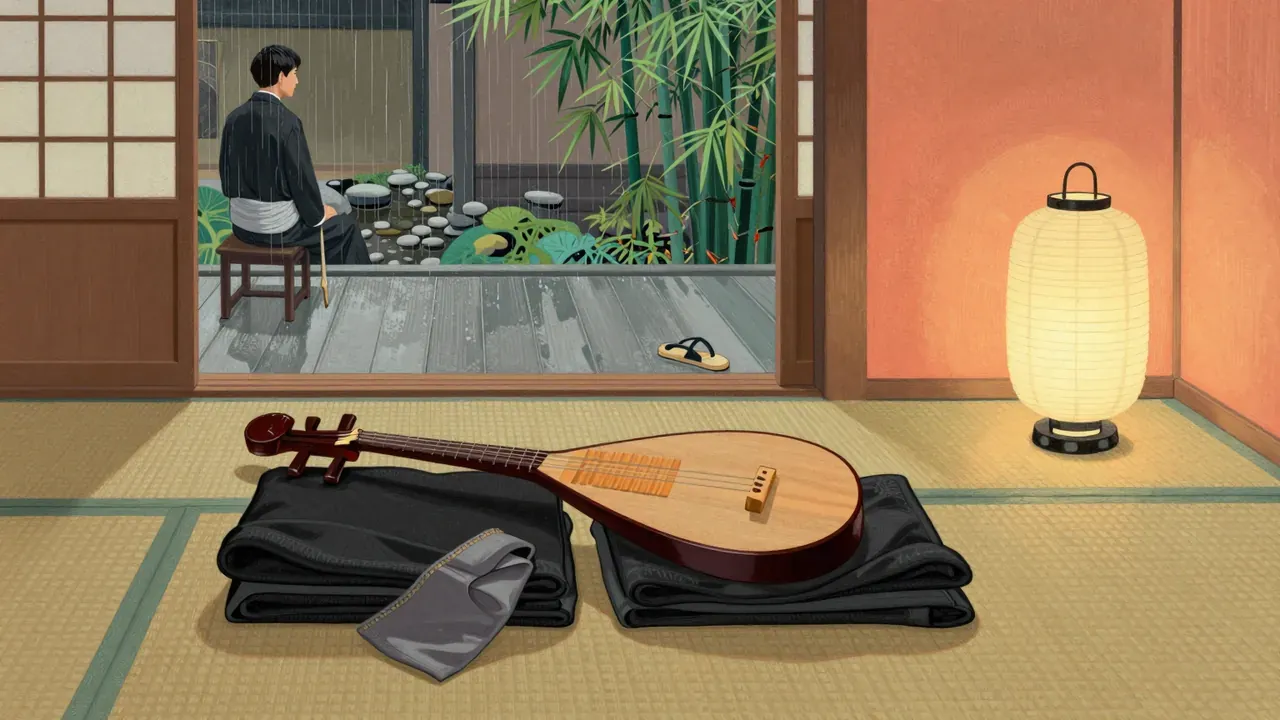
Zatoichi's Vengeance

Tokuzō Tanaka · 1966

The thirteenth Zatoichi film, released in 1966 by Daiei Film, follows the blind masseur as he carries a dying man’s burden into a yakuza-controlled town preparing for its thunder drum festival. Directed by Tokuzō Tanaka and starring Shintarō Katsu, it relies on Kazuo Miyagawa’s understated cinematography and Akira Ifukube’s percussive score to sustain its episodic, morally calibrated chambara rhythm.