Saved
Director · Composer · Screenwriter · Actor · Producer · Editor · 1932–2021

Melvin Van Peebles

4
briefs
13:00
average
52 min
in total
On film.briefs4
13:00

Don't Play Us Cheap

Melvin Van Peebles · 1973

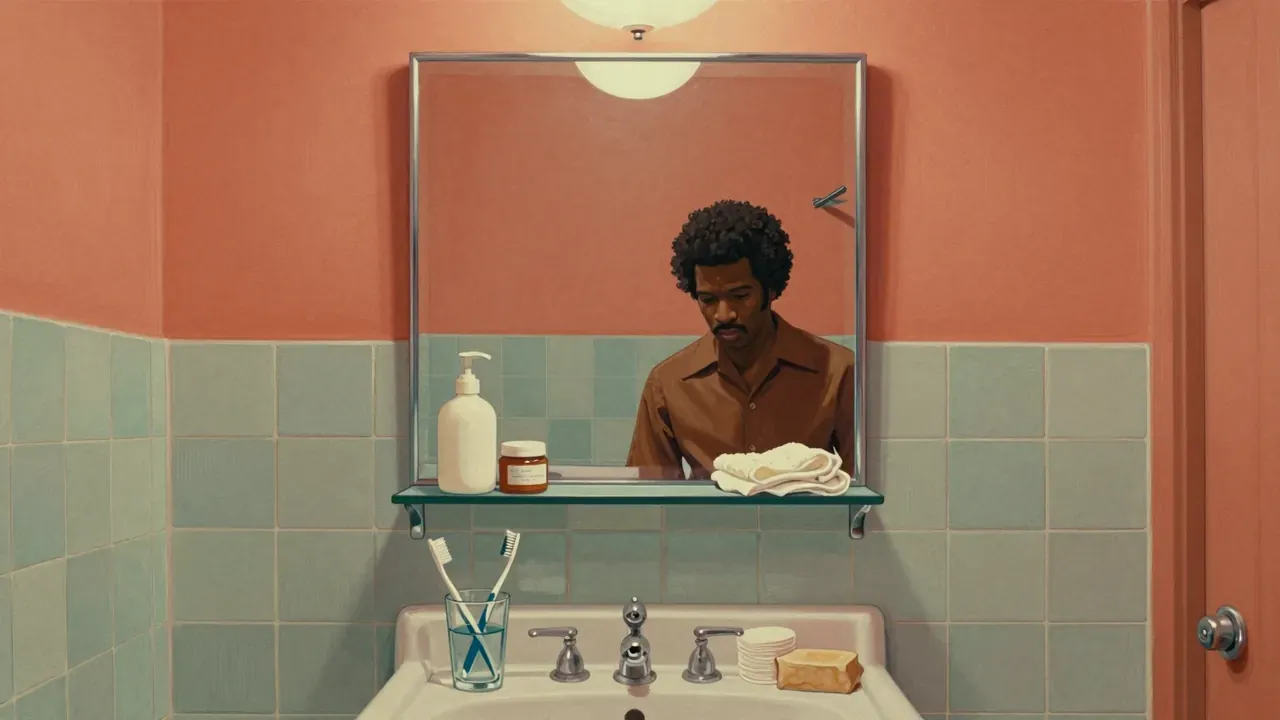
Melvin Van Peebles’ 1973 musical film adapts his stage work into a vibrant, low-budget allegory: two demons infiltrate a Harlem birthday party to break it up, only to be undone by song, solidarity, and the unassailable groove of everyday Black life. Shot on location with a cast of stage veterans and non-professionals, it treats gospel, soul, and doo-wop as tools of social analysis — not backdrop. Its themes of communal resilience, class critique, and joy-as-resistance remain urgent, its form deliberately anti-spectacle.

13:00

Sweet Sweetback's Baadasssss Song

Melvin Van Peebles · 1971

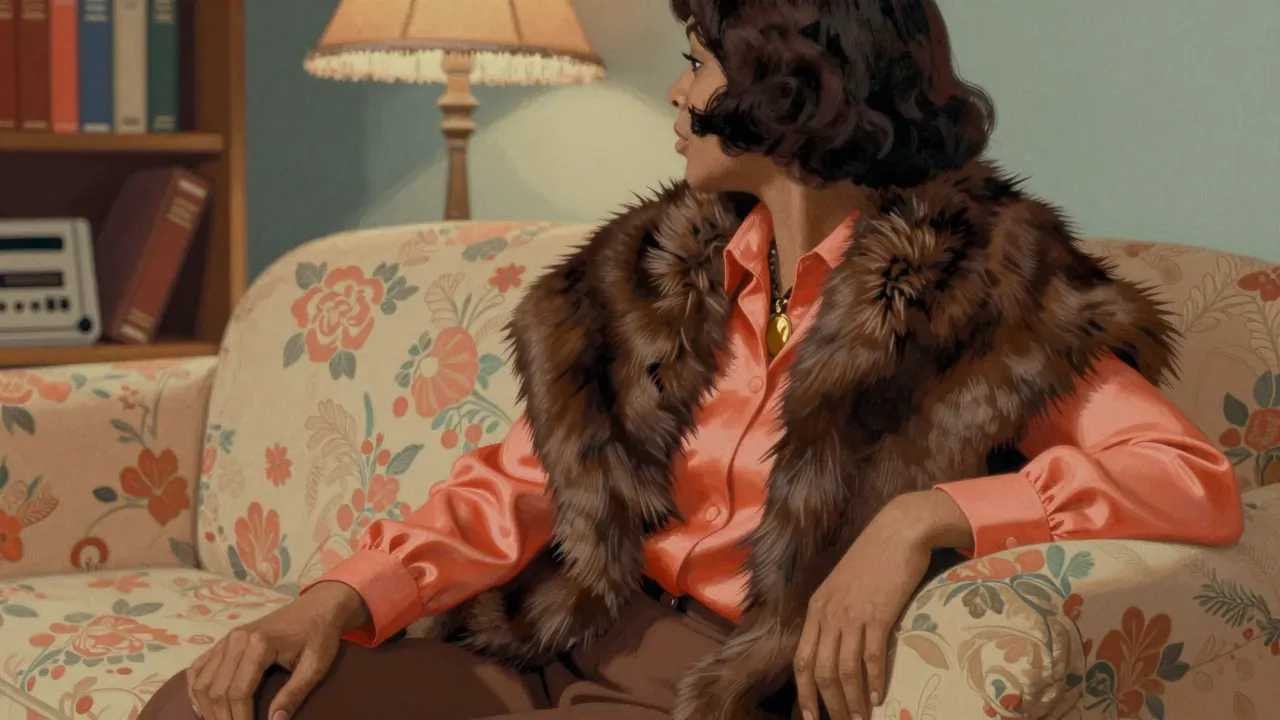
Melvin Van Peebles’ 1971 independent film follows a Black performer fleeing police after intervening in an act of brutality. Made outside studio systems, with Van Peebles writing, directing, editing, scoring, producing, and starring, it uses rapid montage, percussive music by Earth, Wind & Fire, and raw physical performance to assert Black autonomy. Its influence on blaxploitation and independent Black cinema is widely acknowledged, and it was added to the US National Film Registry in 2020.

13:00

The Story of a Three-Day Pass

Melvin Van Peebles · 1967

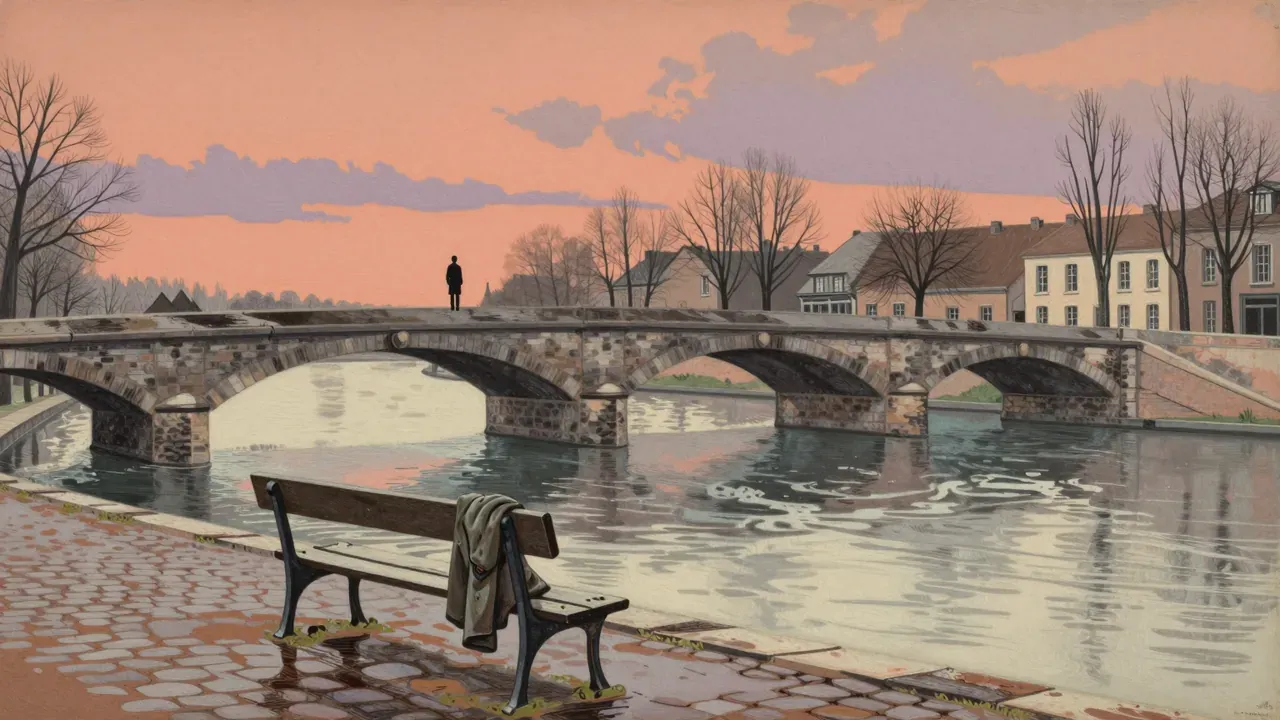
Melvin Van Peebles’s debut feature follows Turner, a Black US soldier on a three-day pass in France, as he meets and falls for Miriam, a white French shop clerk. Shot in Paris with a small crew and budget, the film traces their brief, tender, and fraught connection against a backdrop of Cold War militarism and unspoken racial hierarchy. Its power lies in understatement: long takes, sparse dialogue, and psychologically charged silences convey more than exposition ever could.

13:00

Watermelon Man

Melvin Van Peebles · 1970

A 1970 Columbia Pictures satire directed by Melvin Van Peebles, in which a bigoted white insurance salesman wakes up black and confronts the immediate, unvarnished consequences of racialised systems — housing, work, medicine, marriage. Written by Herman Raucher and starring Godfrey Cambridge, it uses allegory, not realism, to dissect liberal complicity and structural exclusion. Its power lies in its restraint, its refusal to explain, and its unwavering focus on consequence over cause.