filmbriefs
Editor

Eraldo Da Roma

5
briefs
13:00
average
65 min
in total
On film.briefs5
13:00

Eclipse

Michelangelo Antonioni · 1962

Michelangelo Antonioni’s 1962 film Eclipse follows Vittoria, a young translator in Rome, as she moves through relationships, family, and the city’s modern architecture without ever anchoring herself emotionally or narratively. Shot by Gianni Di Venanzo and scored by Giovanni Fusco, it is the final part of Antonioni’s existential trilogy, notable for its radical ellipses, its unbending pace, and its famously wordless final sequence.

13:00

L'Avventura

Michelangelo Antonioni · 1960

Michelangelo Antonioni’s 1960 drama L'Avventura follows the aftermath of a woman’s disappearance during a Mediterranean yachting trip. Rather than pursuing mystery or motive, it lingers in the emotional drift of those left behind — particularly Sandro and Claudia — using long takes, austere compositions, and restrained performances to explore alienation, moral inertia, and the quiet collapse of shared meaning. Shot on location across Sicily and the Aeolian Islands under difficult conditions, it marked a turning point in arthouse cinema and remains a benchmark for formal rigour and emotional precision.

13:00

Red Desert

Michelangelo Antonioni · 1964

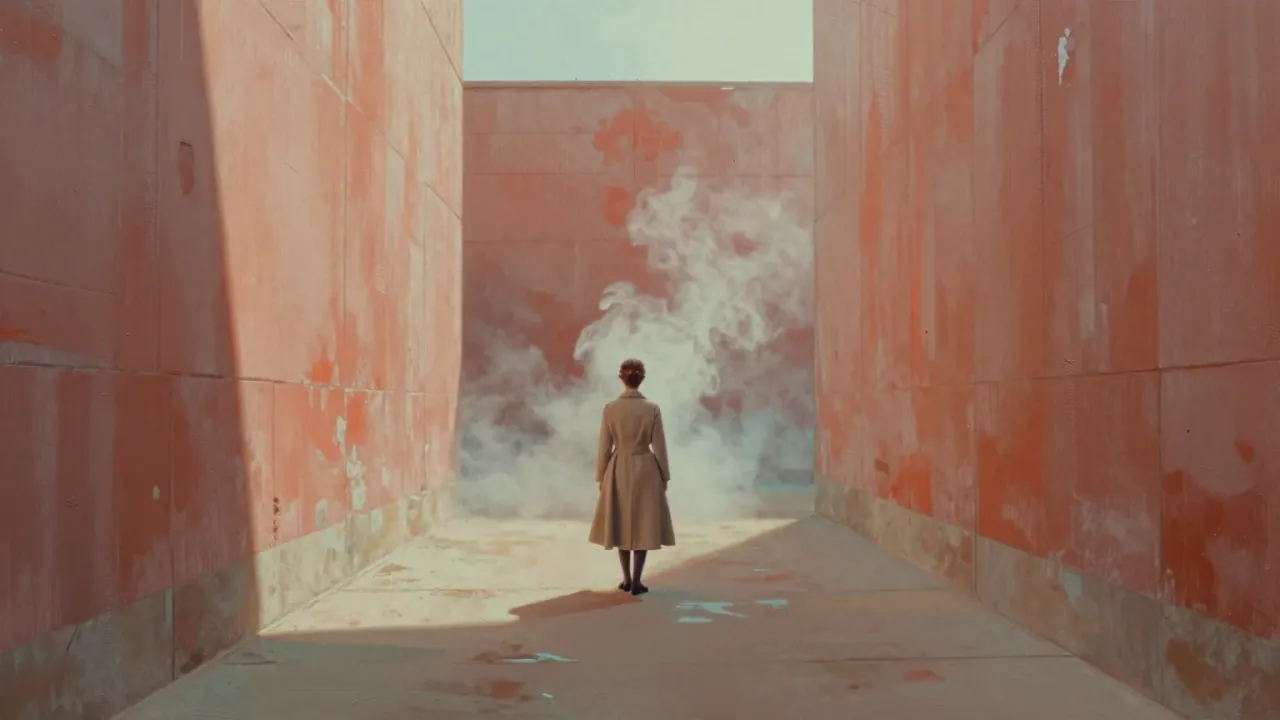
Michelangelo Antonioni’s 1964 colour debut follows Giuliana, a woman adrift in the industrial landscape of post-war Ravenna. Shot by Carlo Di Palma and starring Monica Vitti, it renders her disorientation not through exposition but through manipulated hues, flattened perspectives and layered industrial sound. A Golden Lion winner, it resists diagnosis, preferring to make perception itself the subject.

13:00

Umberto D.

Vittorio De Sica · 1952

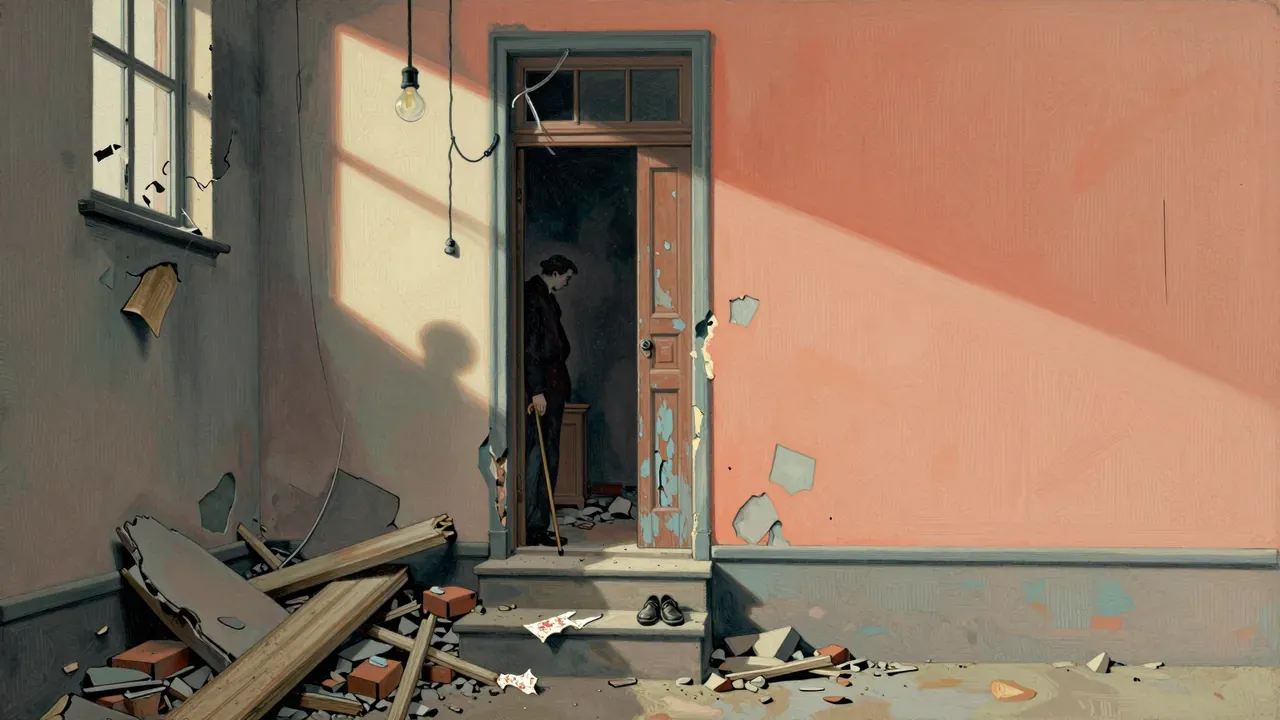
A retired Roman civil servant struggles to keep his room, his dignity, and his dog in post-war Italy. Directed by Vittorio De Sica and written by Cesare Zavattini, this 1952 neorealist drama uses non-professional actors, restrained cinematography, and a tightly focused narrative to depict ageing, dependency, and quiet endurance without sentiment or solution.

13:00

Bicycle Thieves

Vittorio De Sica · 1948

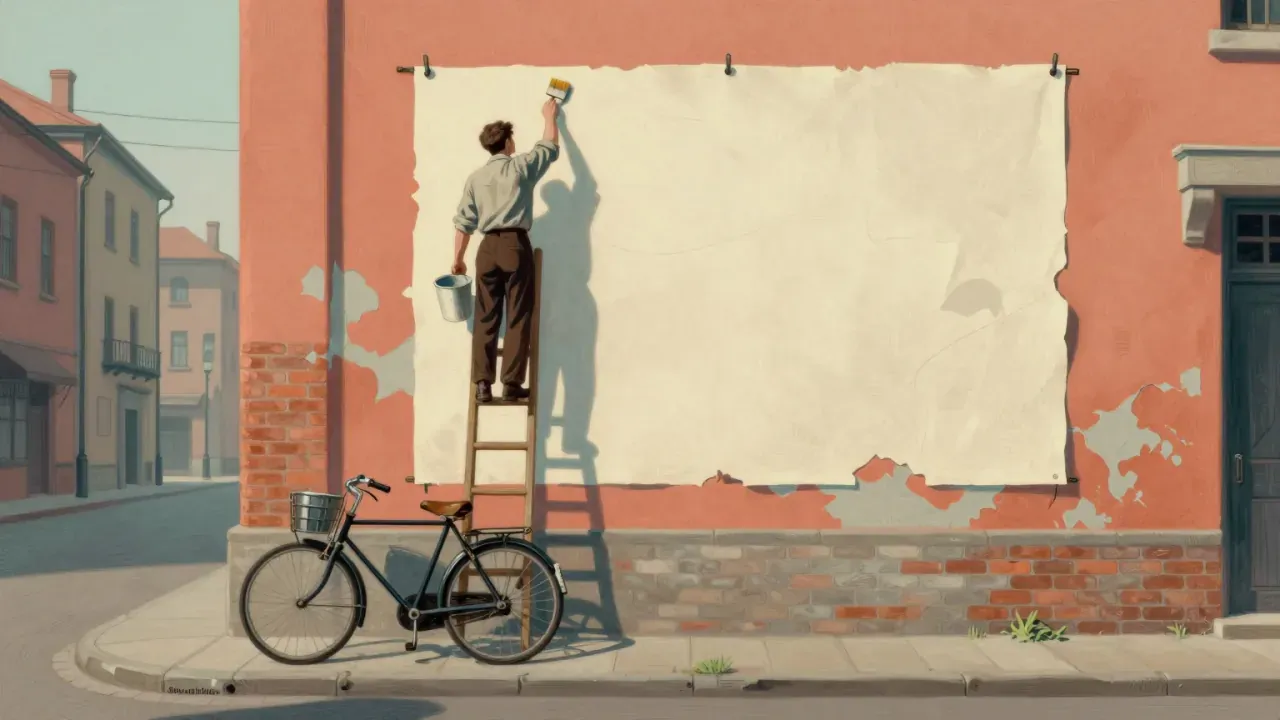
Vittorio De Sica's 1948 film follows Antonio Ricci, newly hired to paste up film posters across postwar Rome, whose bicycle, pawned to buy back for the job, is stolen within hours of his first shift. He and his young son Bruno spend the rest of the film combing the city's markets and streets for it, with almost no professional actors in the cast and much of it shot on location. Made for around $133,000, it won an honorary Academy Award before the foreign-language category existed and has been cited since as one of the clearest statements of Italian neorealism.