filmbriefs
Composer · 1928–2020

Ennio Morricone

16
briefs
13:00
average
208 min
in total
On film.briefs16
13:00

Arabian Nights

Pier Paolo Pasolini · 1974

Pier Paolo Pasolini’s 1974 Arabian Nights is the final film of his ‘Trilogy of Life’, adapting fragments from the One Thousand and One Nights across real locations in Yemen, Iran, Ethiopia and Nepal. It abandons the frame narrative to focus on bodily pleasure, poetic recitation and episodic storytelling, using non-professional actors, long takes and Ennio Morricone’s sparse score. Though formally daring and visually rich, its resistance to psychology and narrative cohesion divides viewers. It won the Cannes Grand Prix in 1974.
13:00

Days of Heaven

Terrence Malick · 1978

Terrence Malick’s 1978 period drama follows migrant workers in 1916 Texas who entangle themselves in deception and desire on a wealthy farmer’s estate. Shot almost entirely in magic hour by Néstor Almendros, it prioritises image and atmosphere over narrative exposition. Linda Manz’s improvised narration anchors its elliptical structure. Though commercially modest, it won the Academy Award for Best Cinematography and has since been canonised for its painterly realism and meditative pacing.

13:00

Fists in the Pocket

Marco Bellocchio · 1965

Marco Bellocchio’s 1965 debut is a stark, black-and-white drama about a young epileptic man who plots to kill his dysfunctional family. Set in a provincial Italian villa, it uses rigorous composition, sparse sound, and restrained performances to explore inheritance, enclosure, and moral inertia — not as ideas, but as lived conditions.

13:00

Investigation of a Citizen Above Suspicion

Elio Petri · 1970

Elio Petri’s 1970 Italian crime satire follows a high-ranking police inspector who kills his mistress and then manipulates the ensuing investigation to confirm he is above suspicion. Starring Gian Maria Volonté and scored by Ennio Morricone, it uses stark formal control to dissect the mechanics of institutional impunity — not as corruption, but as routine. It won the Cannes Grand Prix, the David di Donatello for Best Film, and the Oscar for Best International Feature.

13:00

La Cage aux Folles

Édouard Molinaro · 1978

La Cage aux Folles (1978) is a French-Italian comedy directed by Édouard Molinaro, adapted from Jean Poiret’s play. Ugo Tognazzi and Michel Serrault star as Renato and Albin, a gay couple running a Saint-Tropez drag club, who must impersonate straight respectability when their son brings home ultraconservative in-laws. Shot on location and in Rome studios, with music by Ennio Morricone, it balances farcical escalation with quiet emotional precision. Though some gags and politics feel dated, its performances, timing and commitment to its own logic remain compelling.

13:00

Salò, or the 120 Days of Sodom

Pier Paolo Pasolini · 1975

Pasolini’s final film transposes de Sade’s novel to Mussolini’s puppet republic in 1944, depicting four fascist libertines who subject eighteen teenagers to escalating physical, sexual and psychological violation over four months. Structured like Dante’s Inferno and shot with forensic restraint by Tonino Delli Colli, it treats cruelty as bureaucracy and the body as commodity. Its themes — power, nihilism, fascism, consumerism — are rendered without ornament or release. Controversial on release and banned in several countries, it remains a demanding, unflinching inquiry into authority unmoored from consequence.

13:00

Teorema

Pier Paolo Pasolini · 1968

Pier Paolo Pasolini’s 1968 Teorema is a rigorously structured allegory in which a mysterious visitor disrupts an upper-class Milanese family, triggering identical psychological ruptures in each member. Shot by Giuseppe Ruzzolini and scored by Ennio Morricone, it proceeds like a mathematical theorem — with premises, operations, and irreversible conclusions — rather than a conventional drama. Its power lies in formal discipline, not emotional appeal.

13:00

The Canterbury Tales

Pier Paolo Pasolini · 1972

Pier Paolo Pasolini’s 1972 film adapts eight of Chaucer’s tales as a vibrant, painterly, and deliberately anachronistic re-creation of medieval England. Shot in England with English dialogue later dubbed into Italian, it features a mix of British actors and non-professionals, and draws visual inspiration from Bosch, Bruegel, and Antonello da Messina. The film foregrounds bodily experience, class conflict, and clerical hypocrisy, rejecting literary fidelity in favour of ideological and sensual immediacy.

13:00

The Decameron

Pier Paolo Pasolini · 1971

Pier Paolo Pasolini’s 1971 film adapts Boccaccio’s Decameron into a dialect-rich, episodic satire shot across southern Italy and France. Rejecting historical fidelity, it transplants medieval tales to Naples and Caserta to critique regional inequality, clerical hypocrisy, and the commodification of desire. Tonino Delli Colli’s naturalistic cinematography, Ennio Morricone’s curated folk-and-liturgical score, and performances rooted in physical truth anchor its polemical energy. Though structurally loose and tonally relentless, it remains a rigorous, unsentimental assertion of vernacular culture as resistance.

13:00

The Hawks and the Sparrows

Pier Paolo Pasolini · 1966

Pier Paolo Pasolini’s 1966 film follows Totò and Ninetto Davoli on a rambling journey through rural and suburban Italy, punctuated by encounters with a talking crow, impoverished families, landowners, mourners and performers. Framed by a Franciscan parable about hawks and sparrows, the film tests whether love or reason can overcome structural inequality — and concludes it cannot. Shot on location with non-professionals and icons alike, it is rigorous, unsentimental and deliberately unresolved.

13:00

Tie Me Up! Tie Me Down!

Pedro Almodóvar · 1989

Pedro Almodóvar’s 1989 film follows a recently released psychiatric patient who kidnaps an actress to force a marriage, treating the premise as a stylised romantic fairy tale rather than psychological realism. Shot in saturated colour by José Luis Alcaine Escaño, scored by Ennio Morricone, and anchored by Victoria Abril and Antonio Banderas, it sustains a precise, unsettling tone — neither endorsing nor condemning its central act, but exploring love as effort, repetition, and recalibration.

13:00

White Dog

Samuel Fuller · 1982

Samuel Fuller’s 1982 drama follows a white actress who adopts a stray dog trained to attack Black people on sight. When a Black trainer attempts to recondition it, the film becomes a stark, unsentimental inquiry into whether racism is a treatable reflex or an irreversible imprint. Shot in 45 days with clinical precision, it avoids moralising, opting instead for procedural realism—its power lies in what it refuses to show, explain, or resolve.

13:00

Once Upon a Time in the West

Sergio Leone · 1968

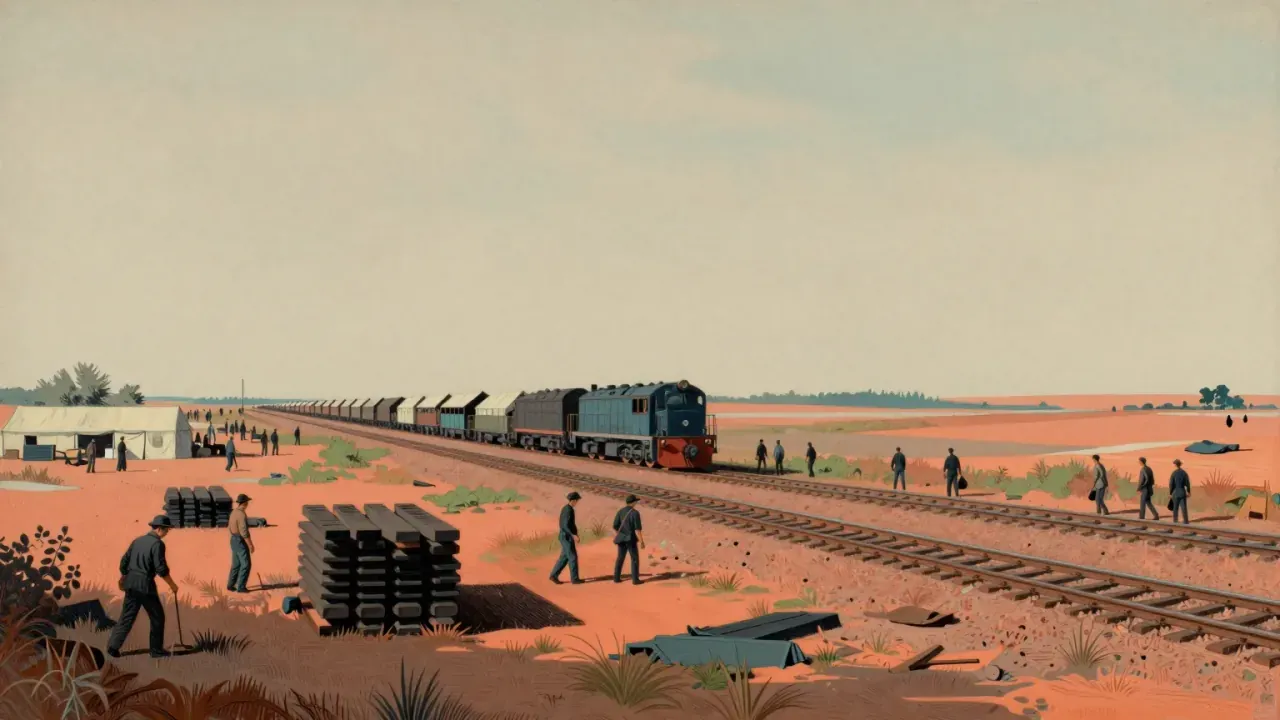
Sergio Leone's 1968 Western, funded by Paramount specifically to secure Henry Fonda, casts the actor against type as a hired killer clearing land for the railroad while a harmonica-playing stranger, played by Charles Bronson, pursues him for reasons the film withholds until its final scenes. Composed with Ennio Morricone's score written and recorded before filming began, and shot across Spain, Utah and Cinecittà, the film ran 165 minutes in Europe to strong box office, but Paramount's 140-minute US cut flopped on release in 1969, a fate the film's reputation has long since reversed.

13:00

The Battle of Algiers

Gillo Pontecorvo · 1966

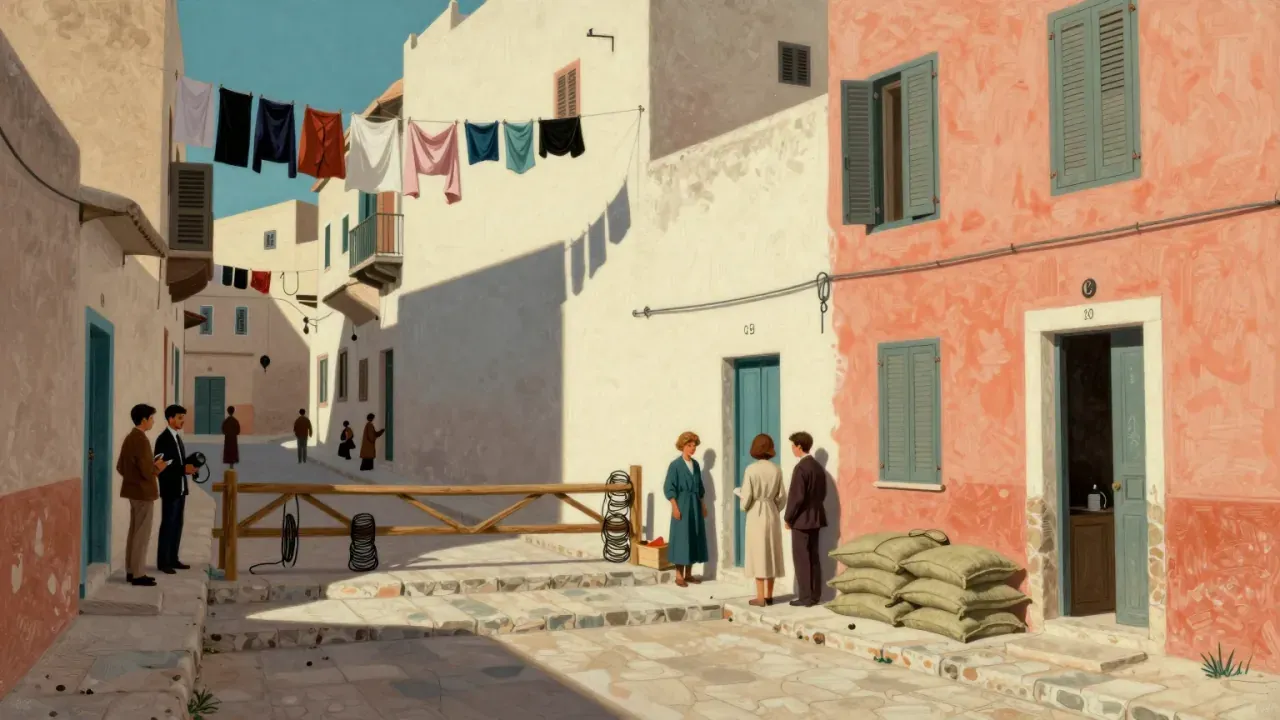
Gillo Pontecorvo's 1966 film reconstructs the Algerian independence struggle against French rule between 1954 and 1957, following FLN fighter Ali La Pointe and the French colonel sent to break the resistance through mass arrest and torture. Cast almost entirely with non-professionals, many of whom had lived through the real events, and shot in a black-and-white newsreel style, the film won the Golden Lion at Venice and was banned in France for years for the discomfort of its subject.

13:00

The Good, the Bad and the Ugly

Sergio Leone · 1966

Sergio Leone's 1966 close to the Dollars Trilogy follows a bounty hunter, an outlaw and a hired gun across the American Civil War as they hunt buried Confederate gold, shot in Techniscope across Spain on a $1.2 million budget that returned nearly $39 million, built around Eli Wallach's performance and Ennio Morricone's score.

13:00

The Thing

John Carpenter · 1982

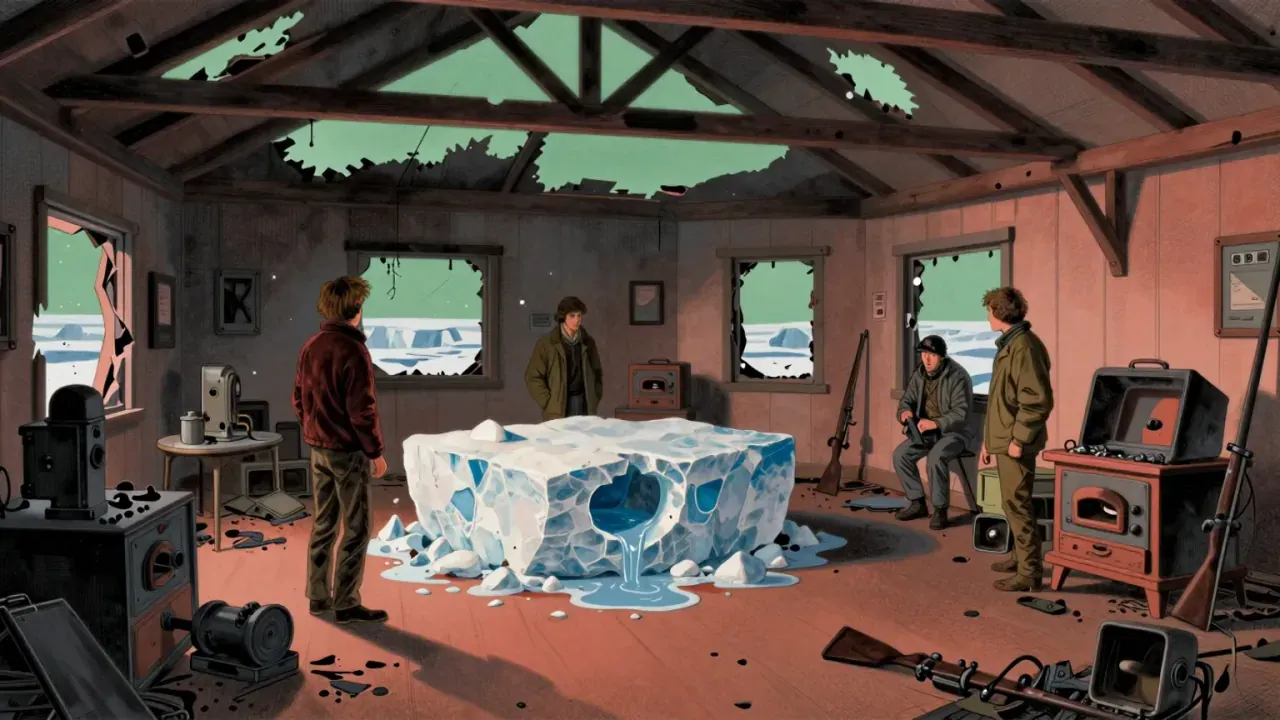
A helicopter pilot and a research crew at a remote Antarctic base find a shape-shifting alien freed from a Norwegian camp, and John Carpenter turns the ensuing hunt for the impostor into a study of paranoia as much as a monster film. Poorly received and a box-office loss on release, it has since been reassessed as one of the strongest science-fiction horror films made.