The look of it
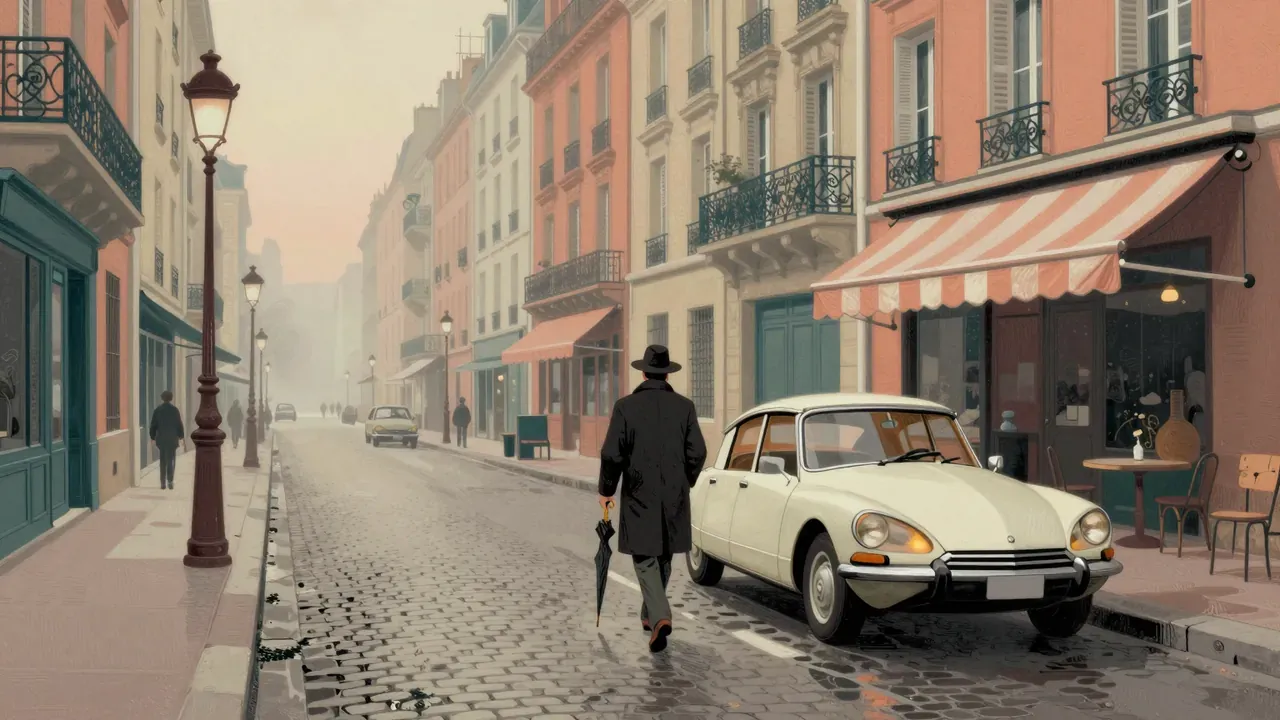
Youth of the Beast is a 1963 Japanese crime film made by Nikkatsu as part of its mid-century yakuza cycle, and it is Seijun Suzuki’s first full articulation of a stylistic method that would define his later work: one in which narrative logic yields to visual insistence, genre conventions are not subverted but amplified into caricature, and moral ambiguity is rendered through saturated colour, abrupt cuts, and spatial disorientation. It does not aim for realism or procedural fidelity; instead, it treats the gangster film as a scaffold for formal experiment — a vehicle for testing how far composition, costume, and camera movement can stretch without snapping the thread of legibility. The plot follows a disgraced ex-detective infiltrating two rival yakuza families, but the film’s energy lies less in who killed whom than in how each confrontation is framed — smoke tinted rust-brown, a love hotel corridor lit like a stage set, a car crash staged with theatrical precision. It is not trying to expose corruption so much as to rewire the viewer’s expectation of what a crime film’s surfaces should do.
The shape of the story
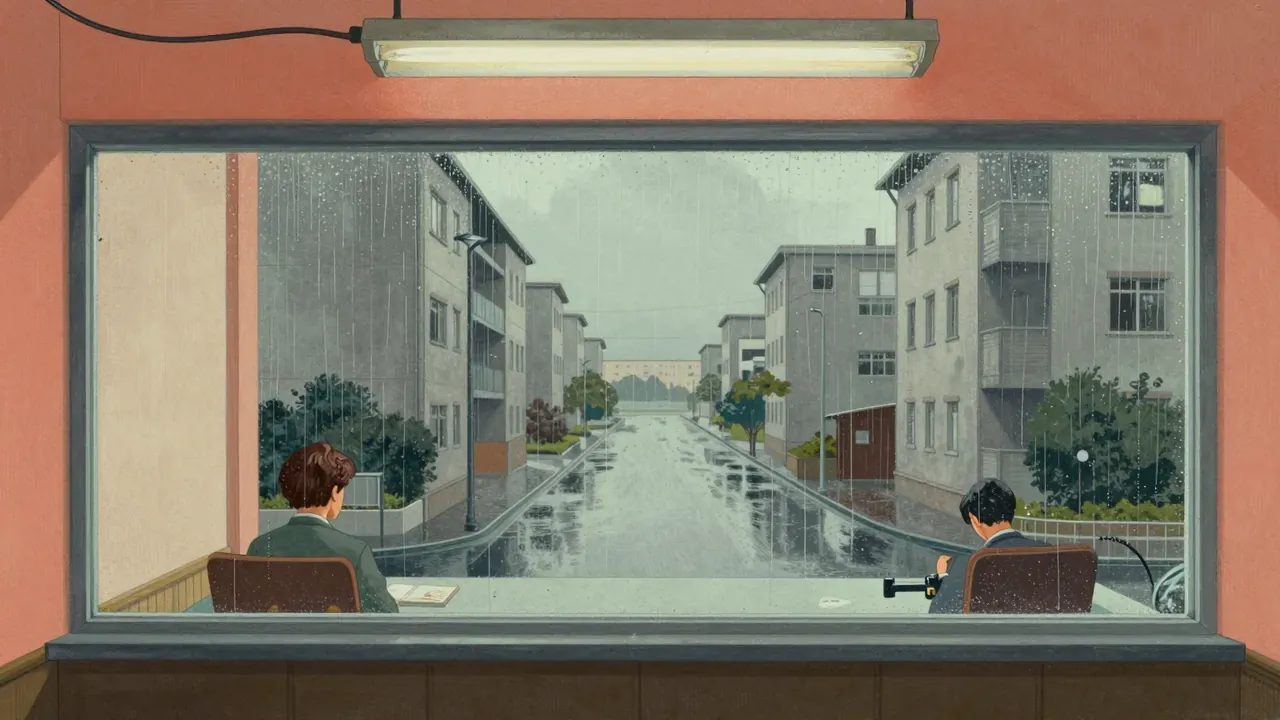
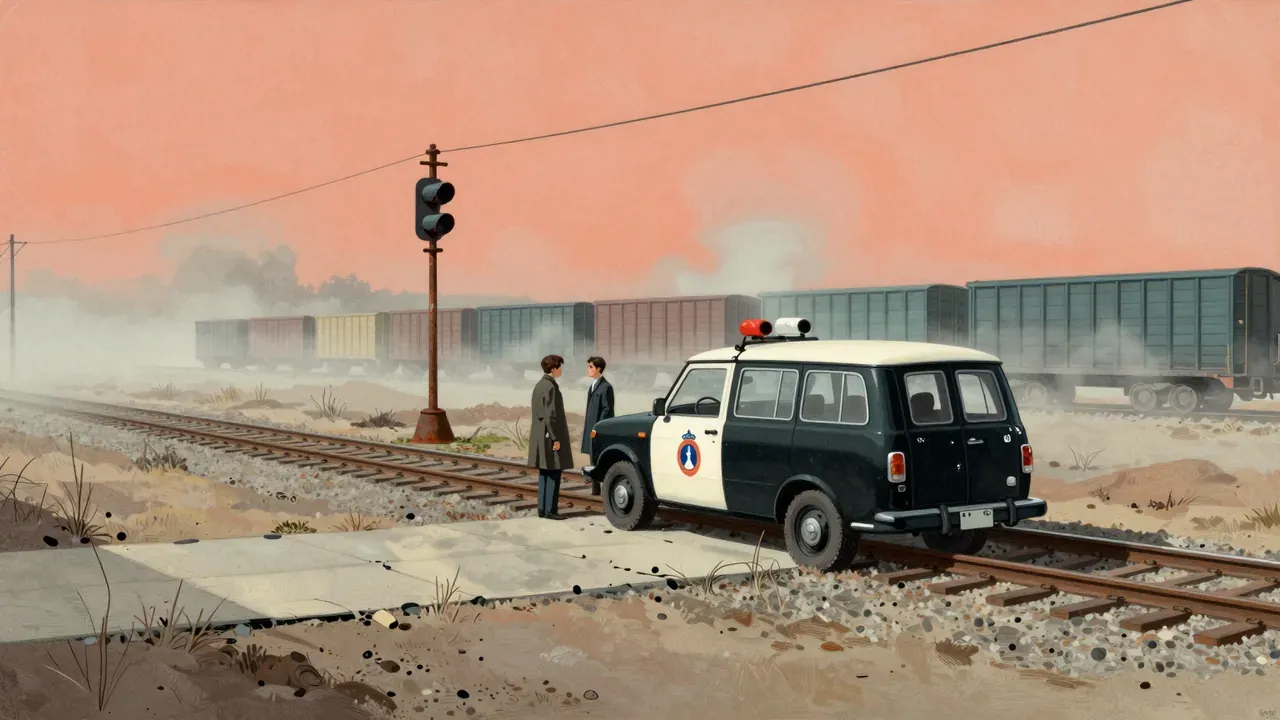
The story moves at a pace that favours escalation over exposition: Joji Mizuno’s double-crosses accumulate without pause, alliances shift mid-scene, and motivations are revealed only when they serve a visual or tonal pivot. Joe Shishido plays Mizuno with stoic physicality — minimal inflection, maximum posture — while Akiji Kobayashi’s Nomoto radiates unmoored authority, and Eiji Gō’s Takechi carries a coiled, almost balletic aggression. Seijun Suzuki’s direction keeps the camera restless: low angles on doorways, sudden zooms into cigarette smoke, wide shots where characters stand isolated in empty rooms. The editing by Takashi Kanda avoids continuity cuts in favour of rhythmic jolts — a gunshot lands just before the cut, the next shot shows reaction, not cause. Colour grading is deliberate: reds dominate interiors, blues pool in night scenes, and even blood appears as a controlled wash rather than a splatter. Sets are sparse but emphatic — a single chair in a hallway, a neon sign reflected in rain-slicked pavement — all serving compositional logic over verisimilitude.
What holds the eye
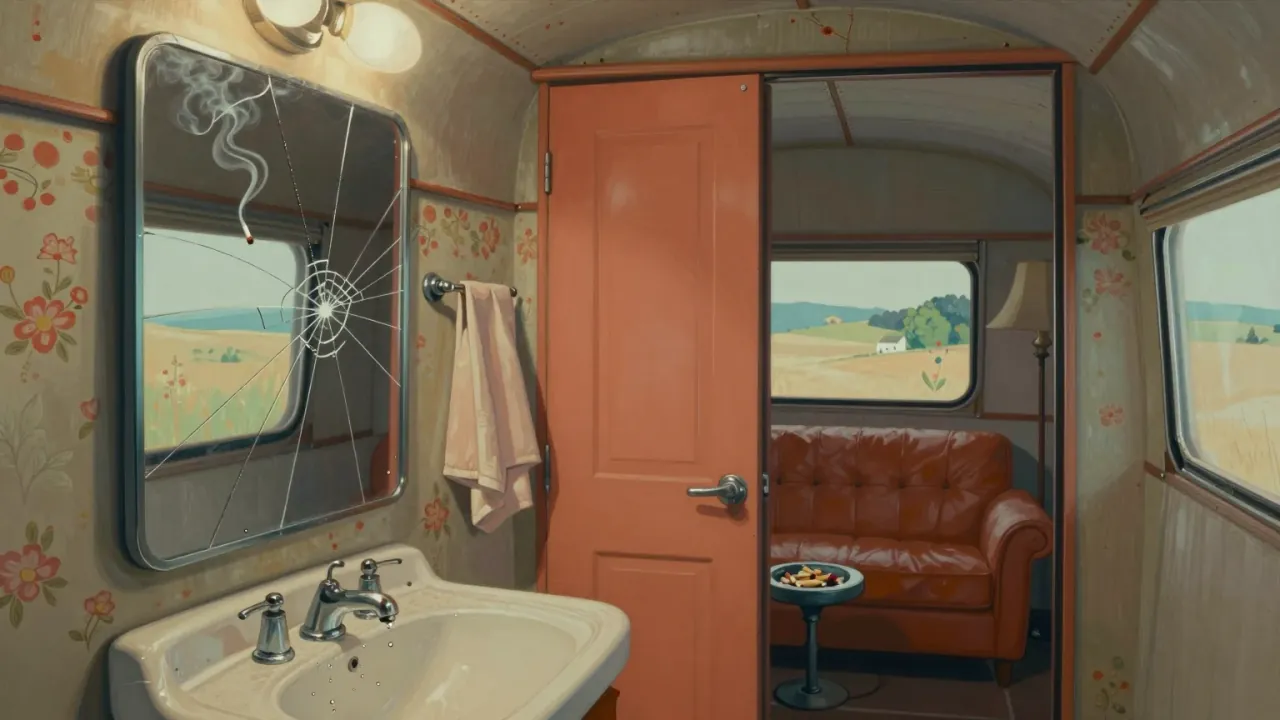
What lands most firmly is the film’s refusal to let tone settle. Every scene operates at a heightened register — not camp, not parody, but a sustained pitch of stylised gravity where even a whispered threat feels choreographed. The sequence in Hideo’s love hotel, where Mizuno’s cover unravels amid mirrored walls and sudden violence, works because the framing makes claustrophobia structural, not atmospheric. Similarly, the final siege at Nomoto’s mansion gains force from its abrupt shift into near-silent chaos: gunshots muffled, faces half-lit, movement dictated by smoke and falling debris rather than geography. The performances land precisely where they need to — Shishido’s stillness reads as calculation, not vacancy; Watanabe’s Kumiko shifts between brittle composure and chilling detachment without signalling either. Suzuki’s use of recurring motifs — the recurring motif of the six mistresses, the repeated framing of doors as thresholds of betrayal — accumulates meaning through repetition, not explanation. The film’s coherence emerges not from plot resolution but from the consistency of its visual grammar.
Where it lets go
What does not land is any attempt to anchor the film in psychological realism or social critique. The police force exists only as a bureaucratic offstage presence; the prostitution ring’s operations remain abstract, never grounded in labour, coercion, or consequence beyond plot function. Characters speak in declaratives that serve rhythm over revelation — there is no backstory for Hideo’s rage, no context for Keiko’s blackmail beyond her desire for status. The film’s satire of yakuza hierarchy is sharp but shallow: it mocks the form of loyalty, not its material conditions. Some viewers will find the pacing relentless without release — no quiet scene, no breathing space, no moment where the camera simply observes rather than arranges. The ending’s moral calculus — Mizuno abandoning Kumiko to Hideo’s vengeance — lands with cold finality, but offers no reckoning beyond personal score-settling. There is no systemic indictment, no reflection on postwar Japan’s economic or institutional fractures — only the mechanics of deception played out in vivid, self-contained tableaux.
What it says about power
The themes that matter are loyalty as performance, identity as disguise, and truth as a tactical resource rather than an ethical absolute. Mizuno is never reintegrated into the police; he remains outside every institution, using each faction’s assumptions against them. The ‘sixth mistress’ is not a person but a position — a role that can be occupied, erased, or weaponised, and Kumiko’s confession confirms that her marriage to Takeshita was itself a cover operation. The film treats allegiance as inherently unstable: Minami dies loyal to Mizuno, but his loyalty is based on incomplete information; Nomoto trusts Mizuno until the evidence becomes too loud to ignore; even Hideo’s devotion to his mother is a trigger, not a motive. There is no redemption arc, no reformist impulse — only a series of transactions where trust is currency, betrayal is infrastructure, and survival depends on reading the room before the room reads you. The film’s persistent visual abstraction — the way smoke, light, and architecture override character psychology — reinforces that interiority is secondary to surface, and that power resides not in who people are but in how they are seen.
Who it’s for
This film is for viewers who value formal rigour over narrative transparency, who find pleasure in sustained visual invention, and who accept that a crime film need not explain its world to inhabit it fully. It rewards attention to composition, costume, and cut — not as decoration but as syntax. Those who require psychological motivation, historical grounding, or moral resolution will find it withholding, even alienating. It is not for fans of procedural realism, slow-burn tension, or character-driven drama. A viewer expecting the social texture of Oshima or the existential weight of Kurosawa will leave unsatisfied. But someone drawn to the chromatic audacity of early Godard, the spatial wit of Jacques Tati, or the structural play of later Suzuki films will recognise Youth of the Beast as a hinge — not yet fully liberated from studio constraints, but already refusing their terms. Its pleasures are cumulative, not immediate; its logic reveals itself in retrospect, not real time.
Why it stays
Yes, it is worth your evening — provided you approach it as a study in cinematic articulation rather than a story to be followed. Its 92 minutes move with purpose, never padding, never digressing, and its stylistic decisions are neither arbitrary nor decorative but constitutive of its argument about power and perception. Someone who watches primarily for plot resolution or emotional catharsis may feel short-changed, and those accustomed to classical continuity editing may find its rhythms disorienting at first. But the film repays close viewing: its colour palette, its use of negative space, its treatment of dialogue as punctuation rather than exposition — all cohere into a singular, uncompromising statement. It is not a gateway film, but it is a durable one: its formal intelligence holds up across decades, and its influence is visible in directors from John Woo to Park Chan-wook. To skip it is to miss a key node in the evolution of Japanese genre cinema.