filmbriefs
Director · Actor · 1923–2017

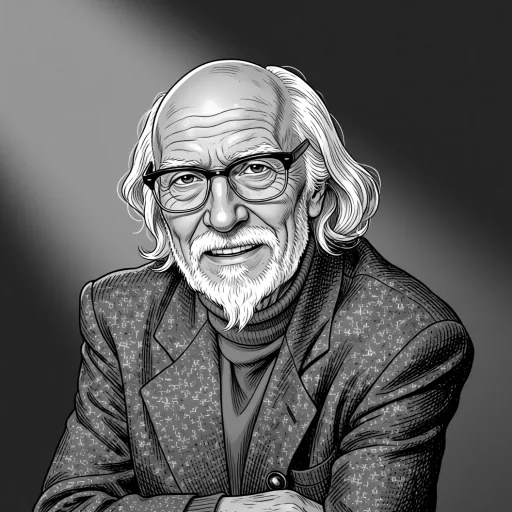
Seijun Suzuki

7
briefs
13:00
average
91 min
in total
On film.briefs7
13:00

Fighting Elegy

Seijun Suzuki · 1966

Seijun Suzuki’s 1966 drama follows Kiroku Nanbu, a Catholic teen in pre-war Japan whose sexual repression and institutional alienation spiral into ritualised violence and, finally, political extremism. Adapted by Kaneto Shindō from Takashi Suzuki’s novel, the film uses stark black-and-white imagery, abrupt editing and physical performance to chart a psyche collapsing under the weight of unspoken longing and enforced discipline.
13:00

Gate of Flesh

Seijun Suzuki · 1964

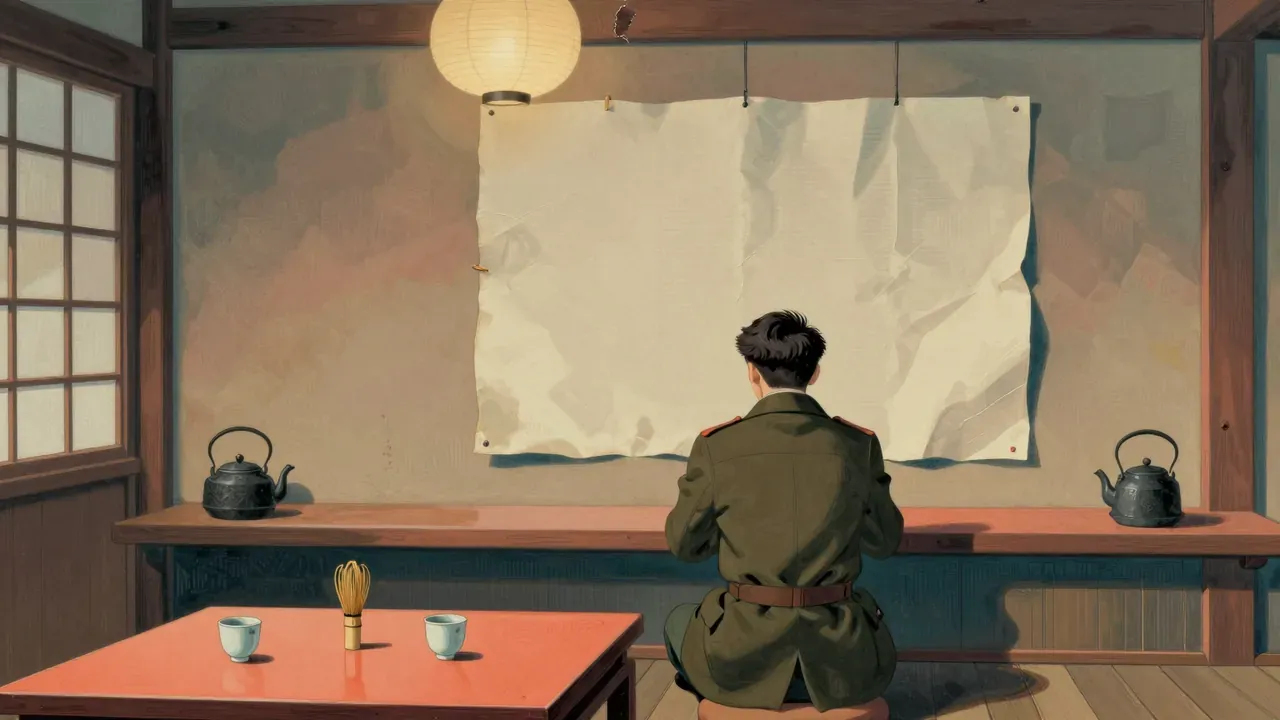
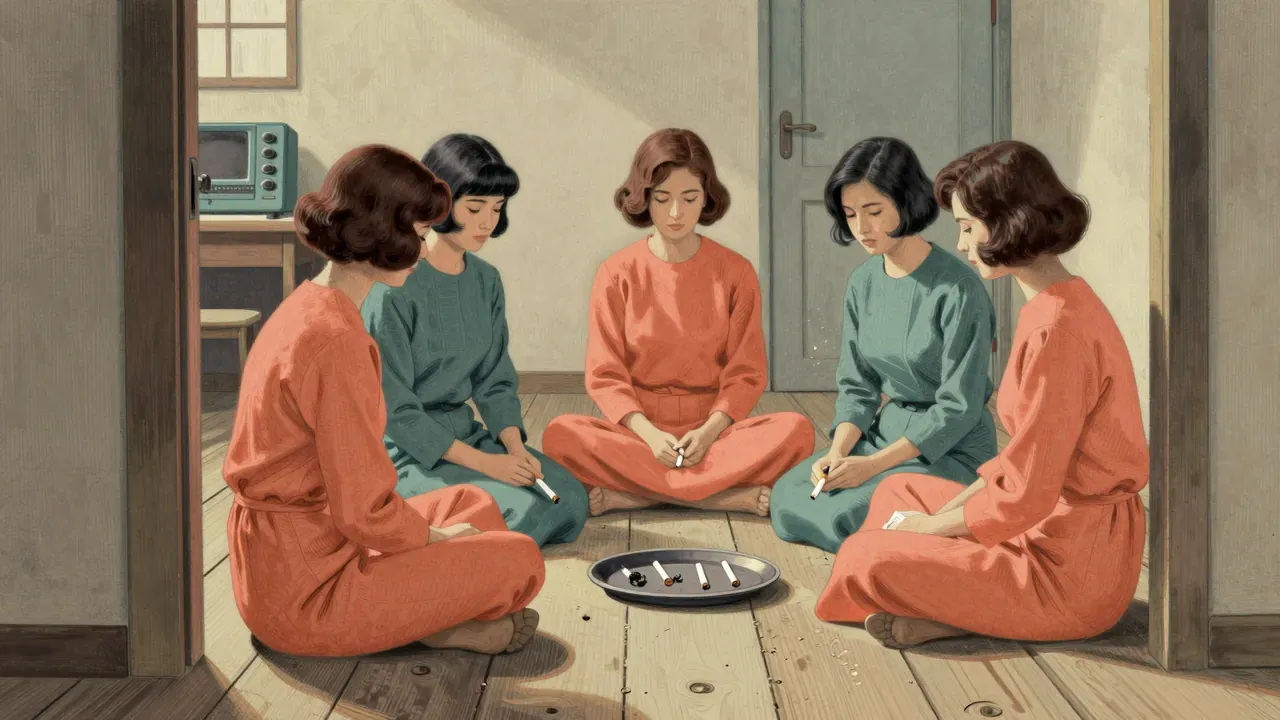
Seijun Suzuki’s 1964 Nikkatsu drama follows a group of sex workers enforcing rigid communal rules in a bombed-out Tokyo building. When a wounded ex-soldier arrives, their fragile order fractures. Shot on a rushed schedule with deliberately artificial sets, the film uses formal restraint and allegorical structure to critique the continuity of militarised social control under Occupation. Performances are muted, editing jarring, and the ending offers no resolution — only repetition.

13:00

Story of a Prostitute

Seijun Suzuki · 1965

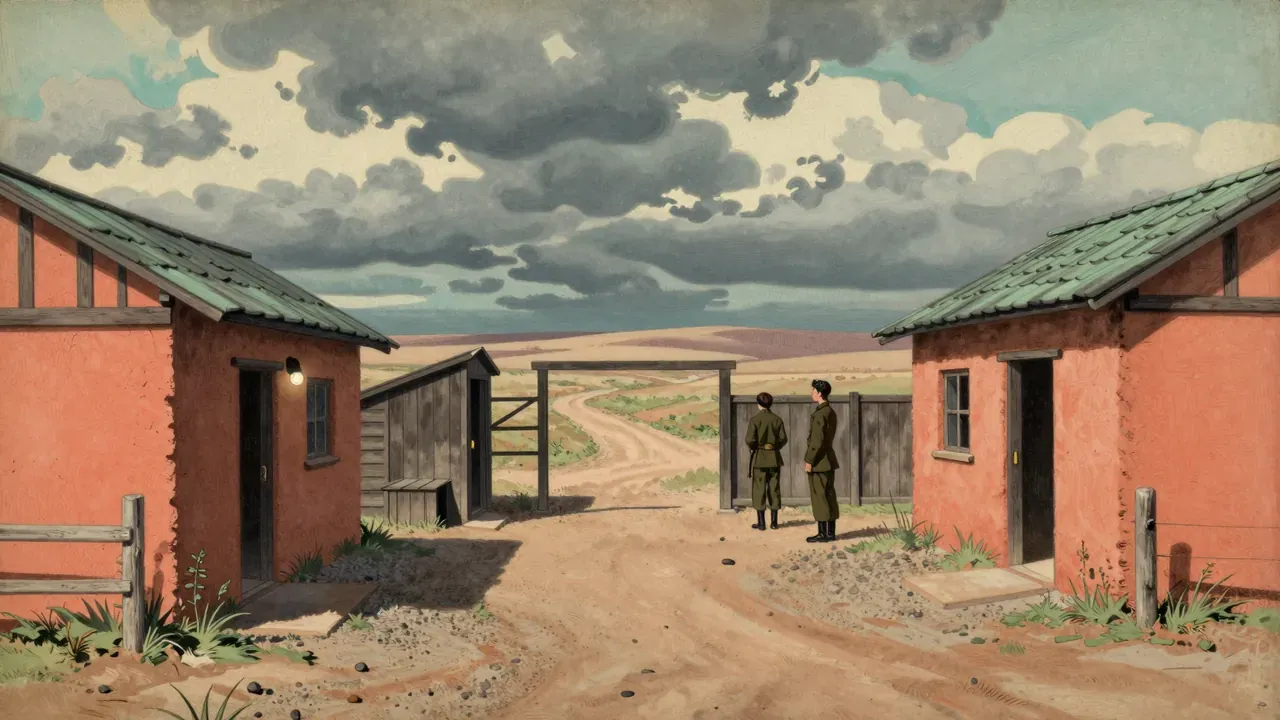
Seijun Suzuki’s 1965 Story of a Prostitute follows Harumi, a prostitute who moves to a Japanese military outpost in Manchuria during the Sino-Japanese War. There, she forms a forbidden bond with an officer’s aide while enduring the casual brutality of the chain of command. Shot with stark realism and deliberate restraint, the film rejects heroic mythmaking in favour of behavioural truth — exposing the absurdity, exhaustion and moral erosion embedded in imperial military life. Based on Taijiro Tamura’s story and informed by Suzuki’s own wartime service, it remains a singular, unsettling portrait of power, complicity and quiet defiance.

13:00

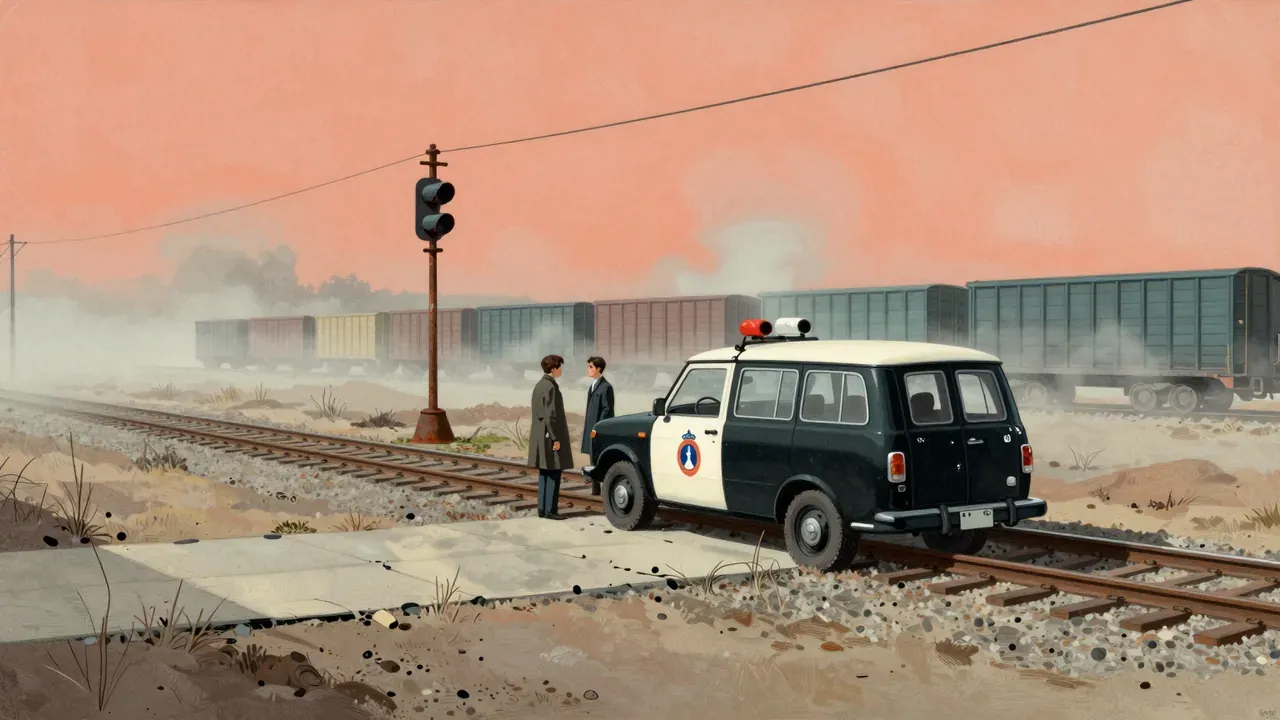
Take Aim at the Police Van

Seijun Suzuki · 1960

Take Aim at the Police Van is a 1960 Japanese action thriller directed by Seijun Suzuki for Nikkatsu. Built around the ambush of a police van transporting a prisoner, it deploys tight framing, high-contrast monochrome cinematography by Kazuo Miyagawa, and a lean script by Shinichi Sekizawa to sustain relentless forward motion. Starring Michitaro Mizushima, Misako Watanabe, and Shinsuke Ashida, it exemplifies Nikkatsu’s ‘borderless’ studio strategy — genre stripped of local specificity, yet anchored in Tokyo’s post-war textures. Its strength lies in formal discipline, not character depth or thematic elaboration.

13:00

Youth of the Beast

Seijun Suzuki · 1963

Seijun Suzuki’s 1963 Nikkatsu crime film follows a disgraced detective infiltrating rival yakuza clans, but its real subject is the expressive potential of the genre’s surfaces: saturated colour, abrupt editing, and architectonic framing. It sacrifices psychological realism for formal rigour, treating loyalty, identity, and truth as tactical variables rather than moral absolutes. A pivotal work in Suzuki’s development, it rewards attention to craft over narrative closure.

13:00

Tokyo Drifter

Seijun Suzuki · 1966

Tokyo Drifter (1966) is Seijun Suzuki’s formally audacious crime film for Nikkatsu, starring Tetsuya Watari as a drifting hitman navigating shifting loyalties and surreal cityscapes. Made under tight budget constraints, it responds with heightened artifice: pop-art colour, abrupt editing, musical interludes, and stylised violence. Rather than a conventional underworld drama, it functions as a parody and deconstruction of the ninkyo eiga tradition — using genre tropes as raw material for visual and rhythmic experimentation. Its themes centre on performative identity, the fragility of allegiance, and the constructed nature of place. Though narratively elliptical, its consistency of tone and design makes it a landmark of Japanese arthouse cinema.

13:00

Branded to Kill

Seijun Suzuki · 1967

Seijun Suzuki’s 1967 Nikkatsu production is a formally audacious, narratively defiant yakuza film starring Joe Shishido as Goro Hanada, a contract killer whose professional collapse triggers a descent into absurdity. Written collectively as Hachiro Guru and shot in 25 days, it replaces genre conventions with visual non-sequiturs, tonal whiplash and structural sabotage — rice-sniffing fetishes, butterfly interruptions and projected film loops all serve its core project: to make coherence feel like the illusion.