The rhythm of it
The Makioka Sisters is a 140-minute Japanese drama adapting Jun’ichirō Tanizaki’s 1957 novel, set in Osaka and Kyoto during the late 1930s. Kon Ichikawa wrote and directed it as a deliberate, unhurried portrait of domestic rhythm and social erosion — not a plot-driven narrative but a seasonal chronicle of four sisters navigating marriage negotiations, familial duty, and quiet personal rebellion. It attempts fidelity to the novel’s tone: restrained, observant, attentive to gesture and silence over exposition. There is no central crisis or turning point; instead, the film measures time through cherry blossoms, snowfall, tea ceremonies, and the slow drift of economic and cultural authority from old merchant houses toward Tokyo and modernity. Ichikawa treats the Makiokas not as characters to be resolved but as vessels for a vanishing world — one where etiquette is architecture, and restraint is both armour and inheritance. The film does not seek catharsis, nor does it court urgency. Its ambition lies in duration, texture, and the weight of unspoken things. (140 words)
The look of it
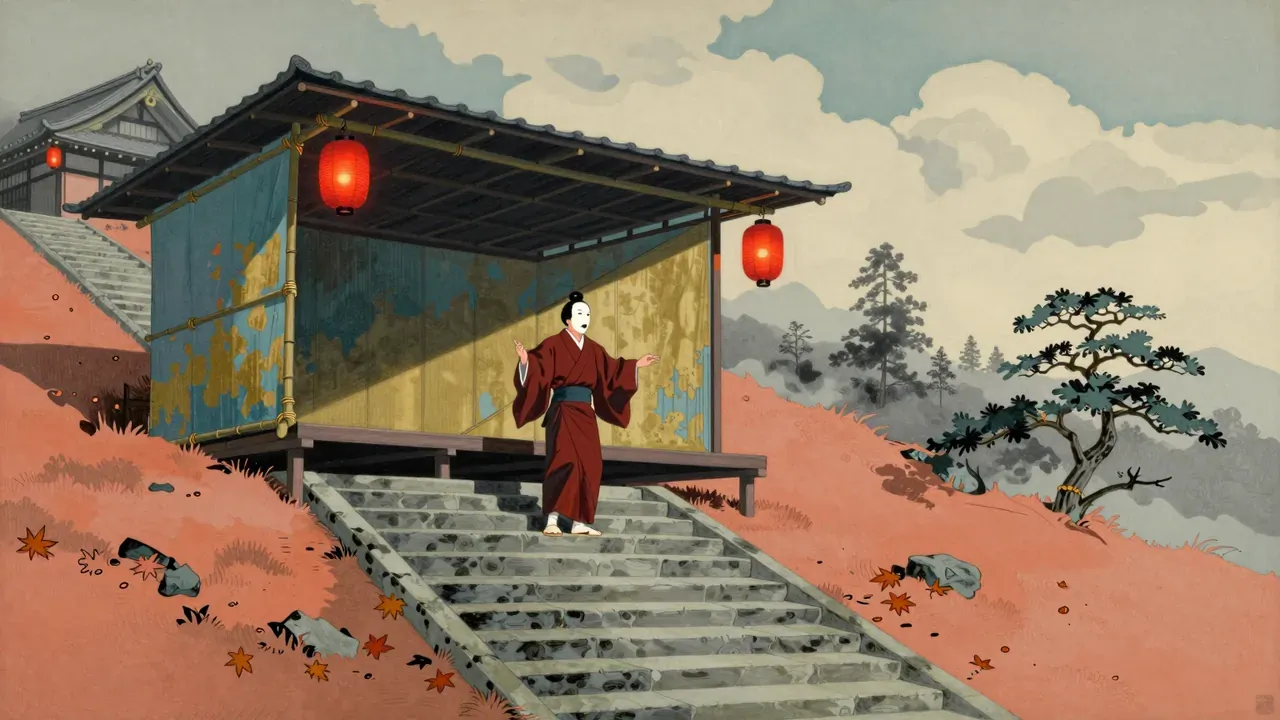
Ichikawa structures the story episodically, following Yukiko’s stalled courtships, Taeko’s defiant relationships, Sachiko’s quiet stewardship, and Tsuruko’s distant formality. Performances are muted and precise: Sayuri Yoshinaga’s Yukiko conveys shyness through stillness and downward glances; Yuko Kotegawa’s Taeko moves with restless physicality, her cigarette smoke and barroom laughter punctuating the film’s hush. Keiko Kishi appears sparingly as Tsuruko, her presence felt more in letters than in person. Cinematography by Kazuo Miyagawa avoids dramatic lighting or movement; interiors are softly lit, exteriors bathed in natural light, compositions balanced like ukiyo-e prints. Editing is unhurried, often holding on faces or empty rooms long enough to unsettle the viewer’s sense of narrative priority. Ichikawa’s direction resists psychological explanation: motivations remain implicit, emotions withheld until they surface in small acts — a folded letter, a delayed reply, a cup of tea poured without speaking. The craft serves immersion, not interpretation. (148 words)
The weight of it
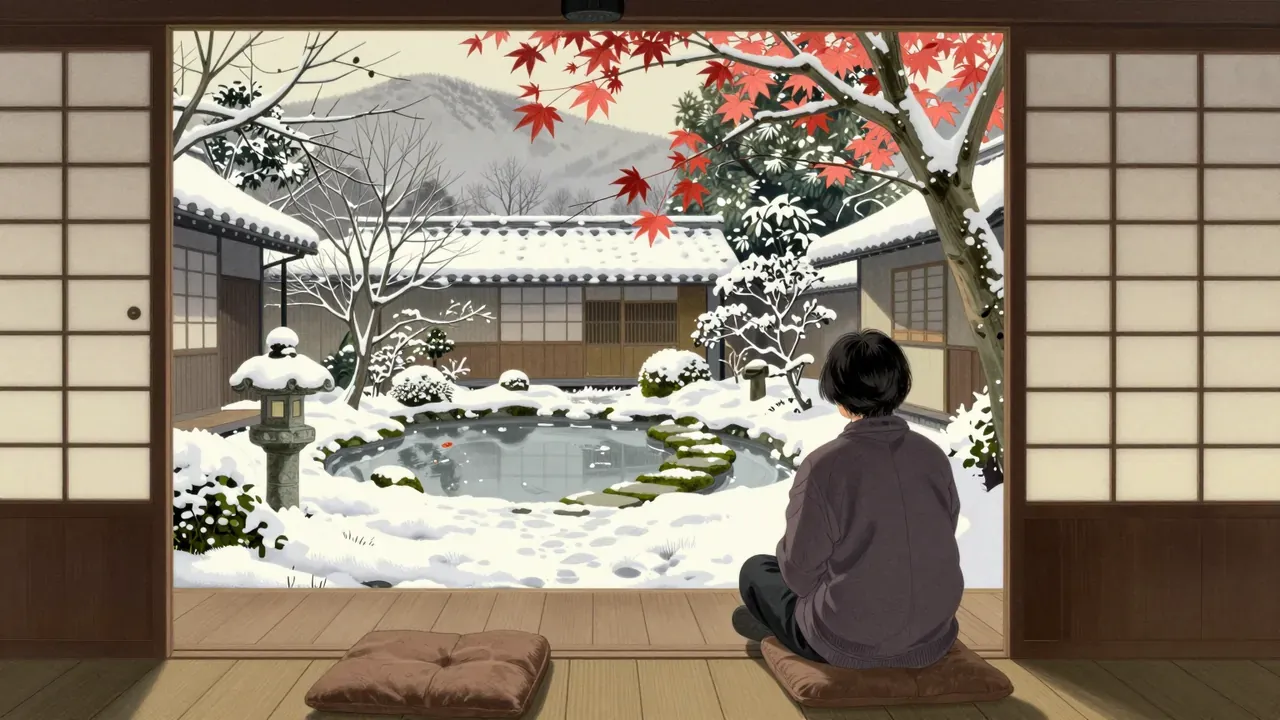
What lands is the film’s atmosphere: the palpable weight of pre-war Japan’s social codes, the tactile specificity of kimonos, tatami, and lacquered trays, the way silence functions as dialogue. The seasonal structure works — spring’s cherry blossoms carry hope and fragility; winter’s snow at Osaka Station carries finality and quiet release. The performances land because they refuse emphasis: Yoshinaga’s Yukiko never pleads, Kotegawa’s Taeko never shouts, and that restraint makes their choices feel earned, not theatrical. The adaptation’s fidelity to Tanizaki’s irony also lands — the contrast between the sisters’ meticulous concern over minor social breaches and the gathering political storm beyond their windows is never stated, only sustained. The film’s patience becomes its authority: it trusts the audience to notice how a glance between Sachiko and Teinosuke communicates more than any monologue could. This is not emotional manipulation but emotional calibration — a slow tuning fork struck once, then left to resonate. (136 words)
The gaps in it
What does not land is narrative momentum — not as a flaw in itself, but as a barrier for viewers expecting cause-and-effect storytelling. The film’s refusal to clarify motivations or resolve subplots leaves some threads dangling without apparent purpose: Okuhata’s role fades without consequence; Mrs. Itani’s matchmaking yields no lasting suitors; Etsuko and Oharu remain decorative rather than dimensional. The English subtitles, as Vincent Canby noted, may flatten Tanizaki’s tonal nuance — particularly the dry, self-aware humour in the sisters’ exchanges about propriety. Some viewers will find the pacing inert rather than contemplative, mistaking stillness for stasis. The film offers no exposition about historical context: no voiceover explains the Shōwa period’s significance, no title card locates Semba or Ashiya. That omission rewards familiarity but excludes newcomers. And while Ichikawa’s formal control is absolute, it can feel detached — a museum display rather than lived experience — especially in scenes involving Taeko’s grief or Yukiko’s loneliness, where interiority remains just out of reach. (146 words)
The rules of it
The themes that matter are continuity and erosion: how tradition persists not as dogma but as habit — in the way tea is poured, how letters are folded, which sister sits where at dinner. Class is present not as conflict but as sediment: the Makiokas’ wealth is inherited, not earned, and their decline is measured in shrinking dowries and fading connections, not bankruptcy. Gender operates as architecture: Yukiko’s unmarried status is structural, not personal; Taeko’s rebellion is possible only because she is the youngest, and therefore dispensable. Time is cyclical yet irreversible — seasons return, but the family does not. Memory is unreliable and curated: letters are edited before being read aloud; gossip circulates faster than truth; photographs (Itakura’s, Miyoshi’s) capture moments that outlive their meaning. The film treats modernity not as rupture but as seepage — Western dress, jazz records, and bar culture enter the frame quietly, without fanfare or judgement. What matters most is not what changes, but how little must change for everything to shift. (139 words)
The demand of it
This film is for viewers who value duration over destination — those accustomed to Ozu, Naruse, or Hou Hsiao-hsien, or readers familiar with Tanizaki’s prose. It suits people who find emotional resonance in pauses, who notice how light falls across a floorboard, who do not require closure to feel satisfied. It is not for those who rely on plot propulsion or character arcs to stay engaged; viewers expecting rising action, climax, or thematic resolution will leave impatient or adrift. Those unfamiliar with Japanese social history may struggle without supplementary context — not because the film fails to explain, but because it assumes shared literacy with its world. A viewer who finds subtlety indistinguishable from vagueness, or stillness from emptiness, will not connect. That said, the film’s demands are consistent, not arbitrary: its slowness is methodical, its omissions intentional. Change the pacing or add exposition, and it ceases to be this film. (140 words)
The leaving of it
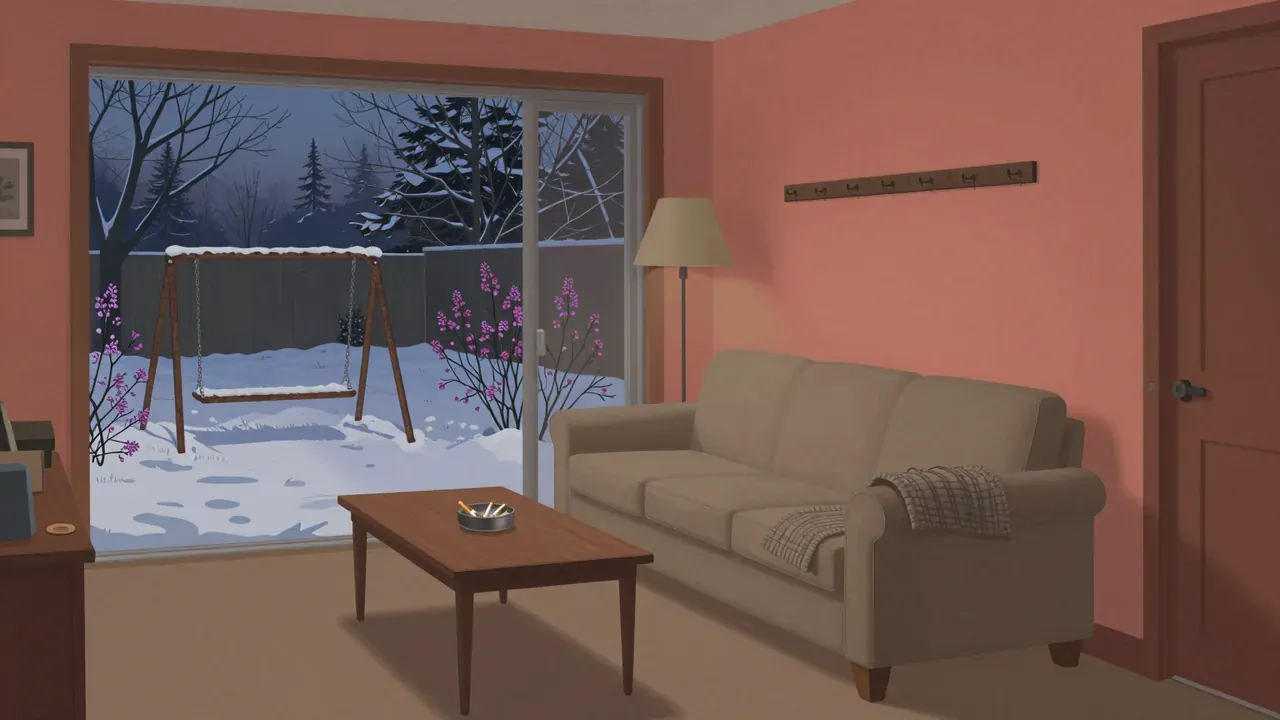
Yes, it is worth your evening — provided you give it your full attention and adjust your expectations. It repays close watching not with revelations but with accumulations: the way Yukiko’s posture shifts after each rejected suitor, how Taeko’s cigarettes grow shorter as her confidence grows, how snow gathers on the eaves before it falls. It is not entertainment in the conventional sense, but it is deeply absorbing if approached as an act of sustained observation. Those who dislike it tend to call it ‘dull’ or ‘cold’ — critics like Canby and Kael acknowledged its difficulty while affirming its integrity. Its value lies in its refusal to simplify: it treats grief, love, and duty as coexisting states, not sequential ones. To dismiss it as ‘slow’ mistakes tempo for intention. Watch it in one sitting, without interruption, and let its rhythms settle. If you do, the final image — two women watching snow fall in silence — will linger longer than most films’ climaxes. (142 words)