filmbriefs
Director · Screenwriter · Producer

Kon Ichikawa

6
briefs
13:00
average
78 min
in total
On film.briefs6
13:00

An Actor's Revenge

Kon Ichikawa · 1963

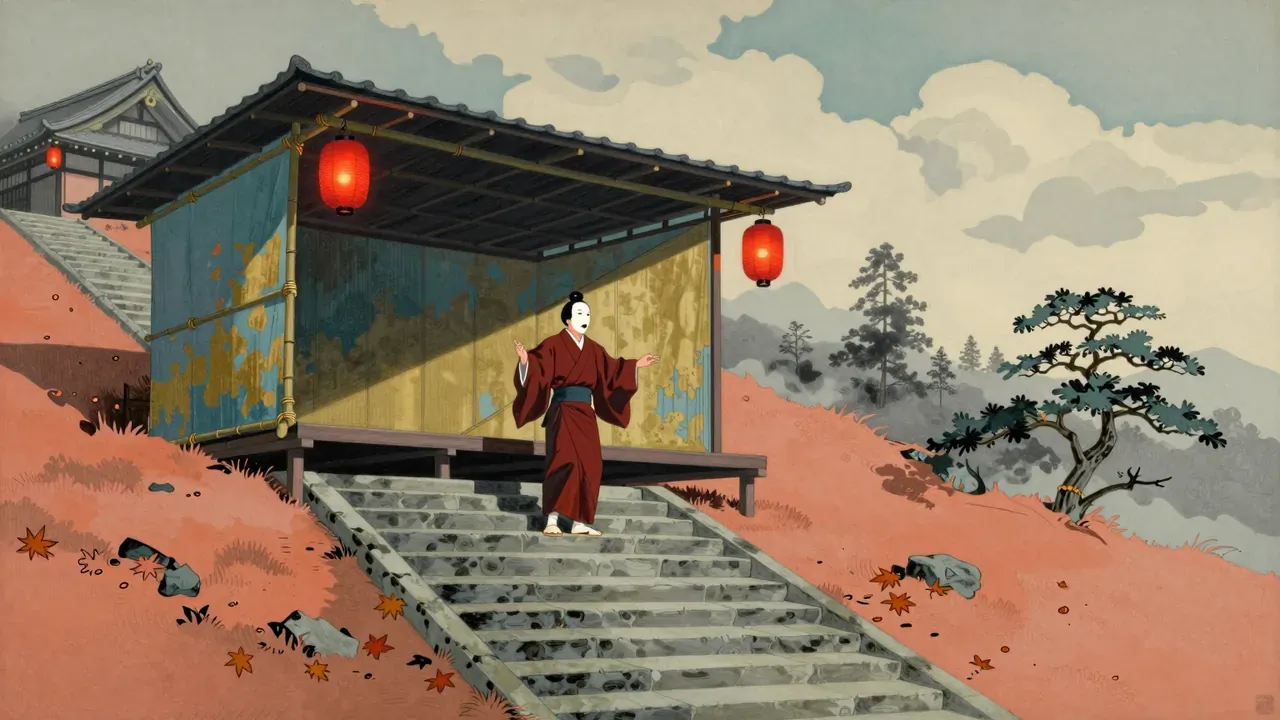
Kon Ichikawa’s 1963 film follows Yukinojō Nakamura, an onnagata kabuki actor who returns to Edo to enact revenge on the men who caused his parents’ suicide. Kazuo Hasegawa plays both Yukinojō and the thief Yamitarō, anchoring a film defined by theatrical composition, restrained music by Yasushi Akutagawa, and Musei Tokugawa’s wry benshi narration. It is less a story of justice than a study in performance as survival, gender as labour, and vengeance as repetition — all rendered with formal control and deliberate emotional distance.
13:00

Fires on the Plain

Kon Ichikawa · 1959

Kon Ichikawa’s 1959 adaptation of Shōhei Ōoka’s novel follows a tubercular Japanese private abandoned on Leyte in late 1944. Shot in stark black-and-white, it traces his physical and moral dissolution amid starvation, disease and escalating atrocity—not as drama, but as inexorable attrition. With minimal dialogue, sparse music and unflinching realism, it asks what remains of personhood when every boundary—bodily, ethical, linguistic—has been breached.

13:00

The Burmese Harp

Kon Ichikawa · 1956

Kon Ichikawa’s 1956 drama follows Japanese soldiers in Burma at the end of World War II, narrowing to one man’s solitary mission to bury the dead and become a Buddhist monk. Adapted from Michio Takeyama’s novel by Natto Wada, it uses monochrome restraint, deliberate pacing and Akira Ifukube’s haunting score to explore grief, duty and spiritual transformation — not as transcendence, but as daily labour.

13:00

The Makioka Sisters

Kon Ichikawa · 1983

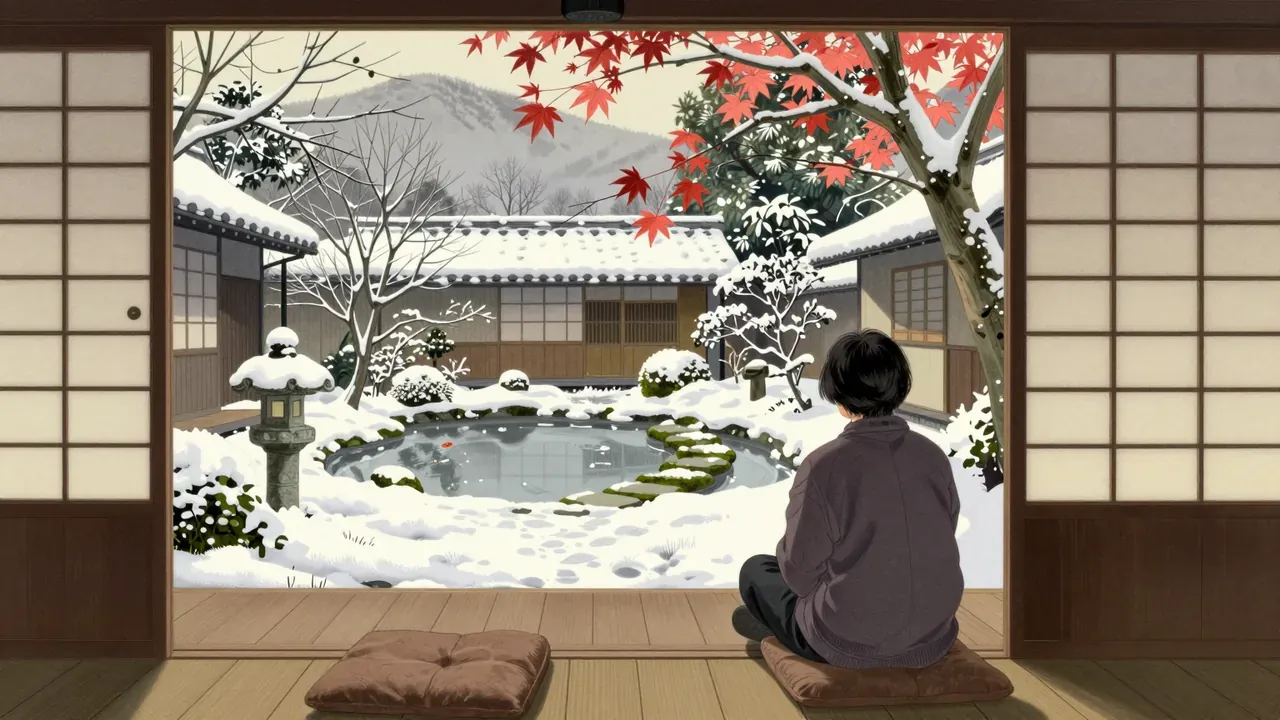
Kon Ichikawa’s 1983 adaptation of Jun’ichirō Tanizaki’s novel follows the Makioka sisters — Tsuruko, Sachiko, Yukiko, and Taeko — as they navigate marriage negotiations, familial duty, and quiet personal rebellion in pre-war Osaka and Kyoto. Shot with deliberate stillness and seasonal precision, the film prioritises atmosphere over plot, restraint over revelation, and social texture over psychological exposition. Its power lies in accumulation: in glances, silences, and the slow erosion of old hierarchies. Not for those seeking narrative urgency, but essential for viewers attuned to the eloquence of the unsaid.

13:00

Tokyo Olympiad

Kon Ichikawa · 1965

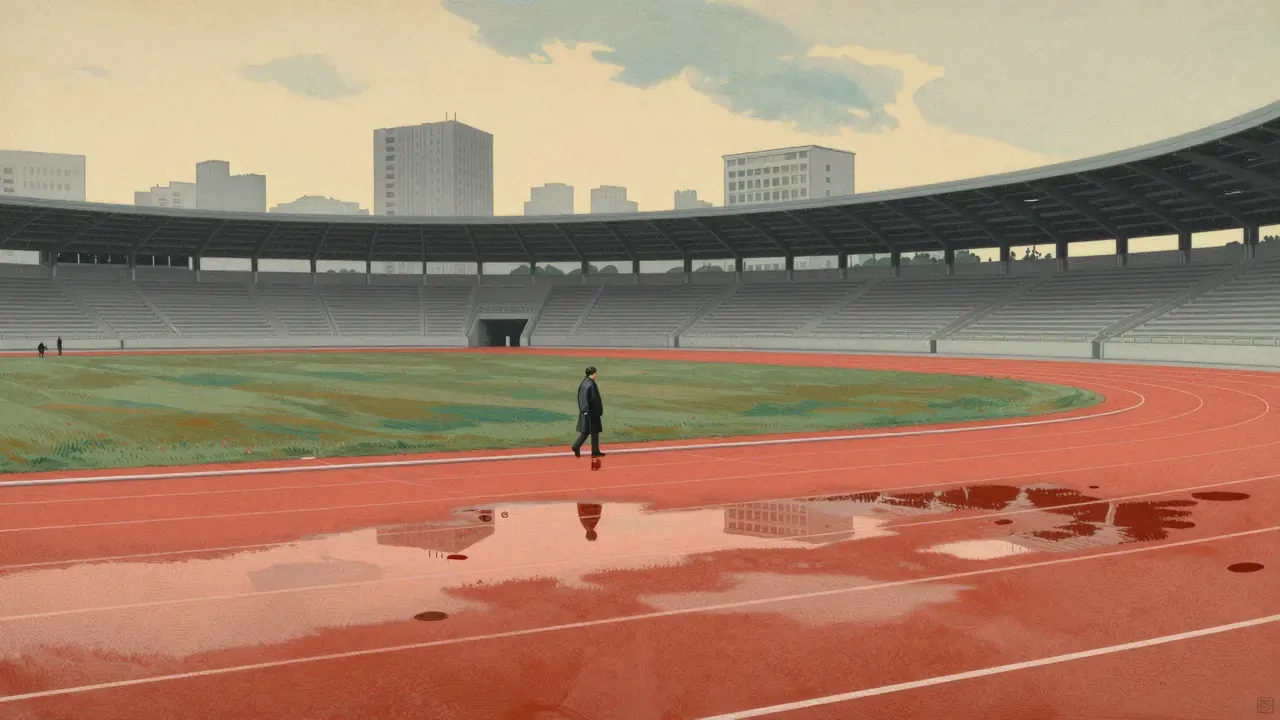
Kon Ichikawa’s 1965 documentary Tokyo Olympiad records the 1964 Tokyo Games not as a chronicle of results but as a sustained study of human movement, effort, and collective attention. Shot by Kazuo Miyagawa and scored by Toshiro Mayuzumi, it rejects narration and exposition in favour of immersive, unhurried observation — close-ups of muscles, wide shots of emptying stadiums, extended sequences of athletic exertion. Commissioned by the Japanese government as a national showcase, it instead became a landmark of poetic documentary, prioritising physical presence over patriotic narrative. Its 170-minute runtime demands patience, but rewards it with unparalleled intimacy and tactility.

13:00

Visions of Eight

Claude Lelouch, Miloš Forman, Kon Ichikawa, Yuri Ozerov · 1973

Visions of Eight (1973) is a documentary composed of eight segments directed by international filmmakers, each interpreting a different aspect of the 1972 Munich Olympics. Commissioned by David L. Wolper, it prioritises stylistic divergence over narrative unity — from Penn’s slow-motion pole vault to Lelouch’s focus on defeat. Though awarded Best Documentary at the 1974 Golden Globes, its treatment of the Munich massacre remains fragmented and indirect. Available via Criterion, it functions best as a formal experiment in perspective, not as historical record.