The look of it
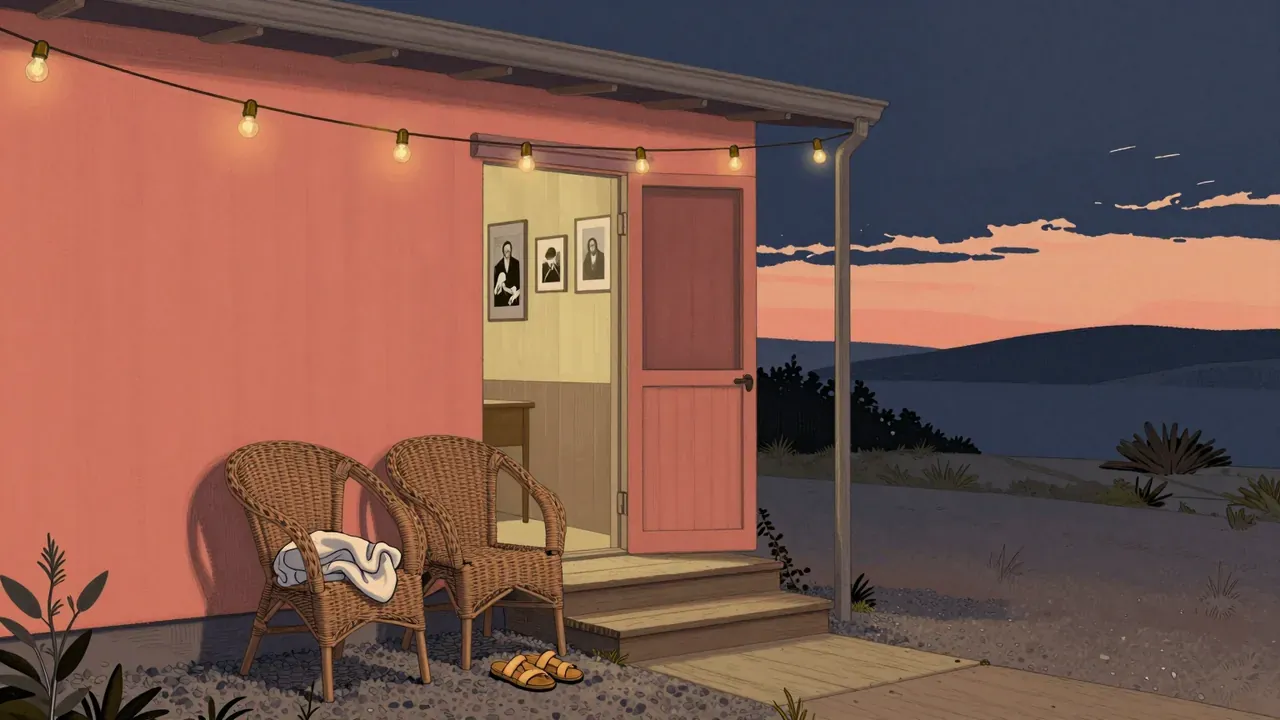
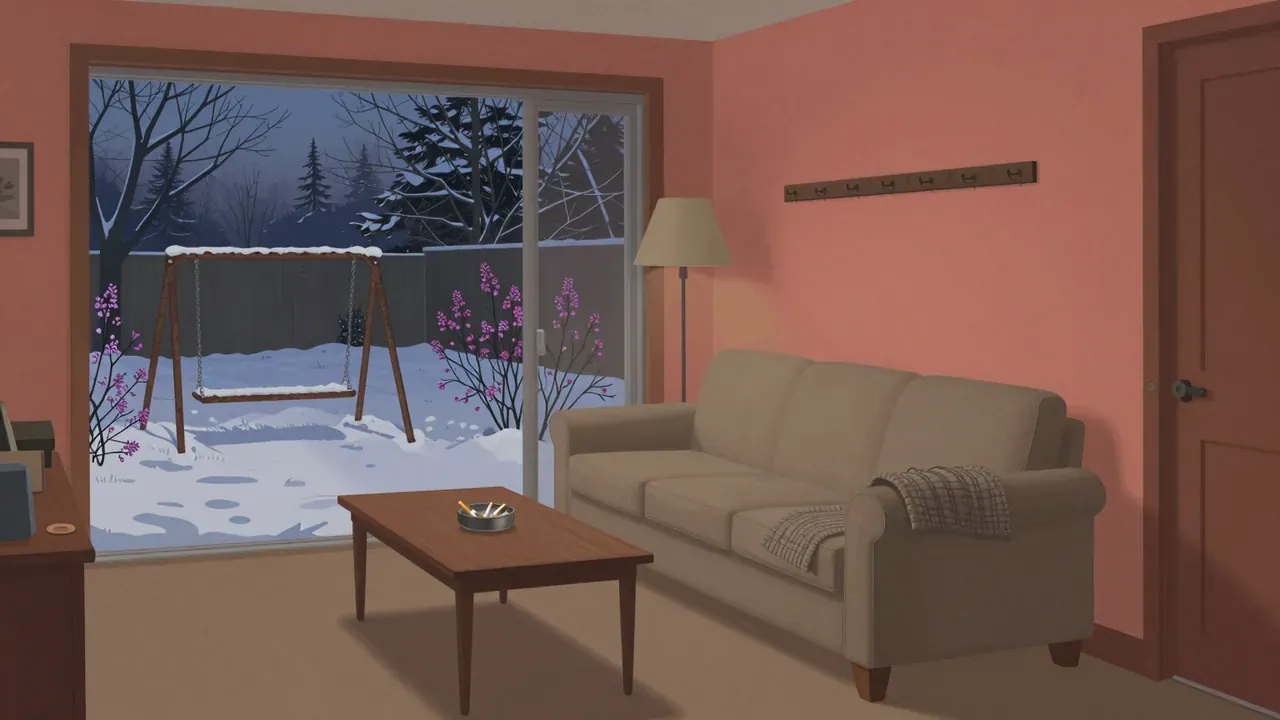
Wildlife is a 1960s American domestic drama adapted from Richard Ford’s 1990 novel, directed by Paul Dano as his first feature. It sets out to observe, without commentary or escalation, the slow fracture of a marriage and its quiet transmission to a teenage son. The film does not seek to diagnose or condemn; it holds space for ambiguity — for pride that masquerades as principle, for care that curdles into calculation, for love that persists even as it withdraws. Its method is restraint: no score swells to cue emotion, no cut sharpens tension, no performance overreaches for sympathy. It treats the Brinson family not as case study or allegory but as a unit under calibrated pressure, where economic fragility, gendered expectation and unspoken resentment accumulate like smoke before a fire. The film’s ambition lies in its fidelity to smallness — to the weight of a paused breath, the hesitation before a door closes, the way light falls across a rented living room at dusk. It asks the viewer to attend, not to interpret.
The weight of stillness
The story unfolds across three months in Great Falls, Montana, anchored by Joe’s perspective as he watches his parents’ marriage dissolve. Carey Mulligan’s Jeannette moves with contained urgency — her gestures precise, her silences loaded, her decisions made just out of frame. Jake Gyllenhaal’s Jerry is all suppressed motion: a man whose dignity depends on refusing help, then refusing to admit he needs it. Ed Oxenbould’s Joe registers shifts in tone before he names them, his face often half-lit, half-shadowed by Diego García’s cinematography. García uses shallow focus and muted colour to keep interiors dim and exteriors hazy, reinforcing emotional distance. Louise Ford’s editing avoids rhythm for its own sake; scenes end when their purpose ends, not when feeling peaks. David Lang’s score is sparse — piano notes spaced like footsteps on gravel — never underscoring but occasionally echoing interior states. The craft serves the characters’ reticence rather than dramatising it.
What lands
What lands most firmly is the film’s refusal to resolve. Jeannette’s affair is neither romantic nor redemptive; it is transactional, weary, and morally unmoored. Jerry’s fire-fighting is not heroic but desperate — a bid for relevance that isolates him further. Joe’s final portrait request is not reconciliation but ritual: an act of preservation, not healing. These moments land because they are allowed to sit without explanation. The performances do not ask for forgiveness or understanding — they simply hold position, and the film trusts the viewer to meet them there. The snowfall at the bus stop, the quiet hum of the photography studio darkroom, the way Warren Miller’s car dealership sign glints under flat light — these details accrue meaning through repetition and placement, not exposition. The film’s emotional precision comes from its willingness to let discomfort linger, to treat silence as narrative material, and to trust that the audience will register what is withheld as much as what is shown.
Where it holds back too far
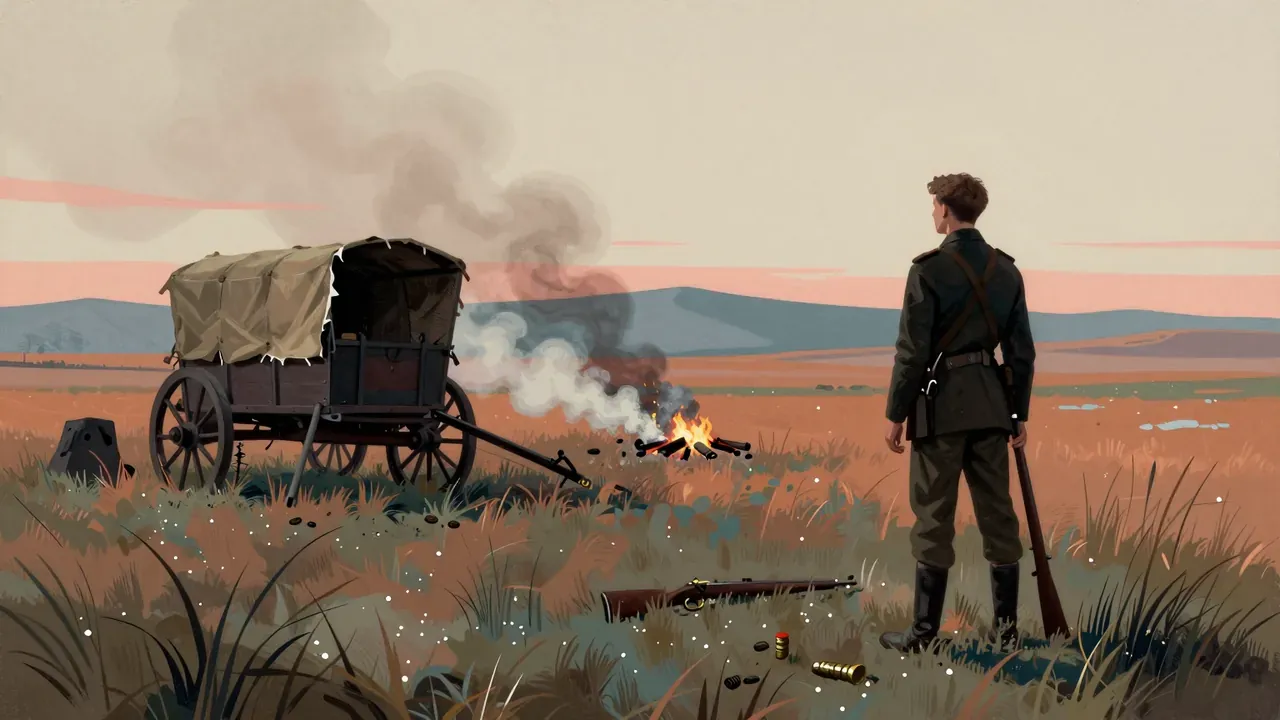
What does not land is the structural thinness of Jerry’s arc beyond pride and shame. His motivations remain opaque, less by design than by omission — the script gives him few interior cues beyond action and reaction, and Gyllenhaal’s performance, while controlled, cannot compensate for underwritten psychology. Similarly, the forest fire functions more as atmospheric motif than active force; it looms but rarely impinges, its symbolism never quite earned by narrative consequence. The film’s commitment to stillness occasionally tips into stasis — a scene in which Jeannette teaches swimming, for instance, feels suspended rather than significant, its purpose unclear until long after it ends. Some viewers may find the pacing too deliberate, the withholding too absolute: the film assumes patience as a condition of engagement, and those unwilling to grant it may read detachment as indifference. The absence of context — about class, region, era — is a choice, but one that risks flattening specificity into generality.
What it’s really about
The themes that matter are not grand abstractions but lived contradictions: the tension between self-preservation and loyalty, the cost of dignity when resources run low, the way children absorb marital collapse as grammar rather than event. It treats adulthood not as arrival but as negotiation — between duty and desire, honesty and survival, independence and dependence. Class is present but unspoken: the Brinsons rent, drive second-hand cars, measure worth in job titles and social access. Gender shapes every decision — Jeannette’s teaching ambitions deferred, Jerry’s identity tied to employment, Joe’s coming-of-age measured in responsibility assumed too soon. The film also explores how landscape mediates emotion: Montana’s vastness doesn’t liberate but isolates; the fire’s proximity doesn’t threaten but mirrors internal combustion. There is no moral centre — only shifting ground, where ethics are situational and consequences diffuse. What endures is not resolution but recalibration: the family reassembles, not whole, but rearranged.
Who it’s for
This film is for viewers who value composition over catharsis, who find emotional resonance in restraint, and who trust actors to convey complexity without exposition. It suits those accustomed to arthouse pacing and attuned to subtext — people who watch films not for plot propulsion but for behavioural nuance. It is not for viewers who require clear motivation, narrative payoff or tonal clarity. Those who prefer psychological exposition, dramatic escalation or thematic signposting will likely find it evasive or inert. A viewer expecting a period piece about 1960s America may be disappointed by its lack of historical texture; someone seeking a coming-of-age story may miss the adolescent agency usually central to that genre. The film’s power depends on sustained attention — if you habitually skip ahead or pause to check your phone, its effects will evaporate. Its rewards are cumulative, not immediate, and its pleasures are quiet, not loud.
Is it worth your evening
Yes, it is worth your evening — provided you arrive prepared to watch, not consume. Its 104 minutes unfold with unhurried gravity, and its impact lingers precisely because it refuses to rush or underline. You will not leave energised, but you may leave unsettled in a productive way — with a sharper eye for how people speak around truth, how silence carries weight, how small choices accrue into irreversible change. Those who dislike ambiguity or demand narrative closure will not find satisfaction here, and that is not a flaw in the film but a boundary in its contract with the viewer. It is not for everyone, but for those it is for, it is rare: a film that treats adult disappointment with the same seriousness others reserve for catastrophe. Its value lies not in what it says, but in how faithfully it observes what it shows — and in trusting you to do the rest.