filmbriefs
Actor · 1943

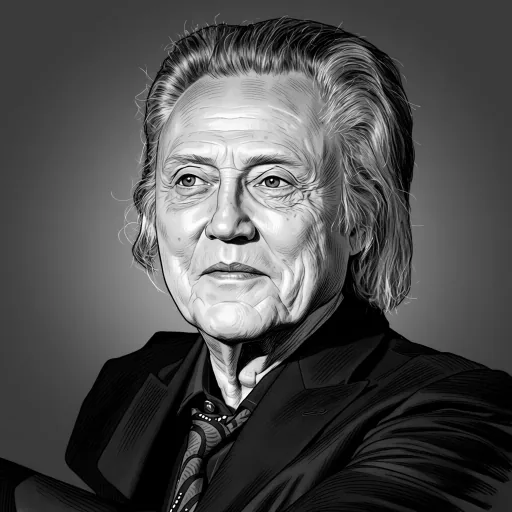
Christopher Walken

10
briefs
13:00
average
130 min
in total
On film.briefs10
13:00

Basquiat

Julian Schnabel · 1996

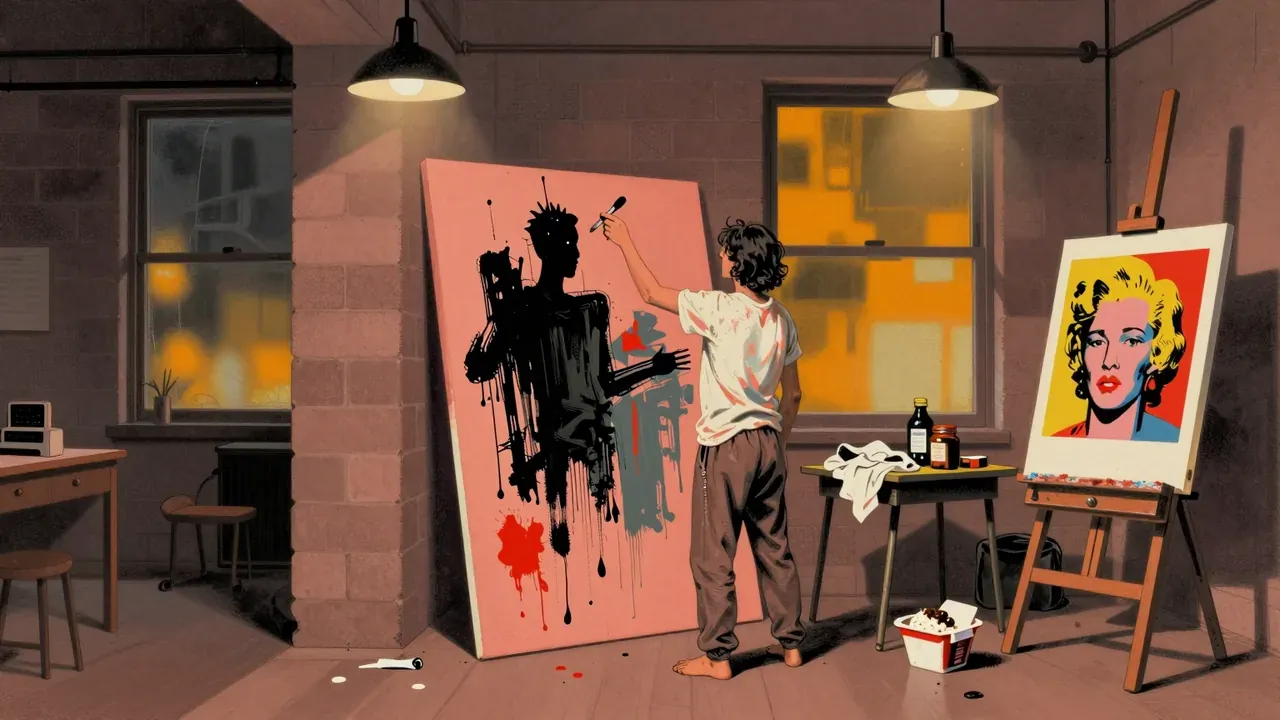
Julian Schnabel’s 1996 directorial debut is a biographical film about Jean-Michel Basquiat, starring Jeffrey Wright and David Bowie as Warhol. Made without access to Basquiat’s actual artwork, it relies on stylistic approximation and a self-reflexive script co-written by Schnabel and Lech Majewski. The film traces Basquiat’s rapid ascent and decline in 1980s New York, foregrounding his relationship with Warhol and his struggle with addiction. Its strength lies in texture and restraint; its limitation, in the narrowing of Basquiat’s voice, politics and heritage to fit Schnabel’s personal elegy.
13:00

Heaven's Gate

Michael Cimino · 1980

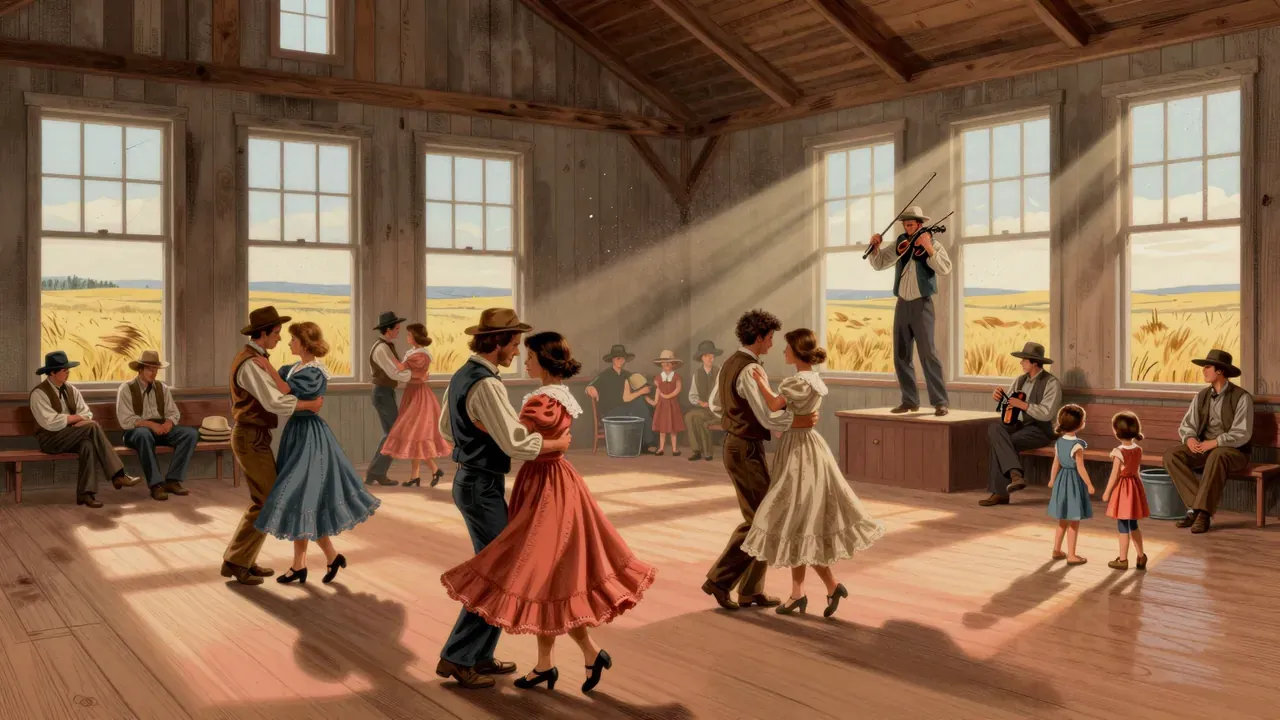
Michael Cimino’s 1980 Western Heaven’s Gate, starring Kris Kristofferson and Christopher Walken, is a visually sumptuous but narratively austere epic loosely based on the Johnson County War. Shot by Vilmos Zsigmond and scored by David Mansfield, it attempts to render class conflict as landscape and duration. Though reviled on release for its cost and length, later reappraisals treat it as a landmark of directorial conviction — flawed, forbidding, and formally uncompromising.

13:00

The Comfort of Strangers

Paul Schrader · 1990

Paul Schrader’s 1990 adaptation of Ian McEwan’s novel, scripted by Harold Pinter, follows an English couple drawn into the unsettling hospitality of a Venetian couple. With Natasha Richardson, Christopher Walken, and Rupert Everett, it builds dread through restraint: sparse dialogue, controlled framing, and the gradual erosion of autonomy. Not a thriller of action but of atmosphere, it asks the viewer to sit with ambiguity, not solve a mystery.

13:00

The Player

Robert Altman · 1992

Robert Altman’s 1992 film follows studio executive Griffin Mill, who kills a screenwriter he wrongly believes is threatening him. Set against the backdrop of Los Angeles studio culture, the film uses deadpan performance, long takes and layered cameos to dissect how narrative logic, professional survival and moral evasion intertwine in the film industry.

13:00

True Romance

Tony Scott · 1993

Tony Scott’s 1993 True Romance, written by Quentin Tarantino, follows newlyweds Clarence and Alabama as they flee Detroit with stolen cocaine, pursued by the Mafia and compromised by police informants. Anchored by Christian Slater and Patricia Arquette’s intimate, physically committed performances, the film balances stylised violence, pop-cultural wit, and genuine romantic urgency. Jeffrey L. Kimball’s saturated cinematography and Hans Zimmer’s looping Orff-based score reinforce its fable-like intensity. Though structurally uneven — strongest in its Detroit origins, thinner in its LA climax — it sustains tone and emotional logic across 120 minutes. A cult favourite, it rewards viewers attuned to its specific blend of pulp sincerity and visual bravado.

13:00

Batman Returns

Tim Burton · 1992

Tim Burton’s 1992 sequel discards superhero convention to explore abandonment and performance through Gotham’s grotesque, snowbound winter. With Michael Keaton, Danny DeVito, and Michelle Pfeiffer delivering career-defining turns, it leans on Stefan Czapsky’s shadow-heavy cinematography, Bo Welch’s layered production design, and Danny Elfman’s jagged score to sustain a tone both festive and funereal. Structurally loose but thematically tight, it remains a landmark of auteur-driven genre filmmaking.

13:00

Man on Fire

Tony Scott · 2004

Tony Scott’s 2004 crime thriller relocates A. J. Quinnell’s novel to Mexico City, following a broken ex-agent (Denzel Washington) who hunts kidnappers after his charge (Dakota Fanning) is abducted. Anchored by restrained performances and Paul Cameron’s urgent cinematography, it sustains emotional intimacy amid escalating violence — less cathartic thriller than austere study in accountability, endurance, and institutional decay.

13:00

Sleepy Hollow

Tim Burton · 1999

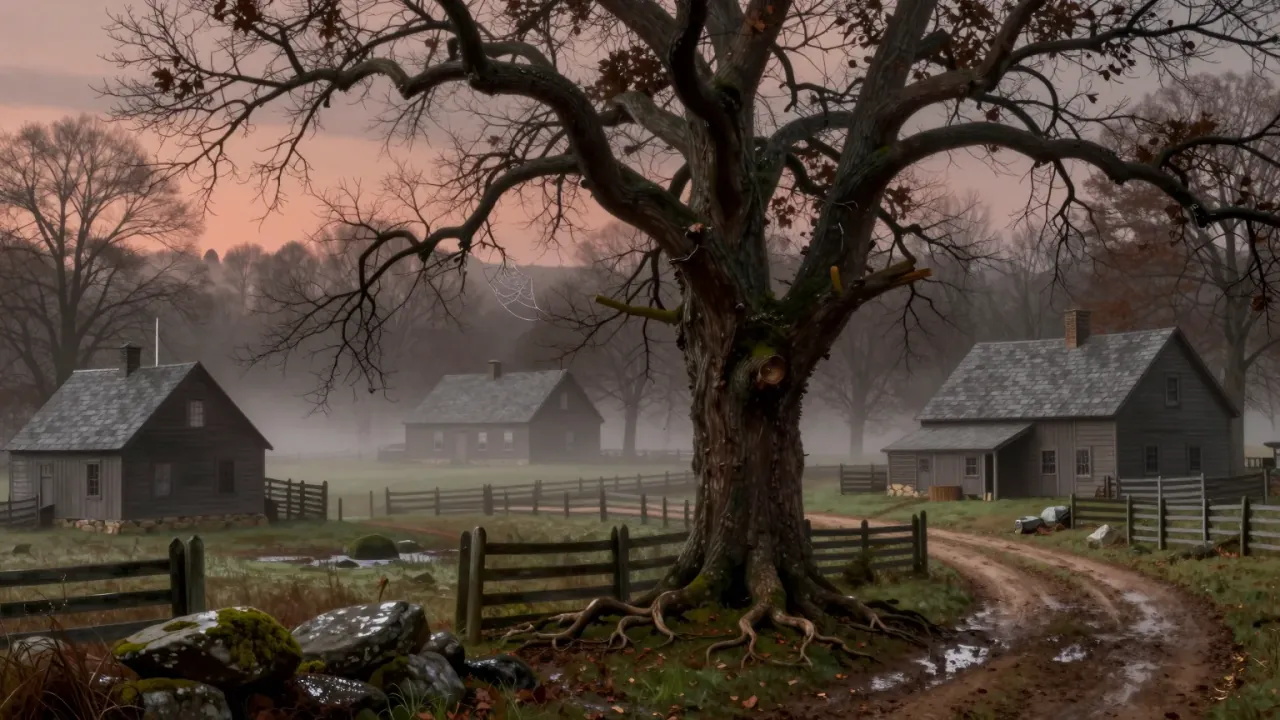
Tim Burton’s 1999 Sleepy Hollow reimagines Washington Irving’s tale as a painterly, studio-crafted horror fable. Johnny Depp plays Ichabod Crane, a forensic-minded constable investigating decapitations in an insular Hudson Valley village. With Emmanuel Lubezki’s moody cinematography, Rick Heinrichs’ Oscar-winning production design, and Danny Elfman’s brooding score, the film builds dread through saturated colour, deliberate artifice and tactile detail — not plot mechanics or psychological realism. Its strengths are visual and atmospheric; its weaknesses lie in structural looseness and underdeveloped relationships. It rewards patience with mood over momentum.

13:00

Pulp Fiction

Quentin Tarantino · 1994

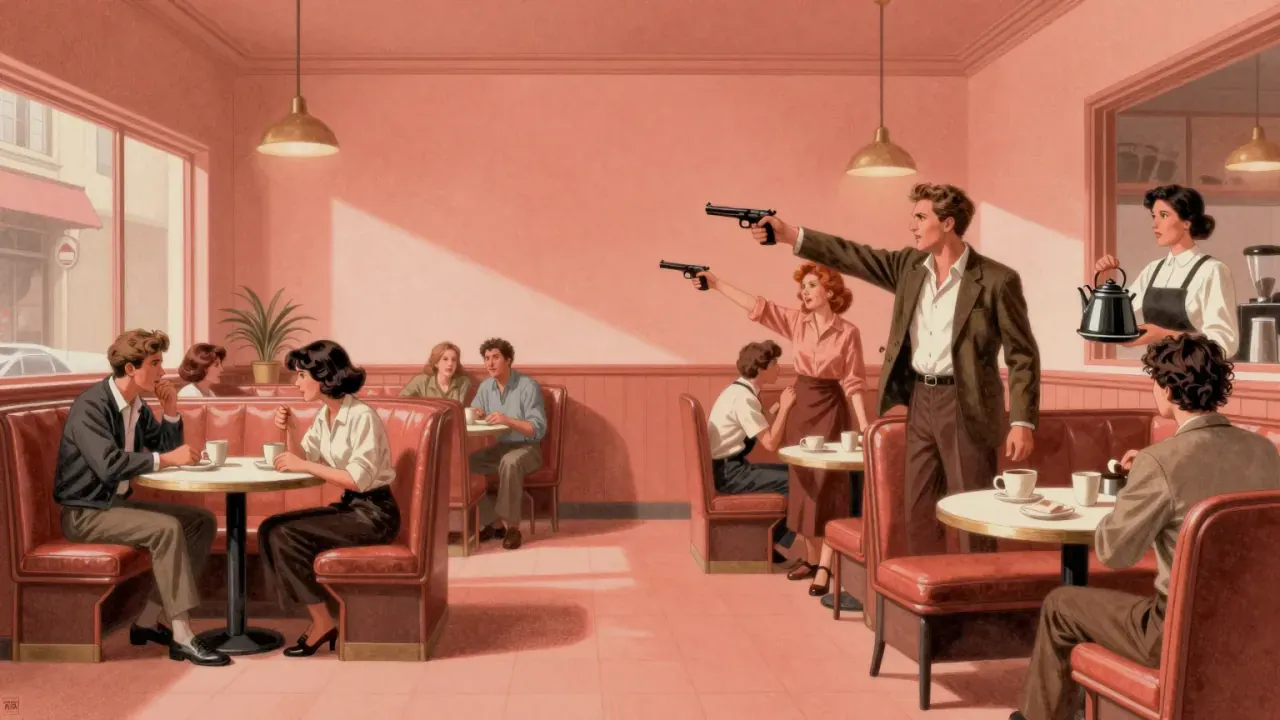
Quentin Tarantino's 1994 crime film interlaces three Los Angeles stories, a hitman duo, a boxer on the run, and a night that turns into a medical emergency, around a diner heist told from both ends. Built on scrambled chronology and extended, digressive dialogue, it became one of the most commercially and critically successful independent films ever made.

13:00

The Deer Hunter

Michael Cimino · 1978

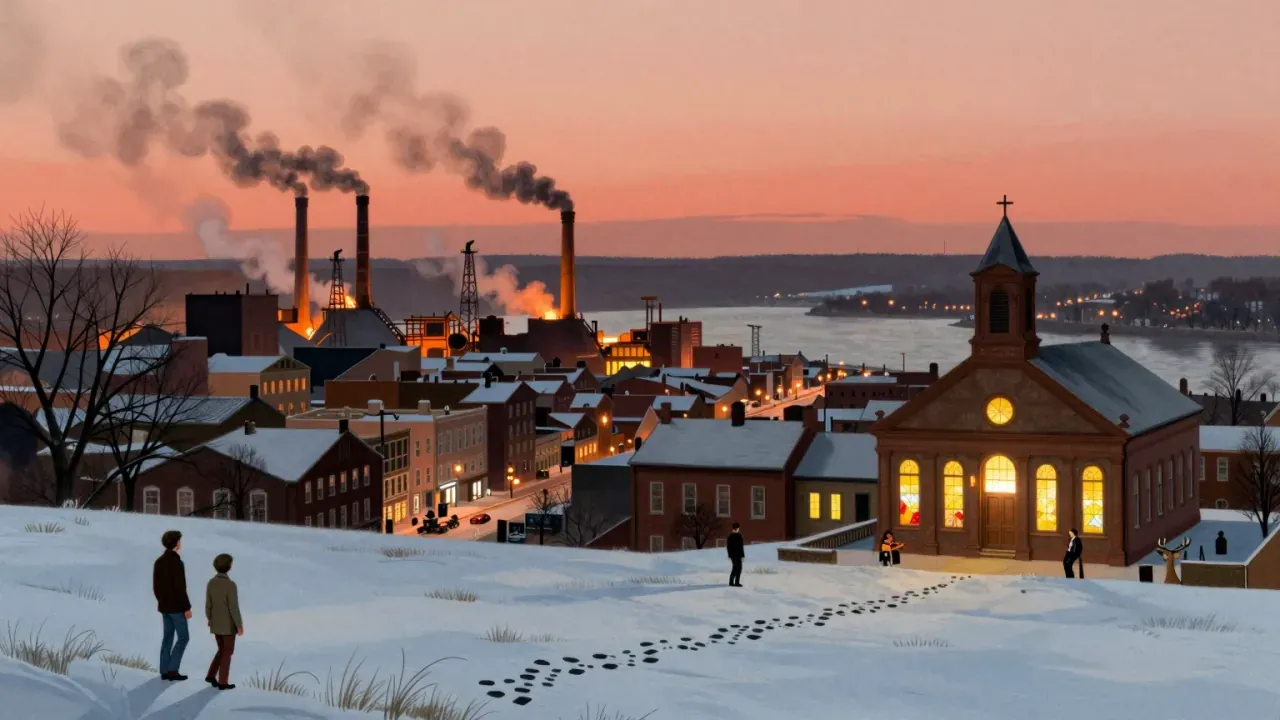
The Deer Hunter follows three steelworkers from a Russian-American mill town through a wedding, a hunting trip, the Vietnam War, and its long aftermath. Michael Cimino's film, shot partly in Thailand and built around Robert De Niro, Christopher Walken and John Savage, uses an unusually long, unhurried domestic opening to set up a war sequence built on captivity and Russian roulette, then spends its final third on men who came home changed in different, irreversible ways.