filmbriefs
Actor · Producer · Screenwriter · 1943

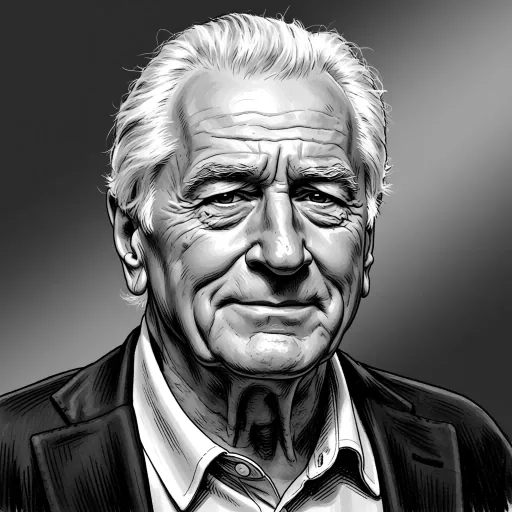
Robert De Niro

11
briefs
13:00
average
143 min
in total
On film.briefs11
13:00

Brazil

Terry Gilliam · 1985

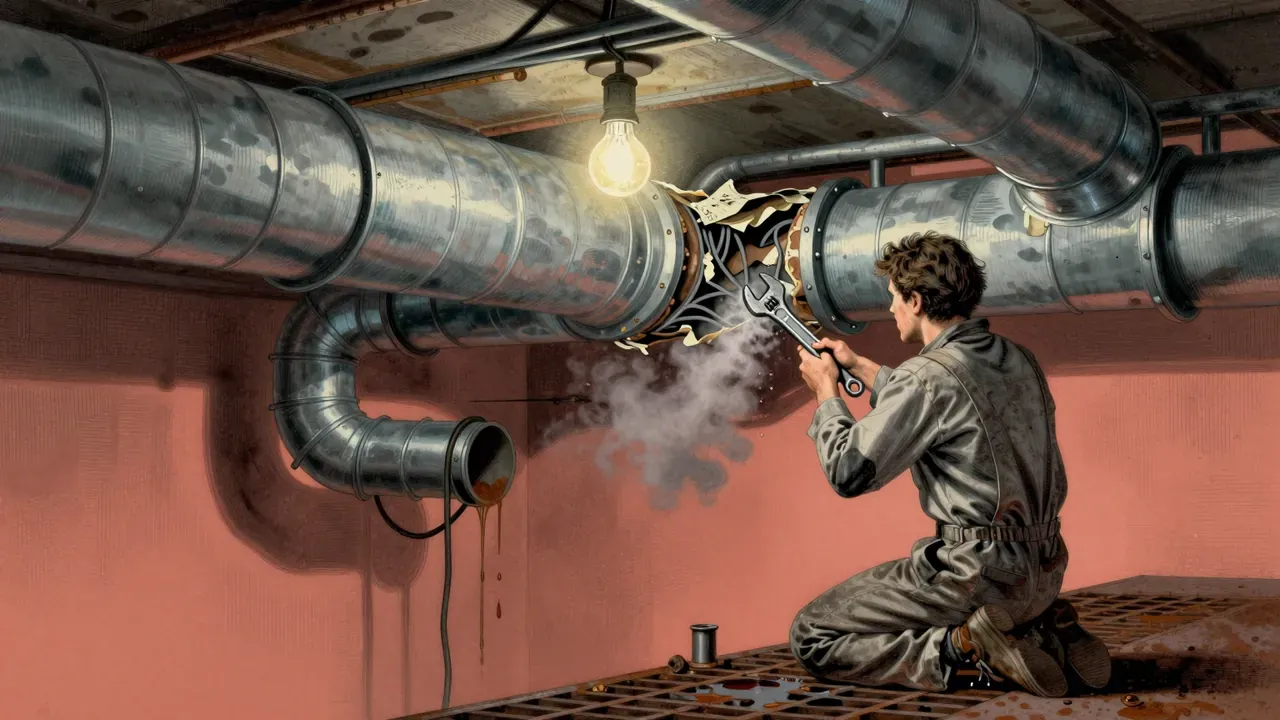
A 1985 dystopian satire directed by Terry Gilliam, Brazil follows Sam Lowry, a low-ranking bureaucrat in a decaying, anachronistic state, as he navigates absurd administrative logic, misfiled arrest warrants, and increasingly unstable fantasies. With Jonathan Pryce, Robert De Niro, Katherine Helmond and Michael Palin, it uses retro-futurist design, black comedy and Kafkaesque structure to dissect technocracy, surveillance and institutional incompetence — not as future threats, but as present habits dressed in tweed and duct tape.
13:00

Killers of the Flower Moon

Martin Scorsese · 2023

Killers of the Flower Moon (2023) is Martin Scorsese’s 206-minute crime drama adapting David Grann’s book on the 1920s Osage murders. Shifting focus from FBI investigation to the marriage of Ernest Burkhart and Mollie Kyle, it uses restrained craft — Rodrigo Prieto’s muted cinematography, Thelma Schoonmaker’s unhurried editing, Robbie Robertson’s sparse score — to situate colonial violence in domestic routine. Lily Gladstone’s performance grounds the film ethically and emotionally; Leonardo DiCaprio and Robert De Niro offer layered, unsettling turns. Though its length and ambiguity divide viewers, its commitment to Osage perspective and structural patience make it a singular, demanding work.

13:00

Mean Streets

Martin Scorsese · 1973

Martin Scorsese’s 1973 breakthrough follows Charlie, a young Italian-American in New York’s Little Italy, torn between Catholic guilt, Mafia duty, and loyalty to his self-destructive friend Johnny Boy. Shot on a $500,000 budget with documentary grit and improvised intensity, it features defining early performances by Harvey Keitel and Robert De Niro. Its moral density, urban texture, and formal daring marked the arrival of a major American filmmaker — and reshaped decades of screen storytelling.

13:00

The Irishman

Martin Scorsese · 2019

Martin Scorsese’s 2019 crime drama follows Frank Sheeran (Robert De Niro), a truck driver turned alleged hitman, across five decades of mob and union entanglement. Adapted from Charles Brandt’s contested book, it uses de-ageing effects and deliberate pacing to explore memory, complicity, and the quiet dissolution of identity. With Al Pacino as Jimmy Hoffa and Joe Pesci as Russell Bufalino, it prioritises restraint over revelation—and duration over drama.

13:00

Casino

Martin Scorsese · 1995

Martin Scorsese's 1995 film, adapted with Nicholas Pileggi from Pileggi's nonfiction book, follows Sam 'Ace' Rothstein, sent by the Chicago Outfit to run the fictional Tangiers casino, as his marriage to hustler Ginger McKenna and his friendship with volatile enforcer Nicky Santoro both collapse around him. Based closely on the real skimming operation run through Las Vegas's Stardust casino in the 1970s, and shot largely inside the actual Riviera casino rather than on built sets, the 178-minute film grossed $116 million against a $50 million budget and earned Sharon Stone an Academy Award nomination.

13:00

Goodfellas

Martin Scorsese · 1990

Martin Scorsese's 1990 account of Henry Hill's rise and fall inside the Lucchese crime family, adapted from Nicholas Pileggi's book Wiseguy. Told through overlapping narration and a compressed, accelerating style, it follows money, loyalty and violence as the daily business of a life Hill first found glamorous and eventually could not escape.

13:00

Heat

Michael Mann · 1995

Michael Mann's 1995 crime epic pairs Al Pacino's LAPD detective against Robert De Niro's professional thief across a Los Angeles built from real locations and a case Mann first wrote up as a 1989 television film. Its bank-heist shootout, drilled for months with a former SAS trainer, and the single diner scene bringing its two leads together for the first time on screen remain the reasons it is still watched, even at 171 unhurried minutes.

13:00

Raging Bull

Martin Scorsese · 1980

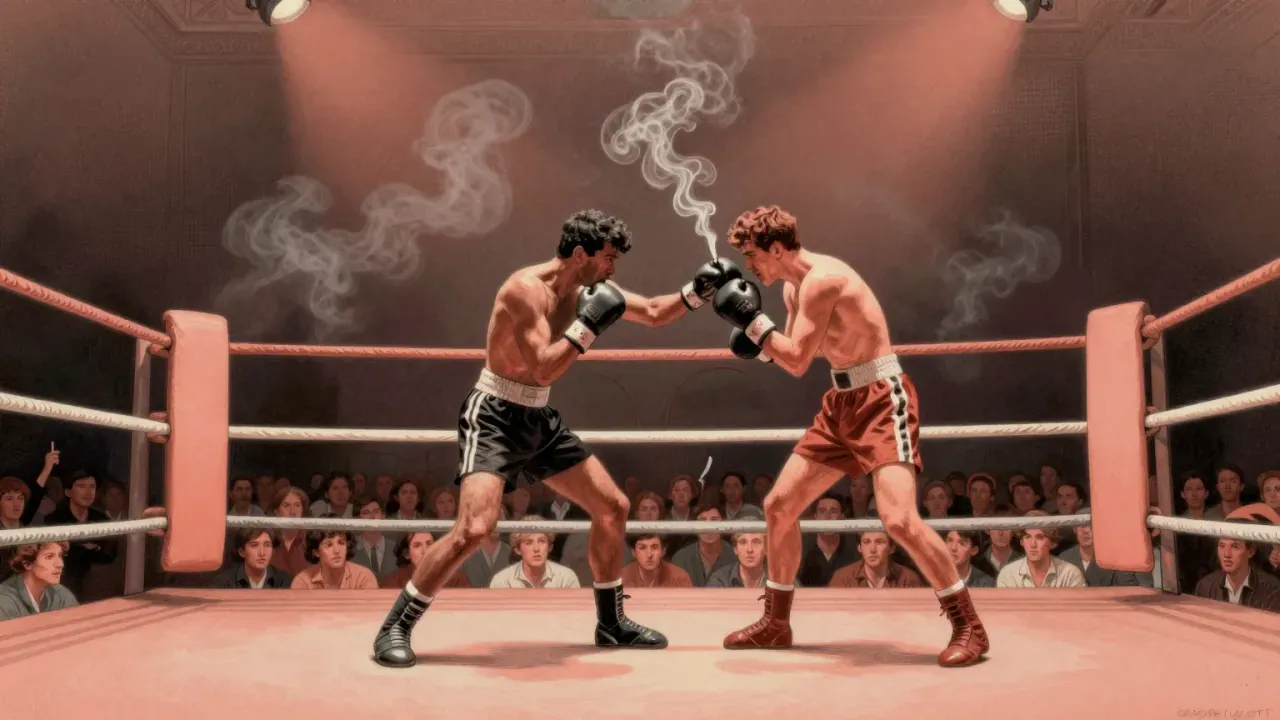
Martin Scorsese's 1980 film adapts former middleweight champion Jake LaMotta's own memoir into a study of a man whose jealousy and temper wreck his marriage and his relationship with his brother and manager Joey at the same rate his boxing career rises and falls. Shot in black and white, partly because research showed period boxing gloves came in too narrow a range of colours to justify colour film, and built around a physical transformation in which Robert De Niro gained roughly 60 pounds to play LaMotta's later years, the film returned only a modest $23.4 million against its $18 million budget on release but later won Oscars for De Niro's performance and Thelma Schoonmaker's editing.

13:00

Taxi Driver

Martin Scorsese · 1976

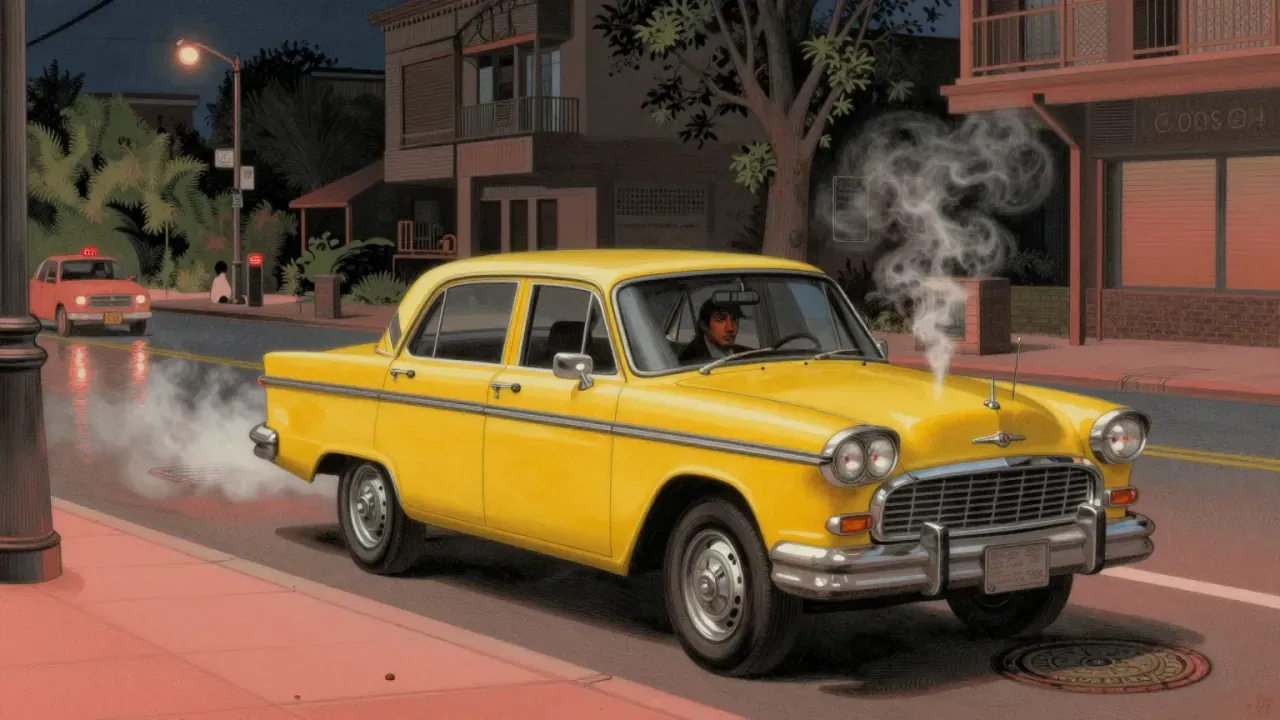
Martin Scorsese's 1976 film follows Travis Bickle, an insomniac Vietnam veteran driving a New York taxi through the city's worst hours, as his isolation and contempt for the people around him build toward an act of violence aimed first at a political candidate and then at the pimp controlling a twelve-year-old sex worker he has taken an interest in. Written by Paul Schrader, shot with a jittery, restless camera, and scored by Bernard Herrmann in the days before his death, the film was made for $1.9 million and returned over $117 million, winning the Palme d'Or and later becoming entangled in real-world controversy after inspiring an actual assassination attempt.

13:00

The Deer Hunter

Michael Cimino · 1978

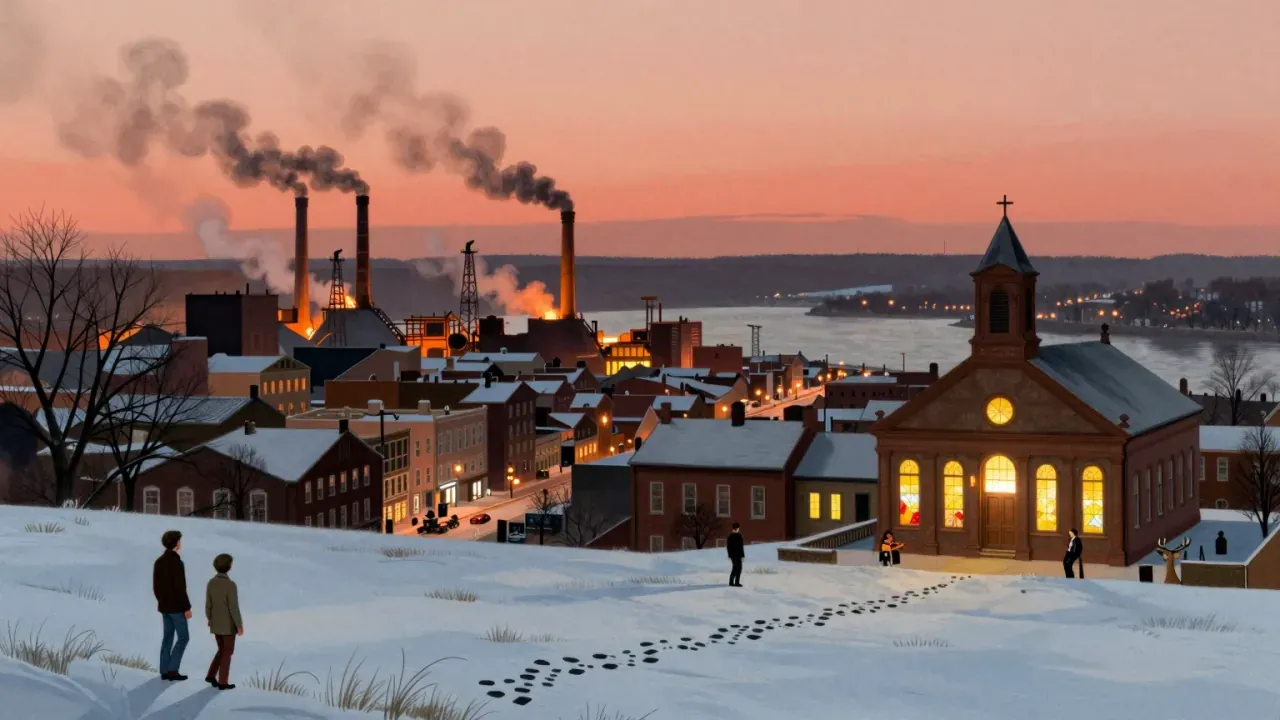
The Deer Hunter follows three steelworkers from a Russian-American mill town through a wedding, a hunting trip, the Vietnam War, and its long aftermath. Michael Cimino's film, shot partly in Thailand and built around Robert De Niro, Christopher Walken and John Savage, uses an unusually long, unhurried domestic opening to set up a war sequence built on captivity and Russian roulette, then spends its final third on men who came home changed in different, irreversible ways.

13:00

The Godfather Part II

Francis Ford Coppola · 1974

Francis Ford Coppola's 1974 sequel cuts between young Vito Corleone's immigrant rise in early-twentieth-century New York, played by Robert De Niro, and Michael Corleone's ruthless consolidation of the family's power a generation later, played again by Al Pacino. Gordon Willis returns as cinematographer and Nino Rota as composer, on a budget of $13 million against a $48 million take, and the film won six Oscars including Best Picture and Best Director, an unusual feat for a sequel.