filmbriefs
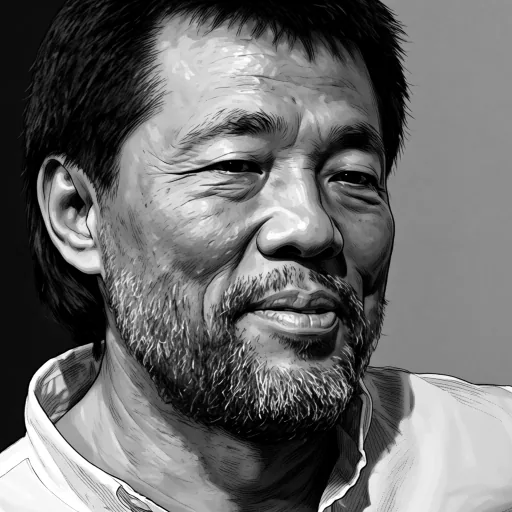
Cinematographer · 1954

Mark Lee Ping Bin

6
briefs
13:00
average
78 min
in total
On film.briefs6
13:00

Flowers of Shanghai

Hou Hsiao-Hsien · 1998

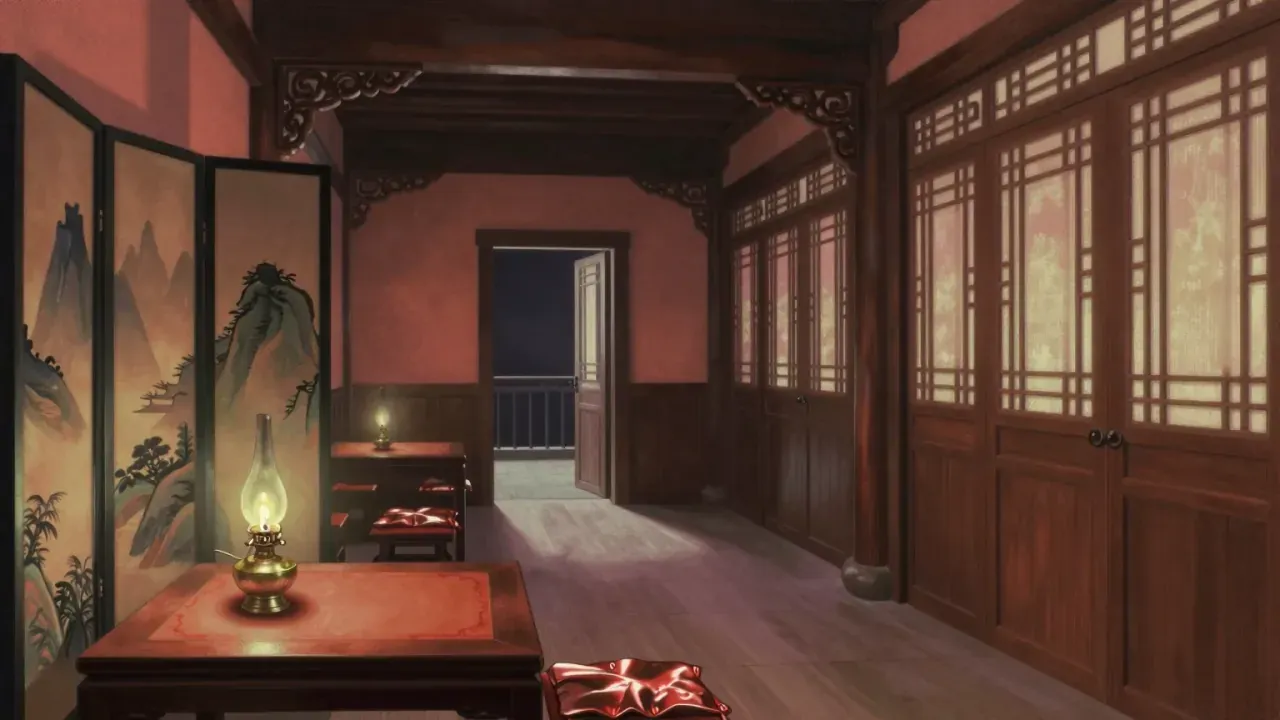
Set in 1884 Shanghai’s elite brothels, Hou Hsiao-Hsien’s Flowers of Shanghai adapts Han Bangqing’s novel via Eileen Chang’s translation. Shot entirely on Taiwanese soundstages under candlelight, it unfolds across thirty-eight long takes, tracing the constrained lives and negotiated intimacies of ‘flower girls’ and their patrons. With no outdoor scenes, minimal dialogue, and fades replacing cuts, it constructs a world governed by ritual, debt, and quiet endurance—not historical recreation, but emotional archaeology.
13:00

Café Lumière

Hou Hsiao-Hsien · 2004

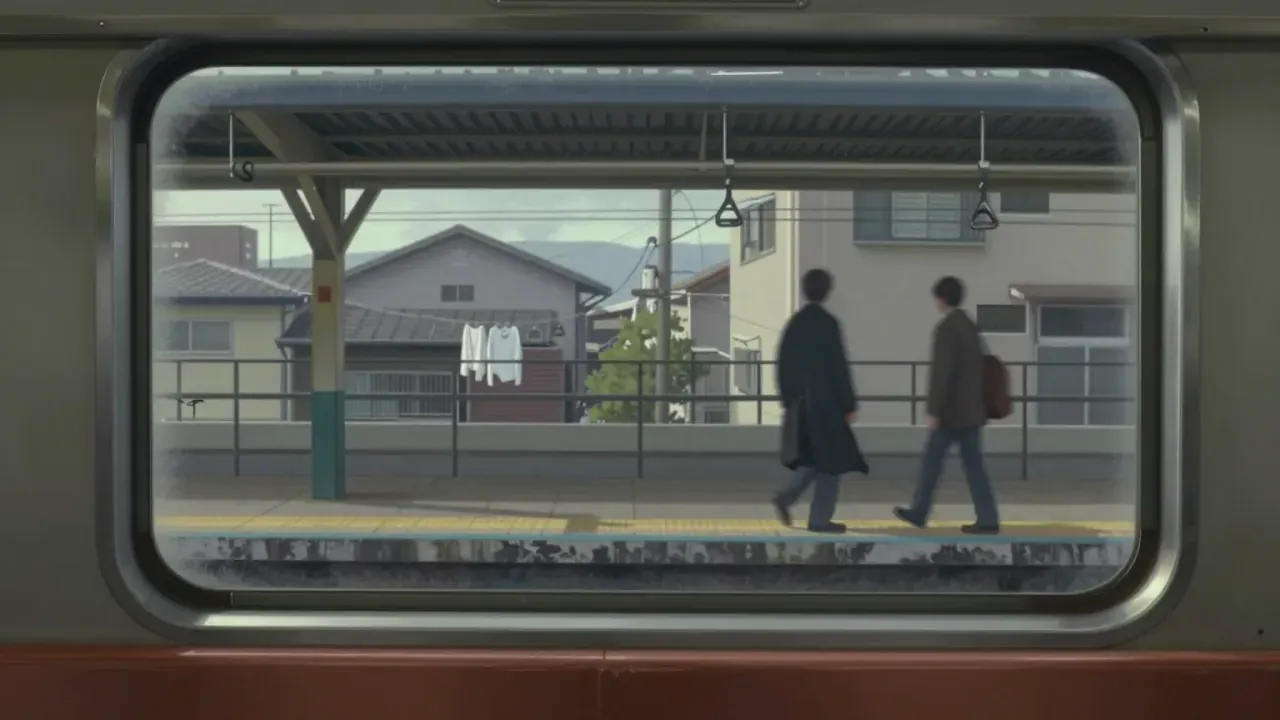
Café Lumière is Hou Hsiao-Hsien’s 2004 Japanese-language drama, commissioned by Shochiku as an Ozu homage. Shot in Tokyo with an all-Japanese cast, it follows Yoko Inoue’s quiet research into composer Jiang Wen-Ye. Mark Lee Ping Bin’s cinematography and Yōsui Inoue’s score support a film built on long takes, architectural framing, and ambient observation — not plot, but presence. It values duration, texture, and understatement over exposition or emotional climax.

13:00

Dust in the Wind

Hou Hsiao-Hsien · 1986

Dust in the Wind (1986), directed by Hou Hsiao-Hsien, follows Ah Yuan and Ah Yun, childhood sweethearts from Jiufen, Taiwan, as they move separately to Taipei in the early 1970s. Their relationship unravels not through conflict but through the quiet pressures of urban life, military service, and unspoken expectations. Shot in Taiwanese Hokkien with restrained performances and patient cinematography by Mark Lee Ping Bin, the film observes migration, labour, and memory as embodied, everyday facts — not dramatic events.

13:00

Millennium Mambo

Hou Hsiao-Hsien · 2001

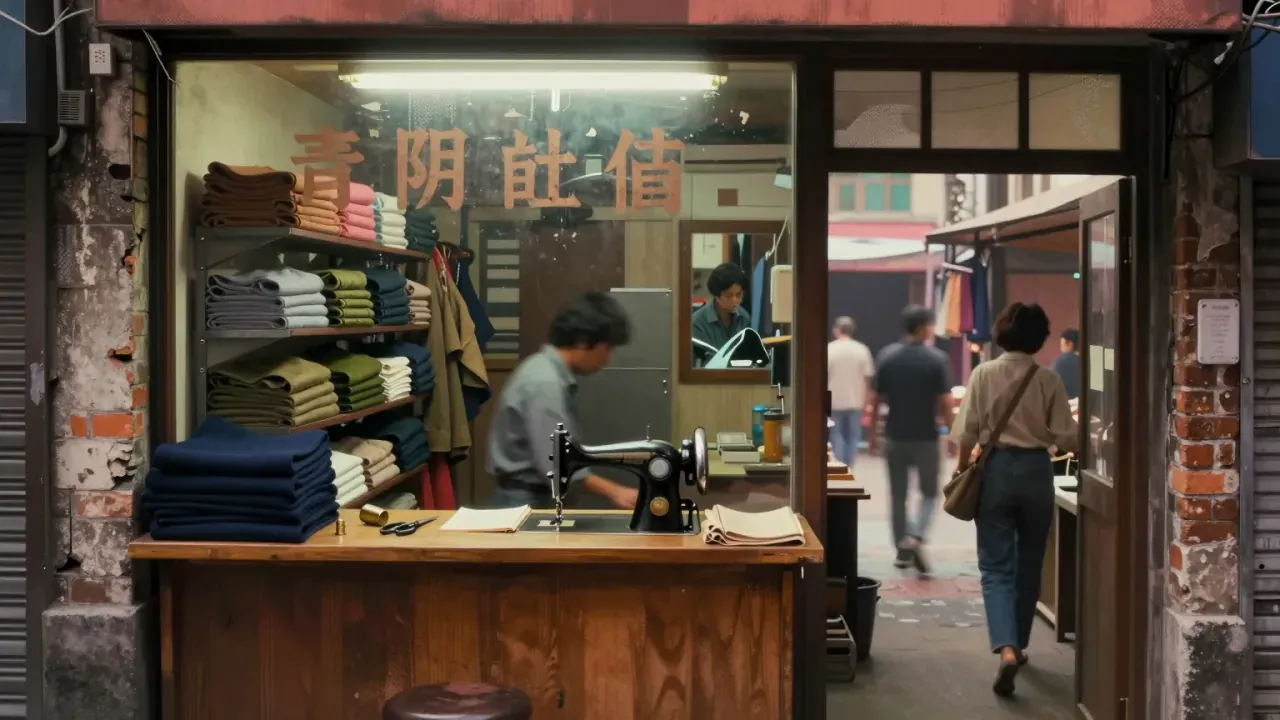
Millennium Mambo is a 2001 Taiwanese arthouse romance directed by Hou Hsiao-Hsien, following Vicky (Shu Qi) as she reflects on her early twenties in Taipei at the turn of the millennium. Structured as a hazy, non-linear recollection, it prioritises atmosphere over exposition — lingering on neon-lit bars, subway platforms, and quiet apartments — with Shu Qi’s restrained performance and Mark Lee Ping Bin’s soft-focus cinematography anchoring its meditative pace. Awarded the Technical Grand Prize at Cannes for sound design, it is a study in temporal drift, where romance serves less as plot than as ambient pressure.

13:00

The Assassin

Hou Hsiao-Hsien · 2015

Hou Hsiao-Hsien’s 2015 wuxia film, set in the Tang dynasty, follows an assassin ordered to kill her cousin and former betrothed. Loosely based on a ninth-century story, it replaces genre conventions with austere composition, elliptical storytelling and profound stillness. Shot by Mark Lee Ping Bin and scored by Lim Giong, it won the Golden Horse Award for Best Feature Film and Best Director at Cannes.

13:00

In the Mood for Love

Wong Kar-wai · 2000

In 1962 Hong Kong, a newspaper editor and a secretary living next door to each other realise their spouses are having an affair, and grow close while insisting they will not repeat it. Wong Kar-wai shot for fifteen months without a finished script, switching cinematographers mid-production, and built the film around Maggie Cheung's cheongsams and Tony Leung's restraint rather than plot incident. It won Leung the Cannes best actor award and has since been ranked among the major works of Asian cinema.