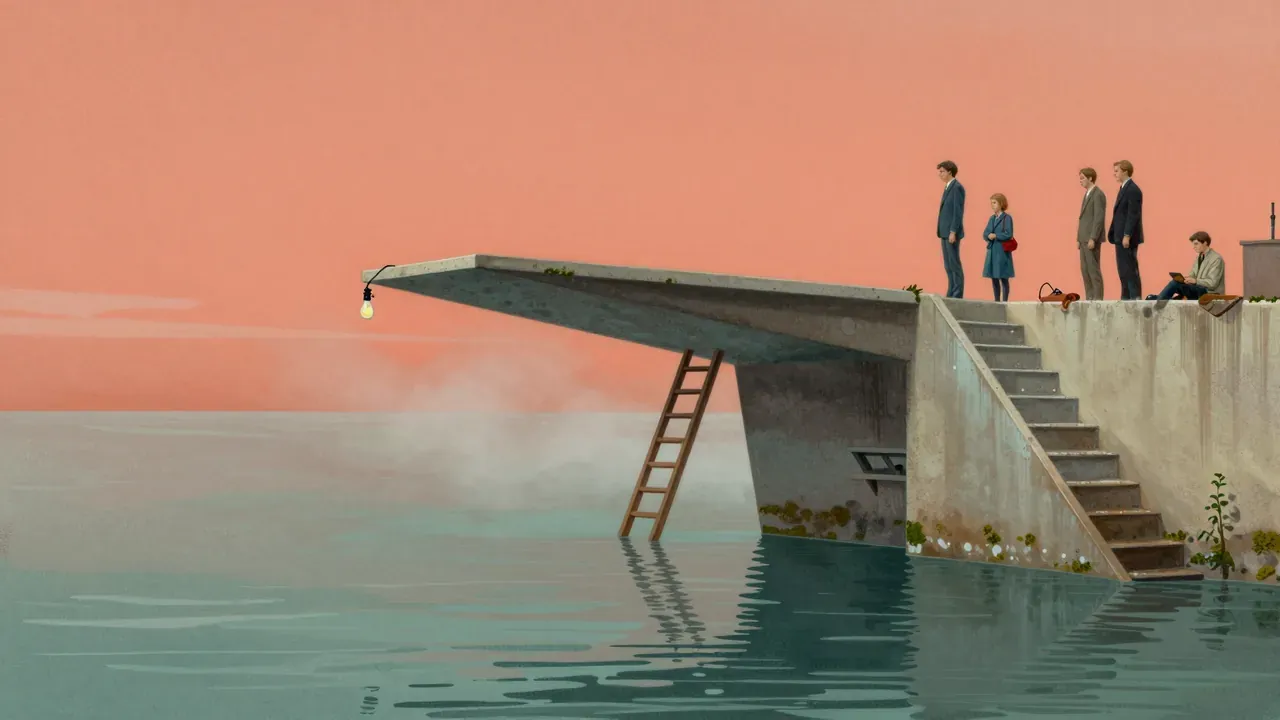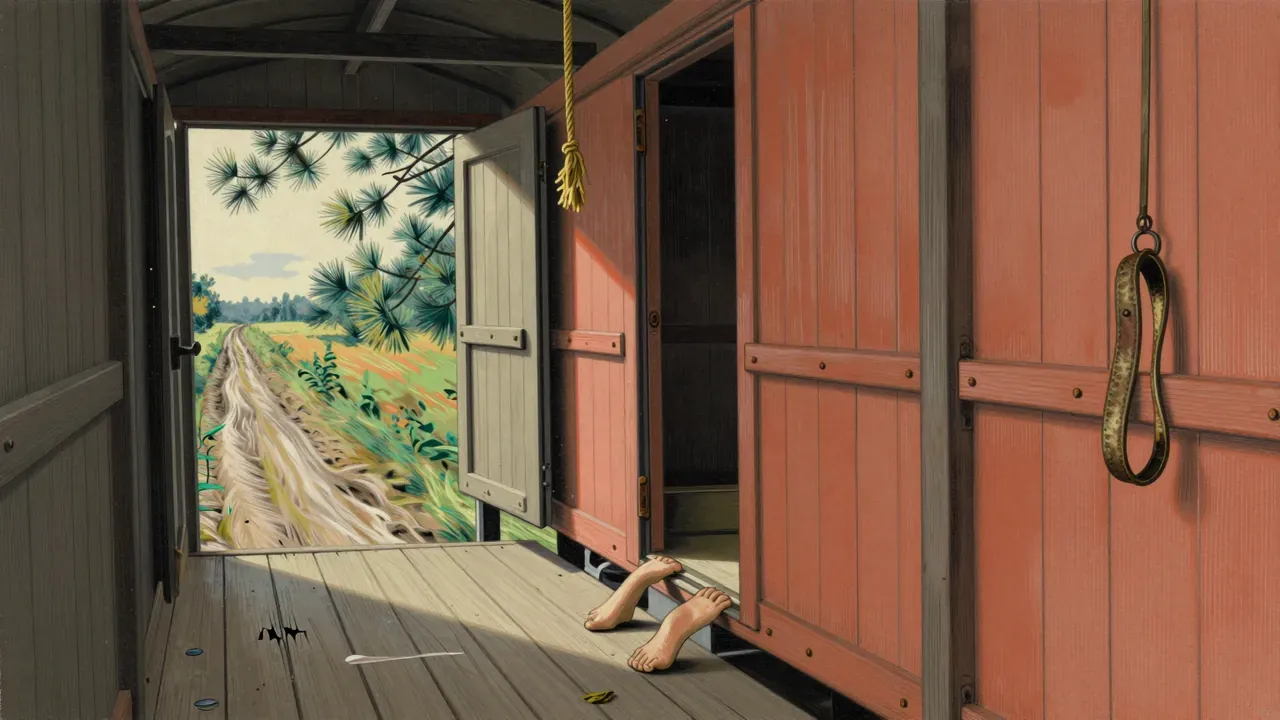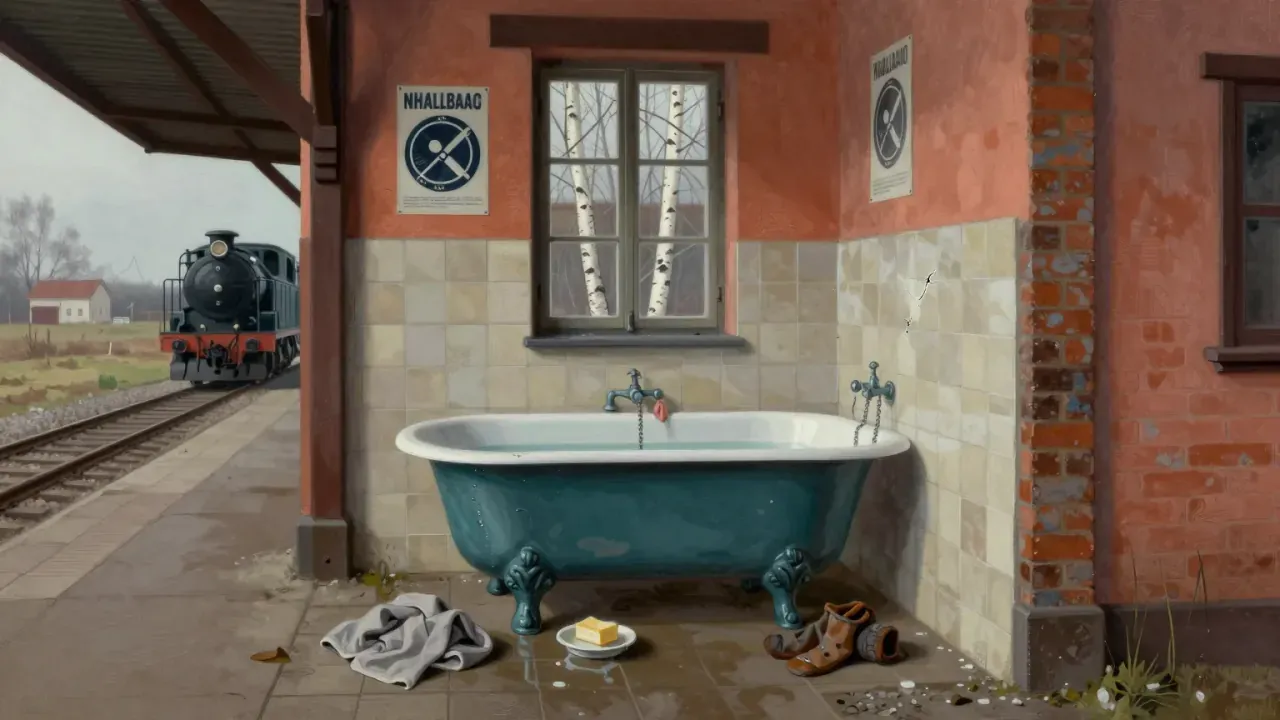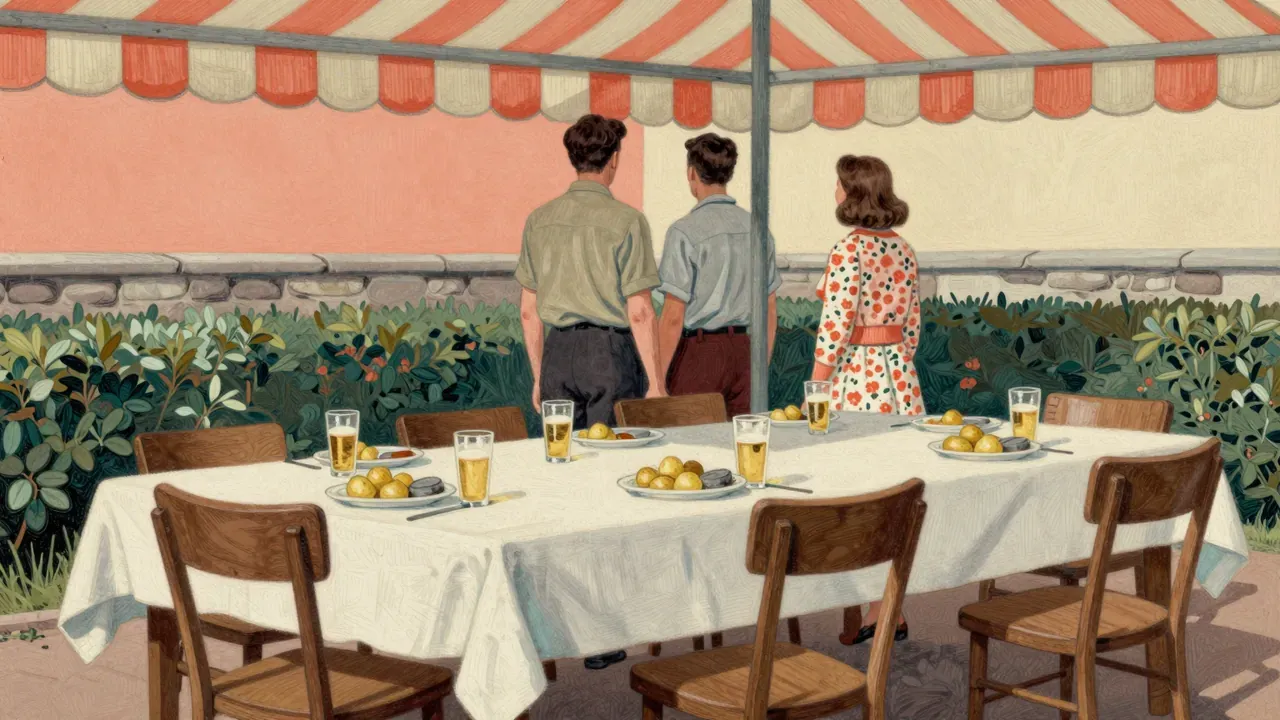
Five Writers, One Voice
Pearls of the Deep is a Czechoslovak anthology film from 1966, composed of five short segments directed by Věra Chytilová, Jan Němec, Jiří Menzel, Jaromil Jireš and Evald Schorm. Each segment adapts a short story by Bohumil Hrabal, and all were shot in Czech, on location or in modest studio settings, with Jaroslav Kučera as cinematographer. The film does not aim for narrative continuity or tonal unity; instead, it presents a collective gesture — a shared stylistic curiosity and literary fidelity across five distinct directorial voices. It treats Hrabal’s prose not as source material to be dramatised but as a condition: his preoccupation with minor characters, banal epiphanies, and the comic weight of ordinary speech becomes the film’s structural principle. There is no framing device, no narrator, no editorial hierarchy among the segments. Its ambition is modestly radical: to let five filmmakers respond individually to the same writer, trusting that coherence would emerge not from plot or theme but from texture, rhythm and moral attention to the unremarkable. That trust defines its project — and its risk. (158 words)
The Sound of Ordinary Speech
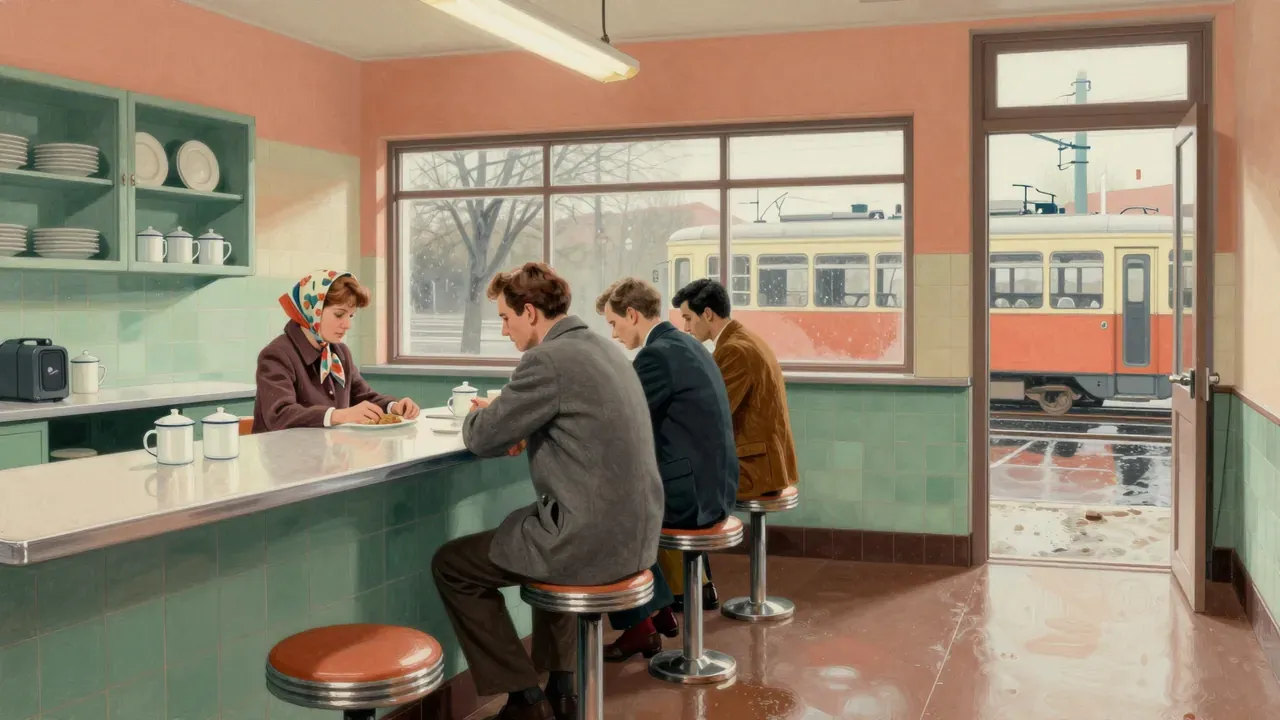
The film works through juxtaposition rather than accumulation. Menzel’s ‘The Death of Mr Balthazar’ moves with loose, pub-drunk pacing, its performances grounded in conversational slippage and physical ease — Evald Schorm and Jiří Menzel both appear as actors, lending an air of insider familiarity. Němec’s ‘Imposters’ relies on stillness and understatement, two men rehearsing identities in near-silence, their lies delivered without flourish. Schorm’s ‘House of Joy’ uses tight interiors and abrupt cuts to heighten the absurdity of bureaucratic logic meeting rural eccentricity. Chytilová’s ‘At the World Cafeteria’ employs shallow focus and off-centre framing to isolate guests inside a diner while keeping the world outside insistently present in reflections and background noise. Jireš’s ‘Romance’ avoids sentimentality by holding back on music and close-ups, letting the boy’s infatuation register in glances and withheld gestures. Kučera’s cinematography remains consistent in its naturalism: available light, handheld drifts only where needed, no stylised grading. Klusák and Šust’s scores are sparse, often absent — sound design carries more weight than melody. (159 words)
Where the Comedy Lives
What lands is the cumulative effect of Hrabal’s voice translated into cinematic behaviour: the way people talk past each other, misremember facts, mistake coincidence for meaning, and treat mortality as a mildly inconvenient topic. The motorcycle race sequence in Menzel’s segment lands because it refuses catharsis — Balthazar’s death is sudden, unheroic, barely remarked upon by the camera, and immediately absorbed into the group’s drunken patter. Němec’s two old men land because their fabrications are so thin — opera careers built on one aria hummed off-key, journalism careers cited via a single clipped newspaper clipping — that the pathos comes not from their lies but from how little they need to convince themselves. Chytilová’s wedding reception lands in its refusal to moralise: the guests aren’t callous, just habituated, and the film shares their habituation without judgment. These moments work because they do not ask the viewer to interpret, only to witness. They are precise, unhurried, and anchored in physical detail — a half-empty glass, a goat wandering into frame, a motorbike’s exhaust note held just a beat too long. (157 words)
The Weight of the Unfinished
What does not land is the unevenness of tone when taken as a whole. Schorm’s ‘House of Joy’ feels structurally incomplete — the insurance agents arrive, observe, and leave without clear motivation or consequence, and the painter’s eccentricity reads as sketch rather than character. Jireš’s ‘Romance’ suffers from underwritten contrast: the Roma girl is present but not heard, her perspective omitted, reducing the encounter to a gaze rather than a relationship. The film’s commitment to restraint occasionally tips into opacity: there is no exposition, no context for why these particular stories were chosen, no visual motif to bind them beyond shared authorship. Some segments — particularly Němec’s — assume familiarity with Czech cultural codes around ageing and dignity that do not travel without annotation. The editing by Hájek and Lukešová maintains continuity within each segment but offers no rhythmic bridge between them; the transitions feel like page turns, not breaths. This is not incompetence but a formal choice — yet it leaves the film feeling less like a unified manifesto and more like a portfolio, admirable in parts, unresolved as a set. (159 words)
The Texture of the Everyday
The themes that matter are not abstract but embodied: the persistence of self-invention in the face of obsolescence, the quiet violence of bureaucratic language applied to human lives, the way joy and grief occupy the same social space without displacing each other, and the stubborn comedy of bodies refusing to conform to narrative expectation. Ageing appears not as decline but as ongoing performance — the imposter singers, the father who recalls Munich beer mid-crisis, the goat farmer who treats municipal inspectors as temporary weather. Class is present but never named: it lives in the cut of coats, the weight of silence in a room, the difference between a wedding at a cafeteria and one in a church. Absurdism here is not surreal but procedural — paperwork for goats, biographies assembled from rumour, mourning conducted over pilsner. Mortality is treated as mundane infrastructure: something that happens near you, like rain, and which you step around without breaking stride. These are not ideas argued but habits observed — the film’s moral centre is its refusal to elevate any moment above another, whether a crash, a toast, or a goat chewing wallpaper. (159 words)
Who It Lets In
This film is for viewers who value literary adaptation as act of listening rather than translation, and who find pleasure in tonal variety within a single frame. It suits those familiar with mid-century Central European history, or willing to sit with ambiguity about political context — the Cold War presence is atmospheric, not declarative. It rewards patience with digression, tolerance for unresolved endings, and interest in how craft choices (a pause, a cut, a lingering wide shot) carry meaning without commentary. It is not for viewers who require narrative propulsion, psychological exposition, or thematic resolution. Those expecting satire will find too much tenderness; those seeking realism may miss the deliberate artifice in the staging. A viewer who dislikes deadpan delivery or finds repetition tedious will resist its rhythms. The film assumes its audience shares its belief that a man discussing beer after a death is as worthy of attention as the death itself — and that assumption is its dividing line. Without that alignment, the film feels scattered, not structured. (158 words)
The Evening It Takes
Yes, it is worth your evening — but only if you watch it whole, in order, without interruption, and without expecting synthesis. Its value lies in the friction between segments: how Menzel’s warmth unsettles Němec’s austerity, how Chytilová’s visual restlessness contrasts Schorm’s static irony. To skip a segment or watch them out of sequence is to lose the film’s central proposition — that coherence emerges from collision, not consensus. Someone who values tightly plotted fiction or emotionally guided arcs will find it frustrating, and rightly so; this is not a failure of the film but a mismatch of expectation. A restoration or reissue with new subtitles might improve accessibility, but no amount of context can substitute for willingness to meet the film on its own terms: as a set of five small, stubborn attentions, each insisting that the pearl is not at the surface, but down where the light fades. (159 words)