filmbriefs
Actor · 1920–2003

Jack Elam

4
briefs
13:00
average
52 min
in total
On film.briefs4
13:00

Jubal

Delmer Daves · 1956

Delmer Daves’s 1956 Western Jubal transposes Othello’s jealousy plot onto a cattle ranch, using CinemaScope not for spectacle but containment. Glenn Ford plays Jubal, a drifter hired as foreman, whose quiet competence provokes Rod Steiger’s resentful Pinky and triggers Ernest Borgnine’s fatal misreading of his wife’s loyalty. With minimal score, naturalistic lighting and restrained performances, the film builds tension through gesture and silence — not action — culminating in a morally ambiguous resolution that refuses catharsis or clarity.
13:00

Pat Garrett and Billy the Kid

Sam Peckinpah · 1973

Sam Peckinpah’s 1973 revisionist Western follows Pat Garrett’s reluctant pursuit of Billy the Kid, framed by Garrett’s own assassination. Shot in Durango with John Coquillon, scored by Bob Dylan, and written by Rudy Wurlitzer, it rejects heroic narrative in favour of cyclical fatalism—where lawmen are hired hands, outlaws are inconveniences, and violence serves capital, not justice.

13:00

Kiss Me Deadly

Robert Aldrich · 1955

Robert Aldrich’s 1955 Kiss Me Deadly recasts Mickey Spillane’s Mike Hammer as a morally adrift private investigator drawn into a conspiracy centred on a mysterious, glowing suitcase. Shot on location in a decaying Los Angeles, with stark cinematography by Ernest Laszlo and a percussive score by Frank De Vol, the film rejects noir conventions of resolution and moral clarity. Its power lies in accumulation — of dread, ambiguity, and physical consequence — culminating in an ending that offers no salvation, only exposure.

13:00

Once Upon a Time in the West

Sergio Leone · 1968

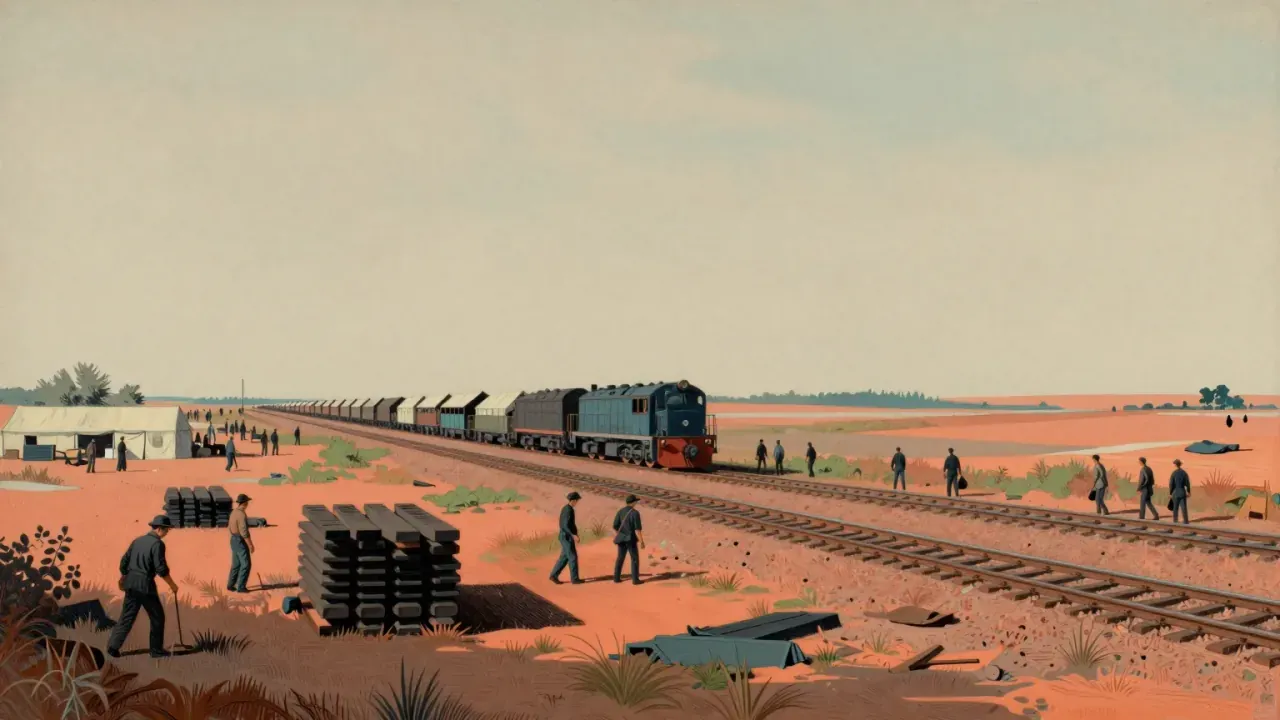
Sergio Leone's 1968 Western, funded by Paramount specifically to secure Henry Fonda, casts the actor against type as a hired killer clearing land for the railroad while a harmonica-playing stranger, played by Charles Bronson, pursues him for reasons the film withholds until its final scenes. Composed with Ennio Morricone's score written and recorded before filming began, and shot across Spain, Utah and Cinecittà, the film ran 165 minutes in Europe to strong box office, but Paramount's 140-minute US cut flopped on release in 1969, a fate the film's reputation has long since reversed.