filmbriefs
Studio

United Artists

15
briefs
13:00
average
195 min
in total
On film.briefs15
13:00

Heaven's Gate

Michael Cimino · 1980

Michael Cimino’s 1980 Western Heaven’s Gate, starring Kris Kristofferson and Christopher Walken, is a visually sumptuous but narratively austere epic loosely based on the Johnson County War. Shot by Vilmos Zsigmond and scored by David Mansfield, it attempts to render class conflict as landscape and duration. Though reviled on release for its cost and length, later reappraisals treat it as a landmark of directorial conviction — flawed, forbidding, and formally uncompromising.
13:00

Hell's Angels

Howard Hughes, James Whale, Edmund Goulding · 1930

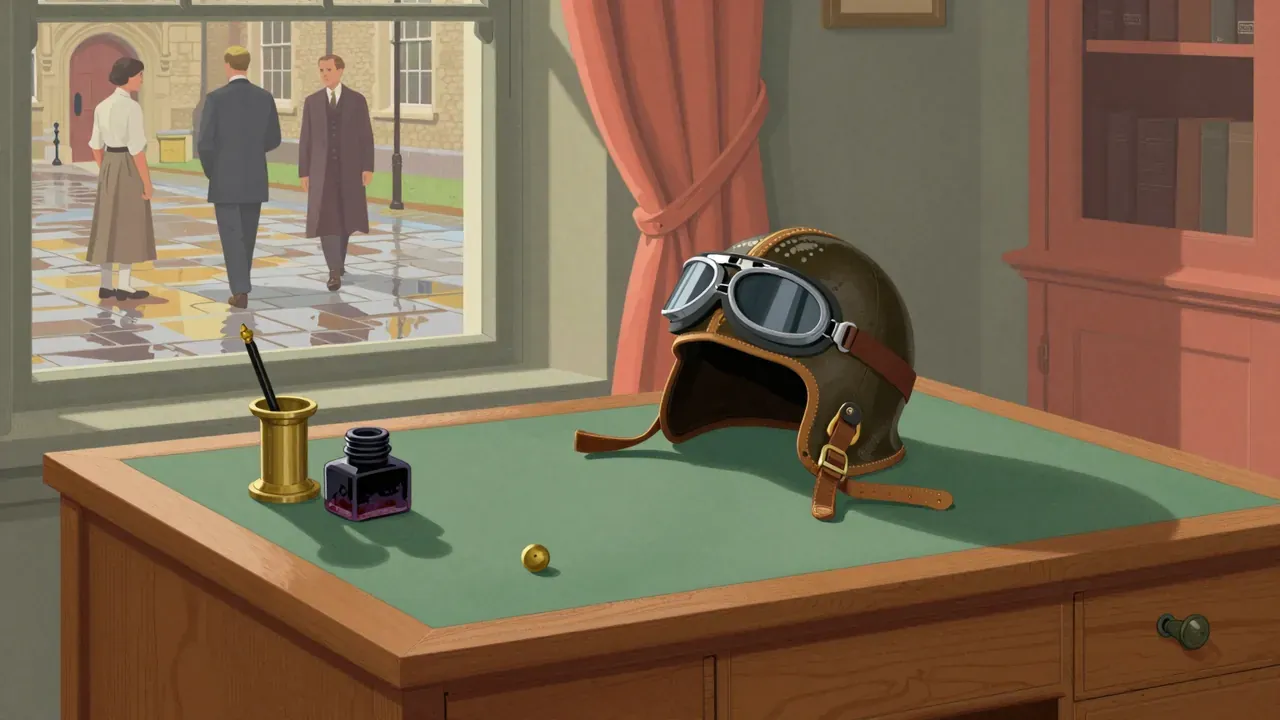
A 1930 American war film directed by Howard Hughes, James Whale, and Edmund Goulding, Hell’s Angels follows two British brothers in the Royal Flying Corps during the First World War. Originally shot silent, it was converted to sound mid-production, replacing lead actress Greta Nissen with Jean Harlow. Its aerial combat sequences — filmed with over 130 pilots, multiple fatalities, and Hughes’s own crash — remain landmark achievements in early sound and stunt coordination. Though narratively uneven and thematically thin, its technical ambition and material history make it a singular artifact of Hollywood’s transitional decade.

13:00

Limelight

Charlie Chaplin · 1952

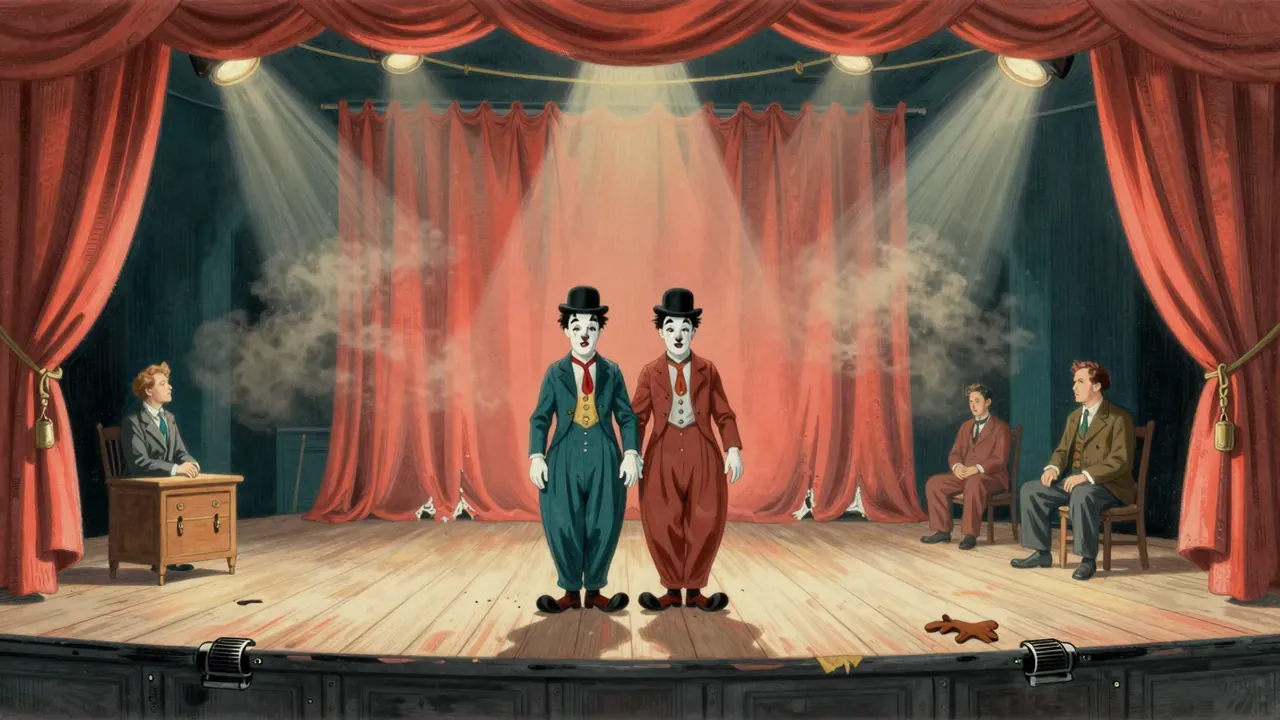
Limelight (1952), written, directed, and starring Charlie Chaplin, follows a faded music-hall comedian who saves a suicidal dancer and helps her rebuild her career — while confronting his own obsolescence. Shot in Hollywood but set in Edwardian London, it blends pathos and physical comedy, features Buster Keaton in their only joint screen appearance, and won Chaplin an Oscar for its score two decades after release. Though commercially stymied in the US by political boycott, it has since been reassessed as Chaplin’s most personal and introspective work.

13:00

Midnight Cowboy

John Schlesinger · 1969

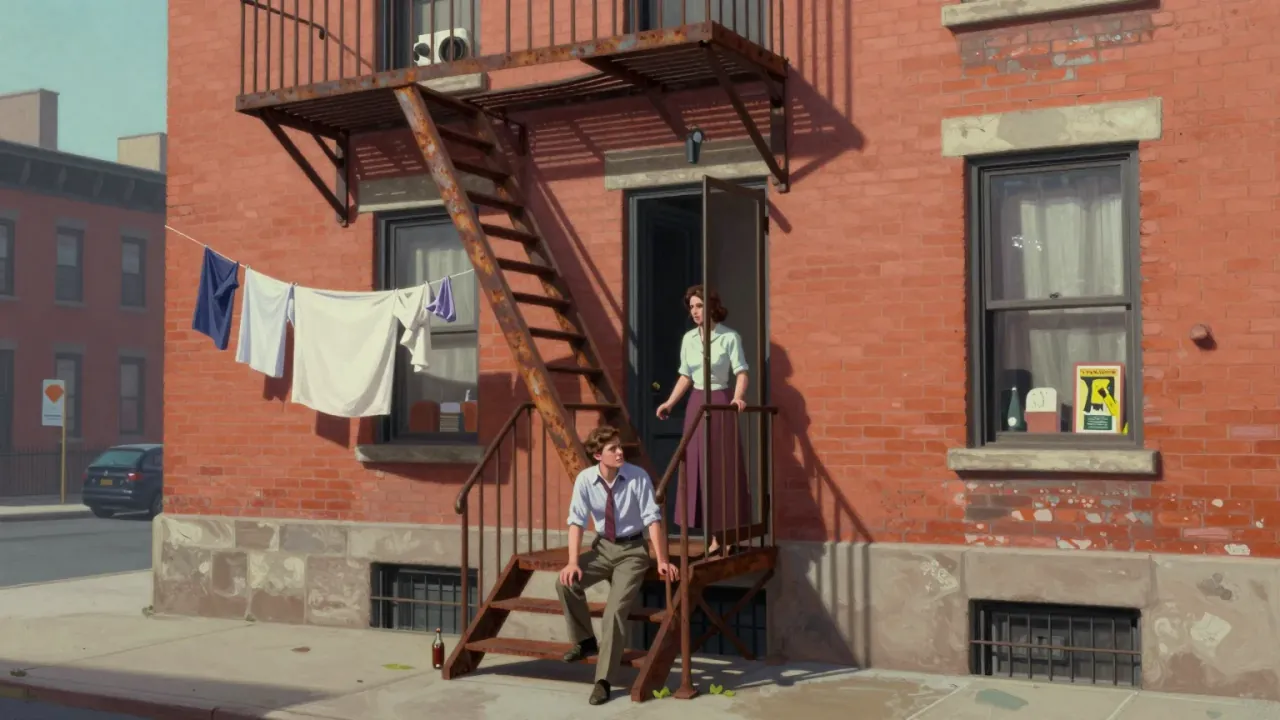
Midnight Cowboy follows Joe Buck, a Texan who arrives in New York dressed as a cowboy to become a male prostitute, and Ratso Rizzo, a sickly con man who becomes his reluctant partner in survival. Set against the grimy, unglamorous backdrop of late-1960s Manhattan, the film charts their slow descent into mutual dependence, not friendship. With restrained performances, unsentimental cinematography, and a script that trusts silence over exposition, it renders marginality as lived reality rather than social commentary. It won Best Picture despite its X rating — the only film to do so — and remains a benchmark of American dramatic realism.

13:00

Roma

Federico Fellini · 1972

Federico Fellini’s 1972 Roma is a semi-autobiographical, episodic portrait of the city as living archive. Alternating between the director’s youth in Fascist-era Rome and his present-day filming in the early 1970s, it builds meaning through texture, juxtaposition, and sustained observation rather than narrative. Giuseppe Rotunno’s cinematography, Nino Rota’s score, and Danilo Donati’s production design render Rome tactile and layered — ancient, sacred, vulgar, and resilient. Though uneven in pacing and occasionally opaque in intent, it remains a singular achievement in cinematic essay-making: a city remembered not as fact, but as feeling.

13:00

Salò, or the 120 Days of Sodom

Pier Paolo Pasolini · 1975

Pasolini’s final film transposes de Sade’s novel to Mussolini’s puppet republic in 1944, depicting four fascist libertines who subject eighteen teenagers to escalating physical, sexual and psychological violation over four months. Structured like Dante’s Inferno and shot with forensic restraint by Tonino Delli Colli, it treats cruelty as bureaucracy and the body as commodity. Its themes — power, nihilism, fascism, consumerism — are rendered without ornament or release. Controversial on release and banned in several countries, it remains a demanding, unflinching inquiry into authority unmoored from consequence.

13:00

Stagecoach

John Ford · 1939

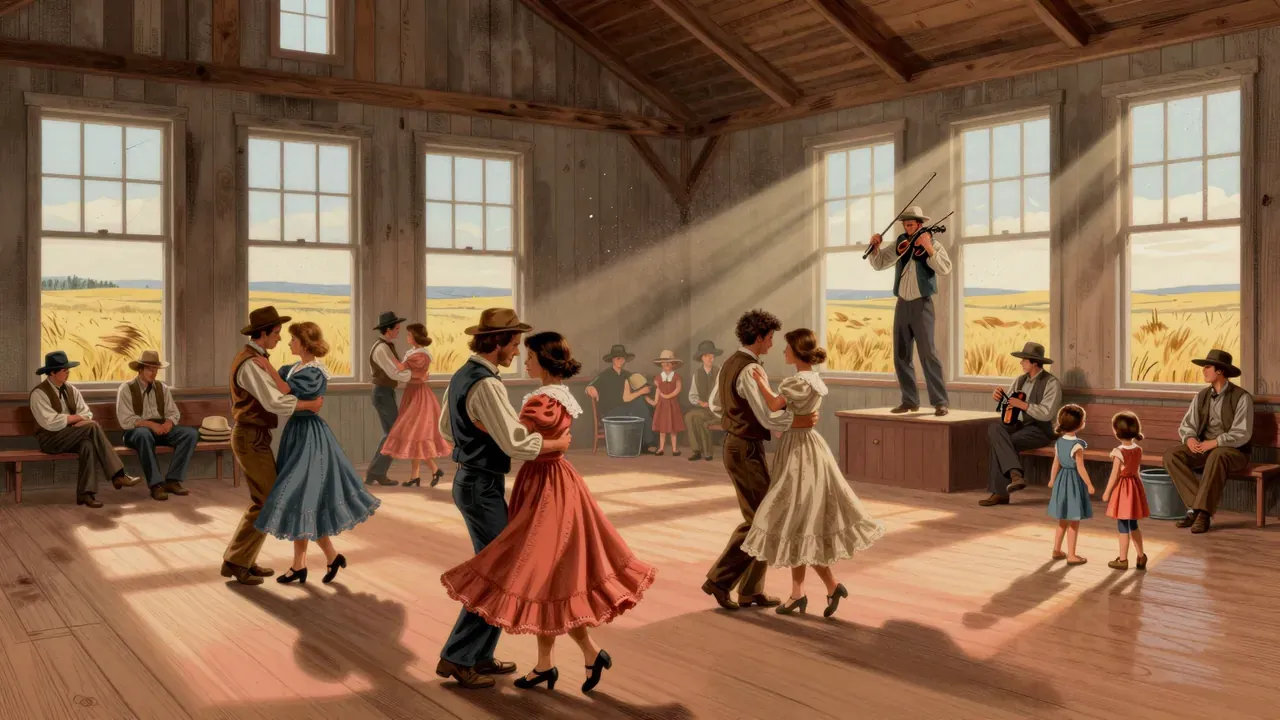
John Ford’s 1939 Stagecoach adapts Ernest Haycox’s short story into a tightly wound Western about nine strangers travelling by stagecoach from Arizona to New Mexico. Trapped together by geography and danger, their prejudices and pretensions erode under shared risk — culminating in childbirth, battle, and quiet acts of grace. Shot in Monument Valley, it launched John Wayne’s stardom and redefined the Western as a vehicle for moral and social inquiry. Its formal rigour remains unmatched; its omissions, particularly regarding Apache people, remain consequential.

13:00

The Circus

Charlie Chaplin · 1928

Charlie Chaplin’s 1928 silent comedy follows the Little Tramp’s accidental rise and quiet fall within a struggling circus. Hired for his unintentional chaos, he becomes indispensable — then obsolete — in a film that treats performance as labour, laughter as accident, and solitude as structural inevitability. Shot and edited by Chaplin, with music he composed, it is both a technical masterclass and a quiet self-portrait made at the dawn of sound.

13:00

The Fugitive Kind

Sidney Lumet · 1959

Sidney Lumet’s 1960 adaptation of Tennessee Williams’s Orpheus Descending stars Marlon Brando and Anna Magnani as doomed lovers in a repressive Southern town. Shot in upstate New York, it struggles to translate theatrical heat into cinematic coherence — undermined by dubbing, miscasting, and unresolved thematic tensions — yet endures for its atmosphere, Boris Kaufman’s photography, and Kenyon Hopkins’s evocative score.

13:00

The Last Wave

Peter Weir · 1977

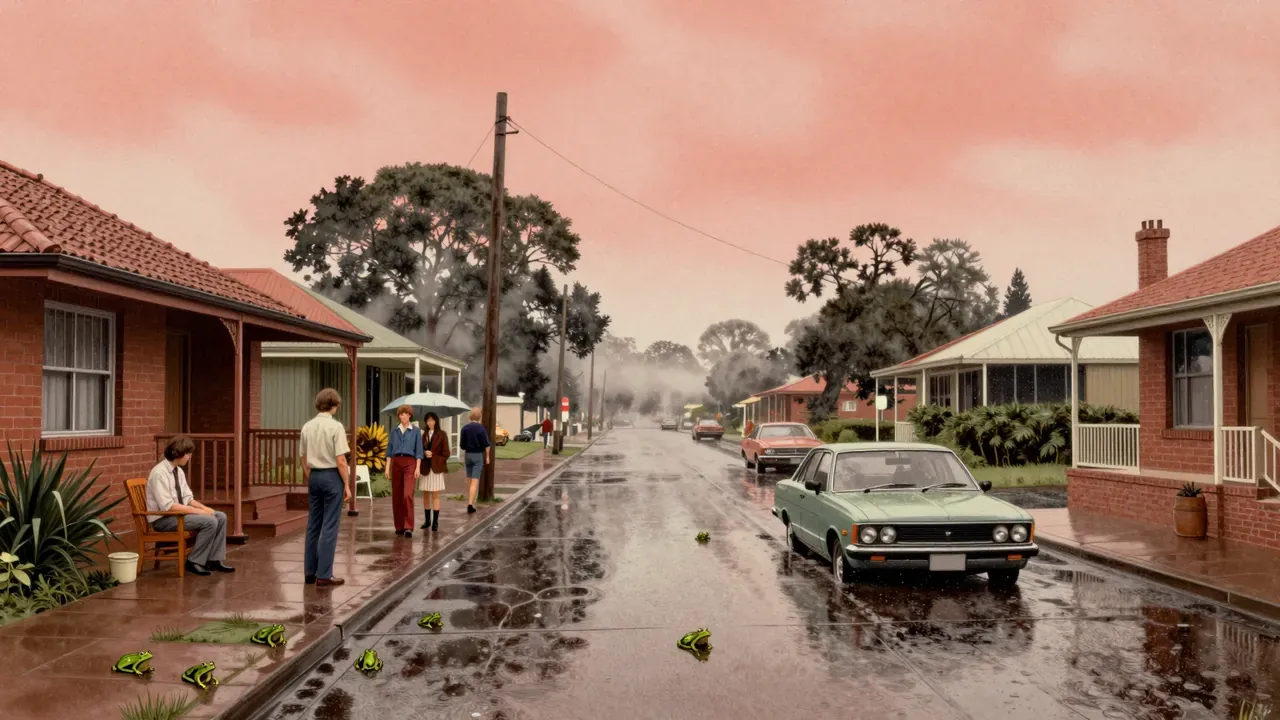
Peter Weir’s 1977 film follows Sydney solicitor David Burton as he defends four Aboriginal men accused of murder — and finds his grip on reality loosening amid inexplicable weather, prophetic dreams and encounters with Dreamtime logic. Shot in Adelaide and Sydney by Russell Boyd, it sustains a mood of ontological unease without resorting to exposition or resolution.

13:00

City Lights

Charlie Chaplin · 1931

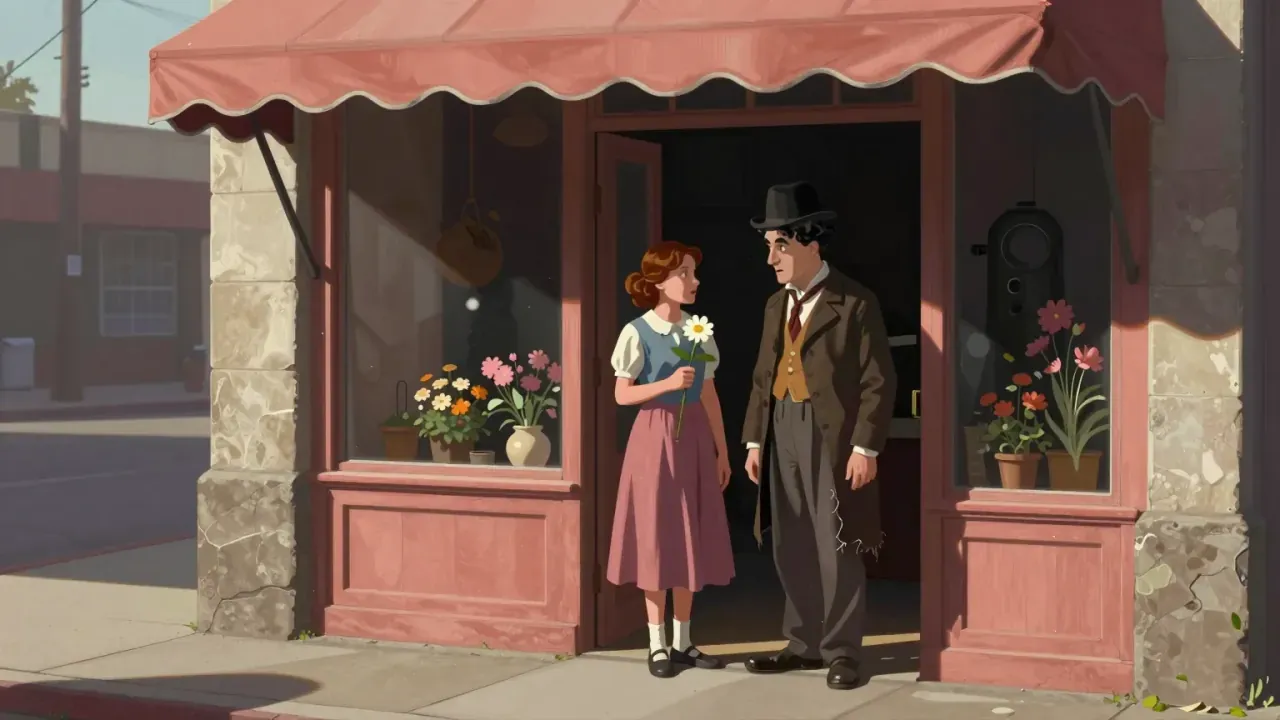
A 1931 silent romantic comedy-drama written, directed by and starring Charlie Chaplin. Though released after the arrival of sound cinema, it uses no spoken dialogue, relying instead on physical performance, intertitles, and a composed musical score. The Tramp falls for a blind flower seller and forms a volatile bond with a drunken millionaire. Its final scene — the flower girl’s first sighted meeting with the Tramp — is widely regarded as one of cinema’s most accomplished moments of wordless emotional storytelling.

13:00

West Side Story

Robert Wise, Jerome Robbins · 1961

West Side Story (1961) adapts the Broadway musical into a formally rigorous film where dance, editing and colour articulate racial tension and adolescent love in 1950s New York. Directed by Robert Wise and Jerome Robbins, it stars Natalie Wood and Richard Beymer, with music by Leonard Bernstein and choreography rooted in Robbins’s stage vision. Though its dramatic interludes lack the same force as its musical sequences, its sustained formal intelligence — in cinematography, editing and staging — secures its place as a benchmark for the genre.

13:00

The Gold Rush

Charlie Chaplin · 1925

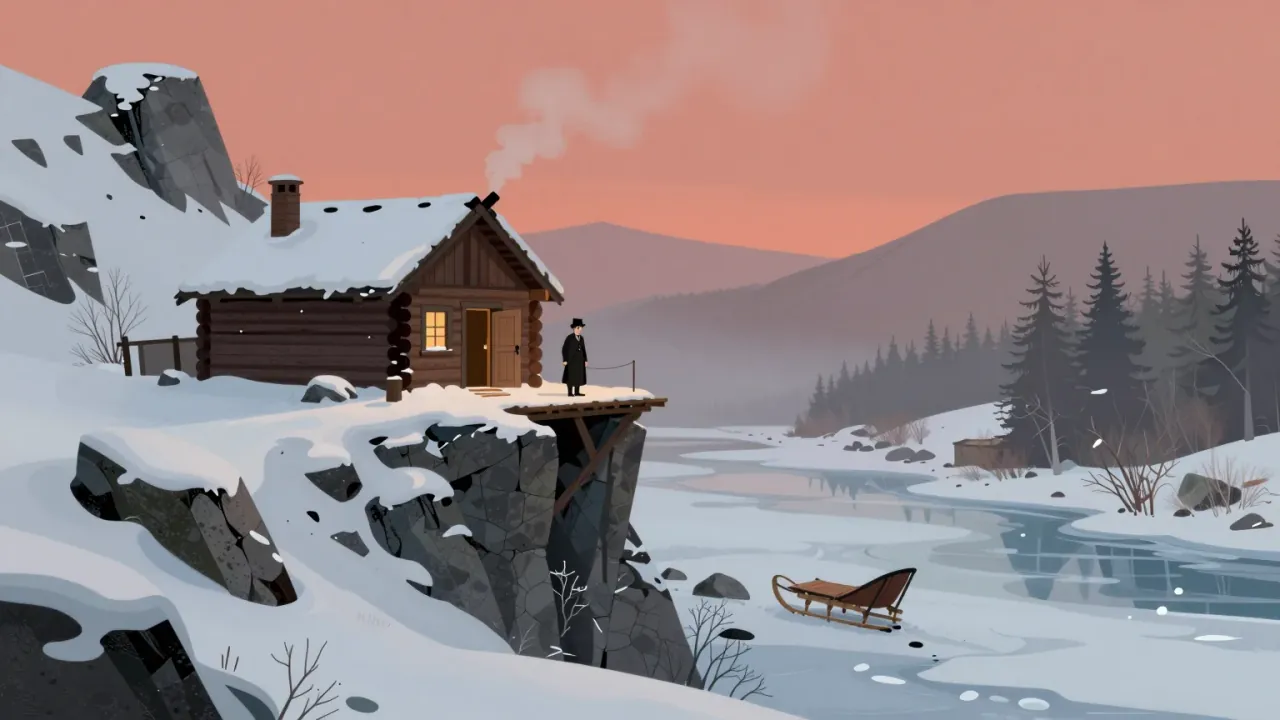
Charlie Chaplin’s 1925 silent feature The Gold Rush transplants his Little Tramp into the Klondike Gold Rush, using starvation, cold, and isolation as structural principles rather than setting. Its most enduring sequences — shoe-eating, roll-dancing, cabin-on-a-cliff — succeed through unwavering tonal control and physical precision. While the romantic second half lacks the psychological density of the survival sections, the film remains a masterclass in expressive economy: every frame, gesture, and pause serves its dual commitment to laughter and pathos.

13:00

Thief

Michael Mann · 1981

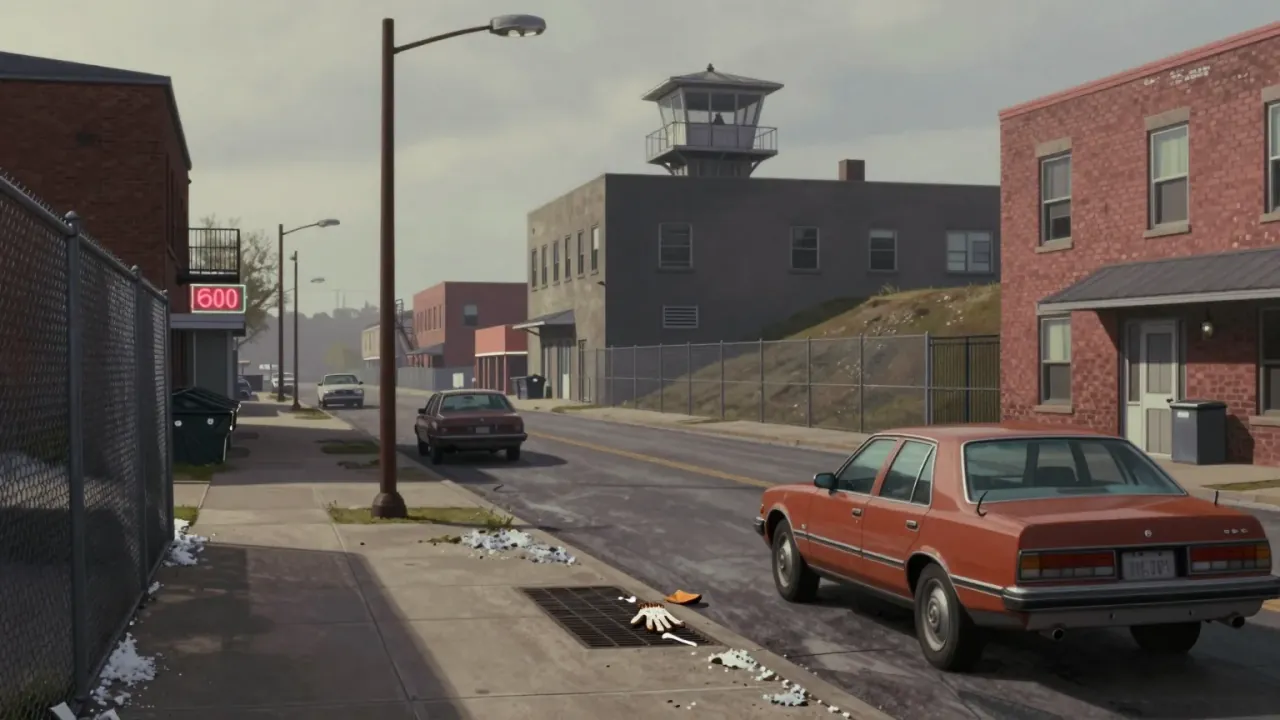
Michael Mann’s 1981 debut follows Frank, a meticulous safecracker released from Joliet, as he builds a legitimate front, pursues a relationship with Jessie, and accepts one last job for a Chicago Outfit boss — only to discover that autonomy, like a safe, can be opened from the outside. Shot on location in Chicago and LA, with Tangerine Dream’s electronic score and Donald E. Thorin’s precise, low-light cinematography, it treats criminality as vocation and freedom as illusion.

13:00

Raging Bull

Martin Scorsese · 1980

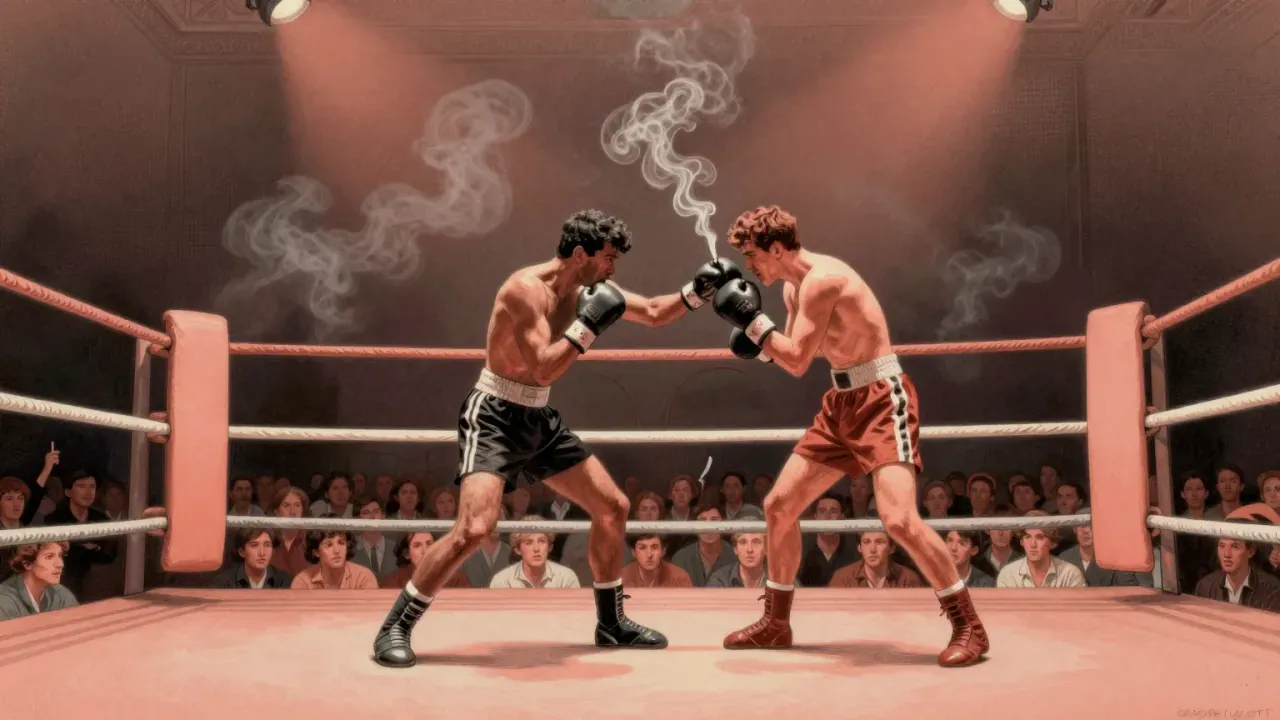
Martin Scorsese's 1980 film adapts former middleweight champion Jake LaMotta's own memoir into a study of a man whose jealousy and temper wreck his marriage and his relationship with his brother and manager Joey at the same rate his boxing career rises and falls. Shot in black and white, partly because research showed period boxing gloves came in too narrow a range of colours to justify colour film, and built around a physical transformation in which Robert De Niro gained roughly 60 pounds to play LaMotta's later years, the film returned only a modest $23.4 million against its $18 million budget on release but later won Oscars for De Niro's performance and Thelma Schoonmaker's editing.