The look of it
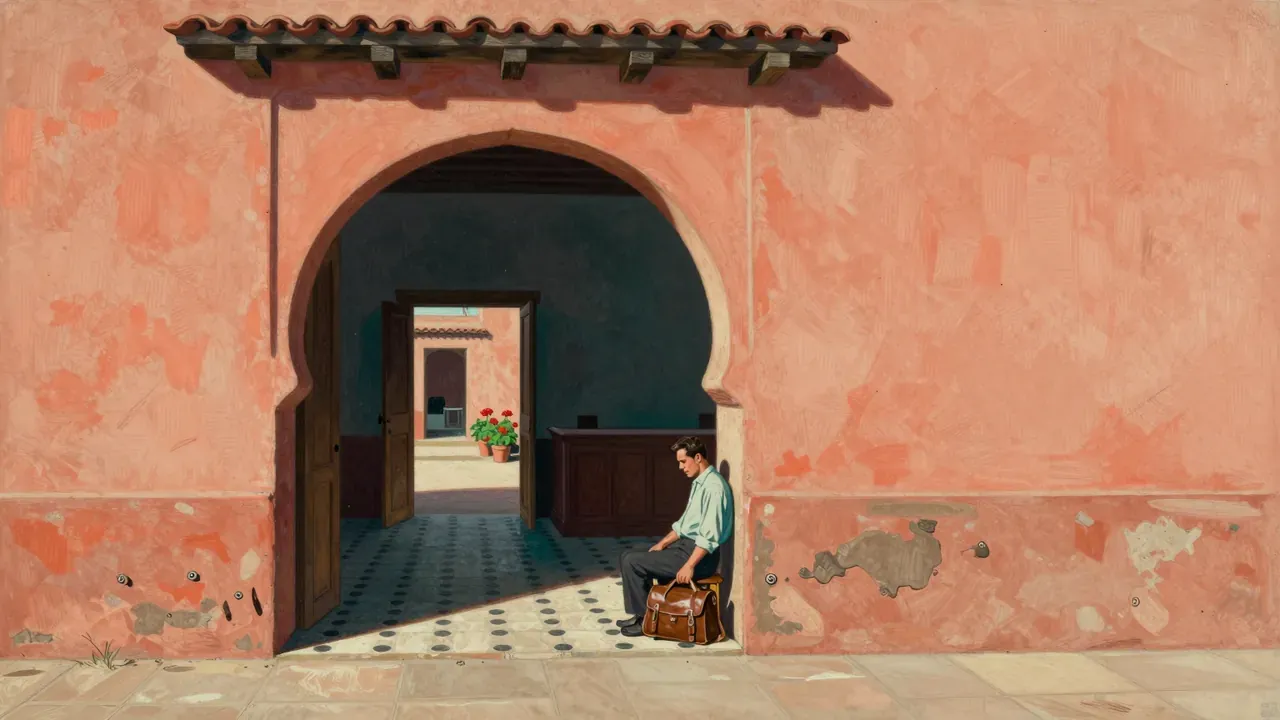
Thief is Michael Mann’s first feature film, a crime drama built around the architecture of a man trying to build a life outside the systems that made him. It does not aim to explain crime as sociology or moral failure, but to render the texture of a self-made existence — one calibrated to risk, silence, and precision — then test its integrity against loyalty, love, and institutional betrayal. The film treats Frank’s safecracking not as spectacle but as vocation: methodical, tactile, unglamorous. Its ambition is structural and atmospheric — to make time feel measured in breaths, light in gradients of grey and sodium-orange, and consequence in the weight of a single unreturned glance. It avoids exposition, trusting the viewer to infer motive from posture, hesitation from lighting, history from the way Frank handles a coffee cup. This is not a story about breaking out of crime so much as about the impossibility of stepping into anything else once your nervous system has been rewired by twelve years in Joliet.
The weight of it
The story moves with the economy of a heist: clean setups, minimal dialogue, long takes anchored by James Caan’s physical stillness. Caan plays Frank as someone who speaks only when necessary and listens with his whole body; Tuesday Weld’s Jessie is quieter still, her presence registered in shifts of gaze and posture rather than reaction shots. Donald E. Thorin’s cinematography keeps interiors low-contrast and underlit, favouring deep focus and wide lenses that hold both character and environment in equal, unflinching attention. The editing by Dov Hoenig sustains rhythm without punctuation — no cuts on action, no score swells to cue emotion. Christopher Franke’s electronic score (though misattributed in the sheet; Tangerine Dream composed it) functions as ambient pressure, not illustration. Authentic tools, real thieves as advisers, Chicago and LA locations used without gloss: every craft choice serves the film’s central discipline — showing, not telling, how a man who has spent half his life outside society tries to re-enter it on his own terms.
The work of it
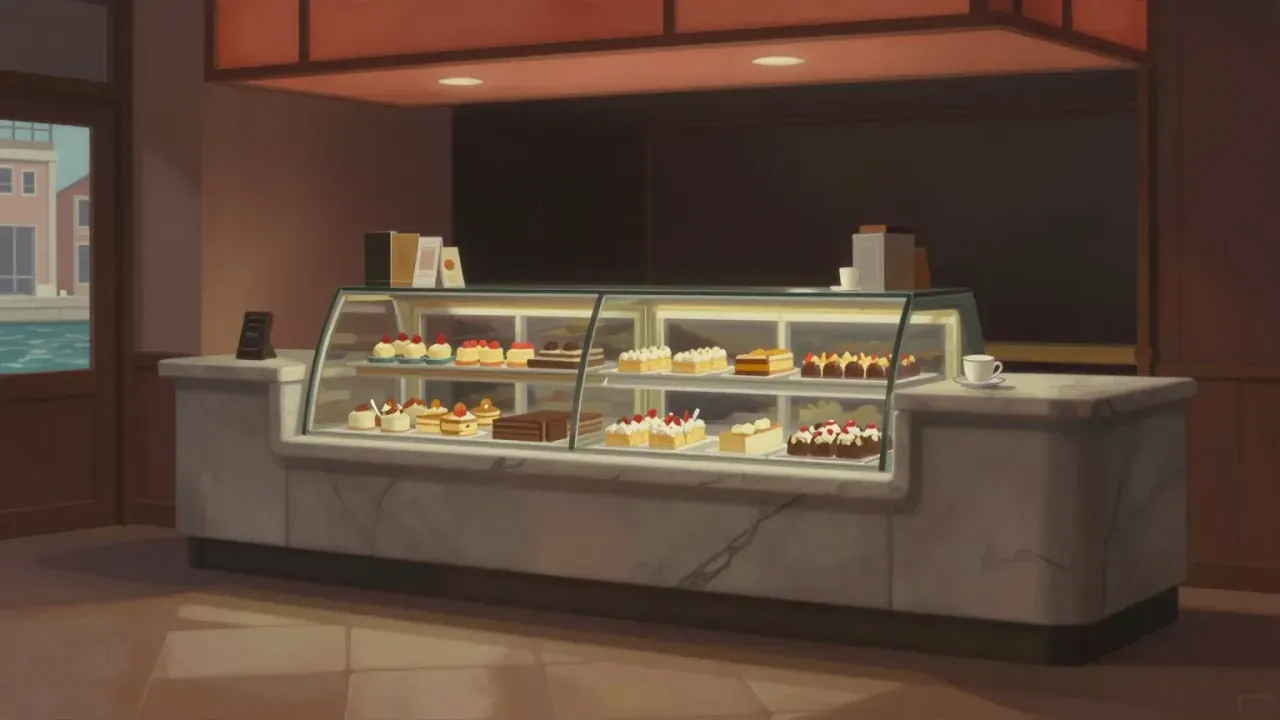
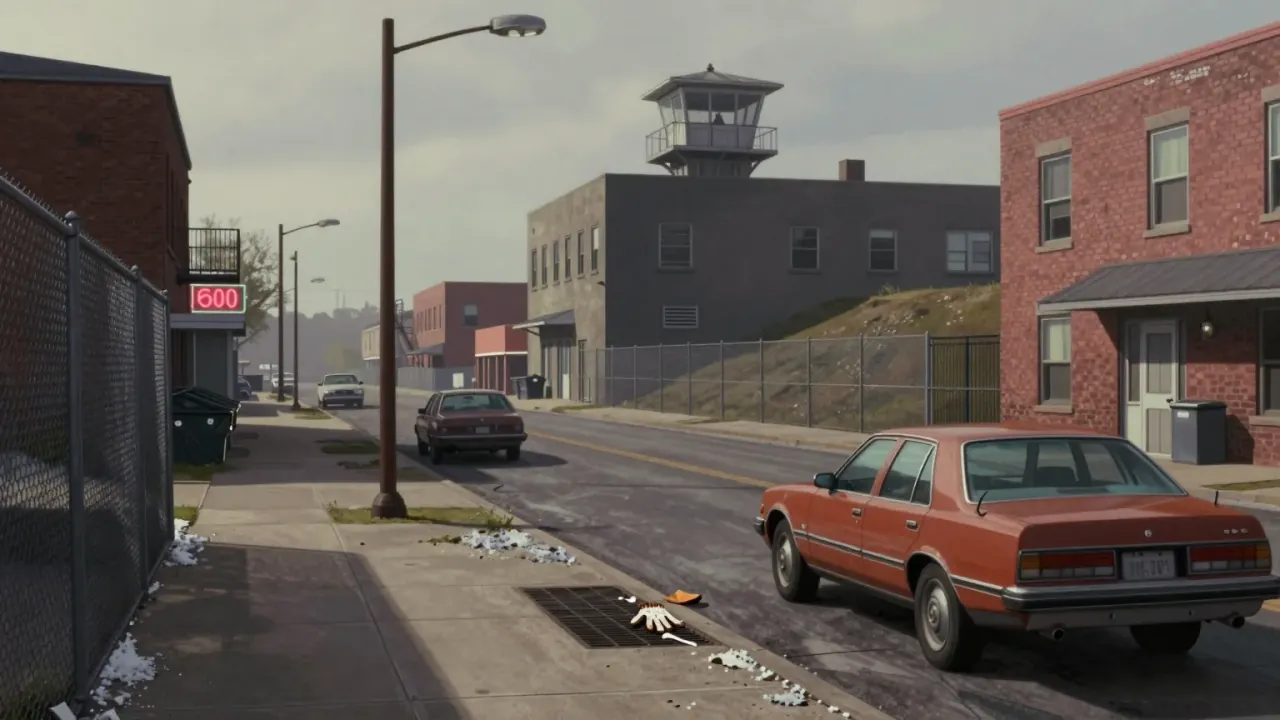
What lands is the cumulative weight of Frank’s isolation — not as pathos, but as fact. The coffee-shop monologue works because it arrives after forty minutes of withheld interiority; when Caan finally speaks at length, the restraint preceding it makes every word land like a tool placed deliberately on a workbench. The Los Angeles diamond heist sequence holds tension not through speed but through procedural fidelity: the slow burn of oxy-lance heat, the sound of metal yielding, the crew’s silent coordination. Even minor performances register: Dennis Farina’s mob henchman carries authority without raising his voice; Willie Nelson’s Okla appears briefly but leaves an imprint of weary pragmatism. The film’s visual grammar — its use of reflective surfaces, its preference for night exteriors lit only by streetlamps or dashboard glow — builds a world where visibility is always partial and surveillance inevitable. These are not flourishes. They are the film’s syntax.
The break in it
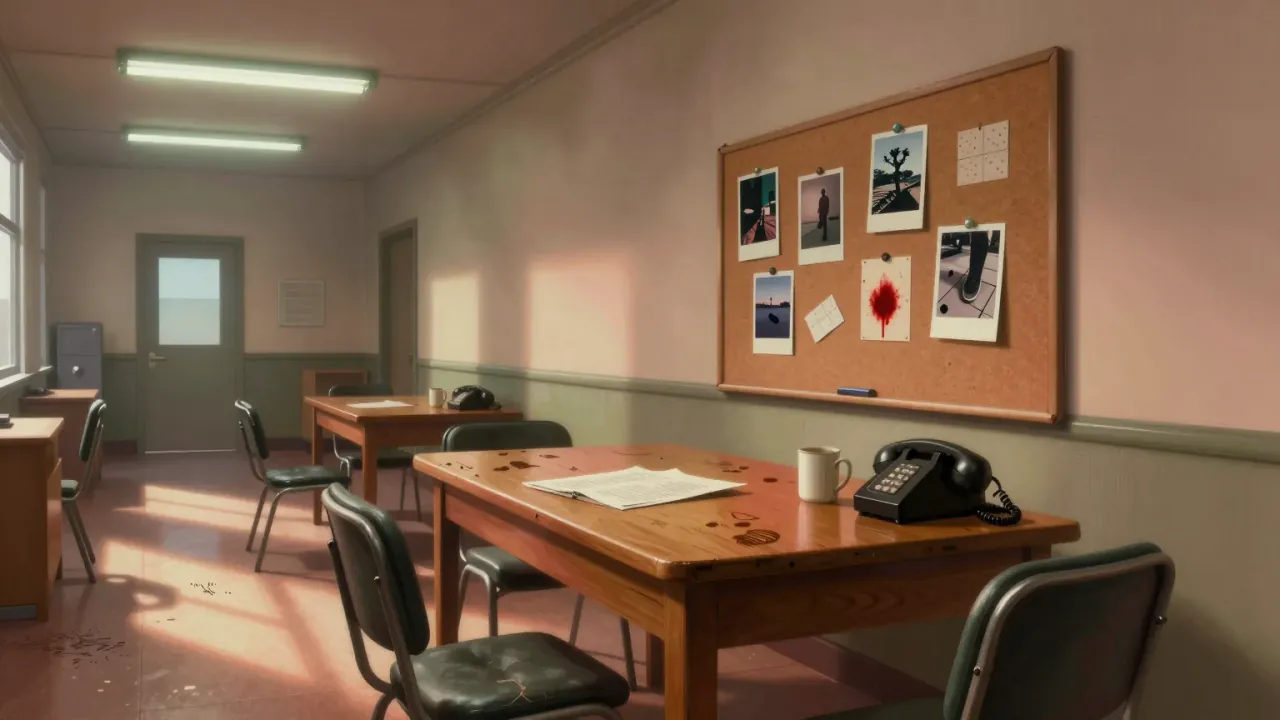
What does not land is the final act’s pivot toward melodrama. Once Leo reneges on the $830,000 and reveals his control over Frank’s adoption, the film abandons its earlier rigour. The destruction of Frank’s house feels less like catharsis and more like narrative surrender — a burst of violence that contradicts the character’s established composure. The ending, truncated in the sheet but implied by the ellipsis, leans into fatalism without the philosophical scaffolding the rest of the film constructs. Some viewers will find this shift earned; others will see it as a retreat from the film’s own intelligence. The Razzie nomination for the score reflects a real dissonance: Tangerine Dream’s music, while influential, occasionally floats free of scene, its synthetic textures at odds with the film’s tactile realism. That tension is deliberate, but it doesn’t resolve — it lingers, unresolved, like static on a police radio.
The logic of it
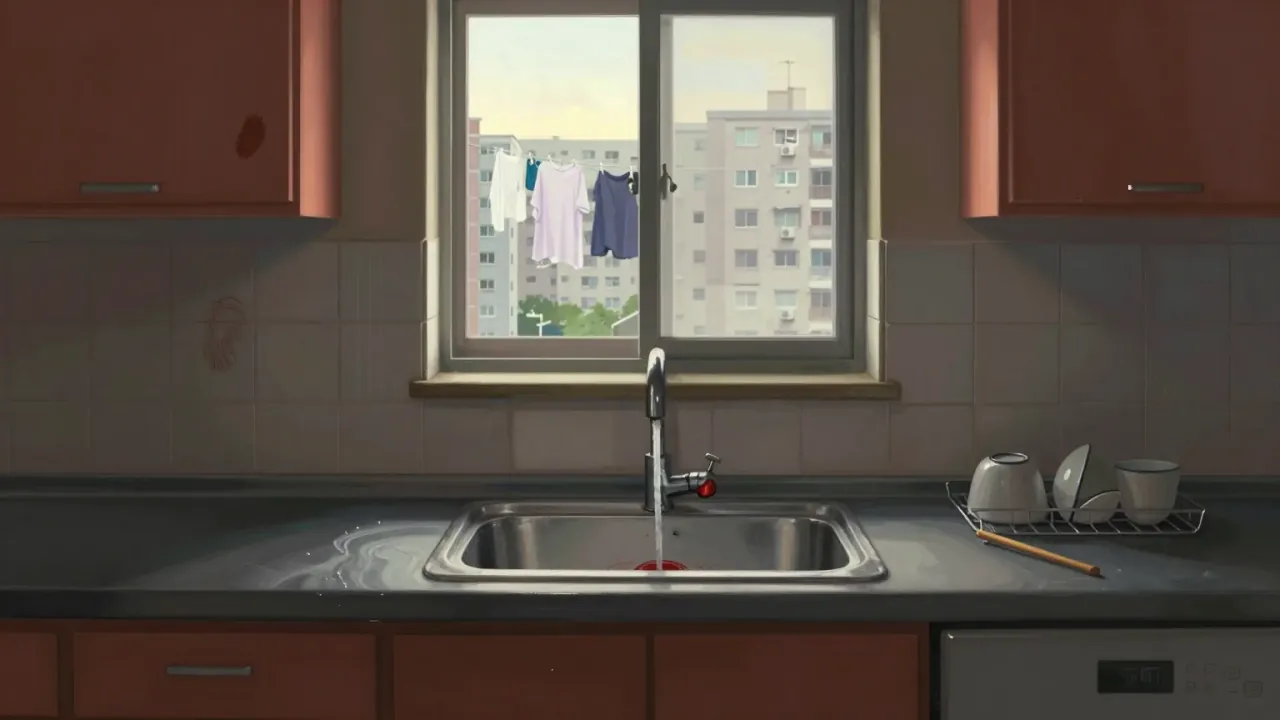
The themes that matter are not crime or punishment, but calibration and containment. Frank is a man trained to measure risk down to the millisecond, yet utterly unequipped to gauge trust, desire, or paternal feeling. The film treats family, money, and freedom not as goals but as systems — each with protocols, vulnerabilities, and points of failure. Technology appears not as gadgetry but as mediation: payphones, CB radios, car alarms — all extensions of Frank’s need for control, all ultimately penetrable. His prison past is never dramatised in flashback, but it lives in his posture, his suspicion of open spaces, his inability to relax in daylight. Mann’s interest lies in how institutions — the Outfit, the police, even adoption agencies — replicate the logic of incarceration: they offer structure in exchange for autonomy. Frank’s tragedy is not that he fails to escape, but that he cannot imagine life outside a structure at all.
The audience for it
This film is for viewers who value atmosphere over exposition, precision over pace, and emotional withholding over release. It rewards patience with density: every frame contains information about class, geography, and time — not just 1981, but the specific texture of post-industrial Chicago and pre-gentrification LA. It is not for those who require clear moral alignment, narrative closure, or characters who articulate their inner lives. Anyone expecting a conventional heist thriller or a redemption arc will find it withholding, even cold. Those who dislike electronic scores or long takes without dialogue may struggle. But its appeal extends beyond genre fans: students of screenwriting, production design, or performance will find it a masterclass in implication. Its influence on later crime films is visible, but its rigour remains uncommon — and that rigour is precisely what some viewers will reject as austerity.
The time for it
Yes, it is worth your evening — provided you watch it as a study in controlled intensity, not as entertainment. Its 122 minutes unfold with the deliberation of a lock being picked: slow, exact, and absorbing if you attend to the mechanics. It repays rewatching not for plot revelations but for shifts in light, gesture, and sound design — details that deepen on second viewing. Those who find it alienating are not wrong; its refusal to soften Frank’s distance is a formal choice, not a flaw. A viewer who prefers psychological exposition or cathartic release would reasonably judge it unsatisfying. But its power lies in what it refuses: explanation, sentiment, and easy resolution. If you accept its terms — that character is revealed through action, not confession, and that mood is built through repetition, not variation — then its reward is rare: the feeling of having inhabited another person’s nervous system, however briefly.