
filmbriefs
Studio

Metro-Goldwyn-Mayer

15
briefs
13:00
average
195 min
in total
On film.briefs15
13:00

An American in Paris

Vincente Minnelli · 1951

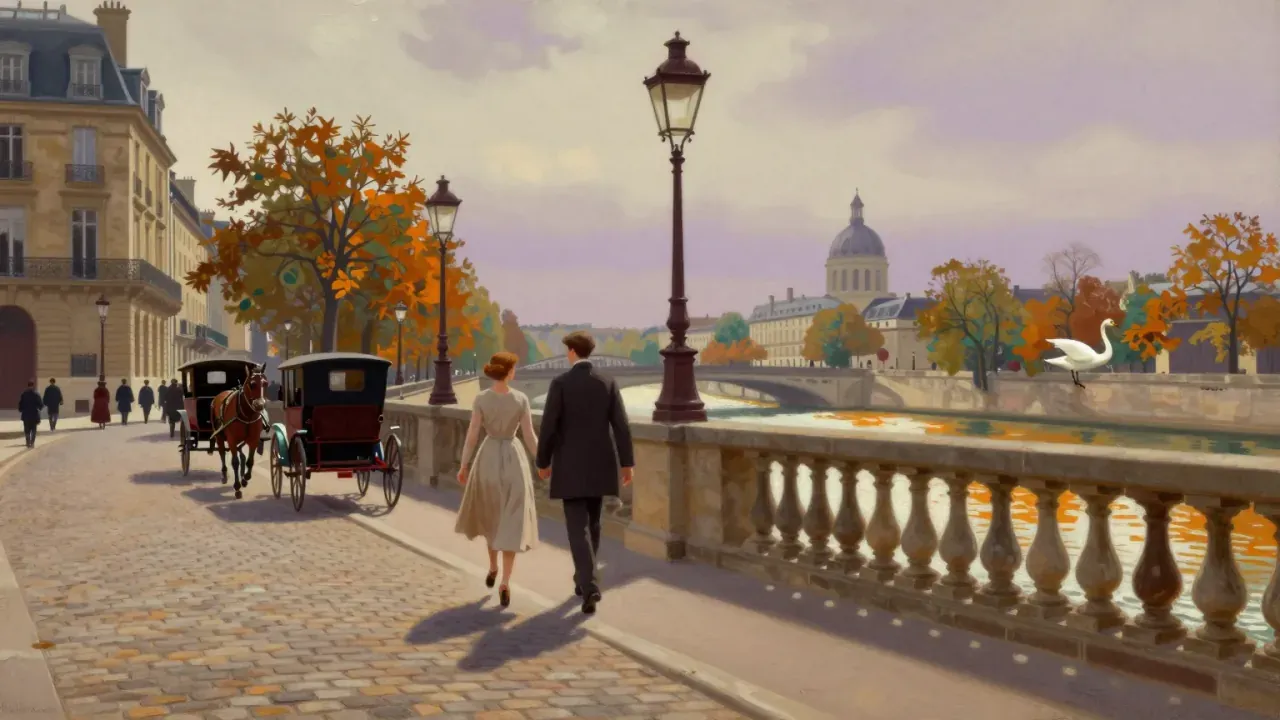
An American in Paris (1951) is a Metro-Goldwyn-Mayer musical directed by Vincente Minnelli, starring Gene Kelly and Leslie Caron. Built around George Gershwin’s music and Alan Jay Lerner’s screenplay, it follows an American painter in post-war Paris caught between two women — a ballerina and a patron — culminating in a seventeen-minute ballet sequence designed in homage to French painters. Its achievement lies in the integration of dance, design, and score into a single aesthetic statement, rather than in psychological depth or narrative innovation.

13:00

Blowup

Michelangelo Antonioni · 1966

Michelangelo Antonioni’s 1966 English-language debut follows a London fashion photographer who believes he has photographed a murder — only to find that each enlargement deepens uncertainty rather than clarifying truth. Shot on location across Swinging London, with Carlo Di Palma’s restrained cinematography and Herbie Hancock’s sparse jazz score, Blowup uses photographic process as metaphor for perception itself. It won the Palme d’Or, helped end Hollywood’s Production Code, and remains a touchstone for films about mediation, alienation, and the instability of the image.

13:00

Singin' in the Rain

Gene Kelly, Stanley Donen · 1952

Singin’ in the Rain (1952) is a Metro-Goldwyn-Mayer musical directed by Gene Kelly and Stanley Donen, set during Hollywood’s transition from silent films to sound. With a script by Betty Comden and Adolph Green, it follows a leading man, his vaudevillian friend and a rising actress as they salvage a failing production by turning it into a musical. Built around pre-existing songs by Nacio Herb Brown and Arthur Freed, the film treats song-and-dance as narrative logic, not decoration. Its enduring reputation rests on choreographic precision, structural wit and an unironic belief in collective skill — not nostalgia.

13:00

Doctor Zhivago

David Lean · 1965

David Lean’s 1965 adaptation of Pasternak’s novel follows physician-poet Yuri Zhivago across Russia’s collapse, centring his love for Lara amid revolution and war. Filmed mostly in Spain with Freddie Young’s wintry cinematography and Maurice Jarre’s iconic score, it prioritises atmosphere and endurance over exposition or ideology. Though criticised for length and historical vagueness, its tactile realism and emotional restraint have secured its place as a benchmark of romantic epic filmmaking.

13:00

Gigi

Vincente Minnelli, Charles Walters · 1958

Gigi (1958) is a Metro-Goldwyn-Mayer romantic musical set in Belle Époque Paris, adapted by Alan Jay Lerner from Colette’s novella. Leslie Caron stars as a young woman raised to be a courtesan who instead chooses love on her own terms. Directed by Vincente Minnelli and Charles Walters, it features music by Frederick Loewe, cinematography by Joseph Ruttenberg and Ray June, and costumes by Cecil Beaton. It won nine Academy Awards, including Best Picture and Best Director.

13:00

Killer's Kiss

Stanley Kubrick · 1955

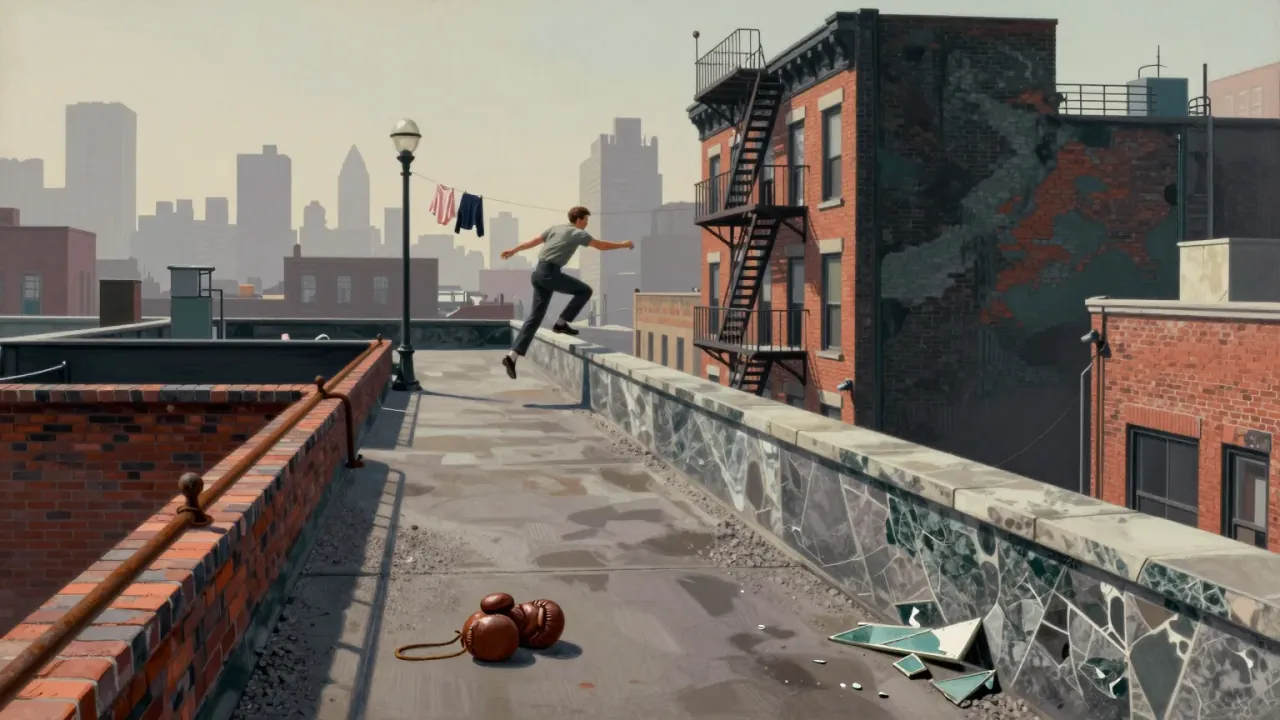
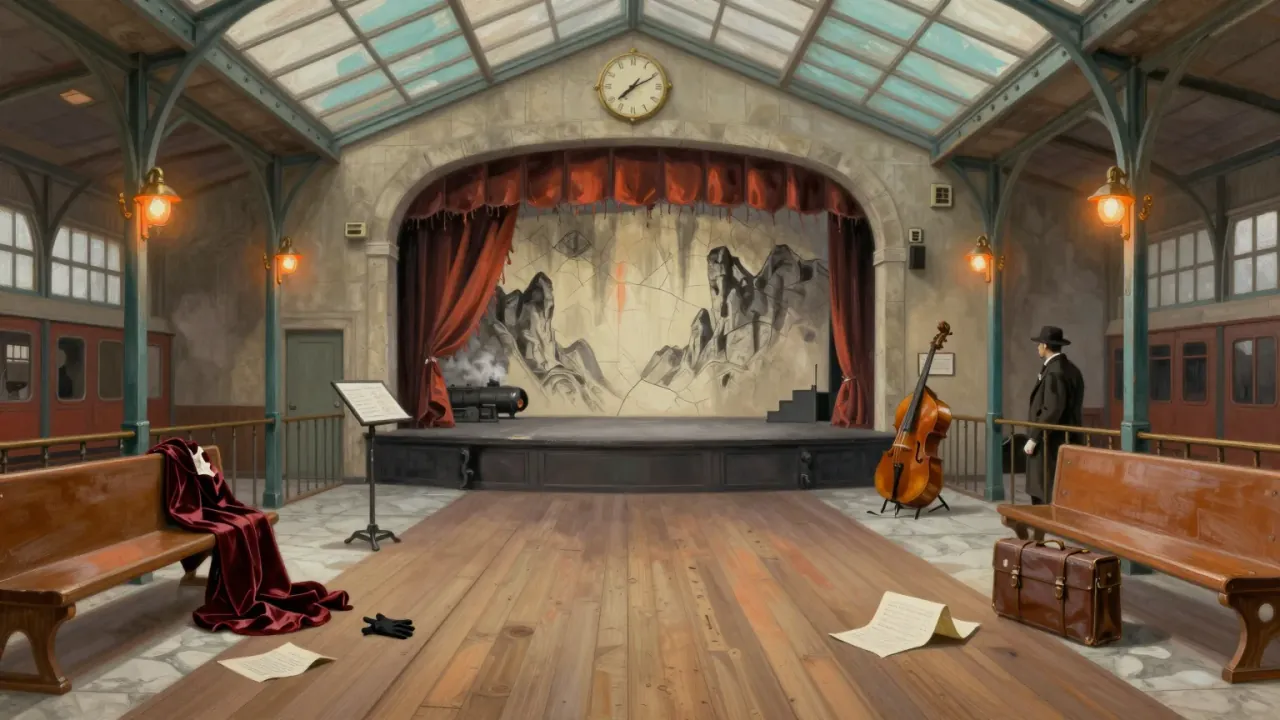
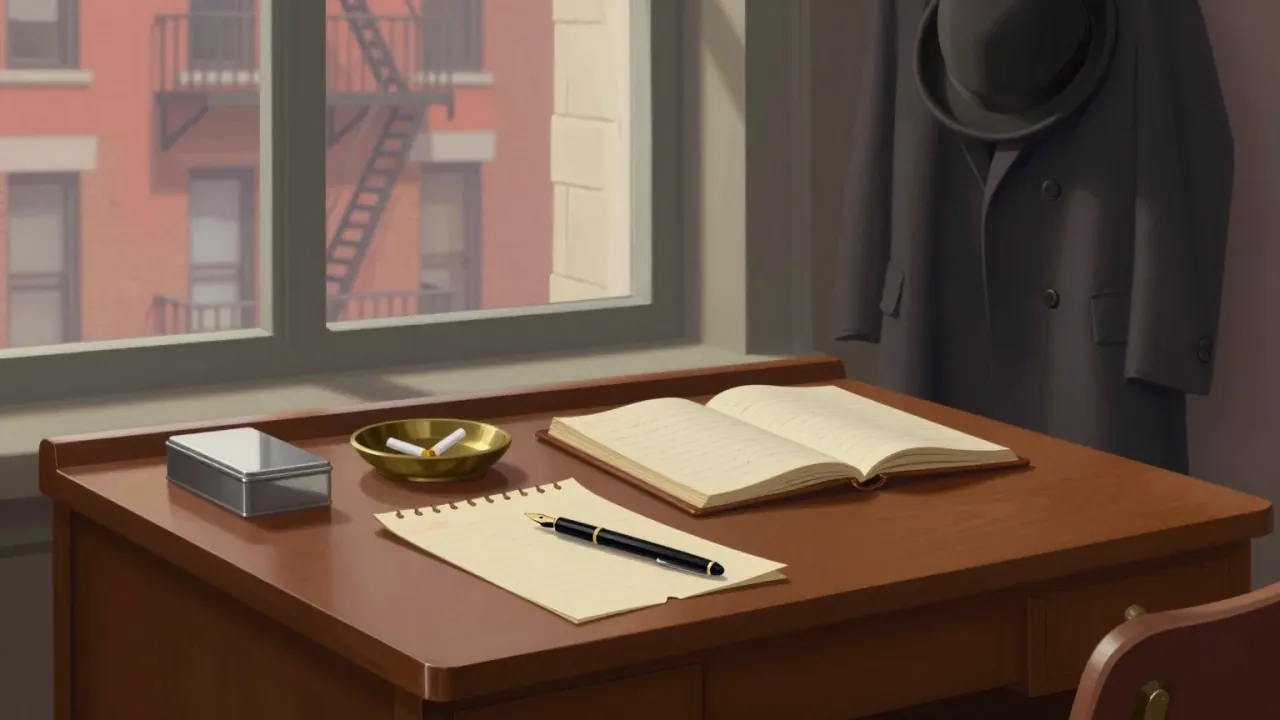
Stanley Kubrick’s 1955 second feature is a lean, black-and-white film noir shot on real New York streets — Penn Station, Times Square, SoHo lofts — with a shoestring budget and no studio oversight. It follows a fading boxer and a taxi dancer caught in the orbit of a violent dance-hall boss. Kubrick wrote, produced, directed, photographed and edited it himself, using post-dubbed sound and stark, high-contrast cinematography. Though structurally thin and acted with restraint rather than flourish, its physical authenticity, spatial intelligence and unblinking urban gaze make it a singular early document of a major filmmaker’s method.

13:00

Ryan's Daughter

David Lean · 1970

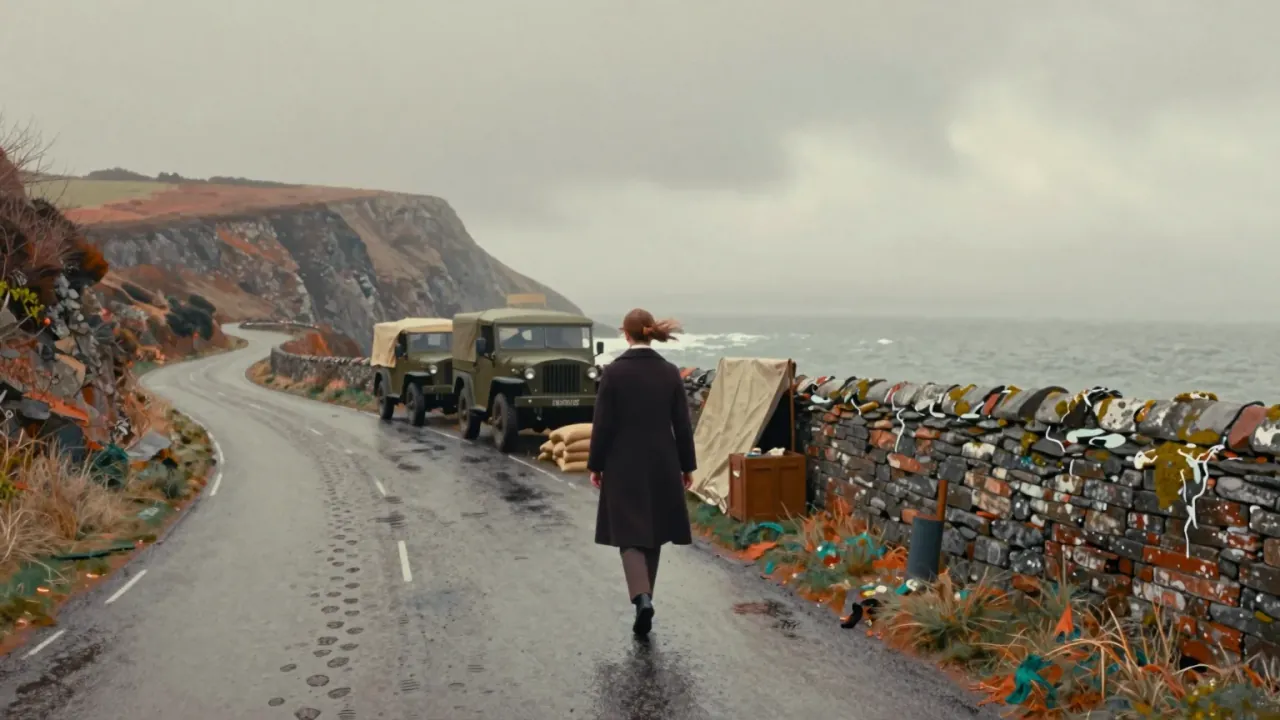
David Lean’s 1970 film transposes Madame Bovary to wartime Ireland, following Rosy Ryan’s affair with a British officer amid nationalist suspicion and coastal isolation. At 189 minutes, it leans into duration, weather, and visual texture over psychological exposition. Freddie Young’s cinematography and Maurice Jarre’s score anchor its scale, while Robert Mitchum and John Mills deliver its most grounded performances. Critically divisive on release, it remains a demanding, atmospheric study of visibility, consequence, and containment — best approached as a work of sustained mood, not narrative drive.

13:00

The Asphalt Jungle

John Huston · 1950

John Huston’s 1950 heist film follows a meticulously planned jewel robbery and its unraveling, centred on professionals whose expertise is undone by physiology, chance and debt. Shot by Harold Rosson and scored by Miklós Rózsa, it favours procedural realism over noir stylisation, grounding its characters in economic necessity rather than moral ambiguity. Though commercially modest and initially resisted by MGM, it endures as a benchmark of structural discipline in American crime cinema.

13:00

The Band Wagon

Vincente Minnelli · 1953

Tony Hunter, a fading musical star, joins a Broadway show written by friends — only for its director to recast it as a pretentious Faust adaptation. Clashing with ballerina Gabrielle Gerard, he walks out, then returns to reshape the show as light entertainment. Directed by Vincente Minnelli, with songs by Schwartz and Dietz and choreography by Michael Kidd, the film treats musical theatre as a living, negotiable form — not a vehicle for stardom, but a site of collective recalibration.

13:00

The Great Ziegfeld

Robert Z. Leonard · 1936

The Great Ziegfeld (1936) is MGM’s lavish biographical musical about Florenz Ziegfeld Jr., starring William Powell, Luise Rainer and Myrna Loy. Directed by Robert Z. Leonard and produced by Hunt Stromberg, it prioritises spectacle over accuracy — staging extravagant musical numbers, deploying hundreds of costumers and technicians, and constructing monumental sets like the 100-ton ‘Melody’ staircase. Though factually loose and dramatically thin, its unwavering commitment to scale, craft and ceremonial grandeur makes it a defining artefact of studio-era ambition.

13:00

The Thin Man

W. S. Van Dyke, Lesley Selander · 1934

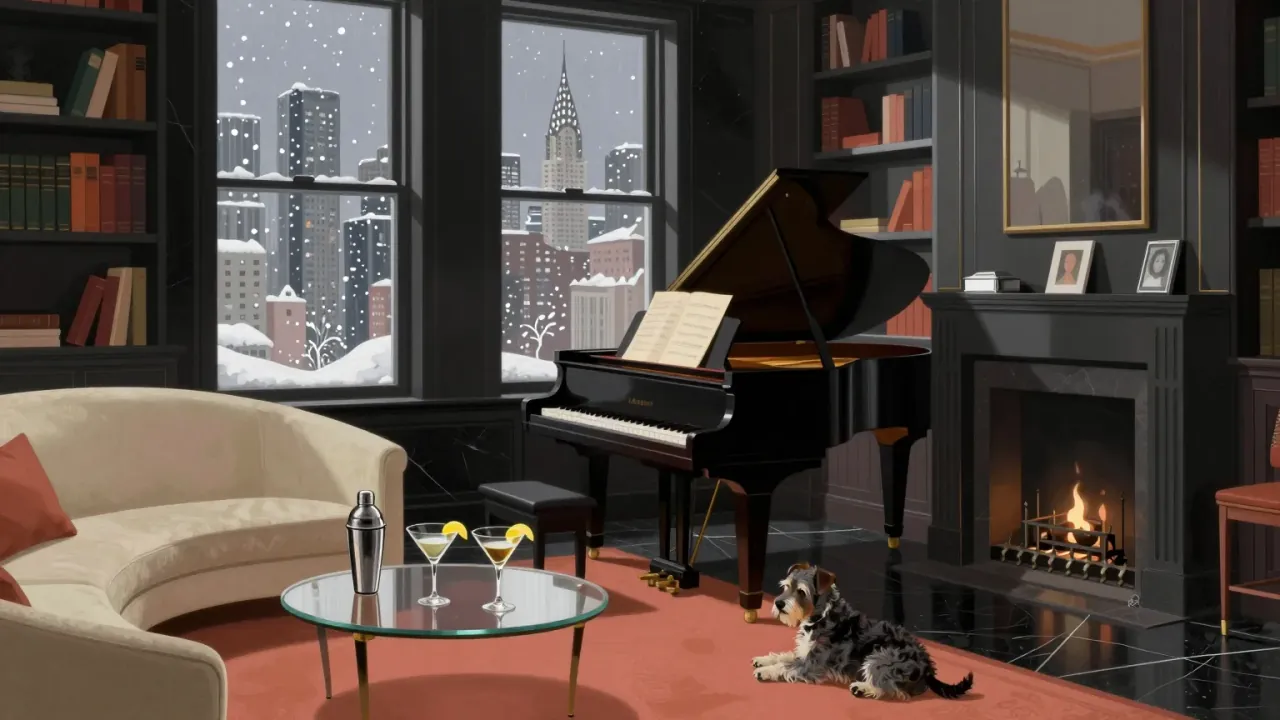
The Thin Man (1934) is a Metro-Goldwyn-Mayer comedy-mystery starring William Powell and Myrna Loy as Nick and Nora Charles, a witty, well-heeled couple who stumble into a murder investigation during a Christmas trip to New York. Based on Dashiell Hammett’s novel and directed by W.S. Van Dyke, the film prioritises their effortless rapport over plot intricacy, using the detective framework to sustain banter, charm, and domestic ease. James Wong Howe’s cinematography and Van Dyke’s spontaneous direction reinforce its light, confident tone.

13:00

The Wizard of Oz

Victor Fleming, King Vidor · 1939

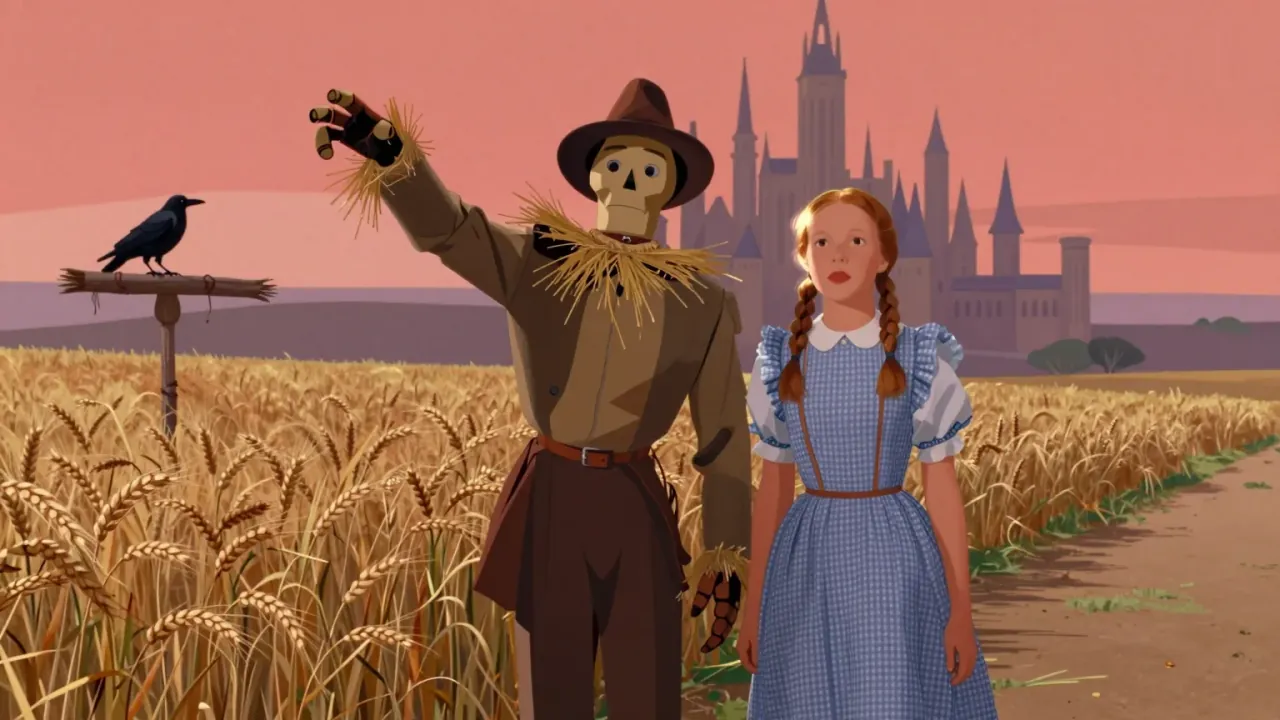
The Wizard of Oz (1939) is a Metro-Goldwyn-Mayer musical fantasy directed primarily by Victor Fleming, adapted from L. Frank Baum’s novel. Starring Judy Garland, it follows Dorothy’s journey from Kansas to Oz and back, using three-strip Technicolor, integrated song, and character-driven performance to explore competence, belonging, and self-recognition. Though framed as a dream, its power lies in the consistency of its emotional logic and the precision of its craft — from Harold Rosson’s cinematography to Harold Arlen’s score. It remains culturally central not as myth but as a sustained demonstration of how form and feeling can be made inseparable.

13:00

2001: A Space Odyssey

Stanley Kubrick · 1968

Stanley Kubrick's 1968 film, written with Arthur C. Clarke, tracks a black monolith's appearances across four million years, from a tribe of prehistoric hominids to a Jupiter mission overseen by the calm computer HAL 9000. Shot by Geoffrey Unsworth with in-camera effects that took over a year to complete, and scored with existing classical pieces by Strauss, Khachaturian and Ligeti rather than an original soundtrack, it cost MGM $10.5 million, returned over $190 million, and won Kubrick his only competitive Oscar, for visual effects.

13:00

Network

Sidney Lumet · 1976

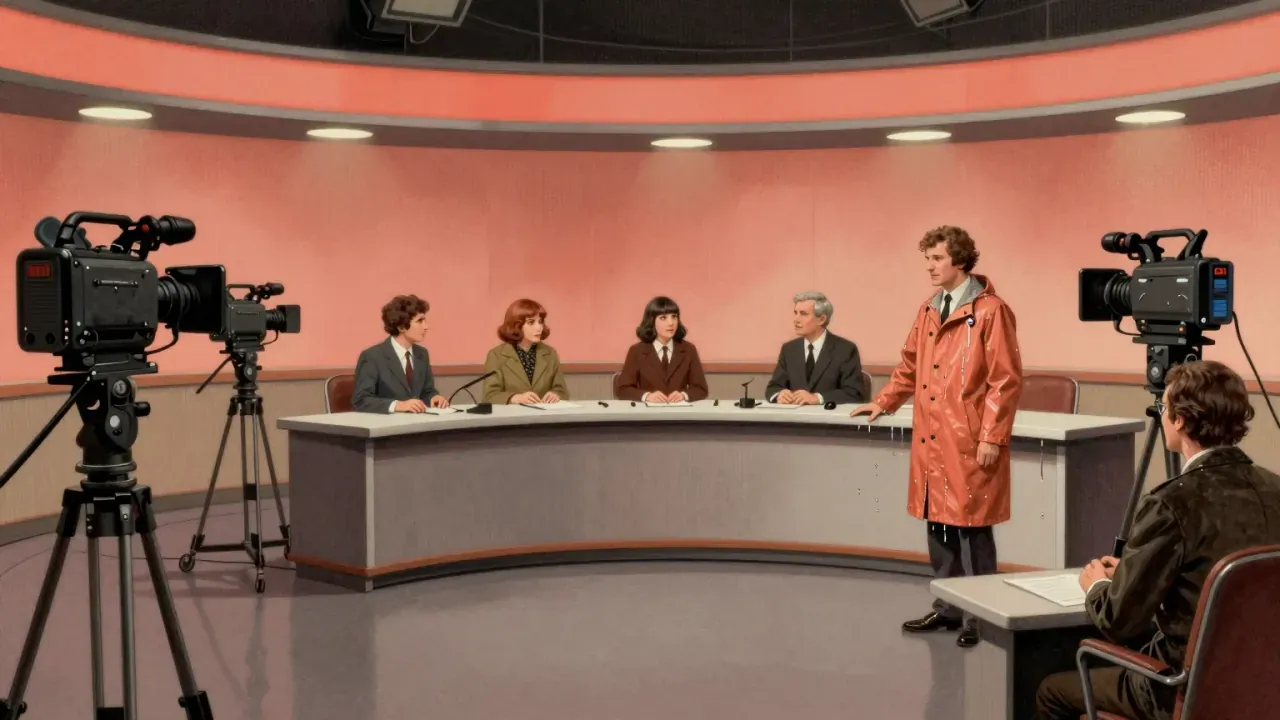
Sidney Lumet's satire follows a failing network that builds a hit show around its anchor's on-air unravelling, with four Oscar-winning performances built almost entirely on monologue.

13:00

North by Northwest

Alfred Hitchcock · 1959

An advertising executive mistaken for a nonexistent spy is chased across the United States toward a crop-duster in an empty field and a climax on the carved faces of Mount Rushmore. Built by Hitchcock and Ernest Lehman around set pieces conceived before the plot that justifies them, it is Cary Grant at his most physically tested and Hitchcock's biggest production to date.