filmbriefs
Composer

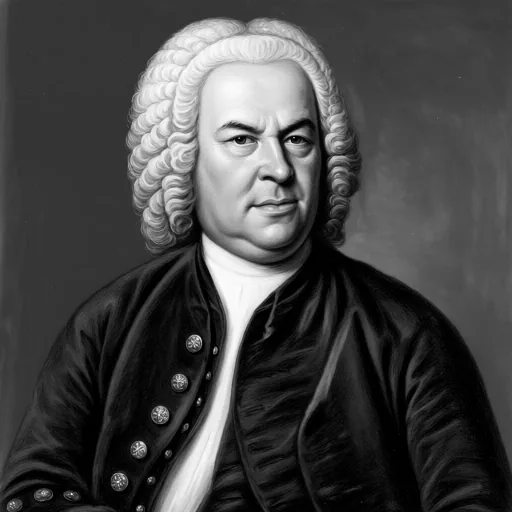
Johann Sebastian Bach

4
briefs
13:00
average
52 min
in total
On film.briefs4
13:00

The Sacrifice

Andrei Tarkovsky · 1986

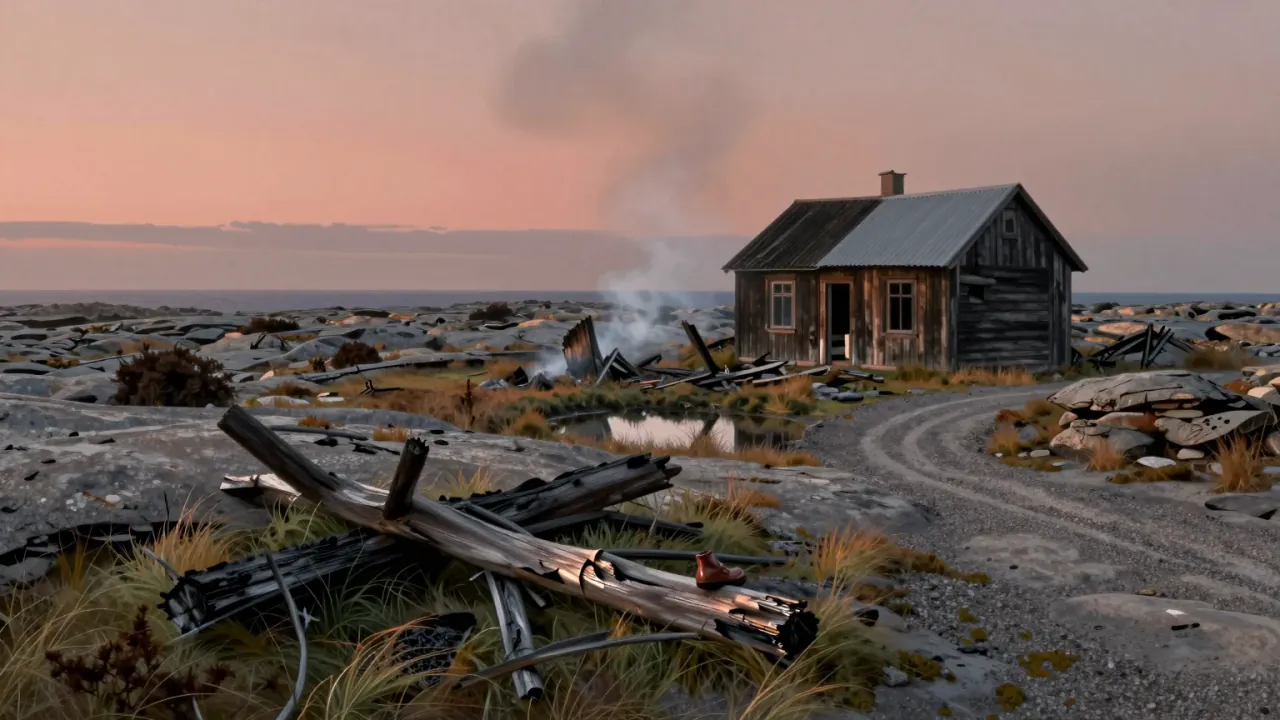
Andrei Tarkovsky’s 1986 Swedish-language drama The Sacrifice follows Alexander, an intellectual who vows to renounce all he loves if God will undo the outbreak of nuclear war. Shot by Sven Nykvist on Gotland, it uses long takes, Bach’s St Matthew Passion, and radical colour reduction to build a poetic parable about language, faith and consequence. Though awarded the Cannes Grand Prix, its austere form divides viewers: some find its silence profound, others its resolution evasive. It is Tarkovsky’s last completed film.

13:00

Through a Glass Darkly

Ingmar Bergman · 1961

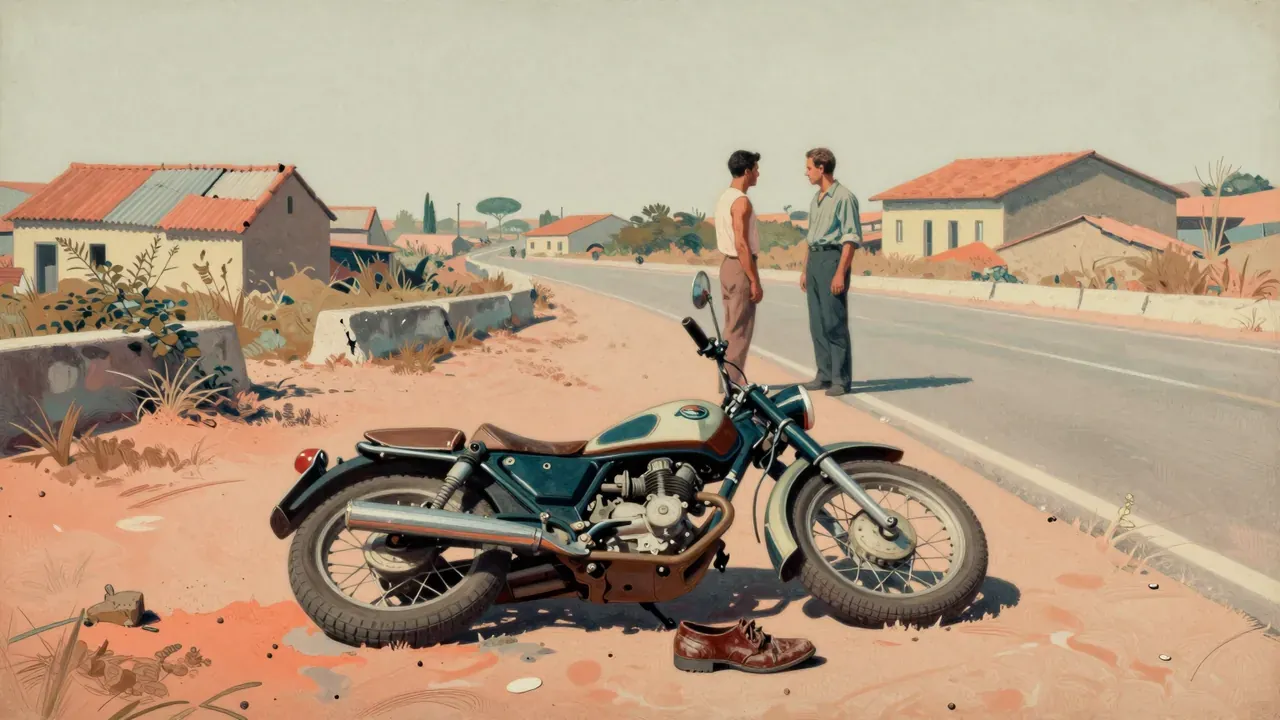
Ingmar Bergman’s 1961 chamber drama follows a family over twenty-four hours on a remote Swedish island, centring on Karin, a young woman recently released from psychiatric care. Harriet Andersson delivers a physically precise performance as her grip on reality frays, observed by her husband (Max von Sydow), novelist father (Gunnar Björnstrand), and teenage brother (Lars Passgård). Shot by Sven Nykvist with stark naturalism and scored with Bach’s cello suites, the film explores faith, exploitation, and the asymmetry of care—though its stated philosophy feels tacked on, its emotional precision remains unmatched.

13:00

Fantasia

James Algar, Samuel Armstrong, Ford Beebe Jr., Norm Ferguson · 1940

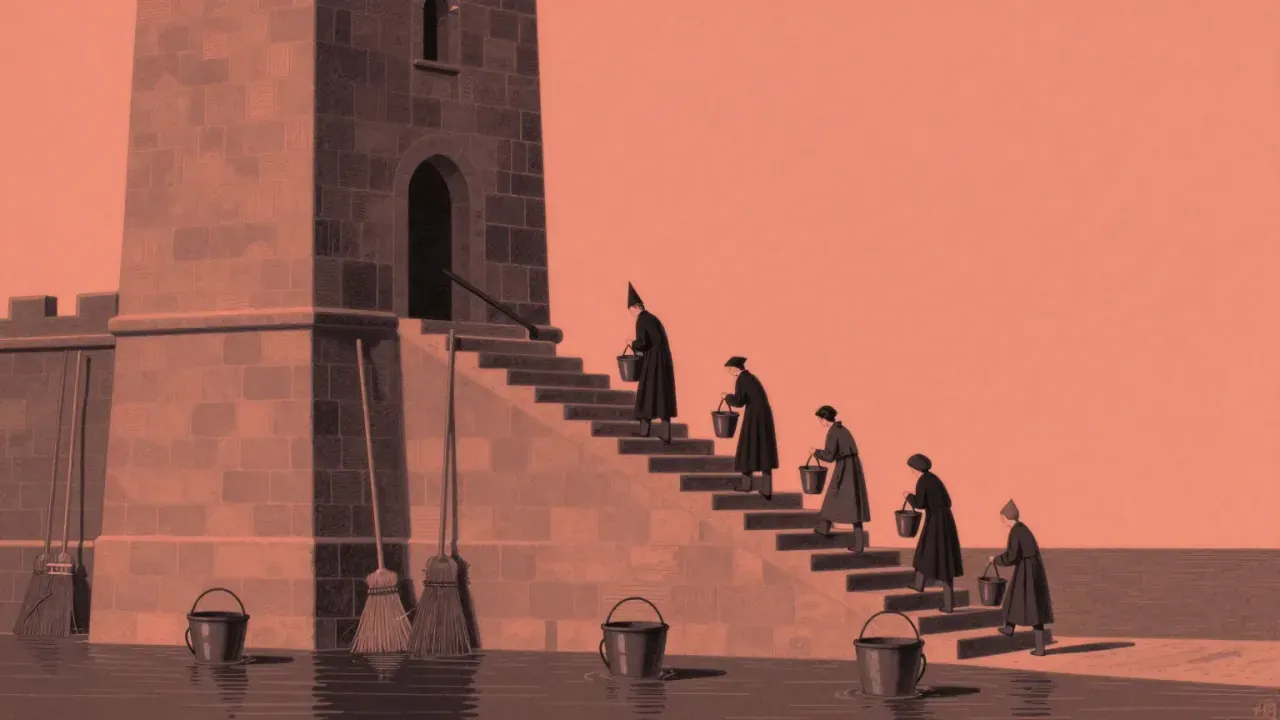
Fantasia sets eight animated sequences to classical pieces conducted by Leopold Stokowski, introduced on screen by critic Deems Taylor, ranging from abstract shapes moving to Bach to dancing hippos set to Ponchielli. It began as The Sorcerer's Apprentice, a Mickey Mouse vehicle whose spiralling budget only made sense as part of something larger; Disney and RCA built a pioneering multi-speaker sound system, Fantasound, specifically to give the film's roadshow release a sound quality no cinema of 1940 otherwise offered.

13:00

Solaris

Andrei Tarkovsky · 1972

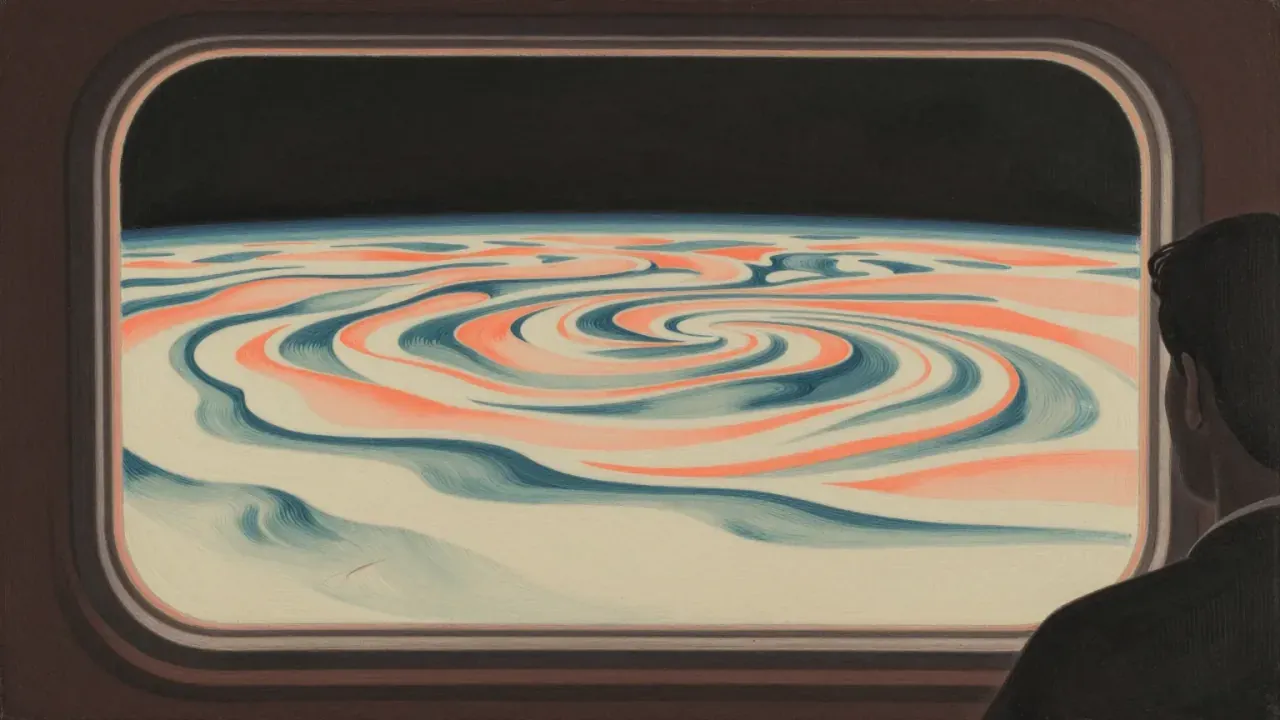
Andrei Tarkovsky's 1972 adaptation of Stanislaw Lem's novel sends psychologist Kris Kelvin to a station orbiting the ocean planet Solaris, where the surviving crew have fallen into crisis after the planet's ocean began materialising physical visitors drawn from their memories, and Kelvin's own dead wife Hari soon appears to him in the same way. Shot by Vadim Yusov with a score by Eduard Artemyev built around a Bach chorale, and made partly as a rebuttal to what Tarkovsky saw as the coldness of 2001: A Space Odyssey, it won the Grand Prix at Cannes and has stood since as one of Soviet cinema's most significant contributions to science fiction.