filmbriefs
Composer · 1925–1992

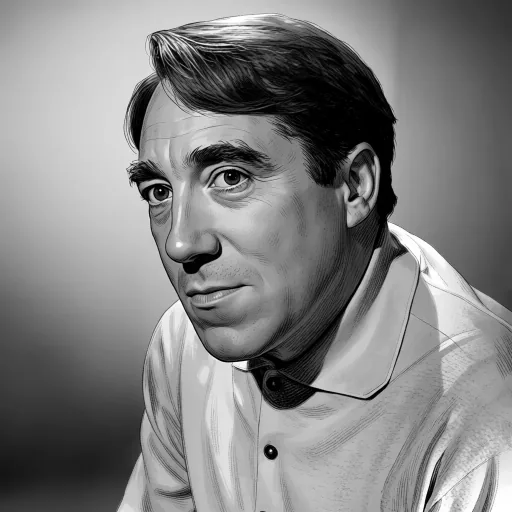
Georges Delerue

15
briefs
13:00
average
195 min
in total
On film.briefs15
13:00

Classe tous risques

Claude Sautet · 1960

Claude Sautet’s 1960 crime film follows a fugitive gangster who returns to Paris with his sons, seeking help from former associates now settled into bourgeois comfort. As old loyalties fray and new alliances prove fragile, his attempt to secure a future ends in isolation and inevitability. Shot with restraint by Ghislain Cloquet and scored with quiet melancholy by Georges Delerue, it is a study in moral erosion, not spectacle.
13:00

Contempt

Jean-Luc Godard · 1963

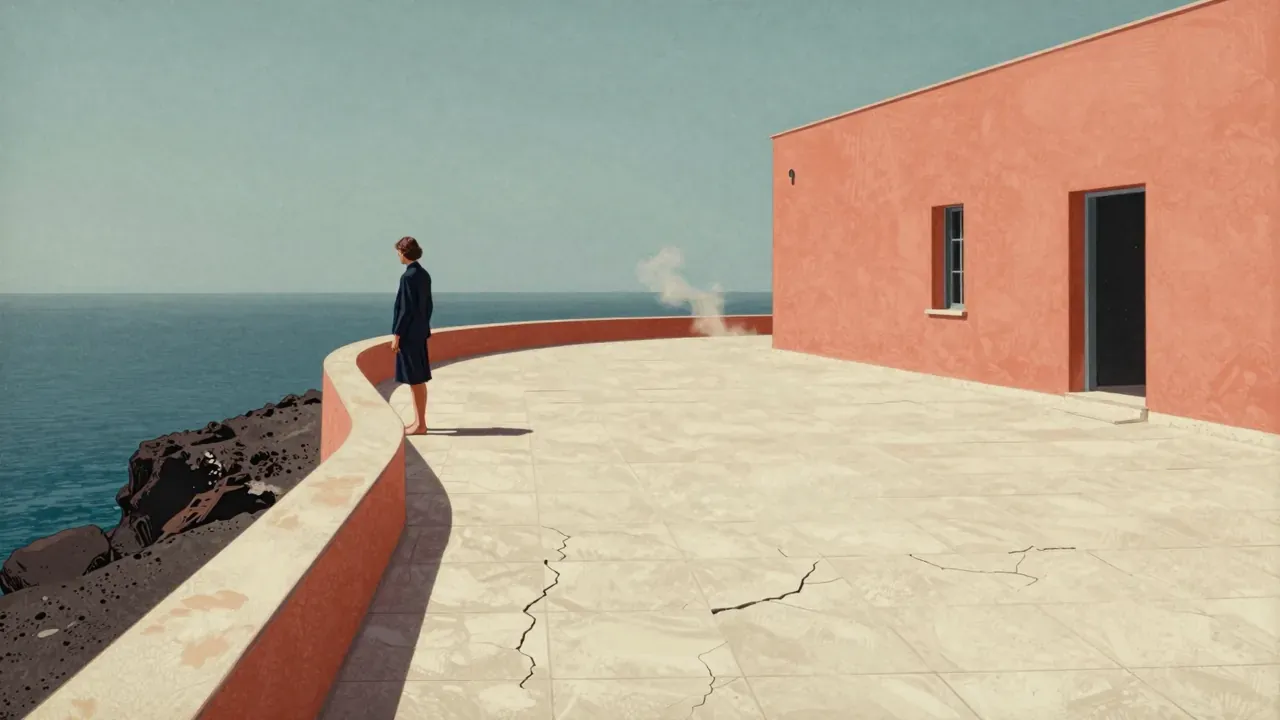
Jean-Luc Godard’s 1963 Contempt adapts Moravia’s novel into a self-aware drama about a playwright whose marriage unravels during the fraught production of a film version of the Odyssey. Shot in Rome and Capri, it stars Brigitte Bardot and Michel Piccoli, with Fritz Lang playing himself. The film interrogates authorship, fidelity, and the commodification of art — using form, colour, and silence as its primary arguments.

13:00

Day for Night

François Truffaut · 1973

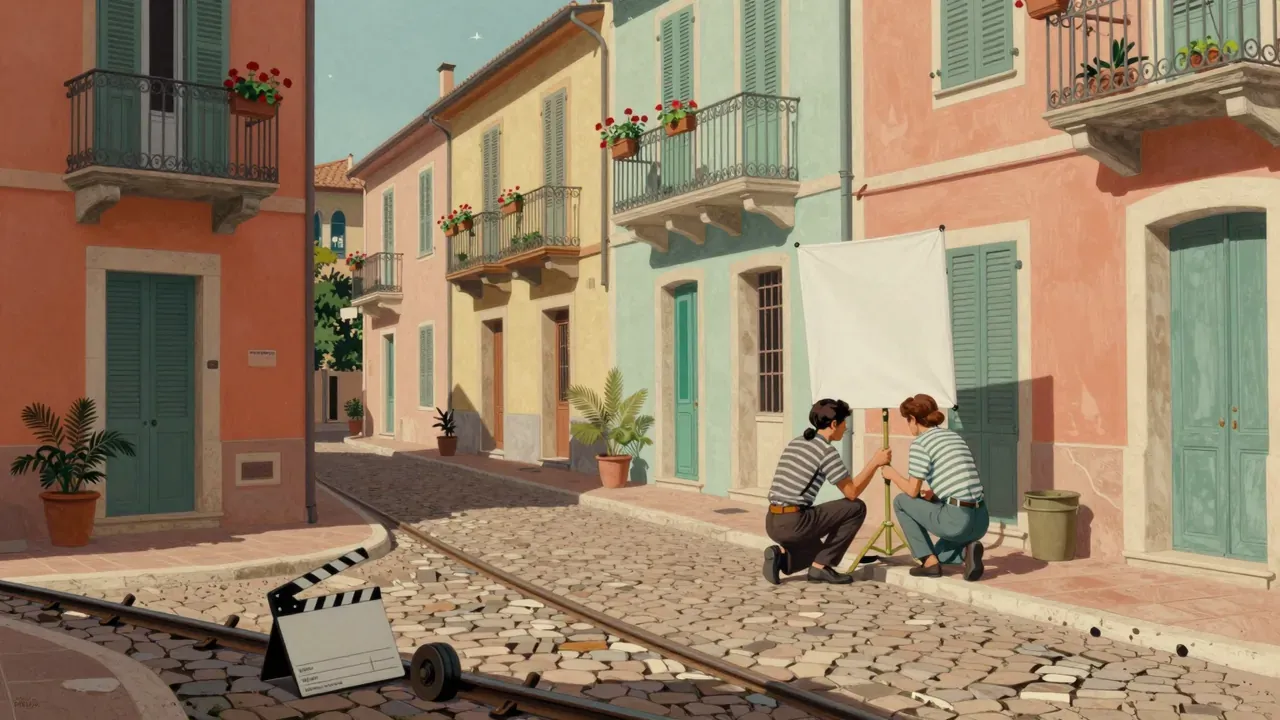
François Truffaut’s 1973 film Day for Night chronicles the chaotic, tender, and stubbornly ordinary making of a forgettable melodrama. Shot in Nice on a repurposed Paris street set, it follows director Ferrand (Truffaut) and his international cast and crew through accidents, affairs, and technical hiccups. With Pierre-William Glenn’s unshowy cinematography and Georges Delerue’s restrained score, it privileges process over personality and collective resilience over individual revelation. It won the 1974 Academy Award for Best International Feature Film.

13:00

Documenteur

Agnès Varda · 1981

Made in Los Angeles in 1981, Documenteur follows Emilie, a Frenchwoman rebuilding daily life after separation, working as a typist and caring for her young son. Shot in English and interwoven with imagery from Varda’s documentary Mur Murs, the film treats the city’s murals as silent companions to private adjustment. With minimal plot, restrained performances, and a focus on light, texture, and repetition, it offers a delicate, unsentimental portrait of displacement as routine rather than rupture.

13:00

Love on the Run

François Truffaut · 1979

François Truffaut’s 1979 drama Love on the Run concludes the Antoine Doinel cycle with quiet rigour. Mid-divorce and mid-romance, Antoine (Jean-Pierre Léaud) boards a train with ex-girlfriend Colette (Marie-France Pisier), revisiting his past self-mythologising while navigating present entanglements with wife Christine (Claude Jade) and new partner Sabine (Dani). Néstor Almendros’s cinematography and Martine Barraqué’s editing sustain a delicate balance between memory and immediacy. The film resists catharsis, favouring precision over propulsion — a restrained, intelligent farewell to a character who never quite grows up, but learns, faintly, to stop lying to himself.

13:00

Mister Johnson

Bruce Beresford · 1990

Bruce Beresford’s 1990 drama adapts Joyce Cary’s 1939 novel, following Maynard Eziashi’s Mister Johnson — a Nigerian clerk in 1929 colonial Nigeria who fervently adopts English manners, language, and bureaucracy in pursuit of status and belonging. Shot on location in Toro, Nigeria, the film observes his gradual unraveling as loyalty to colonial ideals clashes with material reality, kinship obligations, and administrative scrutiny. With restrained craft and a career-launching performance, it avoids easy moral binaries, instead tracing the quiet, logical collapse of a worldview built on mimicry.

13:00

Slacker

Richard Linklater · 1991

Richard Linklater’s 1991 debut is a loose chain of vignettes following eccentric, under-30 Austinites over a single day. Shot on 16mm with a $23,000 budget, it moves from character to character without resolution, using muted cinematography by Lee Daniel and sparse scoring by Georges Delerue. It rejects traditional narrative in favour of observational density, capturing a mood of intellectual drift and quiet disaffection. Though divisive in pacing and structure, it became a landmark of American arthouse cinema and entered the National Film Registry in 2012.

13:00

The Last Metro

François Truffaut · 1980

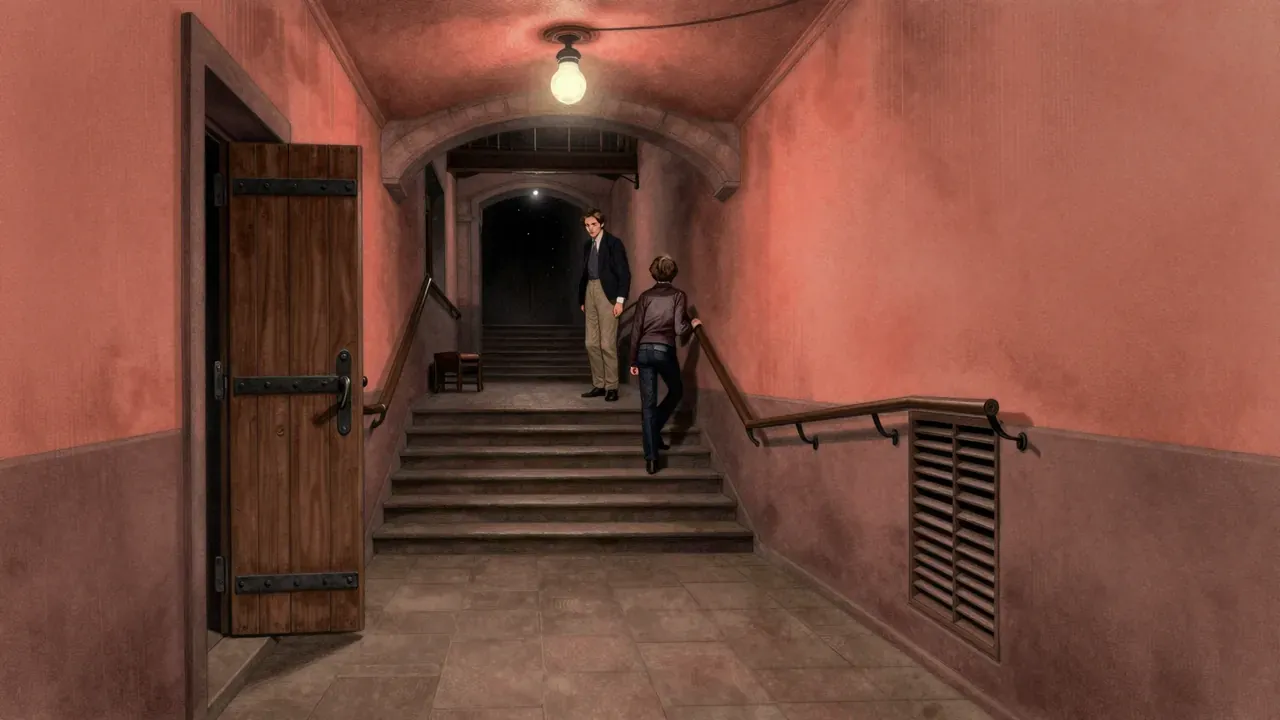
François Truffaut’s 1980 drama The Last Metro follows a Paris theatre company in 1942, where Marion Steiner (Catherine Deneuve) runs performances while hiding her Jewish husband Lucas (Heinz Bennent) in the cellar. Young actor Bernard Granger (Gérard Depardieu) becomes entangled in both the production and the Resistance. Shot by Néstor Almendros and scored by Georges Delerue, the film treats occupation not as backdrop but as condition — shaping light, dialogue, timing and moral choice. It won ten César Awards, including Best Film, Director and Actor/Actress.

13:00

The Soft Skin

François Truffaut · 1964

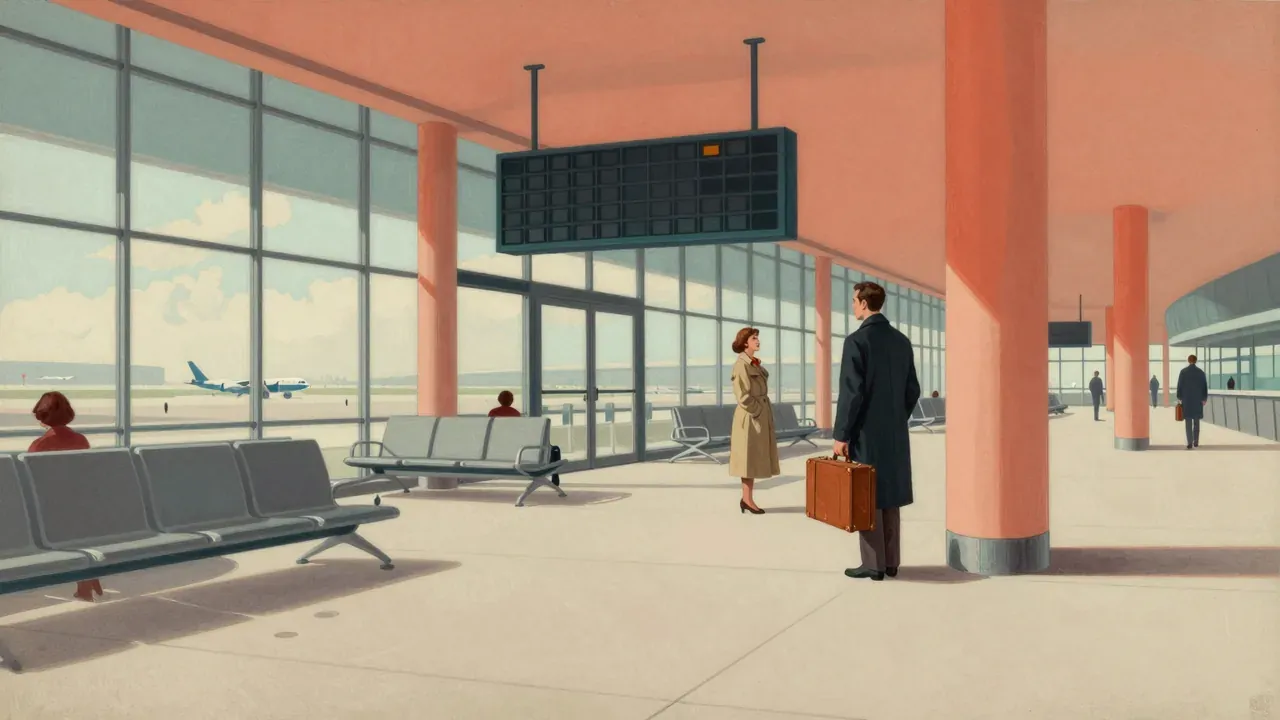
François Truffaut’s 1964 drama follows Pierre Lachenay, a married writer and lecturer, as he begins an affair with a young flight attendant. Shot on location in Paris, Reims and Lisbon by Raoul Coutard, the film observes the slow, unceremonious collapse of Pierre’s double life — not through melodrama, but through accumulated silences, evasions and logistical missteps. Its power lies in its restraint: no voiceover, no score-driven emotion, no moral framing. The ending arrives with shocking abruptness, underscoring the film’s central concern — not why people fall apart, but how quietly they do so.

13:00

The Two of Us

Claude Berri · 1967

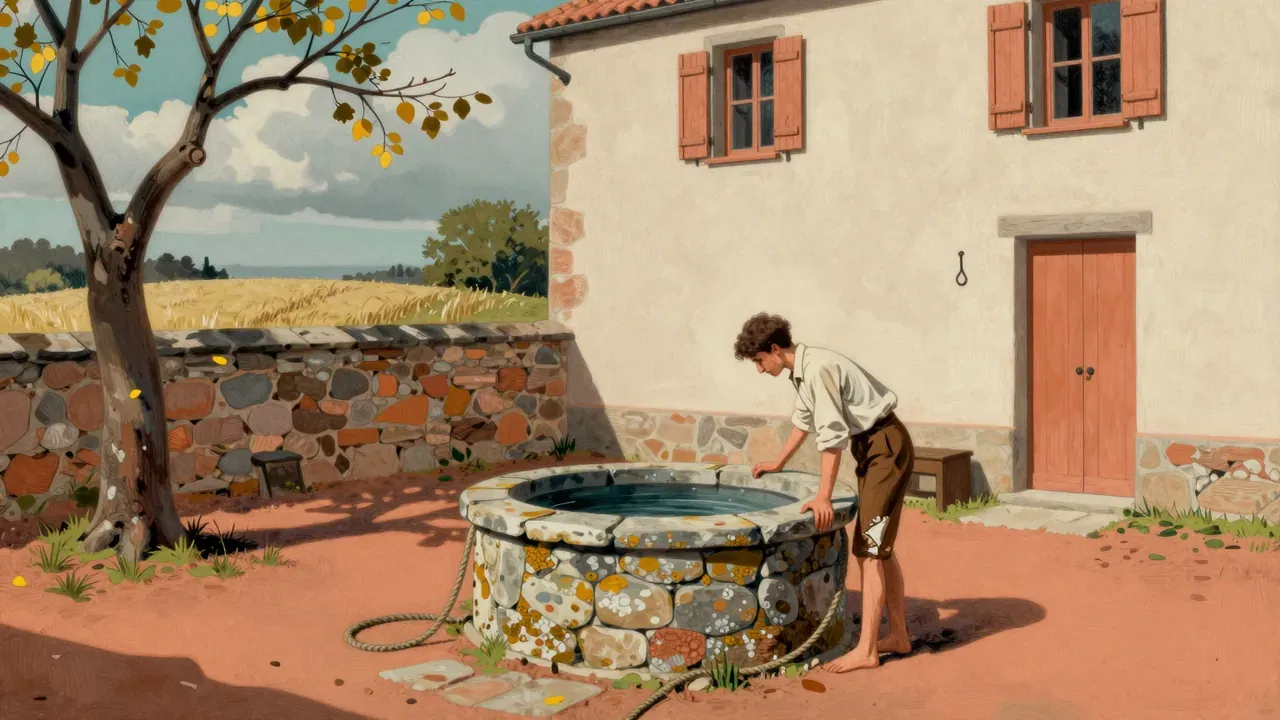
Set in occupied France, The Two of Us follows an eight-year-old Jewish boy sent to live with an elderly, anti-Semitic farmer. Directed by Claude Berri and starring Michel Simon and Charles Denner, it traces the slow, unspoken evolution of their uneasy coexistence through restrained performances, muted cinematography by Jean Penzer, and a sparse score by Georges Delerue. Avoiding historical exposition or moral simplification, it locates its power in domestic detail and withheld emotion.

13:00

Vive le Tour

Louis Malle · 1962

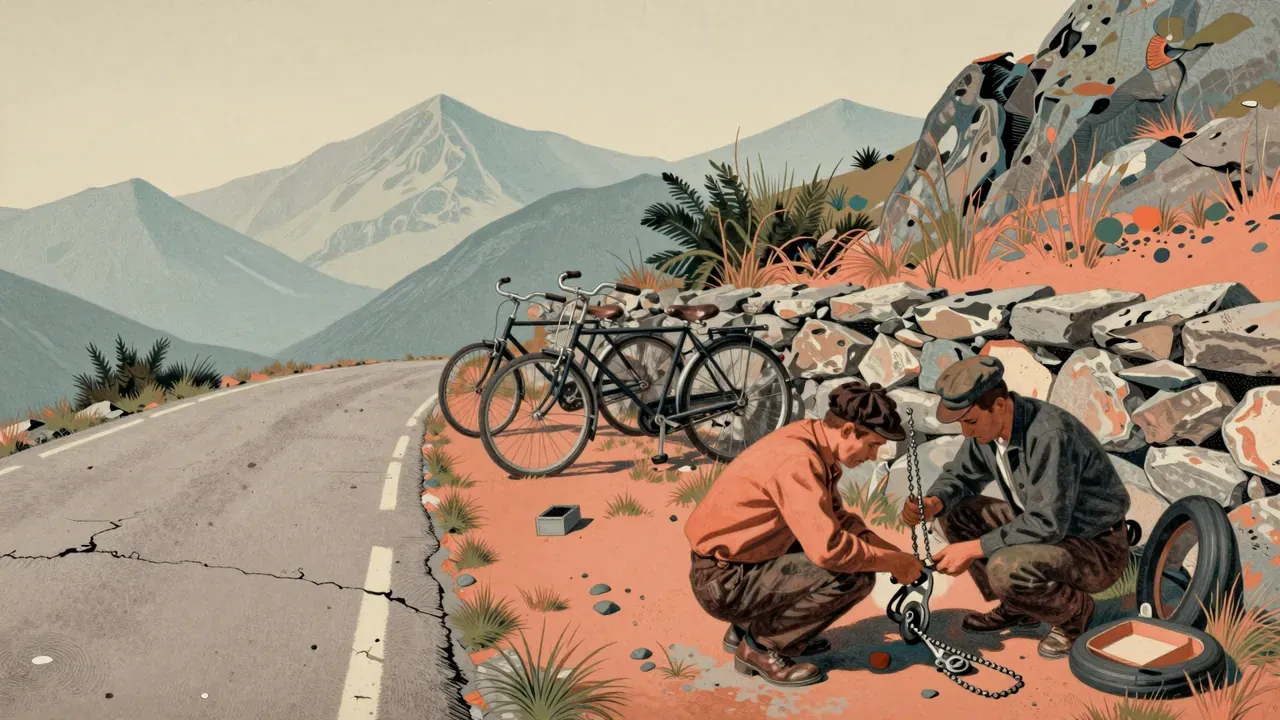
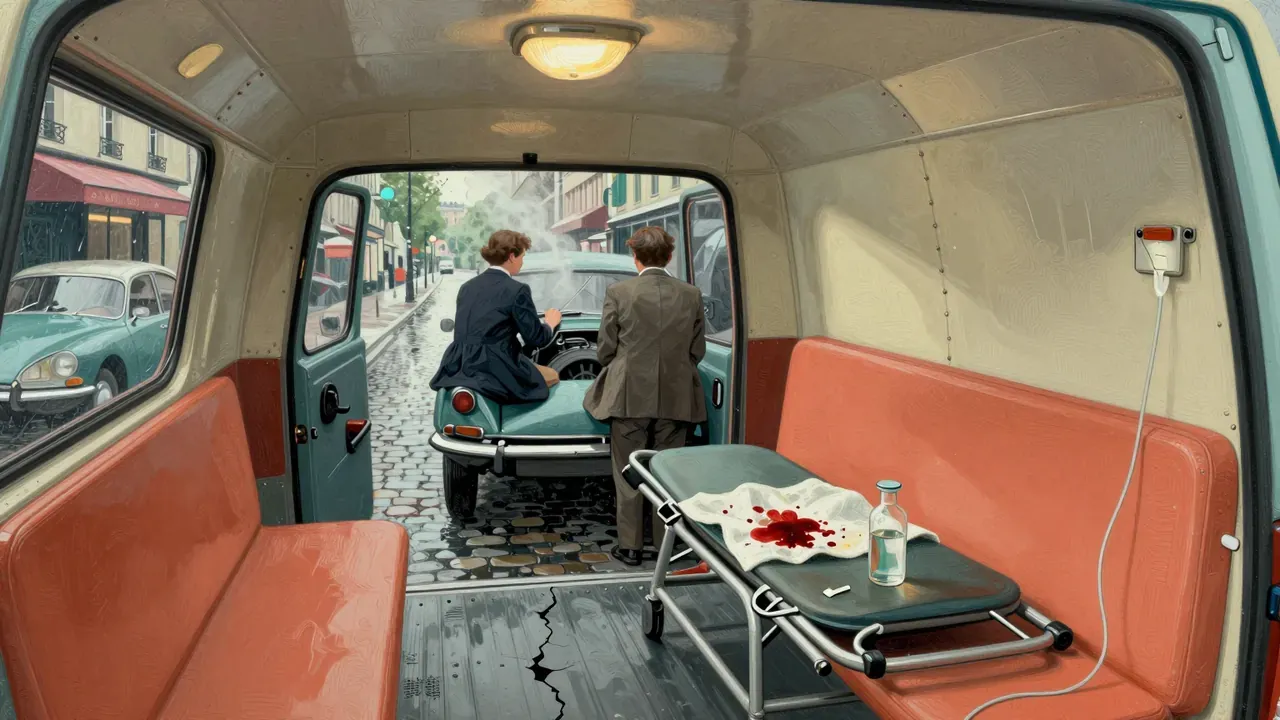
Louis Malle’s 1962 documentary Vive le Tour observes the 1962 Tour de France with clinical intimacy: mechanics adjusting bikes roadside, riders eating cold sandwiches, journalists shouting questions, medical staff administering injections. Shot on location by Malle alongside Ghislain Cloquet and Jacques Ertaud, and narrated by cyclist Jean Bobet, it avoids heroics and exposition in favour of accumulated detail — food, fatigue, doping, injury — treated as routine elements of a vast, mobile operation. Georges Delerue’s restrained score underscores transitions, not emotions. At 18 minutes, it is brief but densely observed, offering no answers, only a clear-eyed look at endurance as collective, unglamorous work.

13:00

Women in Love

Ken Russell · 1969

Ken Russell’s 1969 Women in Love adapts D. H. Lawrence’s novel with fidelity to its psychological and philosophical core. Starring Glenda Jackson, Alan Bates, Oliver Reed, and Jennie Linden, it charts two sisters’ contrasting paths through love, intellect, and selfhood in post-war England and Switzerland. Billy Williams’s naturalistic cinematography and Georges Delerue’s restrained score support performances that prioritise presence over exposition. Though structurally uneven and occasionally opaque in its secondary arcs, the film remains a rare example of cinema treating ideas as visceral, not illustrative.

13:00

Jules and Jim

François Truffaut · 1962

François Truffaut’s 1962 romance follows Frenchman Jim, Austrian Jules, and the enigmatic Catherine across pre-war Paris, wartime separation, and uneasy post-war cohabitation. Shot by Raoul Coutard with lyrical looseness and scored by Georges Delerue, it treats love not as choice or conquest but as atmosphere — pervasive, shifting, and ultimately ungovernable.

13:00

Hiroshima mon amour

Alain Resnais · 1959

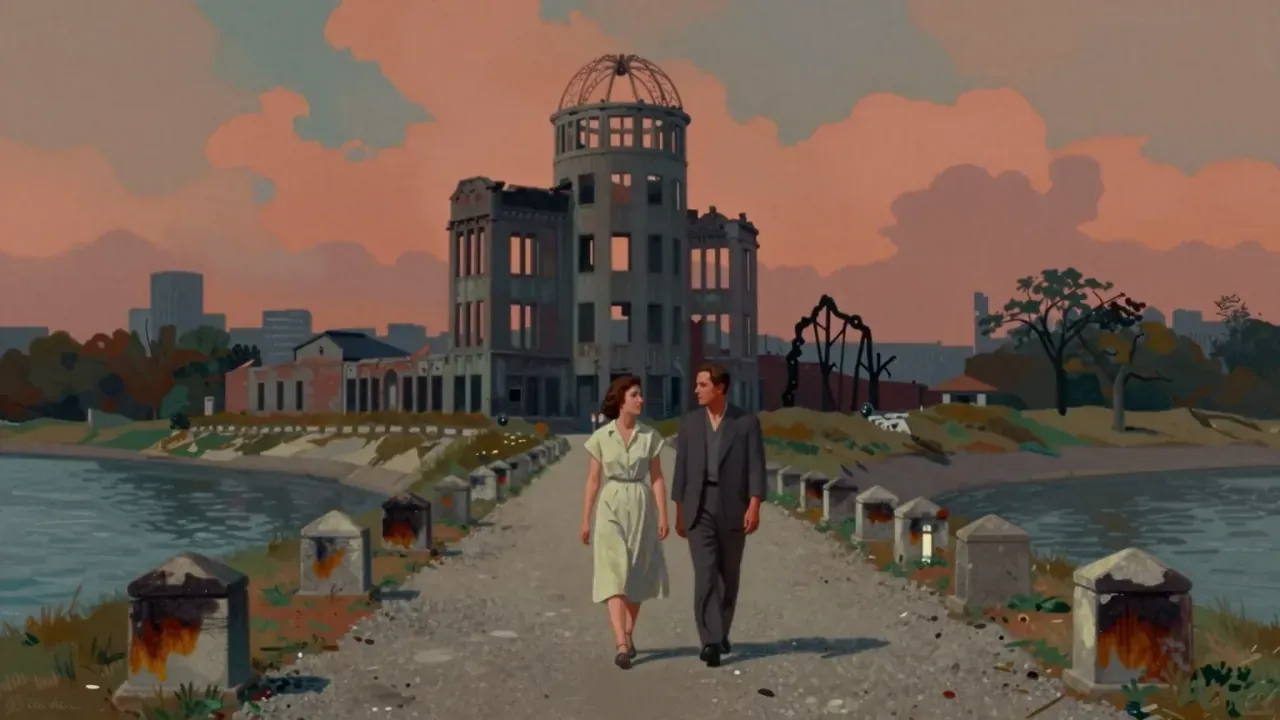
Alain Resnais’ 1959 debut, written by Marguerite Duras, traces a fleeting encounter between a French actress and a Japanese architect in Hiroshima. Through tightly composed images, fragmented flashbacks, and restrained performances, it explores how personal and historical trauma intertwine — not as metaphor, but as embodied experience. Shot in France and Japan, edited with surgical precision, and scored with near-silence, it treats love, memory, and forgetting as inseparable forces.

13:00

Shoot the Piano Player

François Truffaut · 1960

François Truffaut’s 1960 second feature adapts David Goodis’s Down There into a grainy, kinetic neo-noir starring Charles Aznavour as a pianist hiding from fame and grief. Shot on location in Paris and the Alps by Raoul Coutard, edited with jarring cuts and voice-over digressions, and scored by Georges Delerue, it balances burlesque gangsters with quiet despair. Its themes — anonymity, misrecognition, love as shelter — unfold through mood and gesture more than plot. Though narratively loose, its emotional logic holds firm.