filmbriefs
Studio

Gaumont

14
briefs
13:00
average
182 min
in total
On film.briefs14
13:00

À Nos Amours

Maurice Pialat · 1983

Maurice Pialat’s 1983 drama follows sixteen-year-old Suzanne (Sandrine Bonnaire) as she navigates sexual experience, family fracture and emotional drift in early-1980s Paris. Shot with observational restraint by Jacques Loiseleux and written by Pialat and Arlette Langmann, it avoids exposition, score-driven emotion or narrative resolution, holding Suzanne’s contradictions — her hunger for connection and her inability to sustain it — without judgment or explanation.
13:00

Betty Blue

Jean-Jacques Beineix · 1986

A 1986 French psychological drama directed by Jean-Jacques Beineix, Betty Blue follows Zorg, a handyman and aspiring writer, and Betty, a volatile 19-year-old, as their passionate relationship unravels across coastal, urban and provincial France. Shot by Jean-François Robin and scored by Gabriel Yared, it renders emotional extremity through saturated visuals, rhythmic editing and physical performance — prioritising mood and texture over exposition or diagnosis.

13:00

General Della Rovere

Roberto Rossellini · 1959

Roberto Rossellini’s 1959 drama follows a conman hired by Nazi occupiers to impersonate a dead Resistance general inside a Milan prison. As he inhabits the role among real prisoners, his performance hardens into conviction — not through revelation, but through repeated, quiet acts of solidarity. Shot in German by Italian filmmakers, with Vittorio De Sica in a career-defining turn, it is a restrained, morally exacting portrait of identity forged in extremity.

13:00

Identification of a Woman

Michelangelo Antonioni · 1982

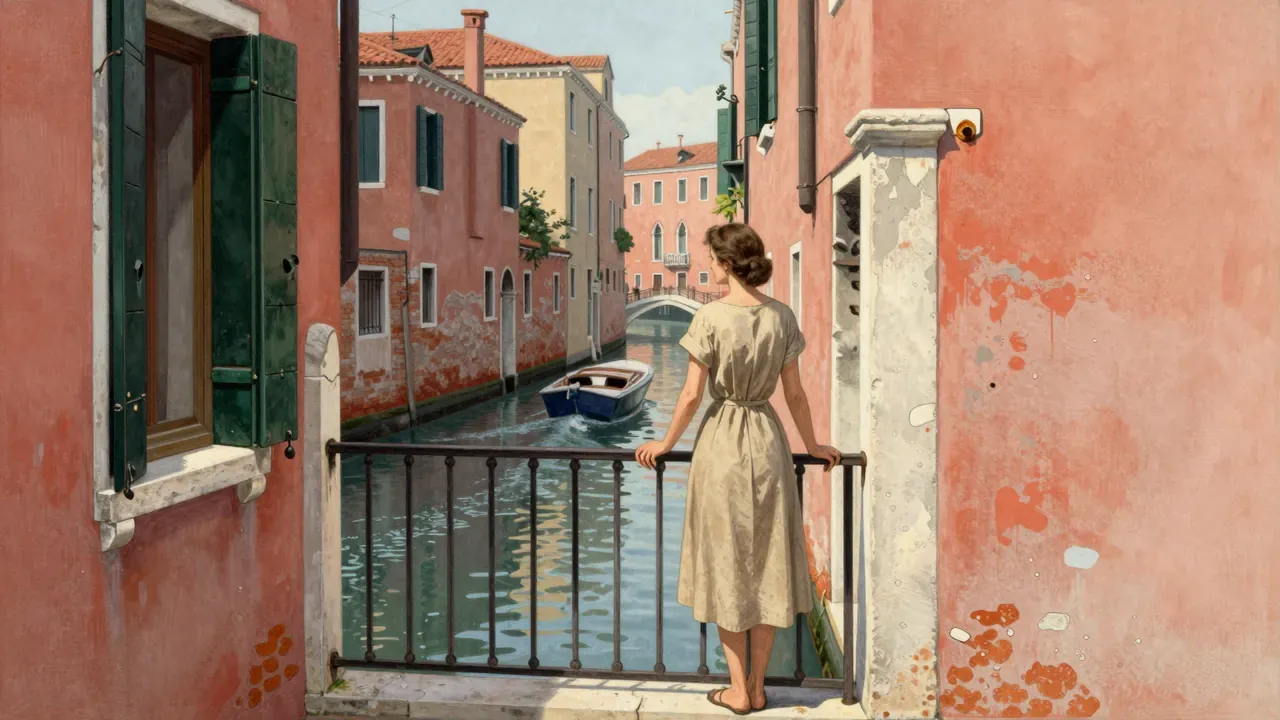
Michelangelo Antonioni’s Identification of a Woman (1982) follows a divorced film director in Rome and Venice as he navigates two relationships — one elusive, one immediate — while under an ambiguous surveillance. Shot by Carlo Di Palma, scored by John Foxx, and edited by Antonioni himself, it trades the formal rigour of his 1960s work for a quieter, more provisional tone. Its concerns — perception, identity, ageing, class — are embedded in atmosphere and gesture, not exposition. Reception was mixed on release, with later critics noting its autumnal modesty. It is a film of lingering glances, unresolved absences, and the quiet weight of what remains unseen.

13:00

La Poison

Sacha Guitry · 1951

Sacha Guitry’s 1951 French film follows a married couple in provincial France who independently decide to kill each other. Using black-and-white cinematography on colour-built sets, tight framing and uninflected performances — especially from Michel Simon and Germaine Reuver — the film treats homicide as a procedural puzzle, not a moral crisis. Written and directed by Guitry, with music by Louiguy and editing by Raymond Lamy, it unfolds with clockwork symmetry, offering irony without sentiment and structure without spectacle.

13:00

L'Atalante

Jean Vigo · 1934

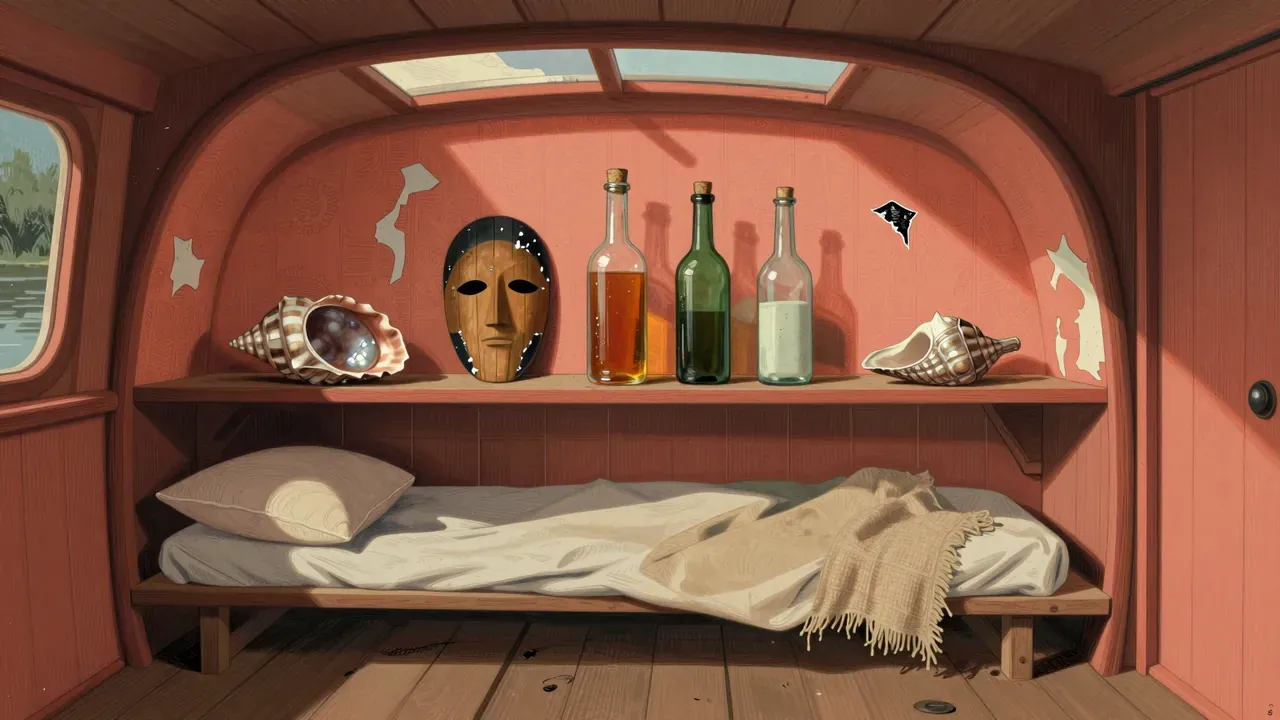
Jean Vigo’s 1934 French drama follows a newlywed couple living aboard the barge L’Atalante as it navigates France’s canals. With Dita Parlo, Jean Dasté, and Michel Simon, and shot by Boris Kaufman, it builds emotion through texture, silence, and precise observation rather than exposition. Though incomplete at Vigo’s death from tuberculosis, its poetic realism and commitment to sensory truth have secured its place as a landmark of arthouse cinema.

13:00

Les Amants du Pont-Neuf

Leos Carax · 1991

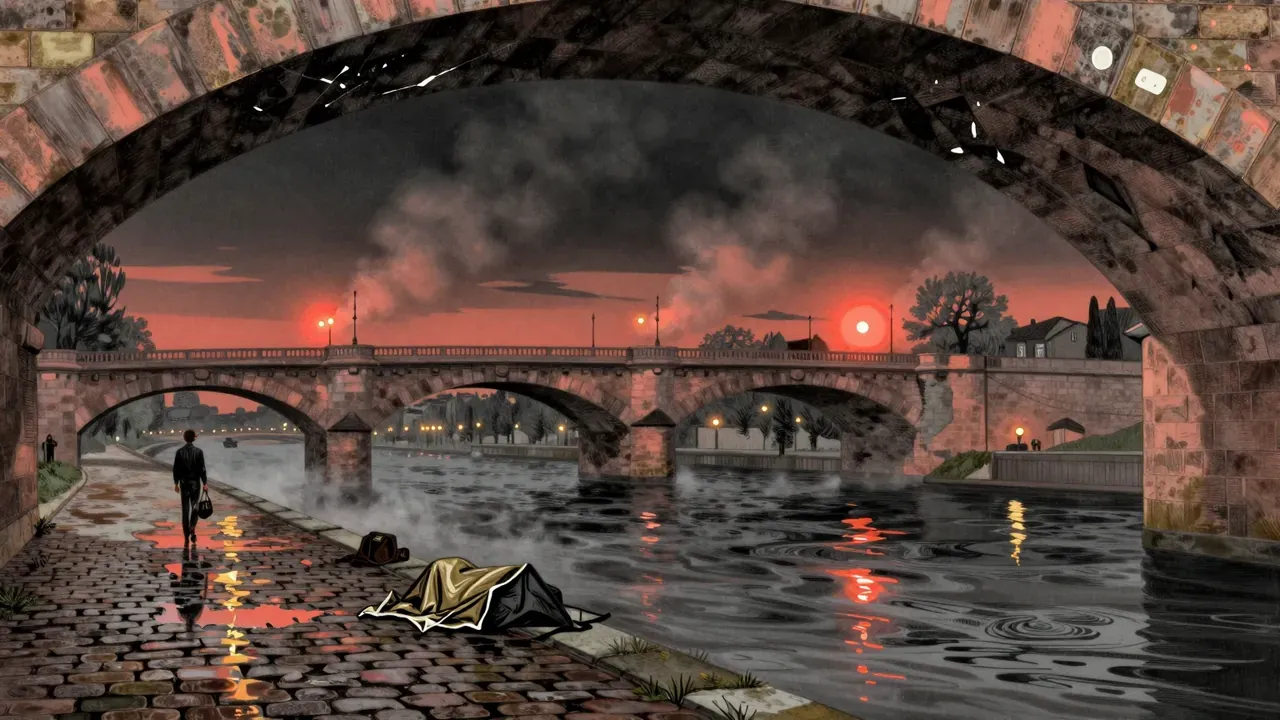
Leos Carax’s 1991 film follows two vagrants, Alex and Michèle, living on a meticulously built replica of Paris’s Pont Neuf. Shot over three years amid financial chaos and physical hardship, it treats love as physical cohabitation — not dialogue or backstory — with Juliette Binoche and Denis Lavant performing with unflinching bodily commitment. Jean-Yves Escoffier’s cinematography and Arvo Pärt’s score reinforce its austere, tactile logic. Though criticised for emotional opacity, its power lies in duration, texture, and the sheer material reality of its world.

13:00

Mon Oncle

Jacques Tati · 1958

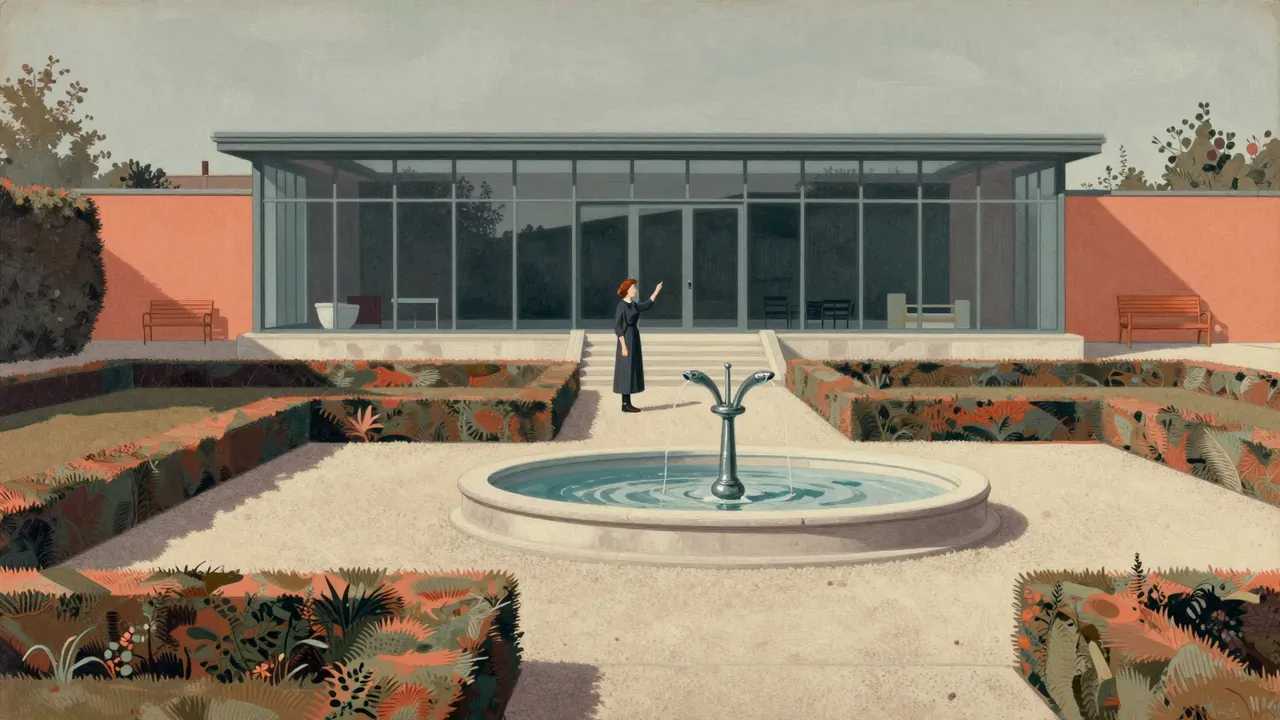
Jacques Tati’s Mon Oncle (1958) is a colour comedy set in postwar France, contrasting the sterile geometry of a modernist villa with the worn textures of an old Paris neighbourhood. Starring Tati as the amiable, unmoored Monsieur Hulot, the film uses choreographed movement, precise sound design and architectural detail — not dialogue — to explore how design, automation and consumerism reshape human behaviour and relationships.

13:00

Querelle

Rainer Werner Fassbinder · 1982

Rainer Werner Fassbinder’s 1982 Querelle is a highly stylised, studio-bound adaptation of Jean Genet’s novel, starring Brad Davis as a murderous sailor navigating a closed world of erotic power games. Shot in lurid expressionist colour, it privileges symbolic repetition and artificial lighting over narrative logic or psychological realism. Though divisive, it stands as Fassbinder’s most uncompromising formal statement — a film less about story than about the weight of gesture, colour, and silence.

13:00

Nikita

Luc Besson · 1990

A convicted junkie is erased from official record and retrained as a government assassin. Under the supervision of a shadowy agency, she masters weapons, languages and deception — then begins a fragile relationship with a man who knows nothing of her past. When duty and desire collide, she must choose between two irreconcilable lives. Luc Besson’s 1990 French thriller is a study in control, performance and the cost of competence.

13:00

A Man Escaped

Robert Bresson · 1956

Robert Bresson’s 1956 docudrama follows a French Resistance fighter’s meticulous, solitary planning of an escape from Montluc prison in Lyon. Using non-professional actors, austere framing, and a rigorously controlled soundscape, it renders willpower as physical labour and time as accumulated effort — not as drama, but as form.

13:00

Fanny and Alexander

Ingmar Bergman · 1982

Fanny and Alexander is Ingmar Bergman’s semi-autobiographical 1982 drama, set in early-1900s Uppsala. It follows siblings Fanny and Alexander as their family fractures after their father’s death and their mother’s remarriage to a rigid bishop. Shot by Sven Nykvist and designed with meticulous period detail, the film contrasts the warmth of the theatrical Ekdahl household with the austerity of ecclesiastical authority. Though conceived as Bergman’s final feature, its generosity of attention, layered performances, and tactile realism make it a defining work of Swedish cinema — and a rare film where domestic life feels mythic without losing its weight.

13:00

Léon: The Professional

Luc Besson · 1994

Léon: The Professional is a 1994 French English-language crime thriller written and directed by Luc Besson. Jean Reno plays Léon, a solitary hitman in New York who shelters twelve-year-old Mathilda (Natalie Portman) after her family is murdered by a corrupt DEA agent (Gary Oldman). Their uneasy bond forms the core of a tightly constructed, visually controlled film that balances domestic intimacy with sudden violence. Shot largely in France and New York, it was produced by Patrice Ledoux for Gaumont, with cinematography by Thierry Arbogast and music by Éric Serra. Though commercially successful and critically divisive, its enduring interest lies in its formal discipline and the unresolved tension between its moral premise and its stylistic execution.

13:00

The Fifth Element

Luc Besson · 1997

Luc Besson’s 1997 science-fiction film is a French-produced, English-language spectacle built on maximalist design, constructed language, and daylight-driven futurism. Starring Bruce Willis, Milla Jovovich, and Gary Oldman, it follows a taxi driver and a resurrected super-being racing to save Earth using four mystical stones. Shot in London and Mauritania, it won BAFTA and César awards for visual effects, cinematography, direction, and production design. Though divisive in its emotional restraint and mythic opacity, it remains a landmark of tactile, stylised worldbuilding.