filmbriefs
Actor · 1911–1975

Daisuke Katō

11
briefs
13:00
average
143 min
in total
On film.briefs11
13:00

An Autumn Afternoon

Yasujirō Ozu · 1962

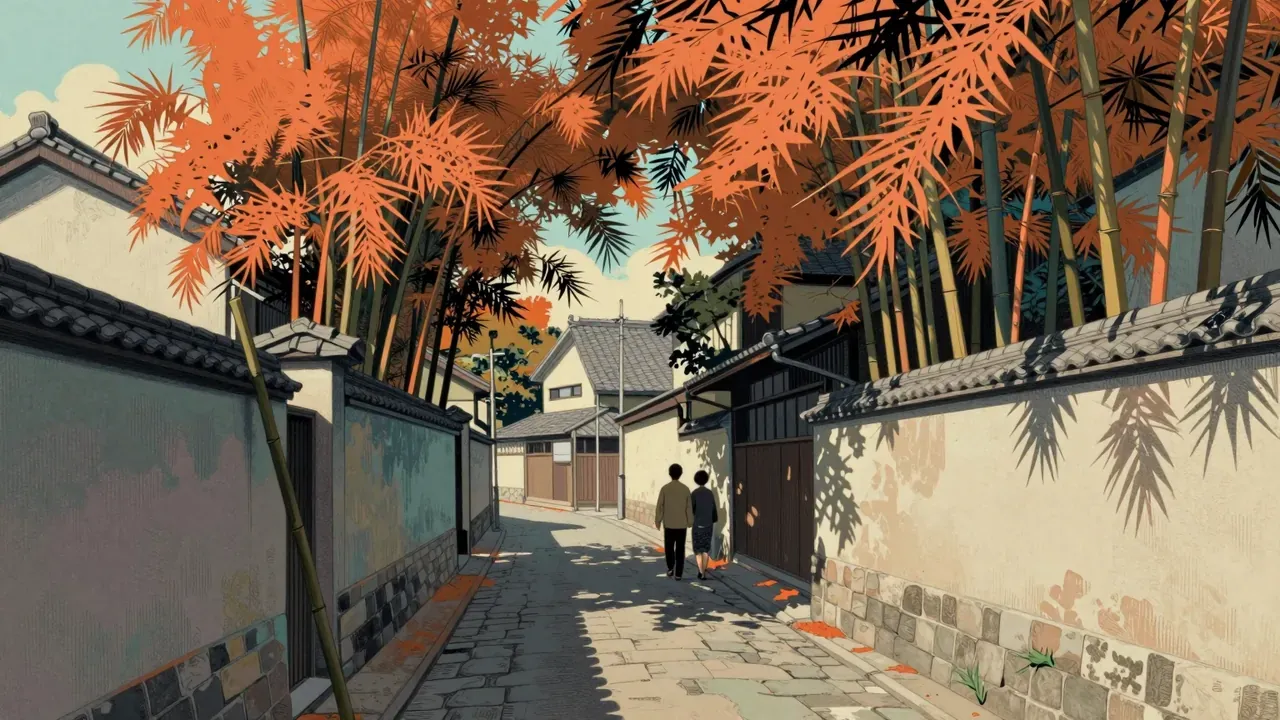
Yasujirō Ozu’s 1962 An Autumn Afternoon follows widower Shūhei Hirayama as he arranges his daughter Michiko’s marriage — not as a triumph of paternal love, but as an act of belated self-reckoning. Set in Tokyo, the film moves through school reunions, bar visits and domestic routines, using precise framing, muted colour and deliberate pacing to trace how time, duty and silence shape family life. With Chishū Ryū, Shima Iwashita and Mariko Okada, it is a restrained, deeply humane portrait of ageing, obligation and the quiet cost of staying put.
13:00

Early Spring

Yasujirō Ozu · 1956

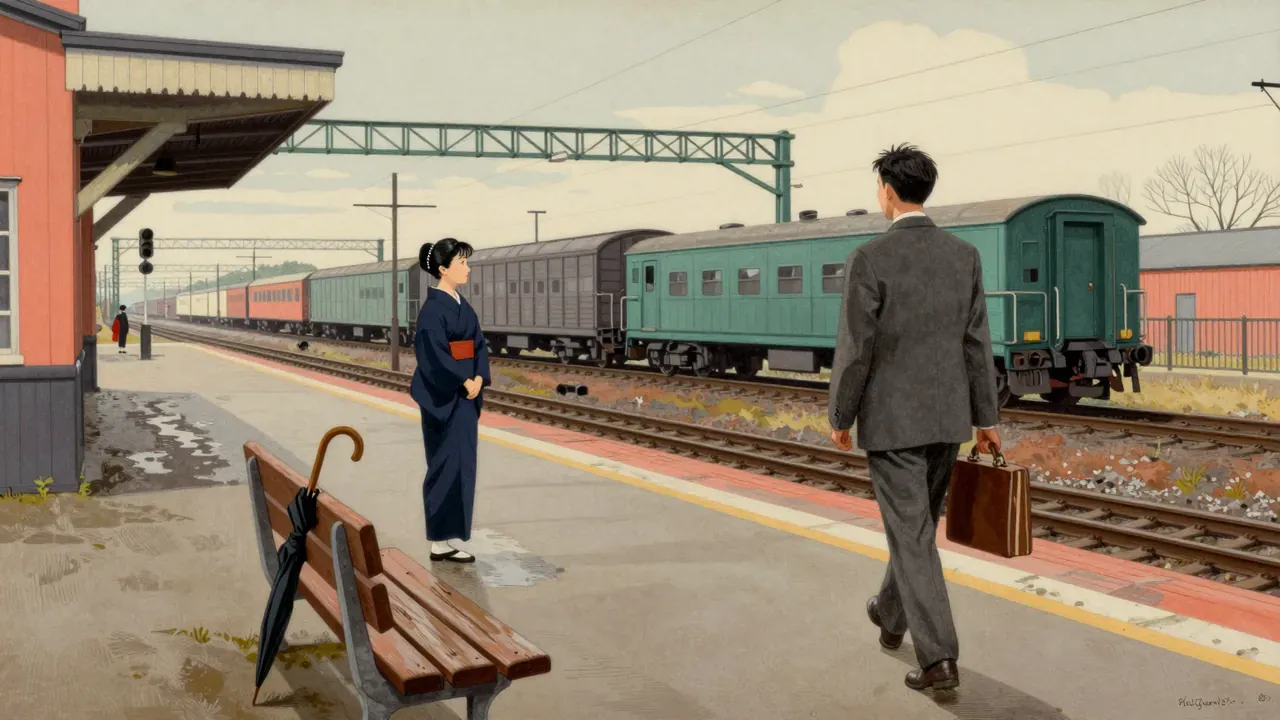
Yasujirō Ozu’s 1956 drama follows a Tokyo salaryman whose affair with a colleague unravels his marriage not through melodrama but through accumulated silences, routine, and unspoken grief. Shot in restrained black and white, it replaces Ozu’s usual generational tensions with a study of white-collar disillusionment — quiet, precise, and anchored in the physical details of postwar Japanese domestic and office life.

13:00

Samurai I: Musashi Miyamoto

Hiroshi Inagaki · 1954

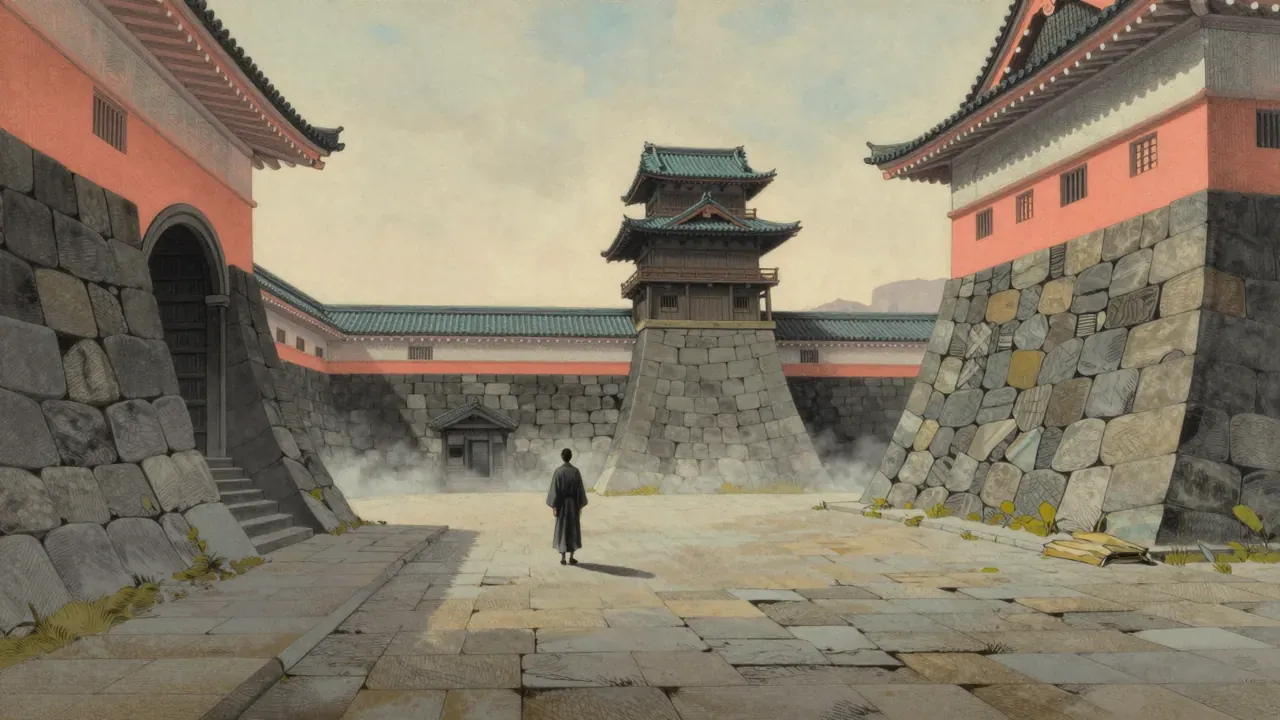
Hiroshi Inagaki’s 1954 Samurai I: Musashi Miyamoto follows the transformation of the unruly Takezo into the disciplined swordsman Musashi Miyamoto. Adapted from Eiji Yoshikawa’s novel, it charts his journey through exile, imprisonment, and moral education in early Tokugawa Japan. With Toshirō Mifune in a physically commanding, psychologically restrained performance, the film privileges restraint over action, silence over exposition, and accumulation over epiphany. Shot in Eastman Color by Toho, it won a Special Academy Award in 1955 and remains a cornerstone of Japanese cinematic craft.

13:00

Samurai II: Duel at Ichijoji Temple

Hiroshi Inagaki, Jun Fukuda · 1955

Samurai II: Duel at Ichijoji Temple (1955), directed by Hiroshi Inagaki and Jun Fukuda, is the second part of Toho’s Samurai Trilogy. Starring Toshirō Mifune as Miyamoto Musashi, it follows his path from provincial fighter to disciplined swordsman through a series of duels, betrayals, and quiet reckonings in Kyoto and its surrounds. Adapted from Eiji Yoshikawa’s novel, it foregrounds ethical growth over spectacle — emphasising waiting, withdrawal, and sparing life as acts of mastery. Ikuma Dan’s score, Kisaku Itō’s production design, and Tokuho Azuma and Yoshio Sugino’s choreography support a vision of jidaigeki grounded in physical truth and moral ambiguity.

13:00

Samurai III: Duel at Ganryu Island

Hiroshi Inagaki · 1956

Hiroshi Inagaki’s 1956 Samurai III: Duel at Ganryu Island concludes his trilogy with deliberate slowness, following Miyamoto Musashi’s year-long retreat before his fateful duel with Sasaki Kojirō. Shot in Eastmancolor by Kazuo Yamada and starring Toshirō Mifune, it privileges stillness over action, moral weight over spectacle, and quiet mourning over triumph. Its strength is structural and tonal: every performance, cut, and musical phrase serves a single, unwavering register of gravity and restraint.

13:00

Street of Shame

Kenji Mizoguchi, Yasuzō Masumura · 1956

Street of Shame (1956), Kenji Mizoguchi’s last film, follows five women working in a Tokyo brothel as Japan debates abolishing licensed prostitution. With restrained performances, Kazuo Miyagawa’s unemphatic cinematography, and Masashige Narusawa’s faithful adaptation of Yoshiko Shibaki’s novel, it treats prostitution not as moral failure but as labour embedded in debt, family duty, and social exclusion. The film ends not with liberation but with continuity: a young maid begins her first day as a prostitute. Its power lies in its refusal to dramatise change — or to pretend it is imminent.

13:00

The Life of Oharu

Kenji Mizoguchi · 1952

Kenji Mizoguchi’s 1952 film follows Oharu, a noblewoman whose life disintegrates after a forbidden romance, forcing her through successive roles — concubine, courtesan, servant, wife, nun, prostitute — each ending in expulsion. Adapted from Ihara Saikaku, it uses long takes, restrained performance, and sparse design to trace how Edo-period Japan’s hierarchies erase women not with violence but with quiet, repeated exclusion.

13:00

Yojimbo

Akira Kurosawa · 1961

Akira Kurosawa’s 1961 jidaigeki follows a nameless rōnin who manipulates two warring yakuza factions into mutual ruin. Starring Toshirō Mifune, it uses stark composition, rhythmic editing and Masaru Sato’s jaunty, dissonant score to deliver a dry, structural satire of authority and competence. Made for Toho, it was Japan’s fourth-highest-grossing film of 1961 and later inspired Sergio Leone’s A Fistful of Dollars.

13:00

Floating Clouds

Mikio Naruse · 1955

Mikio Naruse’s 1955 drama Floating Clouds follows Yukiko (Hideko Takamine) as she navigates love, poverty, and disillusionment in post-war Japan. Returning from French Indochina, she renews an affair with married engineer Kengo (Masayuki Mori), only to find his promises hollowed by circumstance. With no grand speeches or dramatic turns, the film traces her slow attrition through walks, waits, and silences—anchored by Takamine’s physically precise performance and Naruse’s unwavering restraint.

13:00

When a Woman Ascends the Stairs

Mikio Naruse · 1960

Mikio Naruse’s 1960 drama follows Keiko Yashiro, a Ginza hostess in her late twenties, as she navigates debt, familial obligation, sexual coercion and professional rivalry while trying to open her own bar. With quiet precision, it charts her daily endurance — not as heroism but as habit — against a society that treats her age, grief and autonomy as liabilities. Hideko Takamine’s restrained performance and Naruse’s unadorned direction make the ordinary unbearable and unforgettable.

13:00

Seven Samurai

Akira Kurosawa · 1954

Akira Kurosawa's 1954 film follows a poor farming village that recruits seven masterless samurai, offering only food and shelter, to defend it against a bandit gang planning to return once the barley ripens. Shot by Asakazu Nakai across a punishing production that ran well over schedule, scored by Fumio Hayasaka and led by Toshiro Mifune and Takashi Shimura, the film ran to 207 minutes and cost 210 million yen, a large outlay for the period, before shaping the template that countless action and heist films have followed since.