filmbriefs
Director · Actor · Screenwriter · Producer · 1894–1979

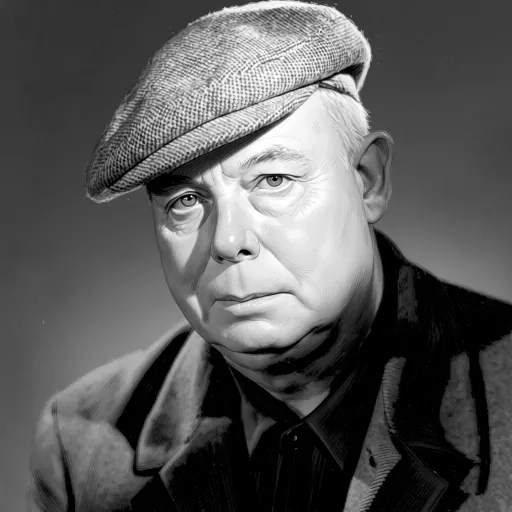
Jean Renoir

11
briefs
13:00
average
143 min
in total
On film.briefs11
13:00

A Day in the Country

Jean Renoir · 1946

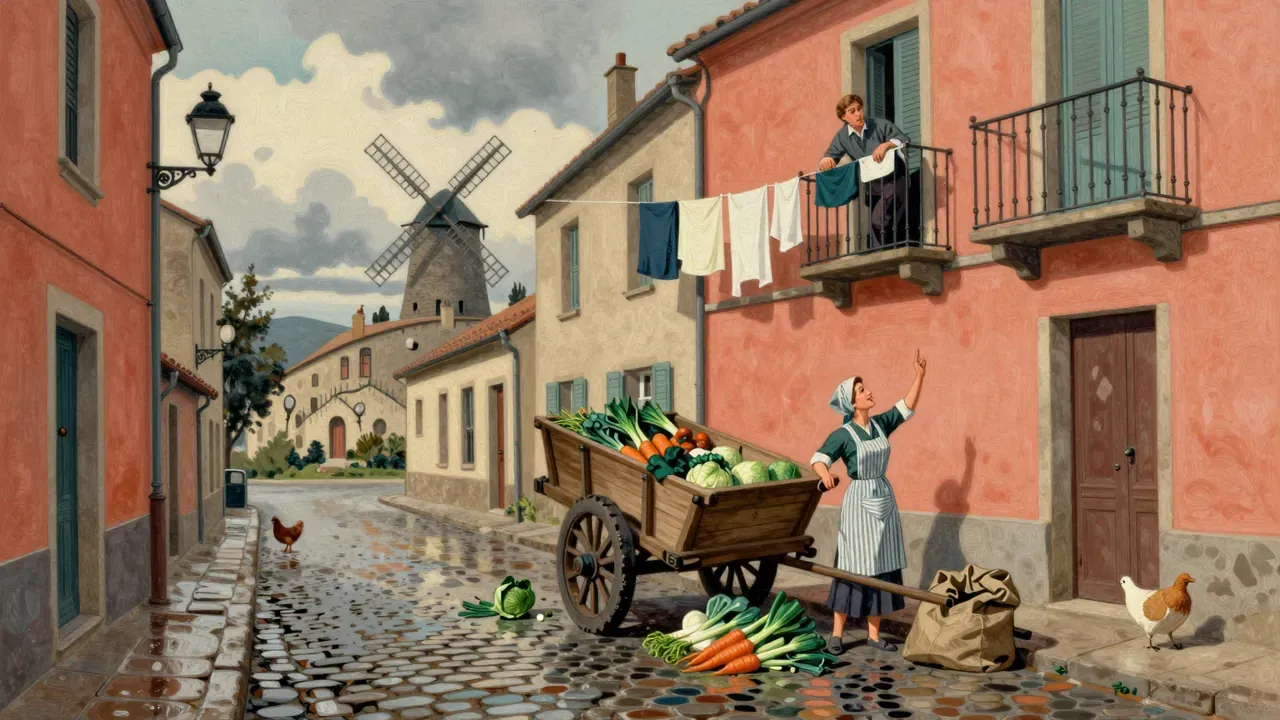
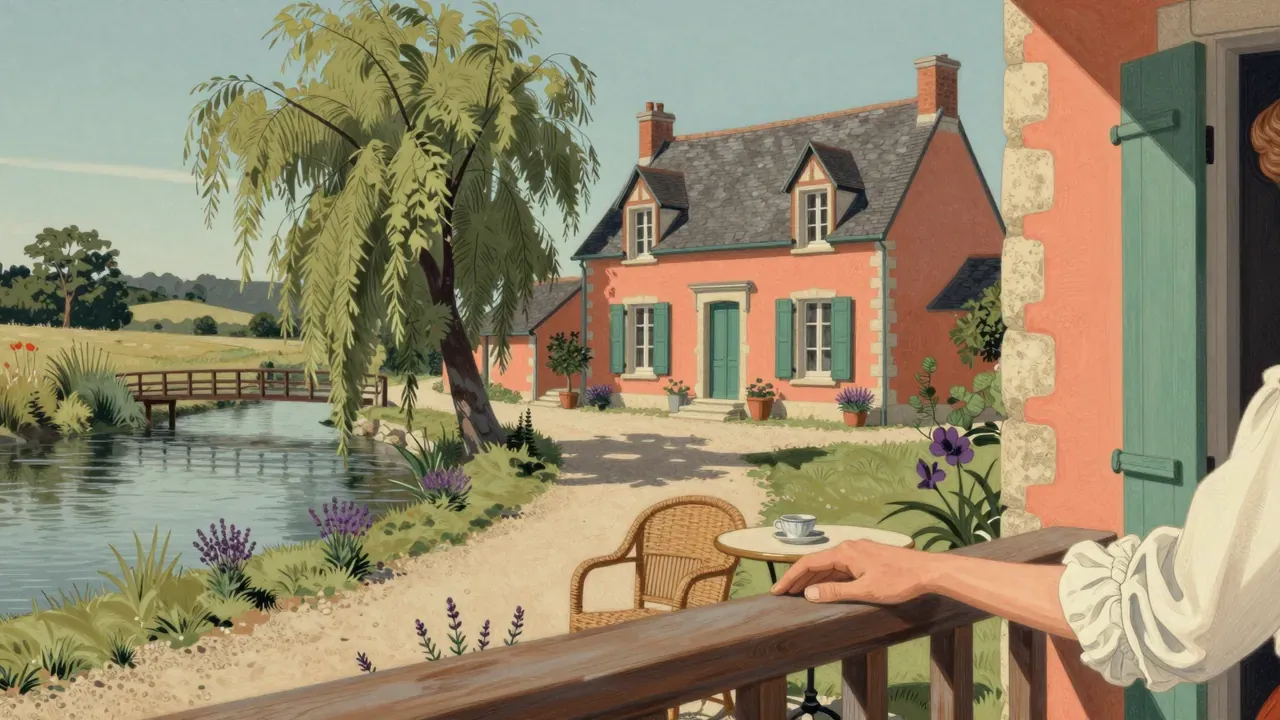
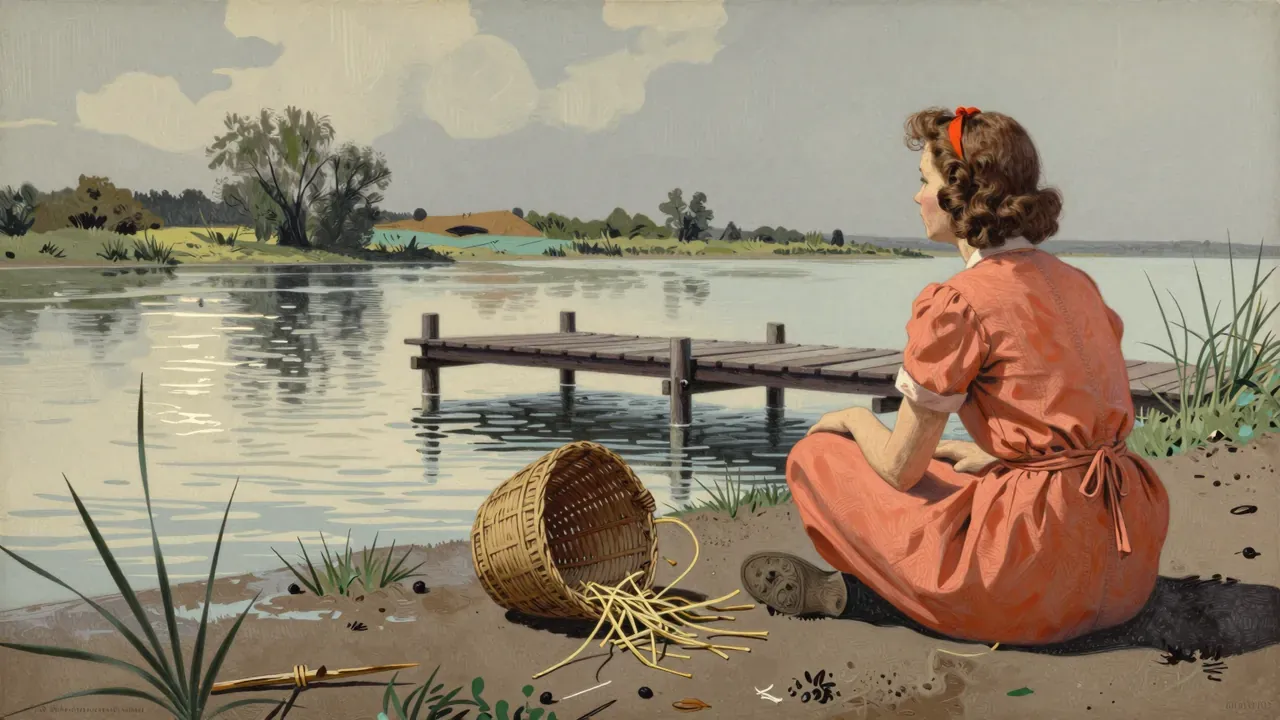
Jean Renoir’s 1946 featurette, shot in 1936 and adapted from Maupassant, captures a summer day in 1860 when a Paris shopkeeper’s daughter is briefly drawn from her world by a riverbank encounter. Forty minutes long, it relies on atmosphere, restraint, and precise visual storytelling rather than exposition or resolution. Claude Renoir’s cinematography, Joseph Kosma’s score, and Marguerite Renoir’s editing sustain a mood of quiet inevitability. Though some structural choices feel tentative, its emotional accuracy and formal discipline make it a benchmark of poetic realism.
13:00

Boudu Saved from Drowning

Jean Renoir · 1932

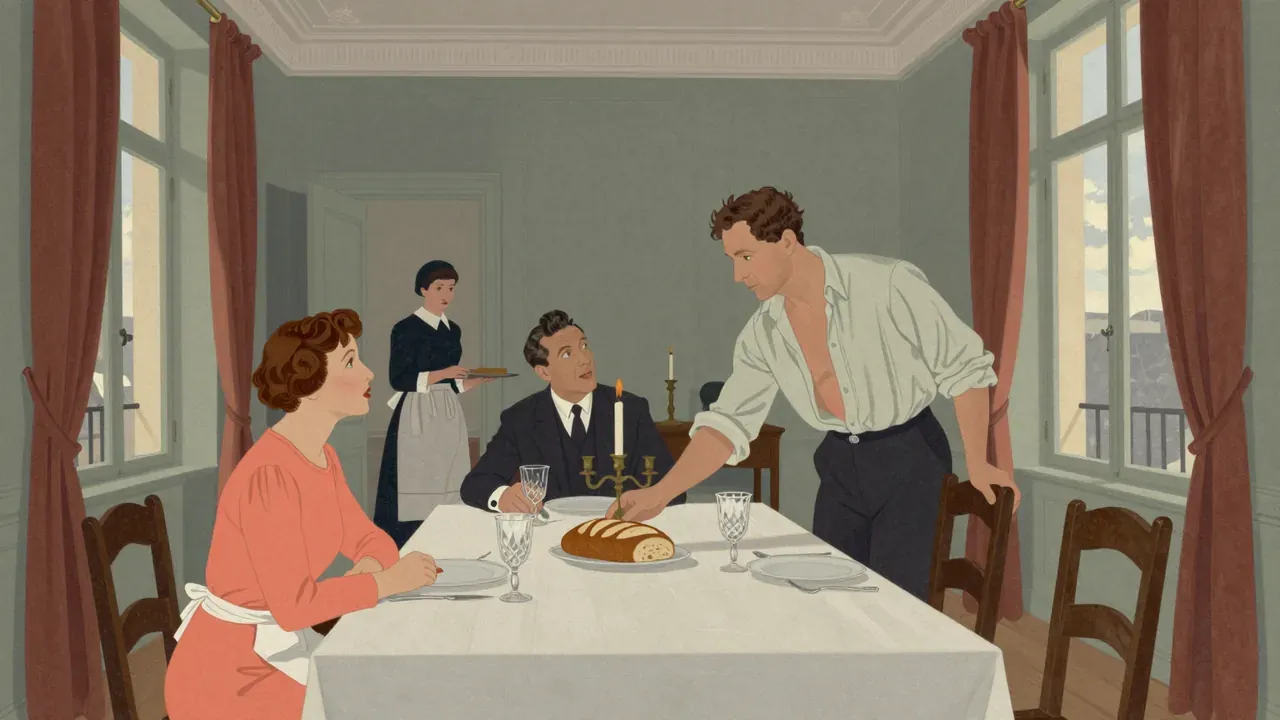
Jean Renoir’s 1932 Boudu Saved from Drowning follows a Paris bookseller who rescues a suicidal tramp and tries to assimilate him into middle-class life. Starring Michel Simon, the film uses precise staging, behavioural realism and dry wit to dissect the contradictions of respectability — not by arguing against it, but by letting its rituals collapse under the weight of an unassimilable presence.

13:00

Elena and Her Men

Jean Renoir · 1956

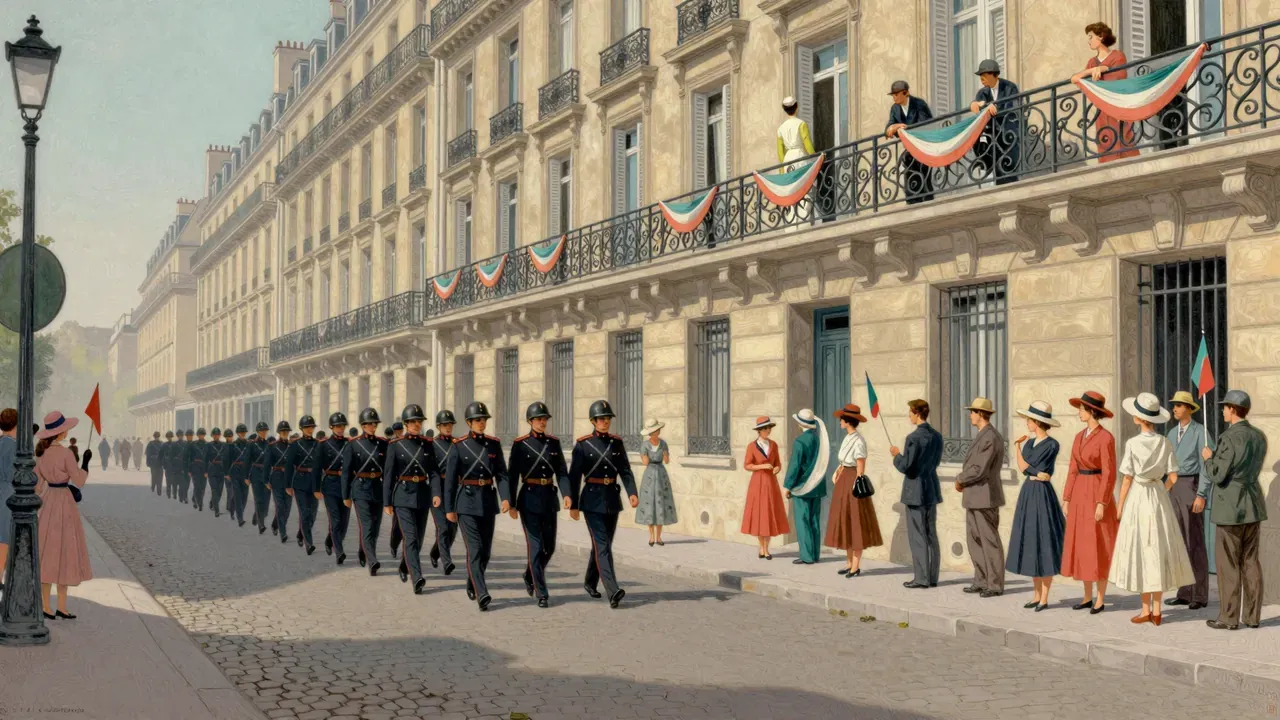
Jean Renoir’s 1956 film follows a Polish princess in fin de siècle Paris whose romantic entanglements intersect with a general’s wavering ambition and a shoe magnate’s calculations. Shot in Paris studios and locations, with design by Jean André and music by Joseph Kosma, it treats politics as theatre and desire as strategy — light in tone, precise in execution, and deliberately unmoored from psychological realism.

13:00

French Cancan

Jean Renoir · 1955

Jean Renoir’s 1955 French Cancan follows nightclub owner Henri Danglard as he transforms a Montmartre dance hall into the Moulin Rouge, betting everything on the revival of the cancan. Starring Jean Gabin and Françoise Arnoul, it is a musical comedy-drama less concerned with plot than with the textures of creation: rehearsal, construction, rivalry, and collective euphoria. Shot in colour at Joinville Studios with art direction by Max Douy and cinematography by Michel Kelber, it evokes Impressionist painting without imitation. Though uneven in emotional payoff, it remains a singular testament to Renoir’s belief in cinema as a space for presence, not just meaning.

13:00

La Bête Humaine

Jean Renoir · 1938

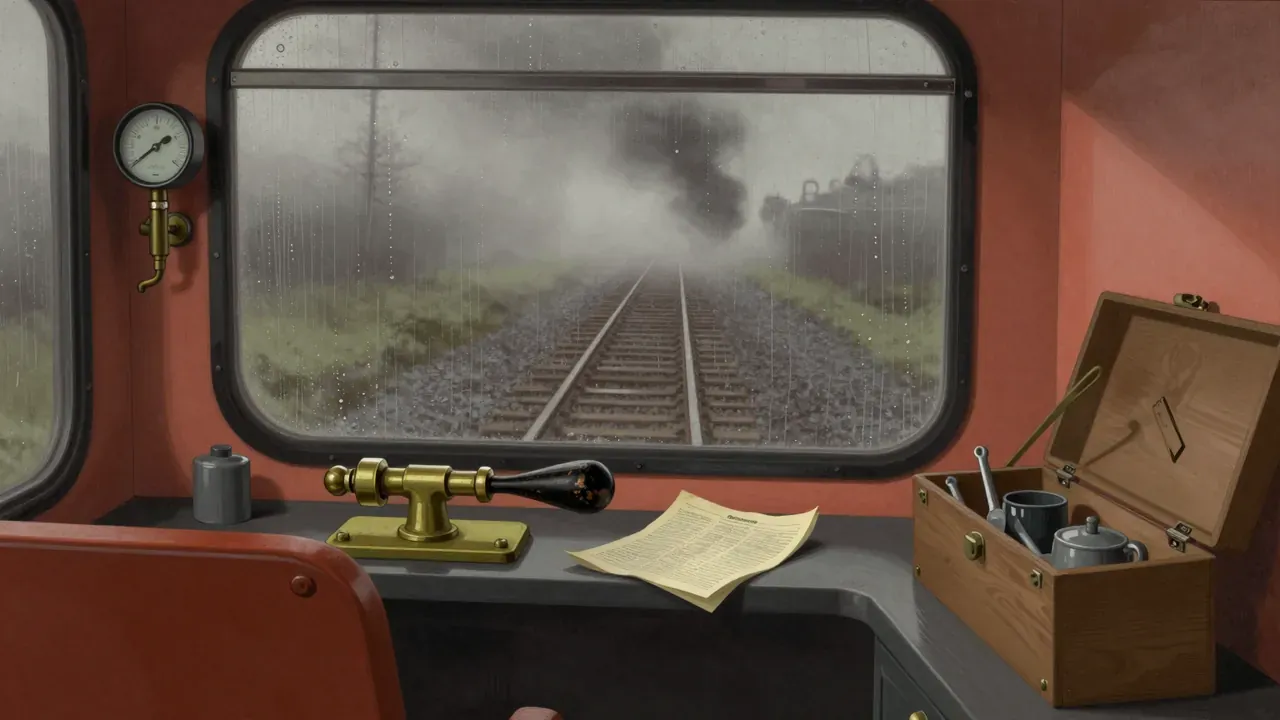
Jean Renoir’s 1938 adaptation of Zola’s La Bête humaine follows railway driver Lantier, whose inherited violent impulses collide with a web of guilt, desire, and industrial routine. Shot by Curt Courant and scored by Joseph Kosma, it uses the railway as both setting and structural principle — a world governed by timetables, steam, and inescapable consequence.

13:00

La Chienne

Jean Renoir · 1931

Jean Renoir’s 1931 La Chienne adapts Georges de La Fouchardière’s story into a stark, unsentimental portrait of moral erosion. Michel Simon plays Maurice Legrand, a timid cashier whose infatuation with a prostitute (Janie Marèse) sets off a chain of theft, deception and murder — all rendered with clinical precision by Renoir and cinematographer Theodor Sparkuhl. The film’s power lies in its restraint: no music swells, no camera lingers, no character explains themselves. It is a study in how dignity dissolves not in catastrophe, but in the quiet transfer of a signature, a painting, a name.

13:00

La Grande Illusion

Jean Renoir · 1937

La Grande Illusion (1937), directed by Jean Renoir, follows French officers imprisoned in German camps during the First World War. Through restrained performances, unadorned cinematography, and a structure built on observation rather than action, it explores how class, nationality, and personal dignity persist — and sometimes collapse — under pressure. Its enduring power lies not in grand statements but in quiet, specific moments: a shared meal, a sung anthem, a winter refuge, a final, reluctant shot.

13:00

The Golden Coach

Jean Renoir · 1952

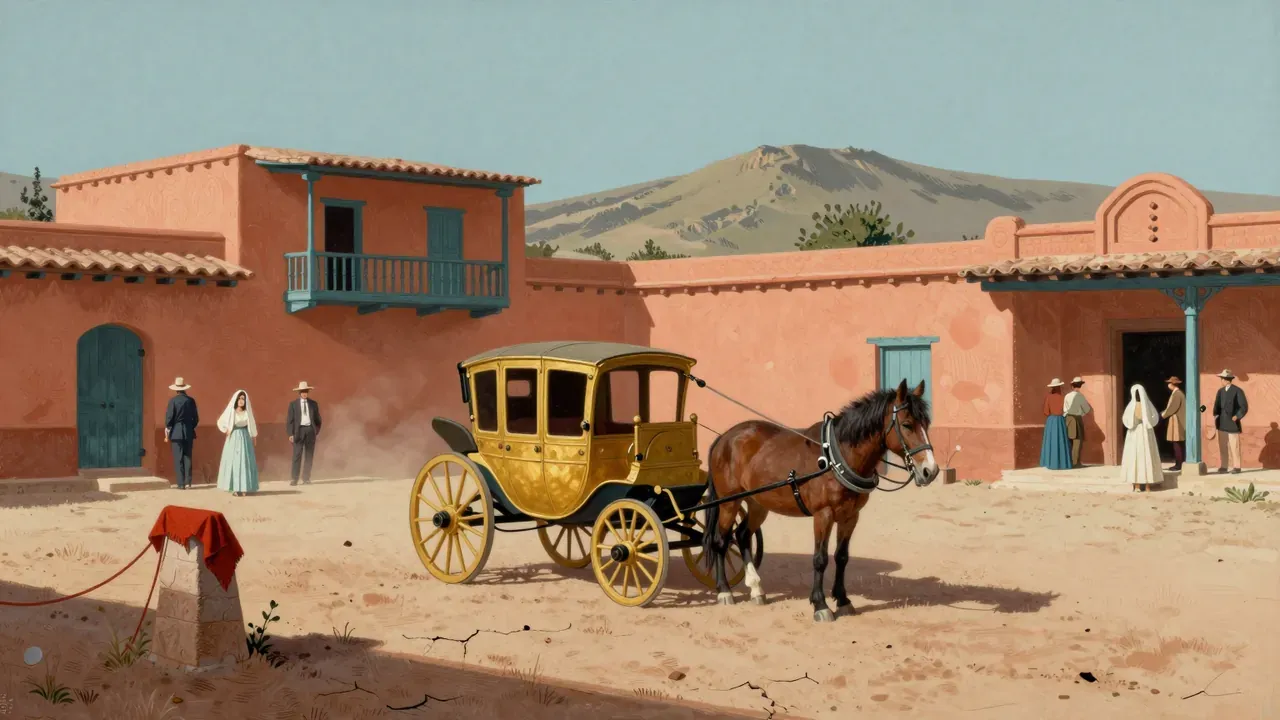
Jean Renoir’s 1952 film follows an Italian commedia troupe arriving in colonial Peru, where their performances intersect with the Viceroy’s court, local bullfighting culture, and a magnificent golden coach. Shot in Technicolor at Cinecittà, it uses Vivaldi’s music, Claude Renoir’s cinematography, and Anna Magnani’s precise performance to explore the porous boundary between acting and living — not as a critique of illusion, but as an affirmation of its necessity.

13:00

The River

Jean Renoir · 1951

Jean Renoir’s 1951 Technicolor drama, adapted from Rumer Godden’s novel, follows Harriet, an English teenager in colonial Bengal, as she navigates first love, sibling rivalry, and sudden loss. Shot on location in Calcutta with non-professional actors and muted, reflective cinematography by Claude Renoir, the film unfolds in unhurried, poetic episodes centred on the river as both setting and silent witness. Its power lies in restraint: in what is withheld, observed, and allowed to linger.

13:00

Toni

Jean Renoir · 1935

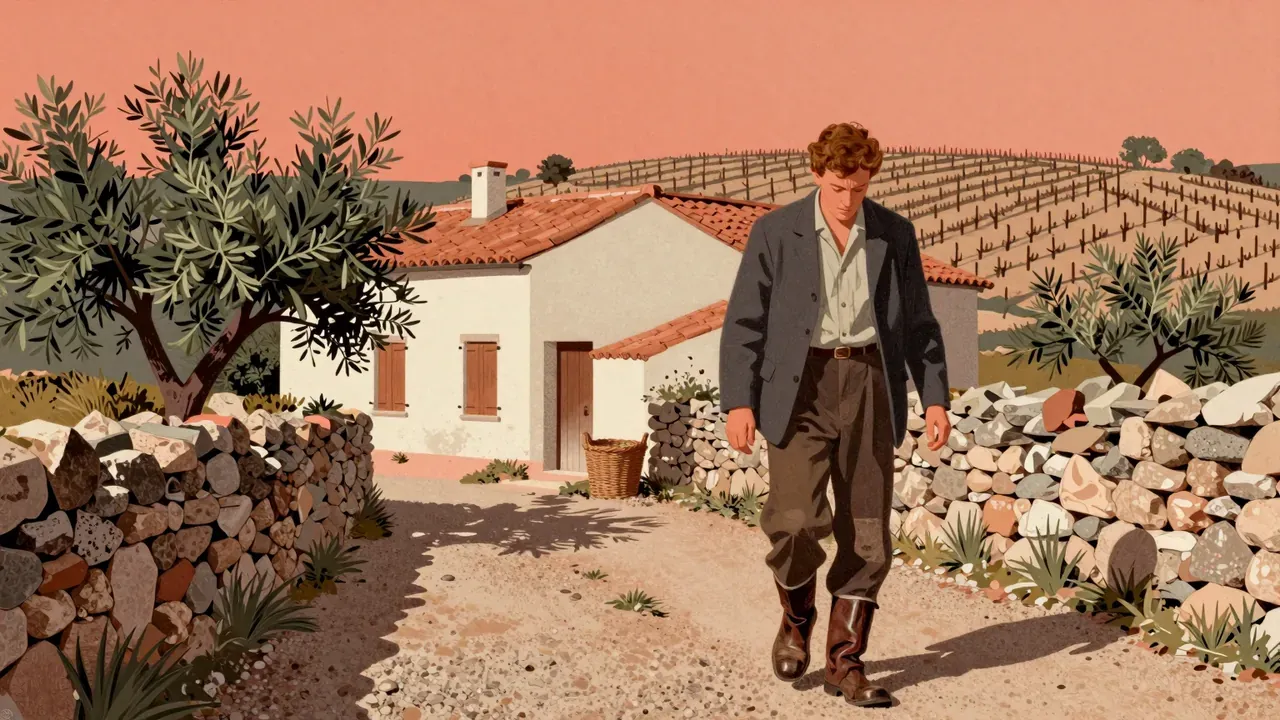
Jean Renoir’s 1935 Toni follows an Italian migrant in Provence as he navigates work, love and displacement among a mixed group of labourers. Shot entirely on location with non-professional actors, it uses restraint — in performance, editing and sound — to observe class, language and longing without commentary. Its influence on later movements is well documented, but its power lies in its quiet, unwavering attention to the material conditions of ordinary lives.

13:00

The Rules of the Game

Jean Renoir · 1939

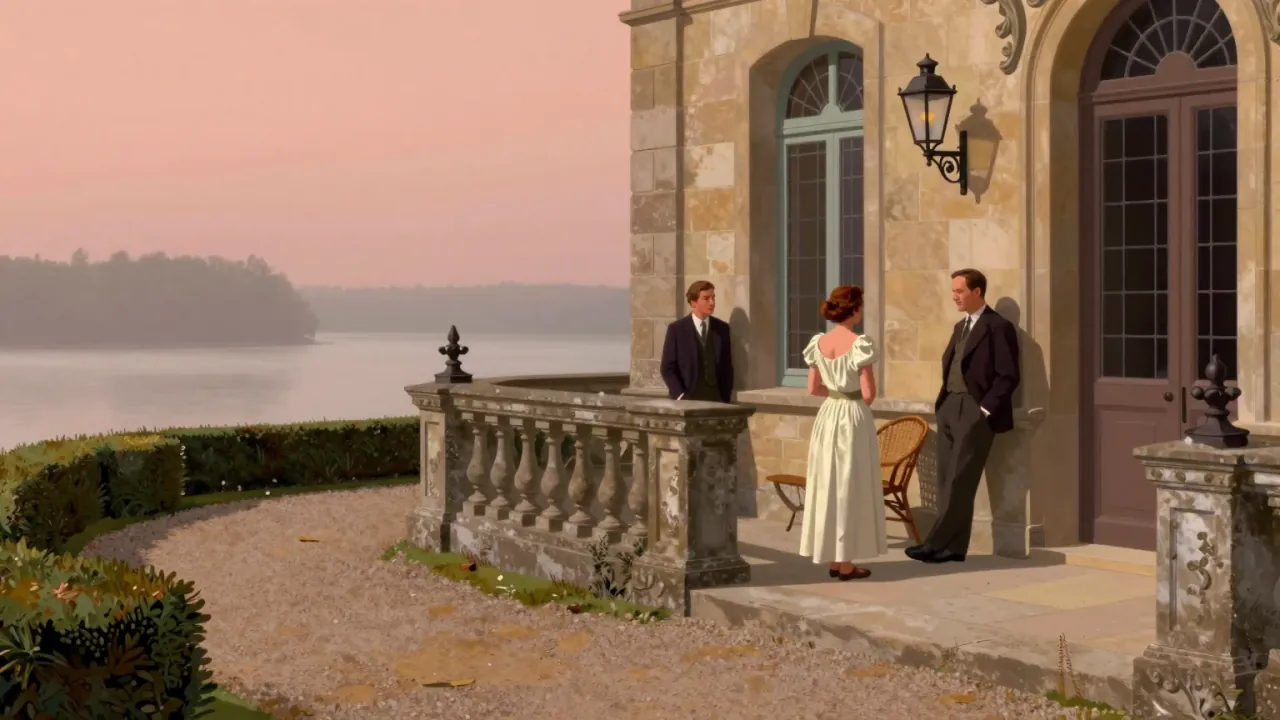
Jean Renoir’s 1939 ensemble drama follows aristocrats and servants over two days at a French château, using deep-focus cinematography, fluid camera movement, and layered sound to trace intersecting deceptions on the eve of war. Its formal rigour and moral clarity have made it a touchstone of arthouse cinema — though its deliberate pace and unexplained social codes demand patience and contextual awareness.