filmbriefs
Cinematographer

Asakazu Nakai

5
briefs
13:00
average
65 min
in total
On film.briefs5
13:00

Ran

Akira Kurosawa · 1985

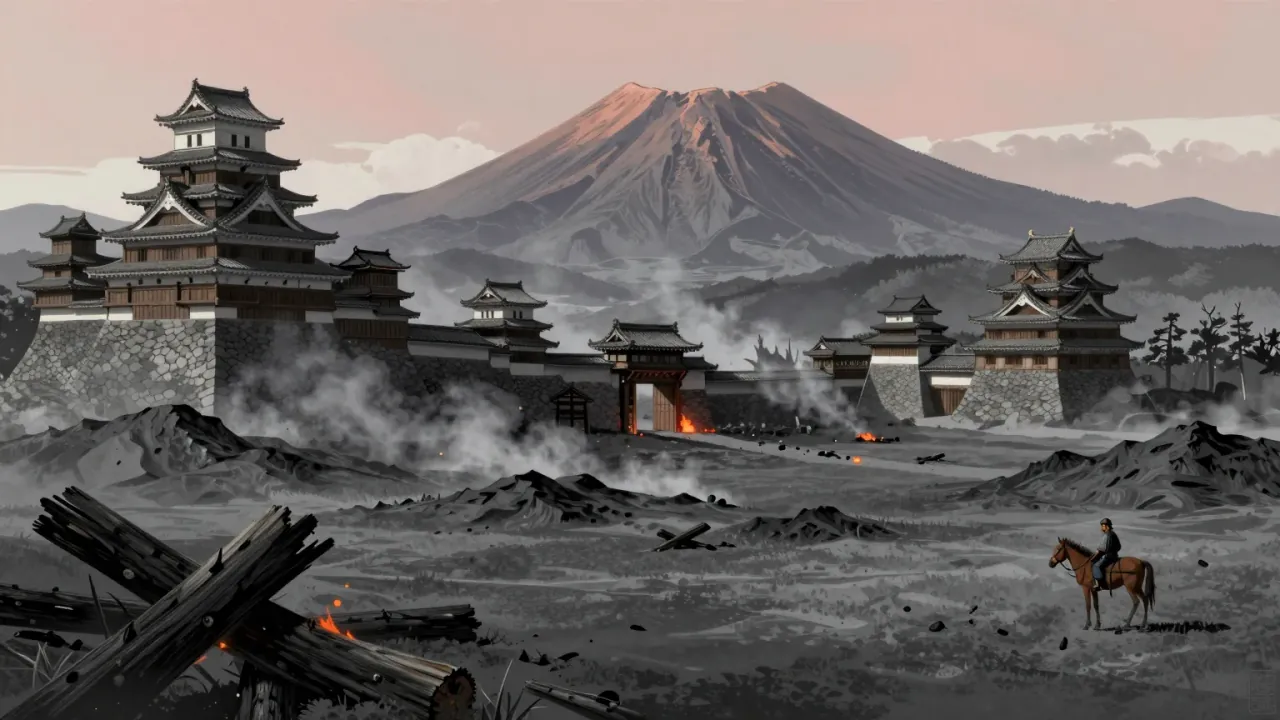
Akira Kurosawa’s 1985 epic reimagines King Lear as a Sengoku-period warlord’s collapse, grounded in Japanese history and his own artistic mortality. Shot across volcanic plains and ancient castles, it uses wide compositions, deliberate pacing, and Emi Wada’s award-winning costumes to build a world where chaos is not disorder but the inevitable residue of violence. With Tatsuya Nakadai’s monumental performance and Toru Takemitsu’s dissonant score, Ran sustains its 160-minute duration through material conviction rather than exposition — a film that trusts time, silence, and scale to carry meaning.

13:00

High and Low

Akira Kurosawa · 1963

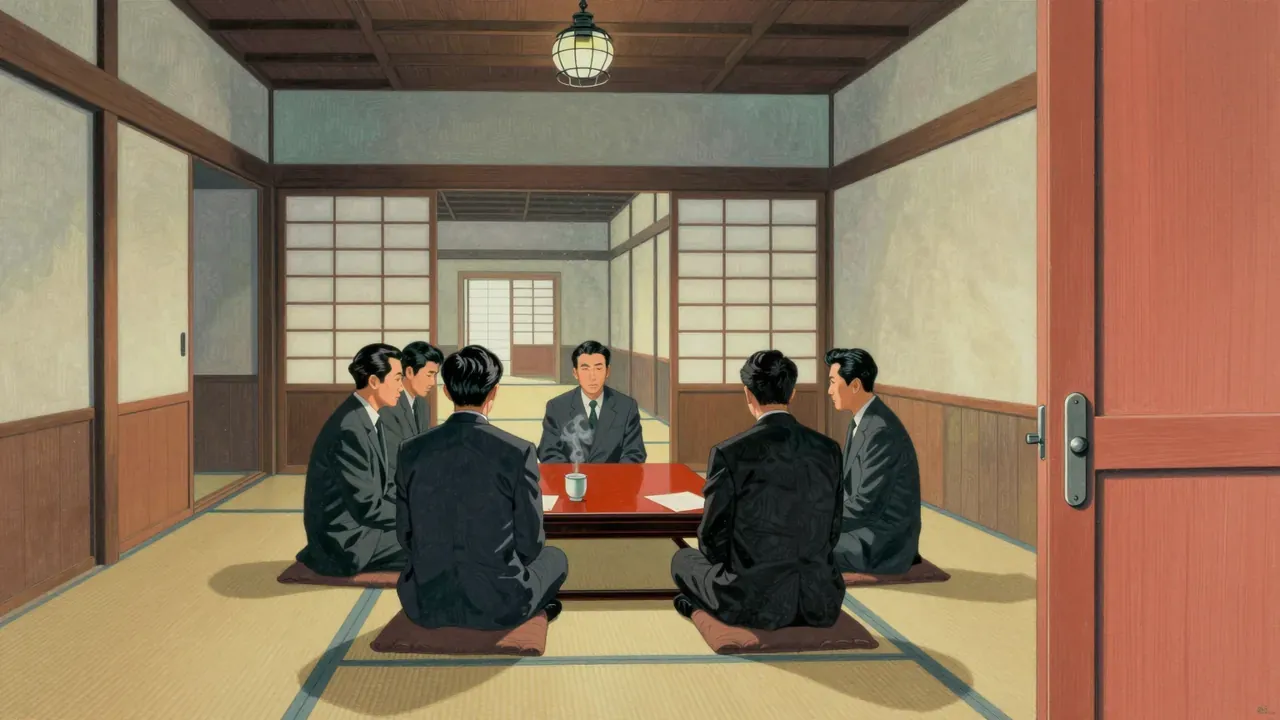
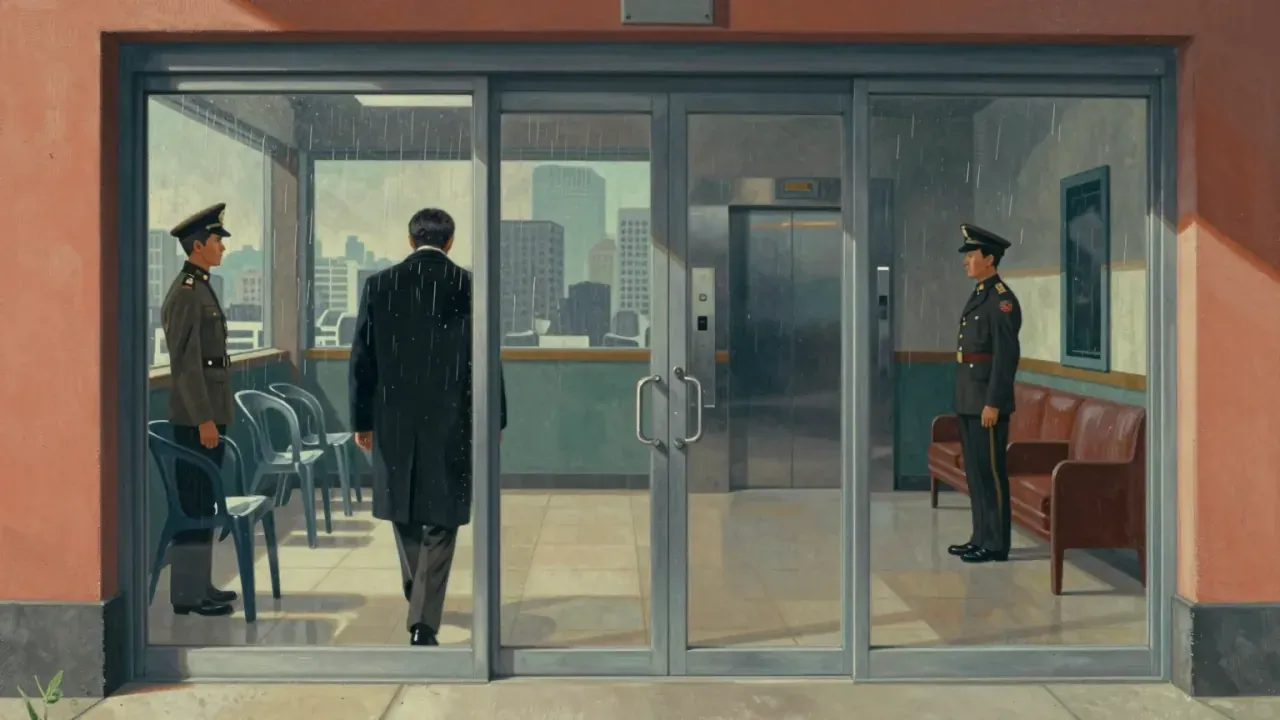
Akira Kurosawa’s 1963 film High and Low adapts Evan Hunter’s King’s Ransom into a stark, vertically structured drama about a businessman’s moral crisis after a kidnapping goes wrong. Shot in black and white by Asakazu Nakai and Takao Saito, it divides cleanly between Gondō’s elevated Yokohama home and the city’s slums, using space, lens, and editing to interrogate inequality, policing, and accountability. With Toshirō Mifune and Tsutomu Yamazaki in career-defining roles, it remains a benchmark of socially engaged genre filmmaking.

13:00

No Regrets for Our Youth

Akira Kurosawa · 1946

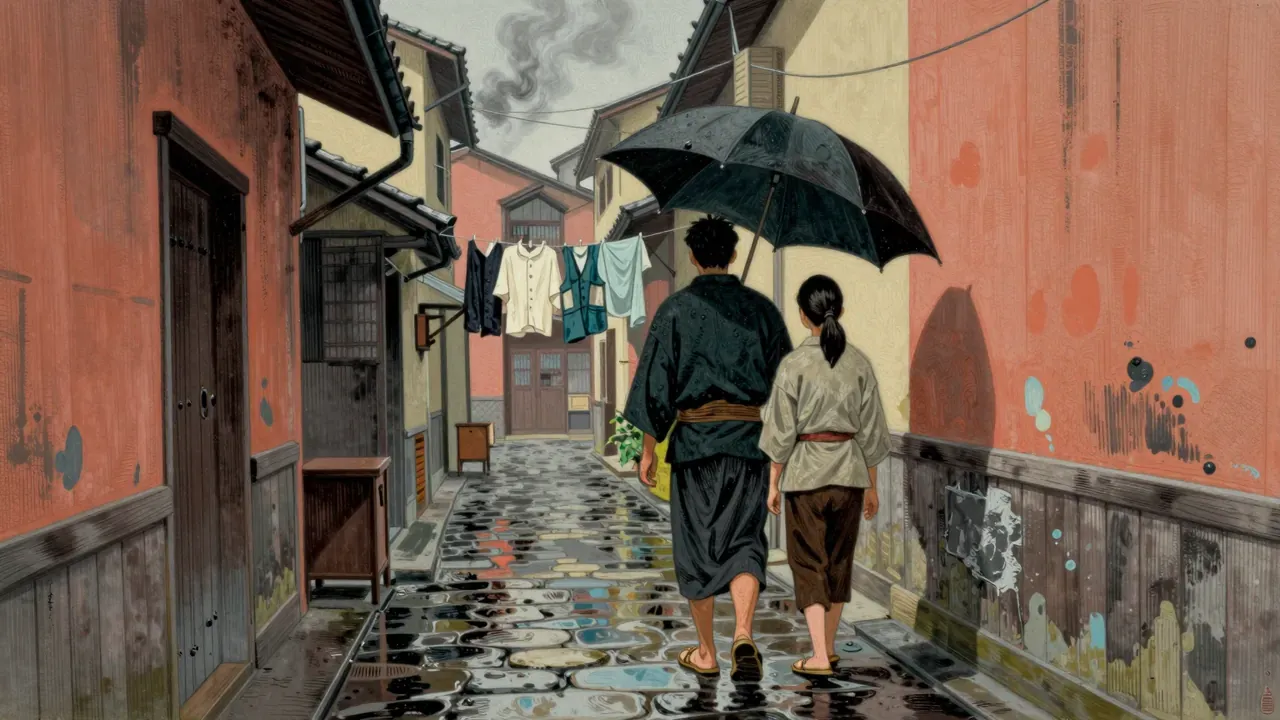
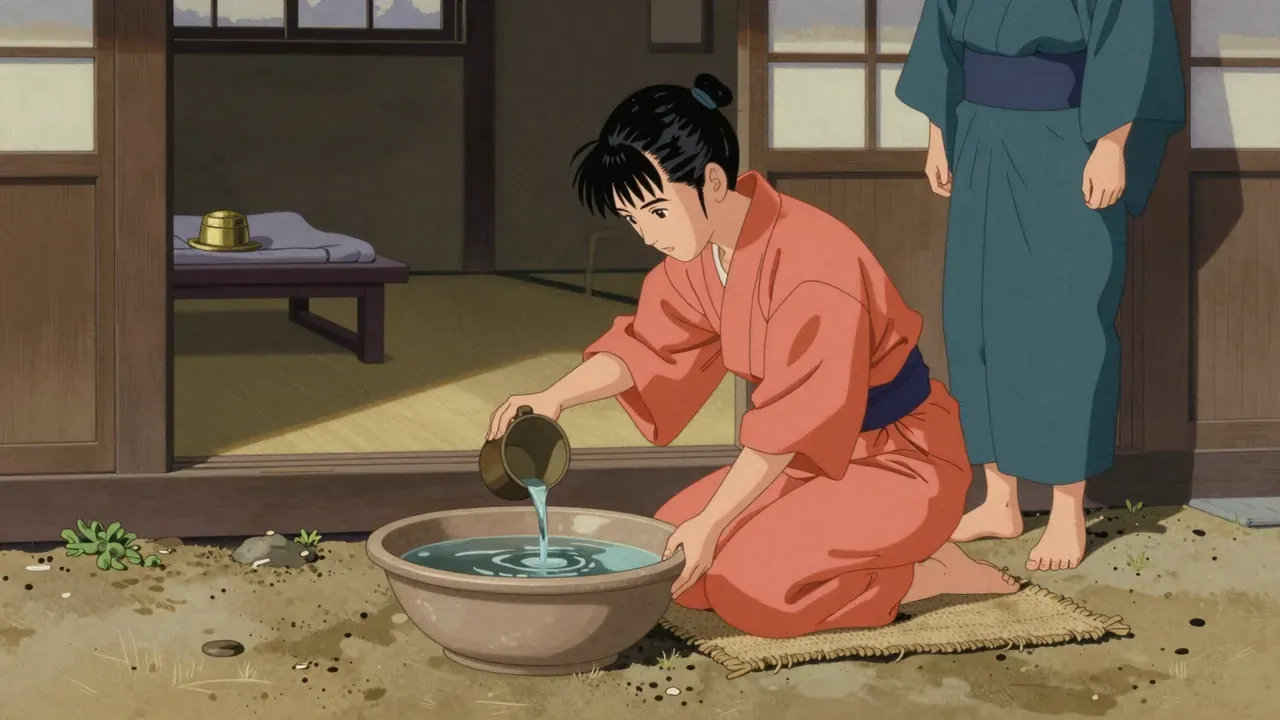
Akira Kurosawa’s 1946 drama follows Yukie Yagihara from Kyoto university protests through Tokyo survival to rural rice-field labour after her husband’s execution for anti-militarist activity. Made under Occupation guidelines, it avoids polemic in favour of embodied consequence: conviction is measured in calloused hands, not declarations. Setsuko Hara’s restrained performance, Asakazu Nakai’s flat naturalistic lighting, and Kurosawa’s unhurried editing build weight through duration. Though some early scenes feel schematic and its politics simplify historical fractures, its power lies in treating democracy as daily practice — silence, stamina, shared meals — not doctrine.

13:00

Stray Dog

Akira Kurosawa · 1949

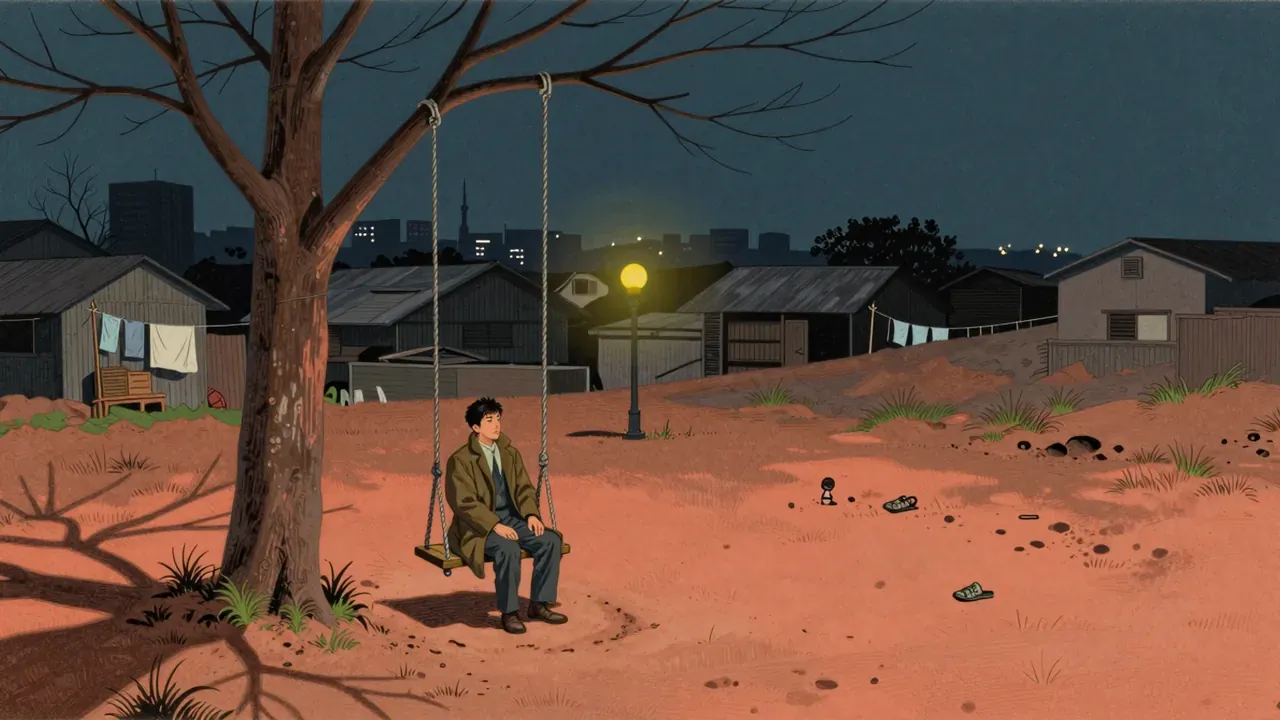
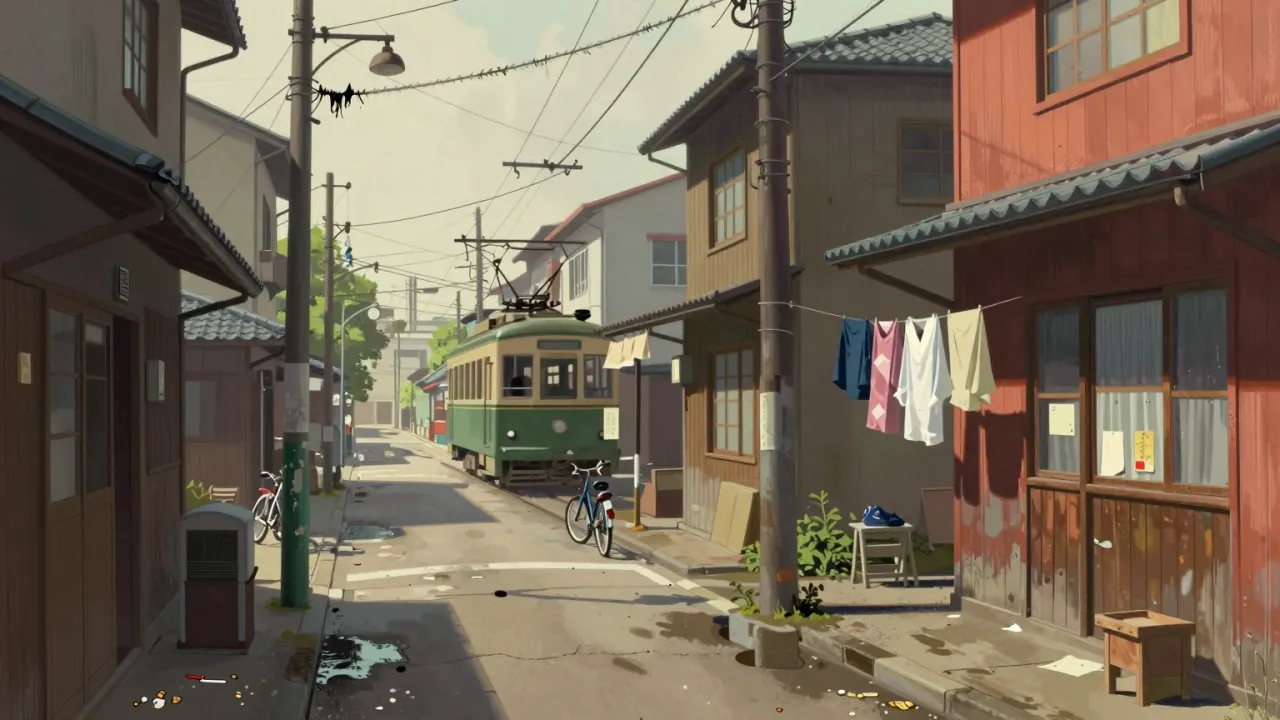
A young Tokyo detective loses his service pistol in a crowded trolley in the summer of 1949. With the help of a veteran colleague, he traces it through the city’s black markets, yakuza networks, and dance halls — not to deliver vengeance, but to understand how postwar desperation reshapes morality, authority, and the very idea of justice.

13:00

Seven Samurai

Akira Kurosawa · 1954

Akira Kurosawa's 1954 film follows a poor farming village that recruits seven masterless samurai, offering only food and shelter, to defend it against a bandit gang planning to return once the barley ripens. Shot by Asakazu Nakai across a punishing production that ran well over schedule, scored by Fumio Hayasaka and led by Toshiro Mifune and Takashi Shimura, the film ran to 207 minutes and cost 210 million yen, a large outlay for the period, before shaping the template that countless action and heist films have followed since.