filmbriefs
Director · Screenwriter · Producer · Actor · Composer · 1939

Francis Ford Coppola

10
briefs
13:00
average
130 min
in total
On film.briefs10
13:00

Rumble Fish

Francis Ford Coppola · 1983

Francis Ford Coppola’s 1983 adaptation of S. E. Hinton’s novel is a formally rigorous, high-contrast black-and-white fable about adolescent longing, imitation, and time. Starring Matt Dillon and Mickey Rourke, it treats Rusty James’s worship of his enigmatic brother as a ritual rather than a relationship — sustained by Stephen H. Burum’s expressionist cinematography and Stewart Copeland’s percussive, location-recorded score.
13:00

Kagemusha

Akira Kurosawa · 1980

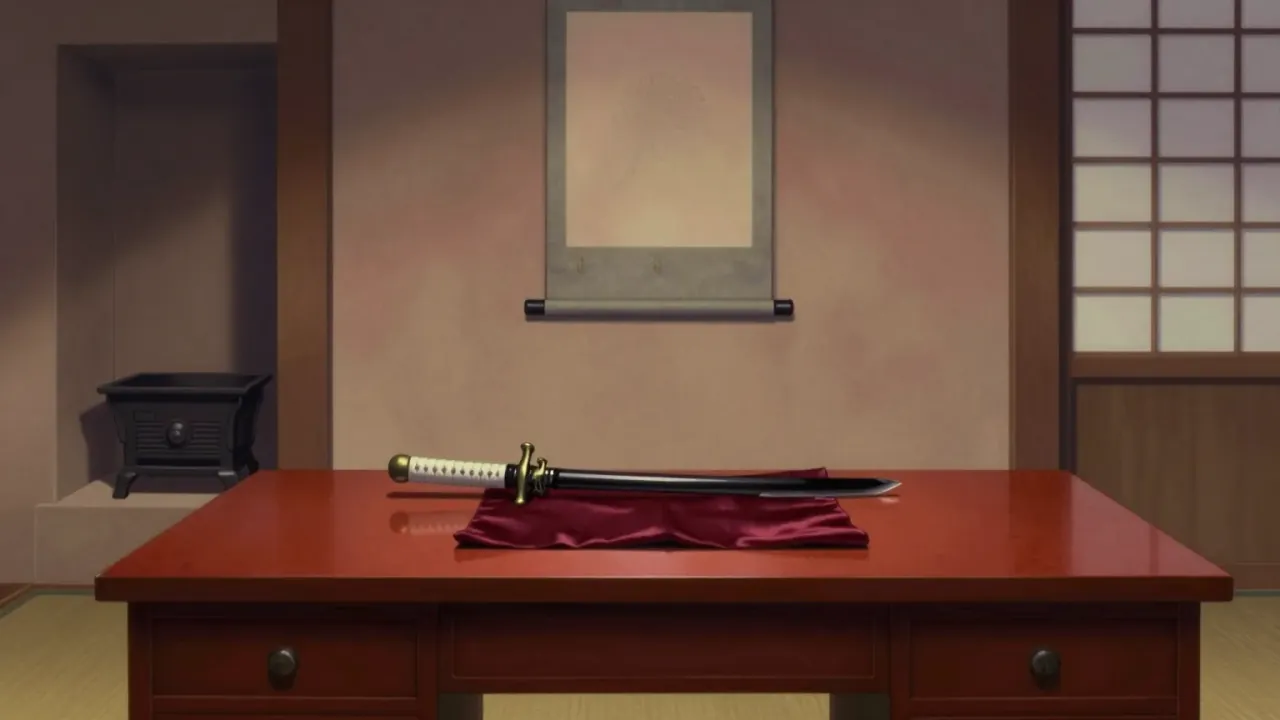
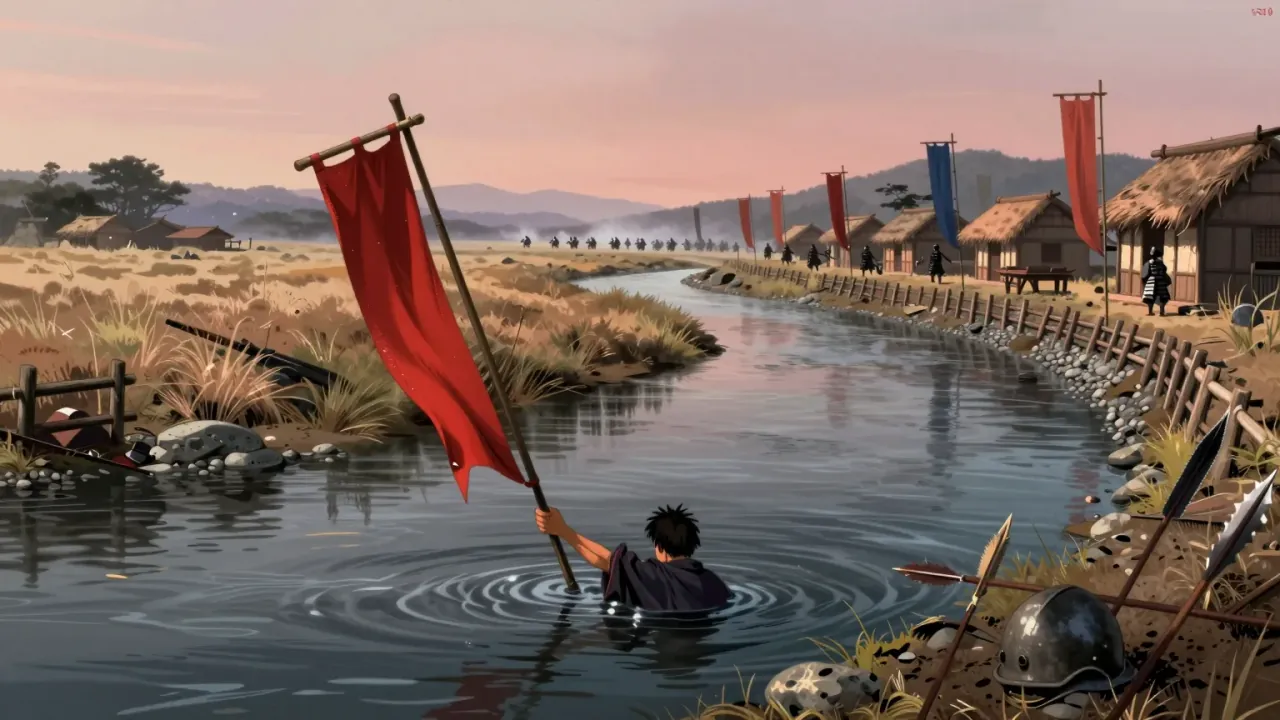
Akira Kurosawa’s 1980 epic follows a thief forced to impersonate the dying warlord Takeda Shingen to preserve clan stability. Shot in vivid colour and composed with rigorous symmetry, it traces the slow, fragile construction — and inevitable collapse — of political belief through gesture, silence, and shared illusion. Tatsuya Nakadai plays both men, distinguishing them not by voice or mannerism but by weight, stillness, and the space he occupies. The film ends at the Battle of Nagashino, where symbolism gives way to slaughter, and the kagemusha dies trying to retrieve a fallen banner.

13:00

Marie Antoinette

Sofia Coppola · 2006

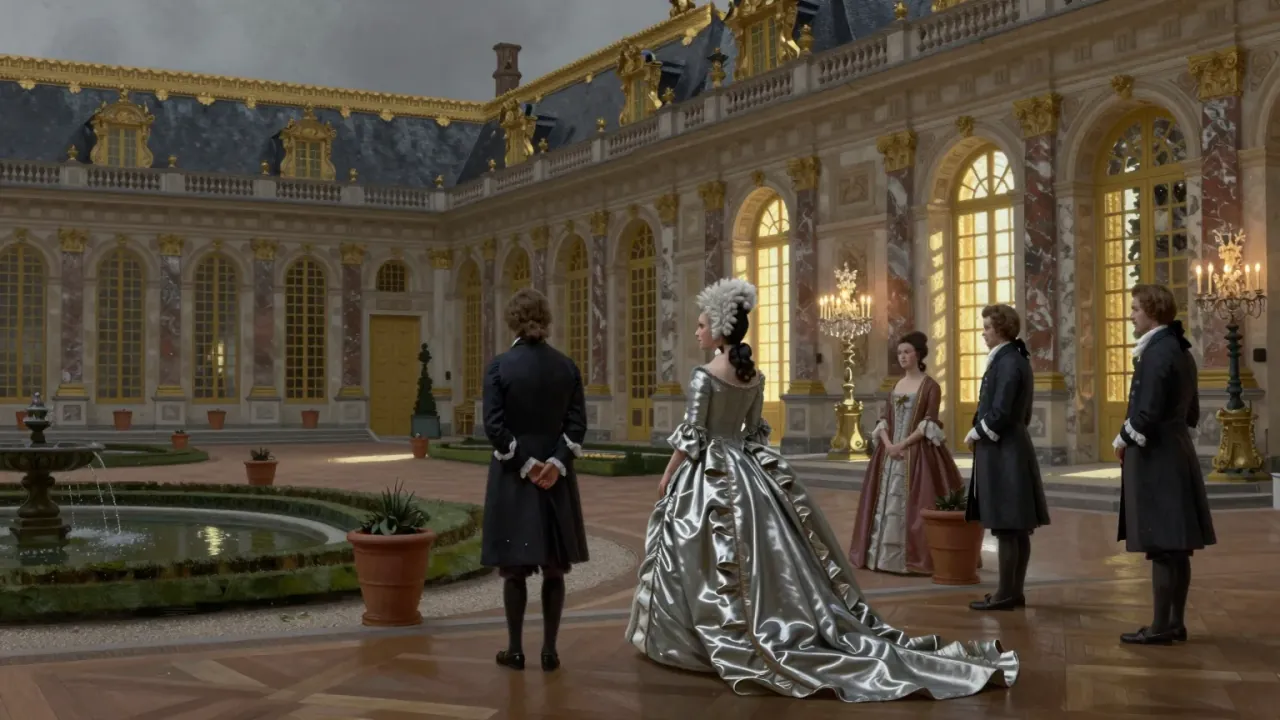
Sofia Coppola’s 2006 Marie Antoinette reimagines the queen’s early life as a study in isolation and performance, using Kirsten Dunst’s restrained presence, Milena Canonero’s Oscar-winning costumes, and a daring anachronistic soundtrack to evoke emotional rather than historical truth. Shot with deliberate softness and edited for rhythm over exposition, it omits political context to focus on interiority — making Versailles feel less like a palace and more like a gilded institution for girls.

13:00

Mishima: A Life in Four Chapters

Paul Schrader · 1985

Paul Schrader’s 1985 film interweaves Yukio Mishima’s final day with biographical flashbacks and dramatisations of three of his novels, organised into four colour-coded chapters. Shot in Japan with a rigorous visual syntax, it privileges form over exposition, using John Bailey’s cinematography, Philip Glass’s score and Eiko Ishioka’s production design to render Mishima’s aesthetic absolutism as cinematic grammar. It was banned in Japan until 2025.

13:00

Sleepy Hollow

Tim Burton · 1999

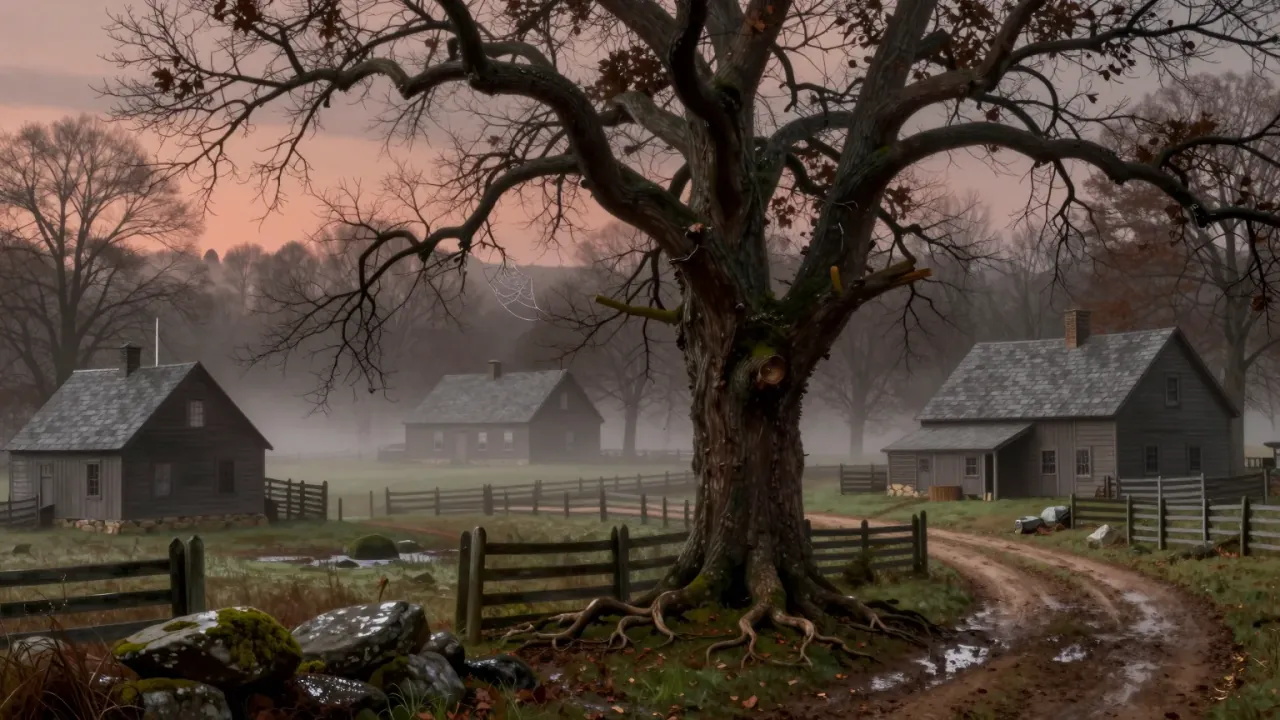
Tim Burton’s 1999 Sleepy Hollow reimagines Washington Irving’s tale as a painterly, studio-crafted horror fable. Johnny Depp plays Ichabod Crane, a forensic-minded constable investigating decapitations in an insular Hudson Valley village. With Emmanuel Lubezki’s moody cinematography, Rick Heinrichs’ Oscar-winning production design, and Danny Elfman’s brooding score, the film builds dread through saturated colour, deliberate artifice and tactile detail — not plot mechanics or psychological realism. Its strengths are visual and atmospheric; its weaknesses lie in structural looseness and underdeveloped relationships. It rewards patience with mood over momentum.

13:00

The Virgin Suicides

Sofia Coppola · 1999

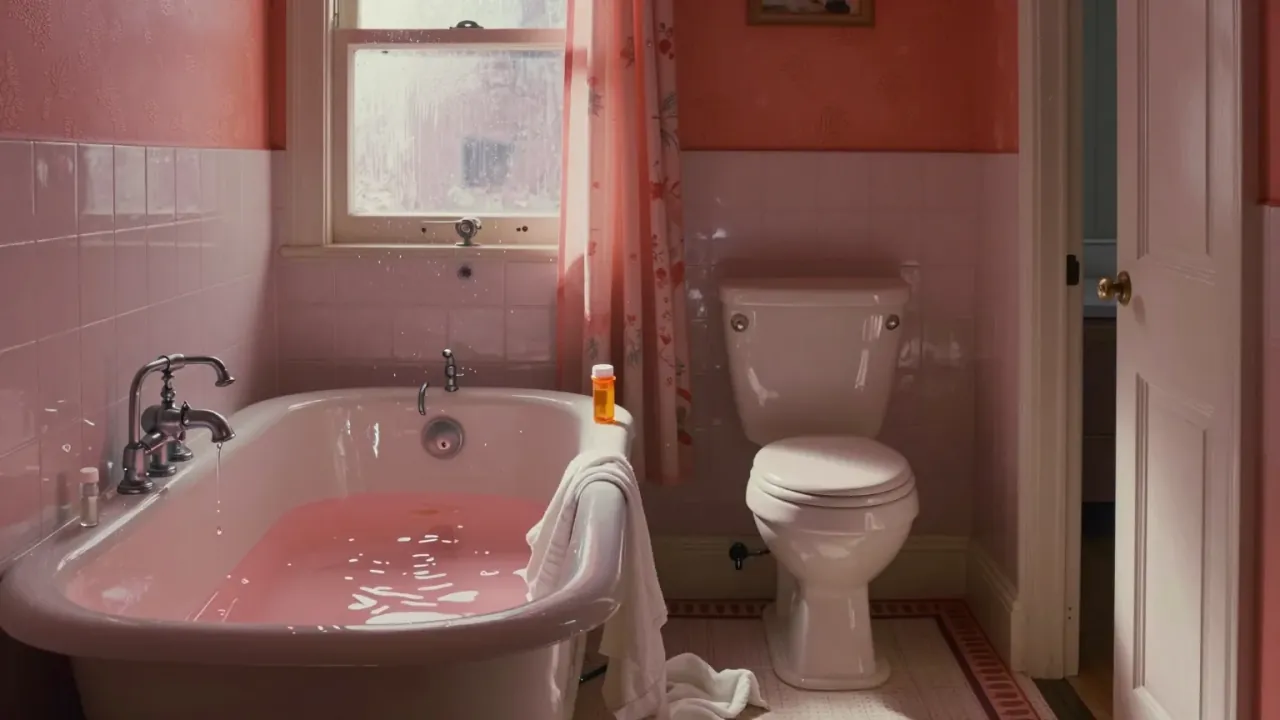
Sofia Coppola’s 1999 debut adapts Jeffrey Eugenides’ novel into a hushed, amber-toned portrait of five teenage sisters in 1970s Detroit, observed from afar by neighbourhood boys. Shot by Edward Lachman and scored by Air, it builds mood through stillness, soft focus, and restrained performance — especially Kirsten Dunst’s Lux — avoiding psychology, exposition, or catharsis. Its power lies in what it withholds.

13:00

Apocalypse Now

Francis Ford Coppola · 1979

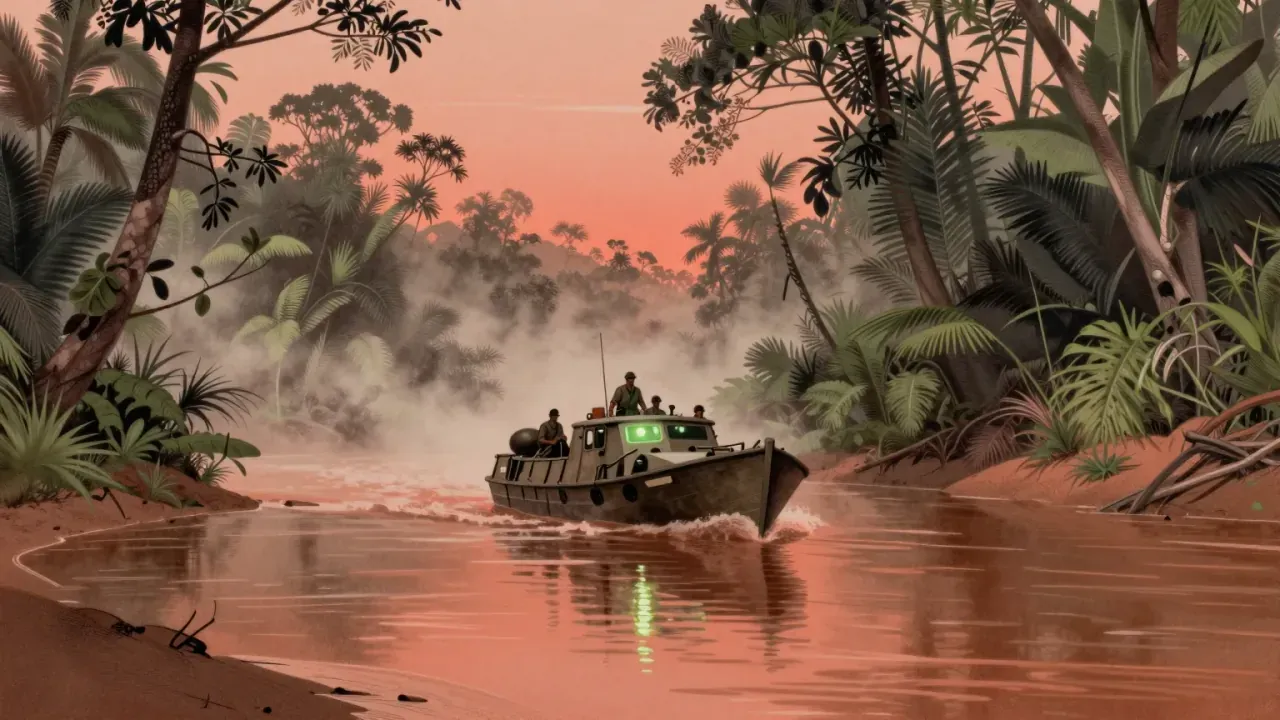
Francis Ford Coppola's 1979 film relocates Joseph Conrad's Heart of Darkness to the Vietnam War, sending Captain Willard up a river into Cambodia to assassinate Colonel Kurtz, a decorated officer who has gone rogue and established himself as a warlord among a private army. Shot by Vittorio Storaro on a production in the Philippines that ran a year over schedule, battered by a typhoon, a leading actor's heart attack and an unprepared, overweight Marlon Brando, it premiered unfinished at Cannes to win the Palme d'Or, and later took home Oscars for cinematography and sound on a budget of $31.5 million against an $83.5 million return.

13:00

The Conversation

Francis Ford Coppola · 1974

Gene Hackman plays a wiretap specialist convinced his latest recording documents a murder he's enabling, in Coppola's Palme d'Or-winning thriller that arrived just months before Watergate made its premise feel prophetic rather than speculative.

13:00

The Godfather

Francis Ford Coppola · 1972

Francis Ford Coppola's 1972 adaptation of Mario Puzo's novel follows the Corleone family as the youngest son, Michael, is pulled from war-hero outsider into the head of an organised-crime dynasty. Shot by Gordon Willis in interiors so underlit that faces disappear into shadow, scored by Nino Rota, and built on an ensemble led by Marlon Brando and Al Pacino, it cost Paramount $7 million and returned over $268 million, and swept that year's Best Picture, Best Actor and Best Adapted Screenplay Oscars.

13:00

The Godfather Part II

Francis Ford Coppola · 1974

Francis Ford Coppola's 1974 sequel cuts between young Vito Corleone's immigrant rise in early-twentieth-century New York, played by Robert De Niro, and Michael Corleone's ruthless consolidation of the family's power a generation later, played again by Al Pacino. Gordon Willis returns as cinematographer and Nino Rota as composer, on a budget of $13 million against a $48 million take, and the film won six Oscars including Best Picture and Best Director, an unusual feat for a sequel.