filmbriefs
Actor · Screenwriter · 1914–2000

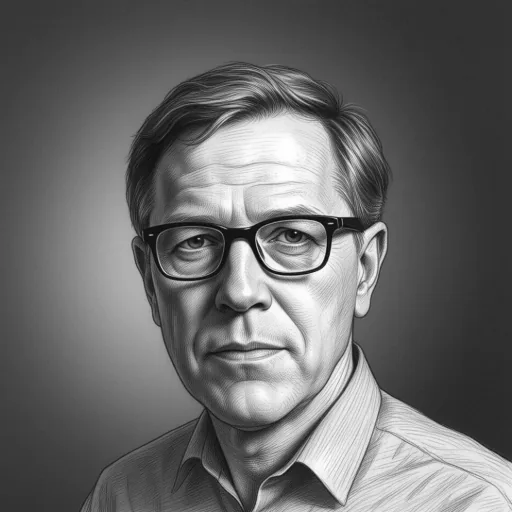
Alec Guinness

11
briefs
13:00
average
143 min
in total
On film.briefs11
13:00

Kind Hearts and Coronets

Robert Hamer · 1949

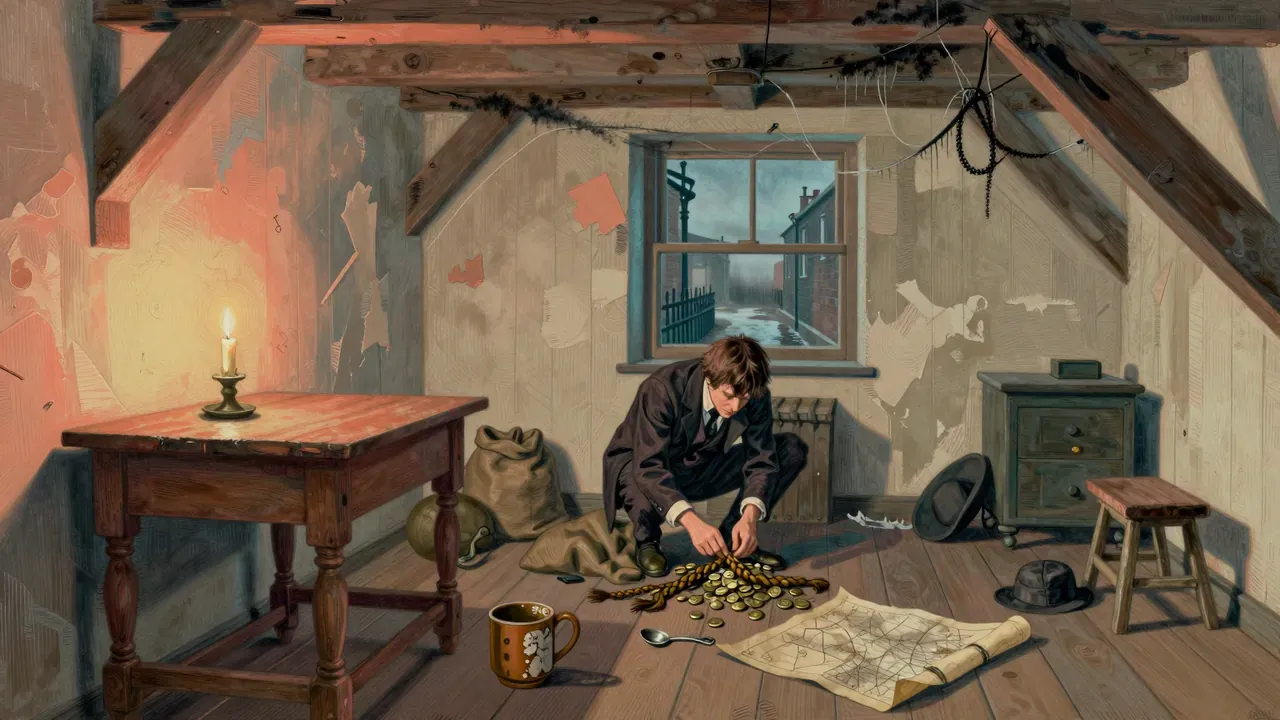
Kind Hearts and Coronets (1949), directed by Robert Hamer for Ealing Studios, follows Louis Mazzini’s calm, calculated elimination of eight aristocratic relatives to claim a dukedom. Dennis Price narrates with detached elegance; Alec Guinness plays all eight victims with subtle, precise differentiation. Douglas Slocombe’s cinematography and Ernest Irving’s Mozart-infused score sustain a tone of immaculate, unsettling decorum. Loosely adapted from Roy Horniman’s Israel Rank, the film sharpens its source into a satire of class, legitimacy, and performative Englishness — dry, controlled, and morally unmoored.
13:00

Last Holiday

Henry Cass · 1950

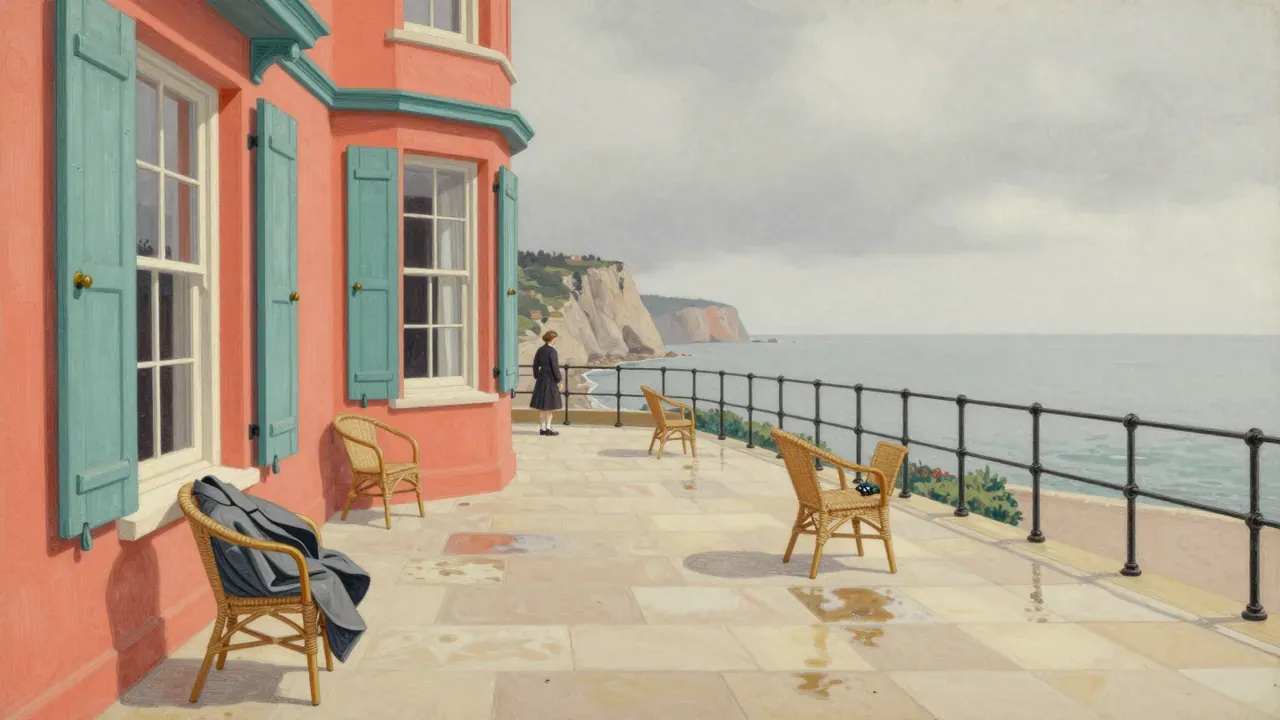
Last Holiday (1950), directed by Henry Cass and written by J. B. Priestley, follows George Bird, a salesman misdiagnosed with a fatal illness, who spends his supposed final days posing as an aristocrat at a seaside hotel. Alec Guinness anchors a restrained, observant comedy-drama about identity, class performance, and the dignity of ordinary life — though its abrupt, fatalist ending remains contested.

13:00

Oliver Twist

David Lean · 1948

David Lean’s 1948 Oliver Twist is a tightly controlled, visually rich adaptation of Dickens’s novel, notable for Guy Green’s cinematography, Alec Guinness’s controversial portrayal of Fagin, and its unflinching depiction of institutional cruelty. Though acclaimed for its craft and ranked among the greatest British films, its reliance on antisemitic visual tropes has drawn sustained criticism since release — leading to bans, edits, and protests. It remains essential viewing, not despite its flaws, but because they are so deeply embedded in its form and purpose.

13:00

The Horse's Mouth

Ronald Neame · 1958

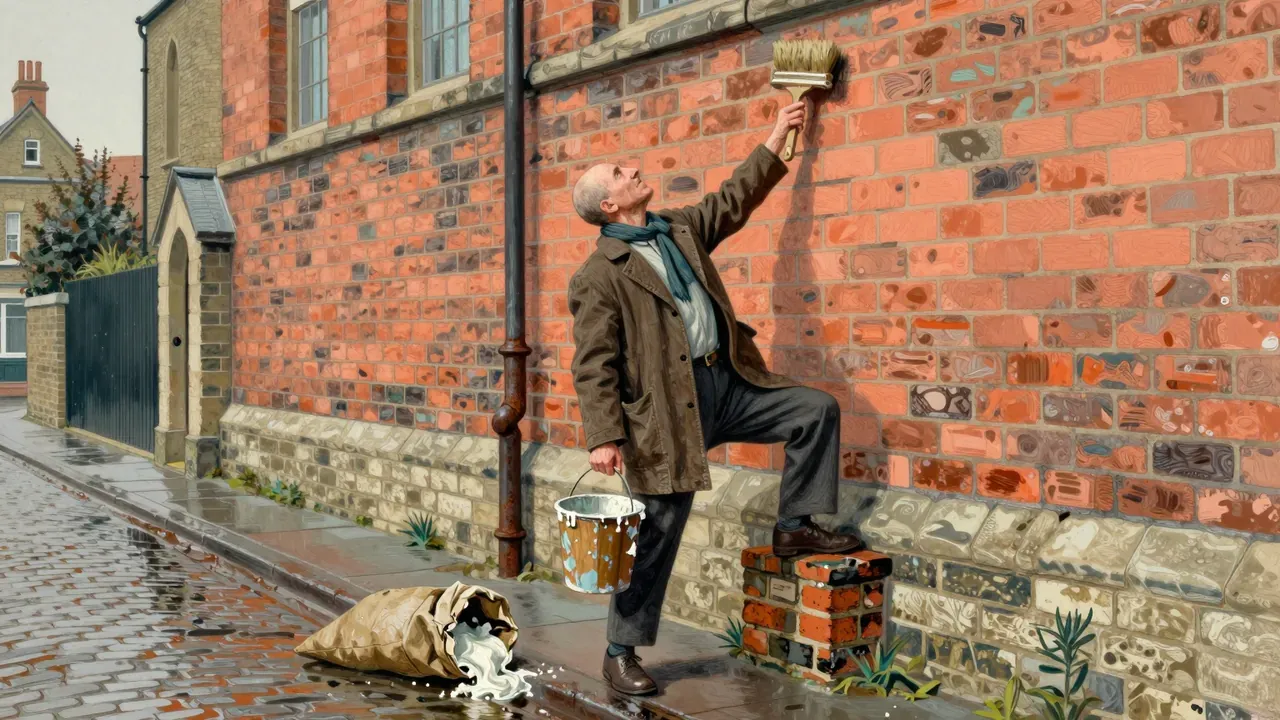
Ronald Neame’s 1958 adaptation of Joyce Cary’s novel stars Alec Guinness as Gulley Jimson, a chaotic, indomitable painter who treats London as his canvas and everyone in it as raw material. Written by Guinness, shot in Technicolor by Arthur Ibbetson, and edited with restless precision by Anne V. Coates, it is a performance-driven, physically urgent portrait of creation as compulsion — flawed in its simplifications, but unforgettable in its energy.

13:00

Tunes of Glory

Ronald Neame · 1960

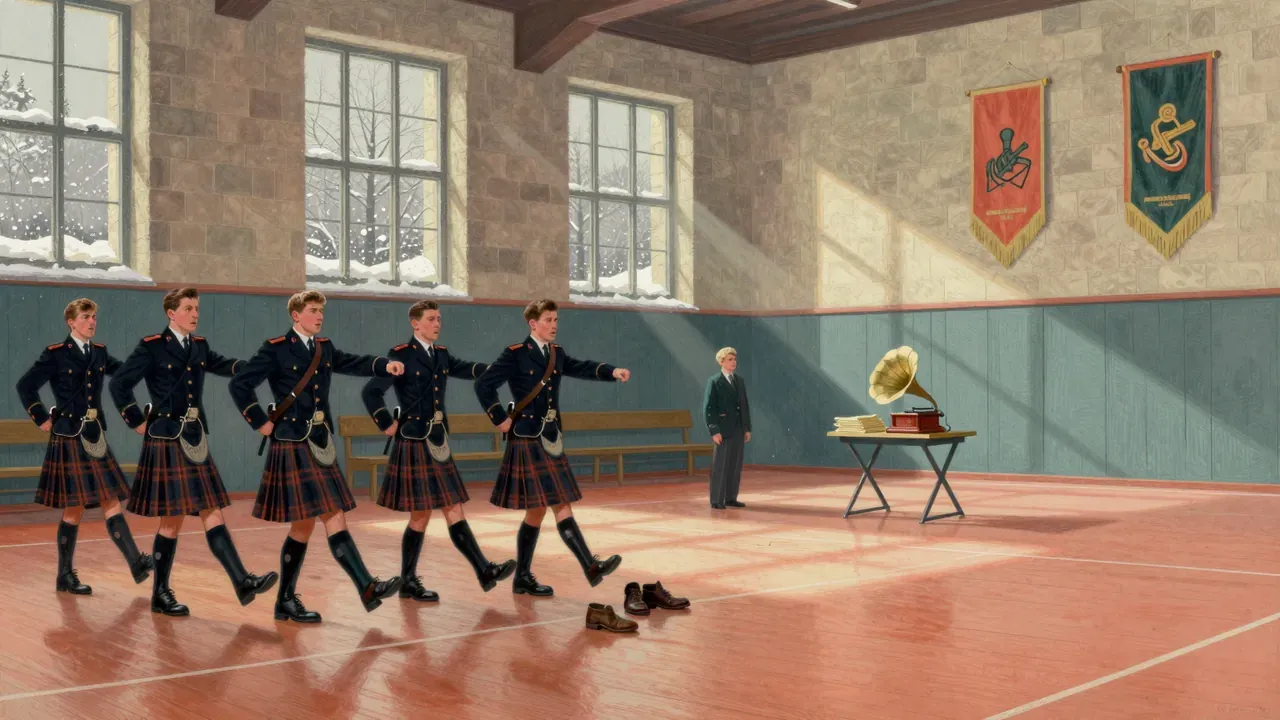
Set in a Highland regimental barracks in January 1948, Tunes of Glory follows the fraught handover of command from battle-hardened Lieutenant-Colonel Jock Sinclair to Oxford-educated Colonel Basil Barrow. As Barrow enforces peacetime discipline, Sinclair’s authority unravels, exposing fault lines of class, trauma, and institutional loyalty. Directed by Ronald Neame from James Kennaway’s novel, the film relies on restrained performances, tightly controlled cinematography, and Malcolm Arnold’s austere pipe-led score to build psychological pressure without melodrama.

13:00

Doctor Zhivago

David Lean · 1965

David Lean’s 1965 adaptation of Pasternak’s novel follows physician-poet Yuri Zhivago across Russia’s collapse, centring his love for Lara amid revolution and war. Filmed mostly in Spain with Freddie Young’s wintry cinematography and Maurice Jarre’s iconic score, it prioritises atmosphere and endurance over exposition or ideology. Though criticised for length and historical vagueness, its tactile realism and emotional restraint have secured its place as a benchmark of romantic epic filmmaking.

13:00

Great Expectations

David Lean · 1946

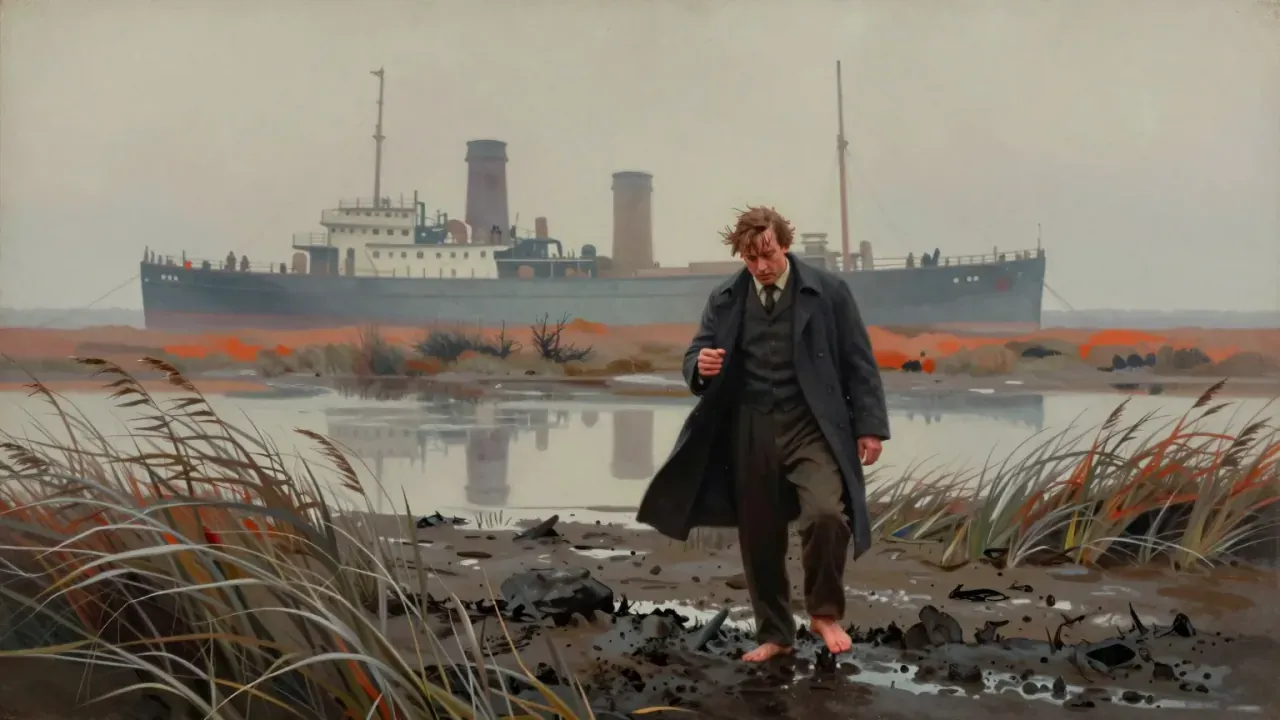
David Lean’s 1946 adaptation of Great Expectations condenses Dickens’s novel into a tightly composed black-and-white drama. Shot by Guy Green and designed by John Bryan and Wilfred Shingleton, it uses setting, light and restraint to convey Pip’s moral education and the corrosive legacy of class and abandonment. Though some psychological nuance is lost in compression, its formal discipline and emotional precision have secured its status as a landmark of British cinema.

13:00

Lawrence of Arabia

David Lean · 1962

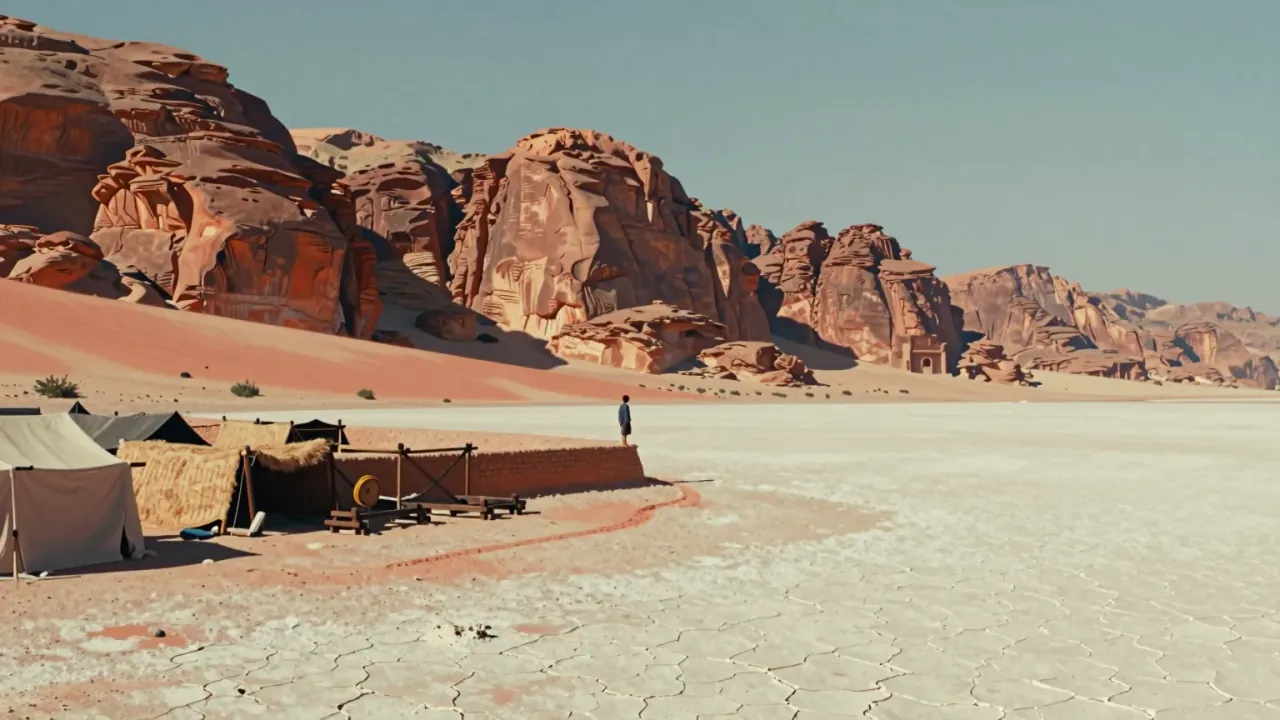
David Lean’s 1962 epic follows T. E. Lawrence’s immersion in the Arab Revolt during the First World War. Peter O'Toole stars in a performance defined by restraint and volatility, supported by Freddie Young’s monumental Super Panavision 70 cinematography and Maurice Jarre’s evocative score. The film prioritises atmosphere over exposition, using vast, still landscapes to chart internal collapse and reinvention. Though rooted in history, it functions as a psychological portrait — of identity, allegiance and the cost of translation between worlds.

13:00

The Bridge on the River Kwai

David Lean · 1957

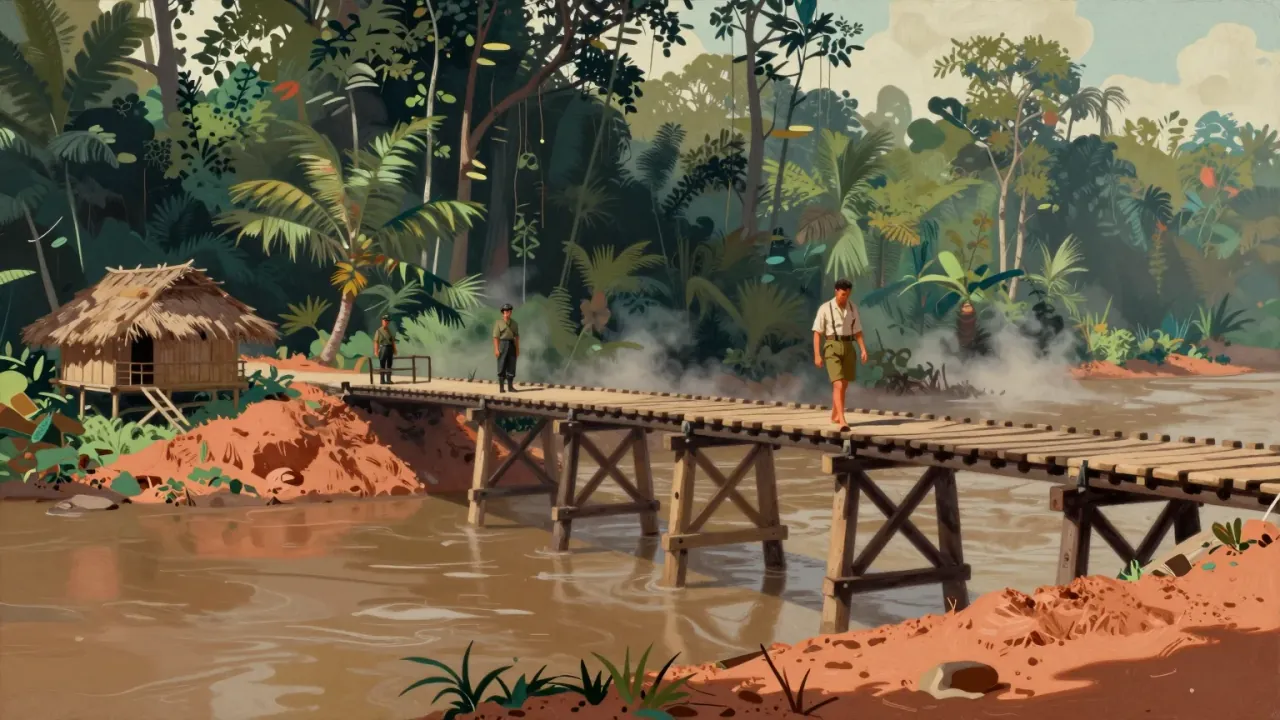
David Lean’s 1957 war drama follows British POWs forced to build a railway bridge for their Japanese captors in Thailand. At its centre is Colonel Nicholson, whose obsession with discipline and engineering excellence leads him to collaborate with the enemy — not out of weakness, but conviction. With Alec Guinness, William Holden and Sessue Hayakawa, it is a tightly wound study of pride, obedience and the porous line between order and complicity.

13:00

Star Wars: Episode IV – A New Hope

George Lucas · 1977

George Lucas's 1977 space opera sends farm boy Luke Skywalker into a rebellion against the Galactic Empire after he acquires stolen plans for a planet-destroying superweapon, teaming with smuggler Han Solo, Princess Leia and Jedi master Obi-Wan Kenobi. Made for $11 million after multiple studios turned the project down, it became a surprise blockbuster, grossing $775 million across its releases, winning six Academy Awards, and establishing the modern template for franchise filmmaking.

13:00

Star Wars: Episode V – The Empire Strikes Back

Irvin Kershner · 1980

Irvin Kershner's 1980 sequel sends the Rebel Alliance into retreat as the Galactic Empire hunts them down, splitting Luke Skywalker's training under Jedi master Yoda from Han Solo and Princess Leia's flight from Darth Vader's forces. Written by Leigh Brackett and Lawrence Kasdan from George Lucas's story outline, it went well over its original $8 million budget to a reported $30.5 million, became the year's highest-grossing film, and is now widely regarded as the strongest entry in the Star Wars series.