filmbriefs
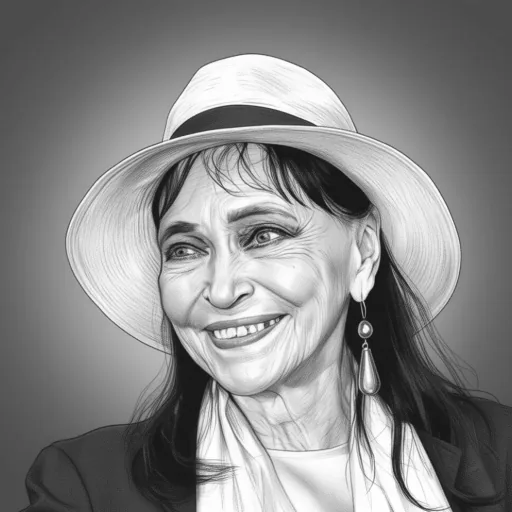
Actor · 1940–2019

Anna Karina

7
briefs
13:00
average
91 min
in total
On film.briefs7
13:00

A Woman Is a Woman

Jean-Luc Godard · 1961

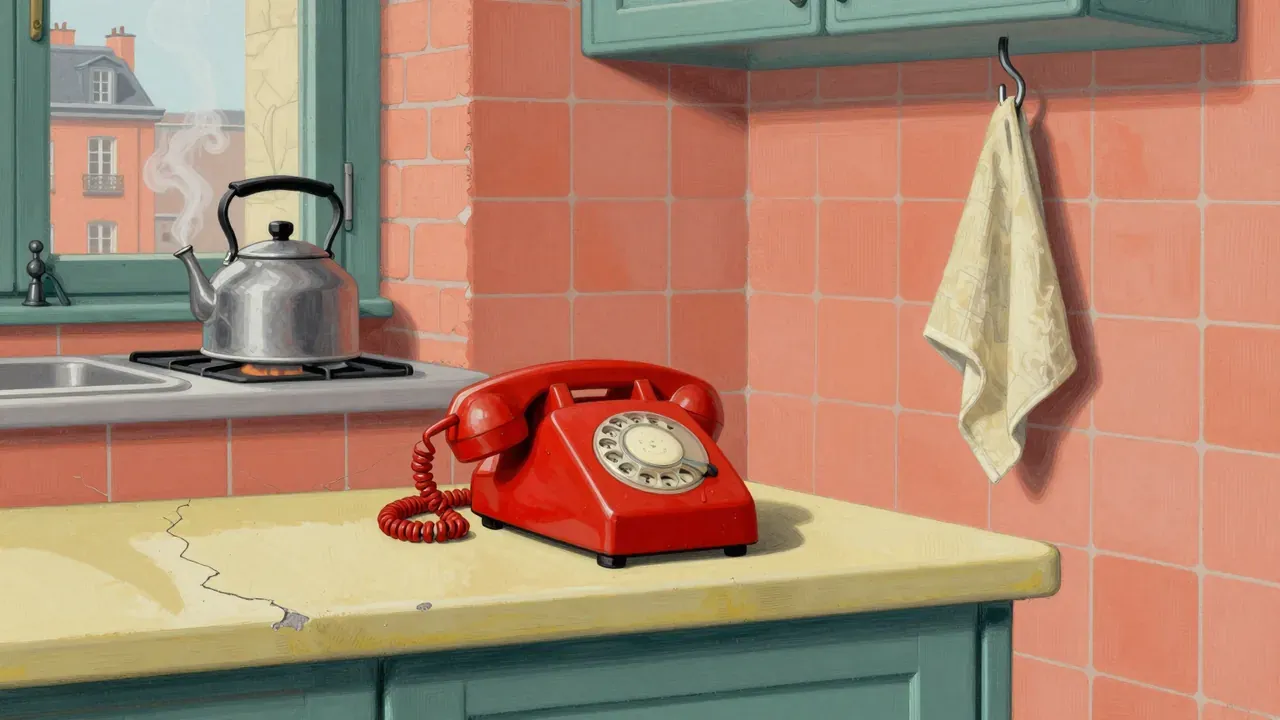
Jean-Luc Godard’s 1961 colour debut is a self-aware, formally restless romantic comedy starring Anna Karina as Angéla, an exotic dancer determined to have a child. Shot in Paris by Raoul Coutard and scored by Michel Legrand, it uses musical interludes, abrupt edits, and stylised dialogue to interrogate genre conventions, gender roles, and the language of desire — all without relinquishing its wit or warmth.
13:00

Alphaville

Jean-Luc Godard · 1965

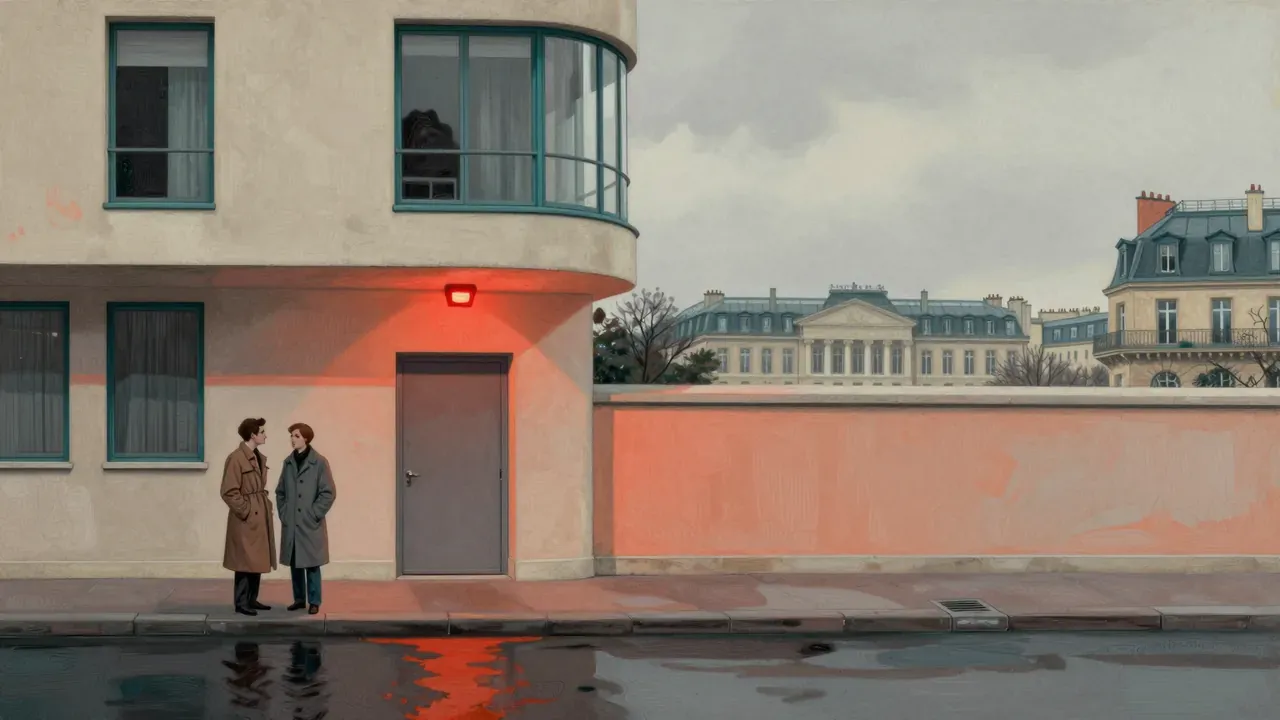
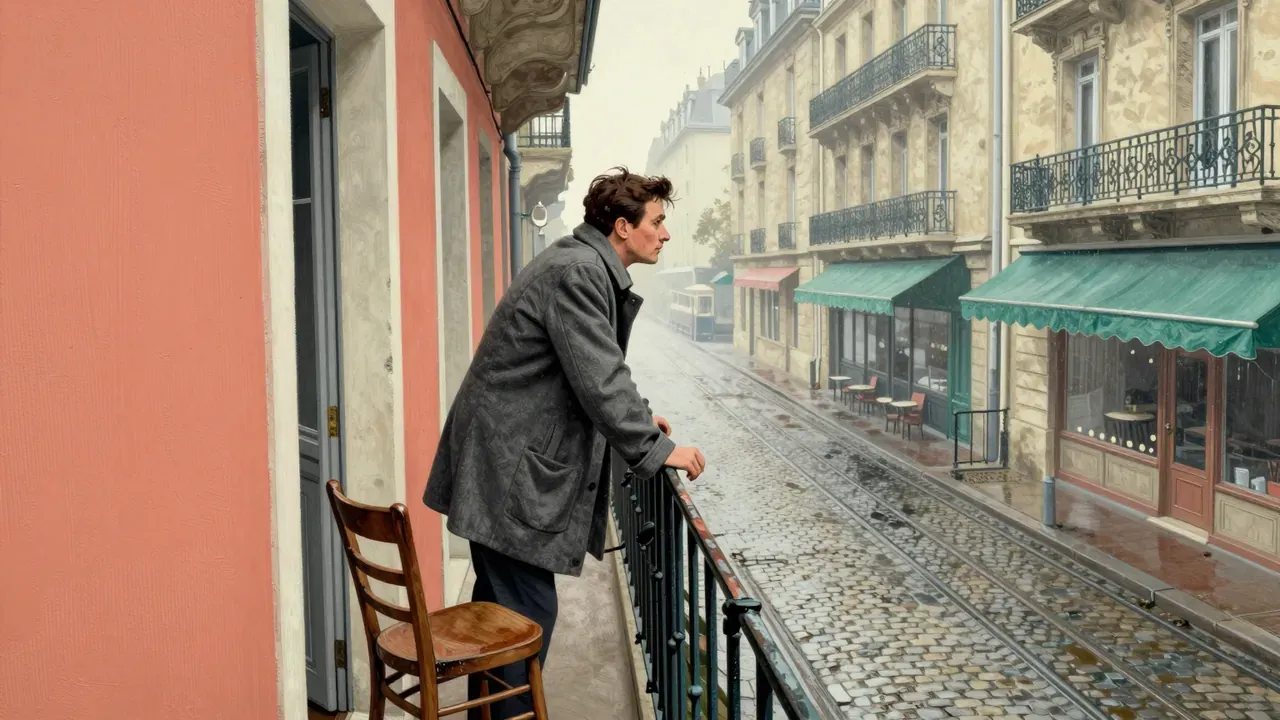
Jean-Luc Godard’s 1965 Alphaville transplants American detective Lemmy Caution into a nameless, near-future city ruled by Alpha 60, a sentient computer that bans emotion, poetry, and questioning. Shot on real Paris locations with no futuristic props, it merges film noir and dystopian satire to interrogate language, control, and the persistence of feeling. Eddie Constantine and Anna Karina star; Raoul Coutard shot it, Agnès Guillemot edited it, Paul Misraki scored it. It won the Golden Bear at Berlin in 1965.

13:00

Le Petit Soldat

Jean-Luc Godard · 1963

Made in 1960 but banned until 1963, Le Petit Soldat follows a French deserter in Geneva drawn into political violence on both sides of the Algerian War. Directed by Jean-Luc Godard and shot by Raoul Coutard, it is a formally restrained, morally ambiguous study of coercion, silence, and the instability of truth — both cinematic and political.

13:00

Made in U.S.A

Jean-Luc Godard · 1966

Made in U.S.A (1966) is Jean-Luc Godard’s fractured, politically charged crime film starring Anna Karina as journalist Paula Nelson, investigating her ex-boyfriend’s death in a fictional French coastal town. Loosely adapted without permission from Richard Stark’s The Jugger, it deploys genre tropes—murder, conspiracy, double-cross—as scaffolding for linguistic play, political satire, and formal experimentation. Shot by Raoul Coutard and edited by Agnès Guillemot, it favours graphic colour, abrupt cuts, and disembodied voices over narrative coherence. Its themes pivot on naming, ideological exhaustion, and the impossibility of clean political action in a mediated world.

13:00

My Life to Live

Jean-Luc Godard · 1962

Jean-Luc Godard’s 1962 My Life to Live follows Nana, a 22-year-old Parisian who abandons her son and husband to pursue acting, then drifts into prostitution. Structured in twelve titled episodes, it uses intertitles, jump cuts, and stark cinematography by Raoul Coutard to examine visibility, labour, and language. Anna Karina’s performance anchors its formal rigour. Shot in four weeks for $40,000, it won the Grand Jury Prize at Venice and remains a cornerstone of French New Wave arthouse cinema.

13:00

Bande à part

Jean-Luc Godard · 1964

Jean-Luc Godard’s 1964 Bande à part follows three young people who plan a robbery but spend more time dancing in cafés and racing through the Louvre. Adapted from Dolores Hitchens’s novel, it foregrounds gesture over plot, mood over motive, and physical presence over psychological depth. Raoul Coutard’s cinematography and Michel Legrand’s score reinforce its light-footed melancholy. Though often called Godard’s most accessible film, its pleasures are formal and fleeting — a dance, a pause, a run — rather than dramatic or conclusive.

13:00

Pierrot le Fou

Jean-Luc Godard · 1965

Jean-Luc Godard’s 1965 Pierrot le Fou stars Jean-Paul Belmondo and Anna Karina as a couple fleeing Paris for the Mediterranean, pursued by gangsters and their own unraveling ideals. Shot by Raoul Coutard in vivid primary colours and edited with jarring, associative cuts, it abandons its source novel’s noir framework to become a pop-art-inflected meditation on love, language, and political fatigue. Its power lies in sensation over sense: the weight of a glance, the shock of blue paint, the silence after a firework.