filmbriefs
Actor

Jean-Pierre Léaud

4
briefs
13:00
average
52 min
in total
On film.briefs4
13:00

Pierrot le Fou

Jean-Luc Godard · 1965

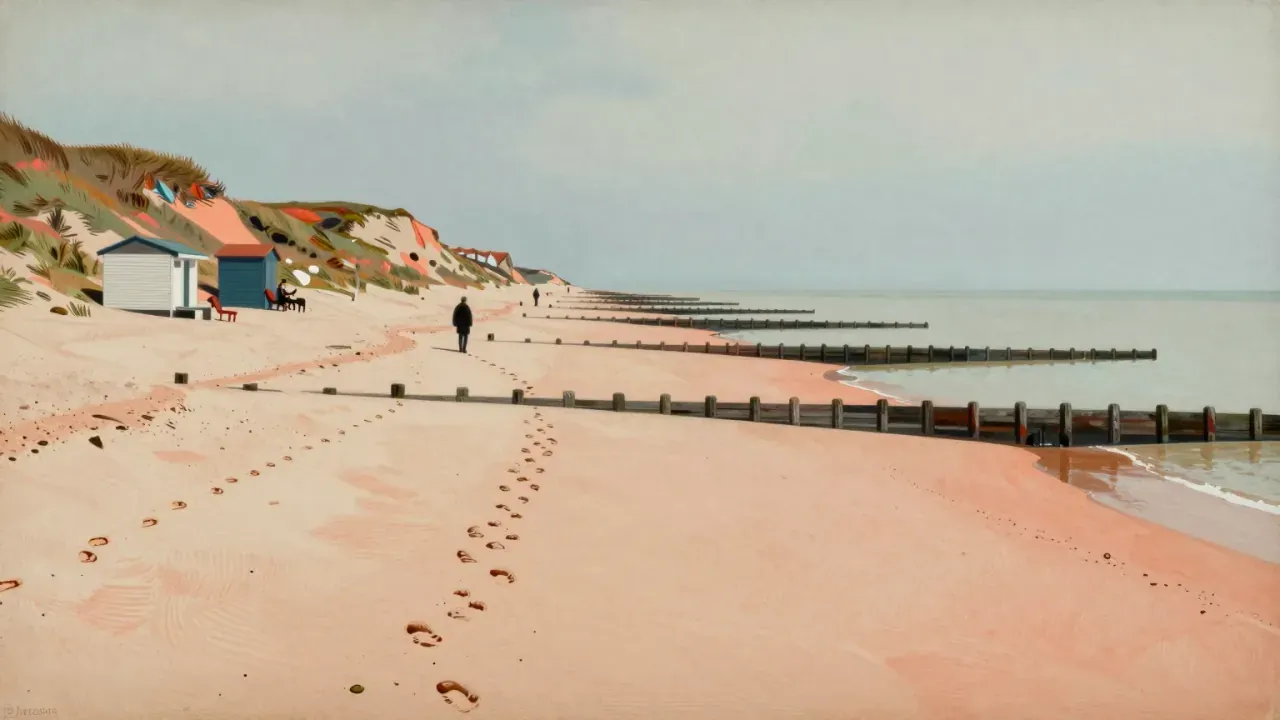
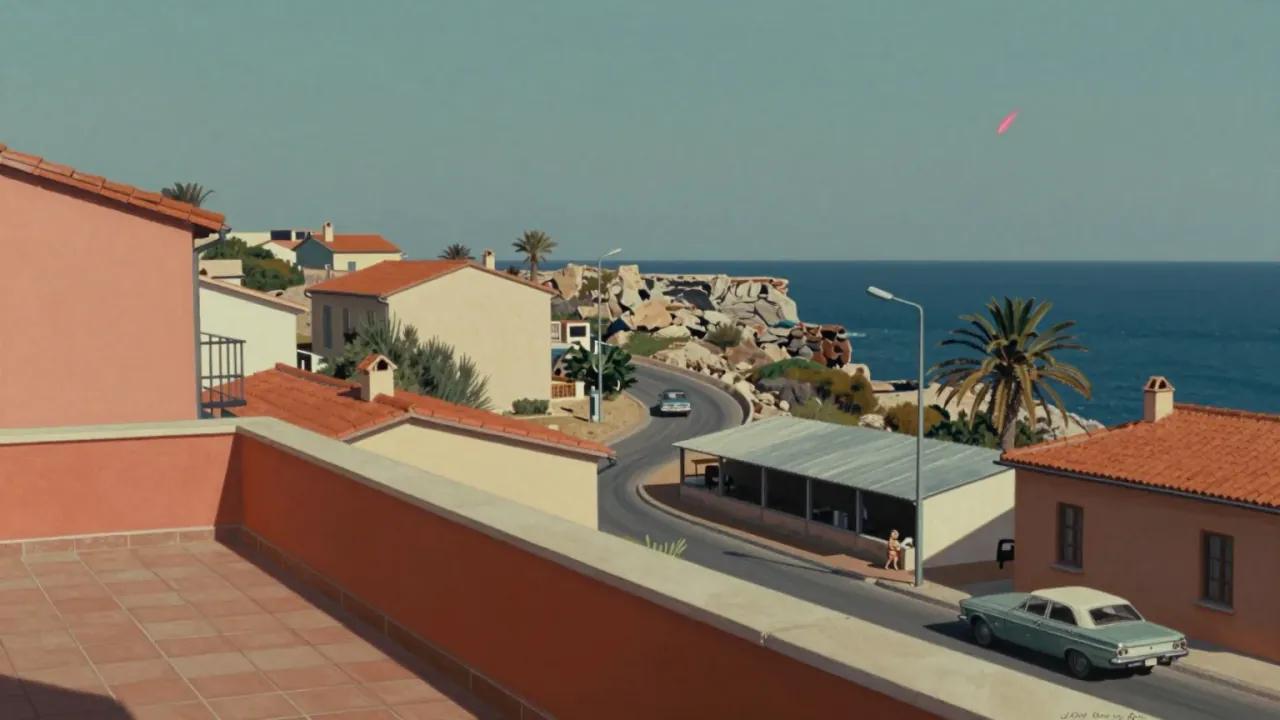
Jean-Luc Godard’s 1965 Pierrot le Fou stars Jean-Paul Belmondo and Anna Karina as a couple fleeing Paris for the Mediterranean, pursued by gangsters and their own unraveling ideals. Shot by Raoul Coutard in vivid primary colours and edited with jarring, associative cuts, it abandons its source novel’s noir framework to become a pop-art-inflected meditation on love, language, and political fatigue. Its power lies in sensation over sense: the weight of a glance, the shock of blue paint, the silence after a firework.
13:00

The Death of Louis XIV

Albert Serra · 2016

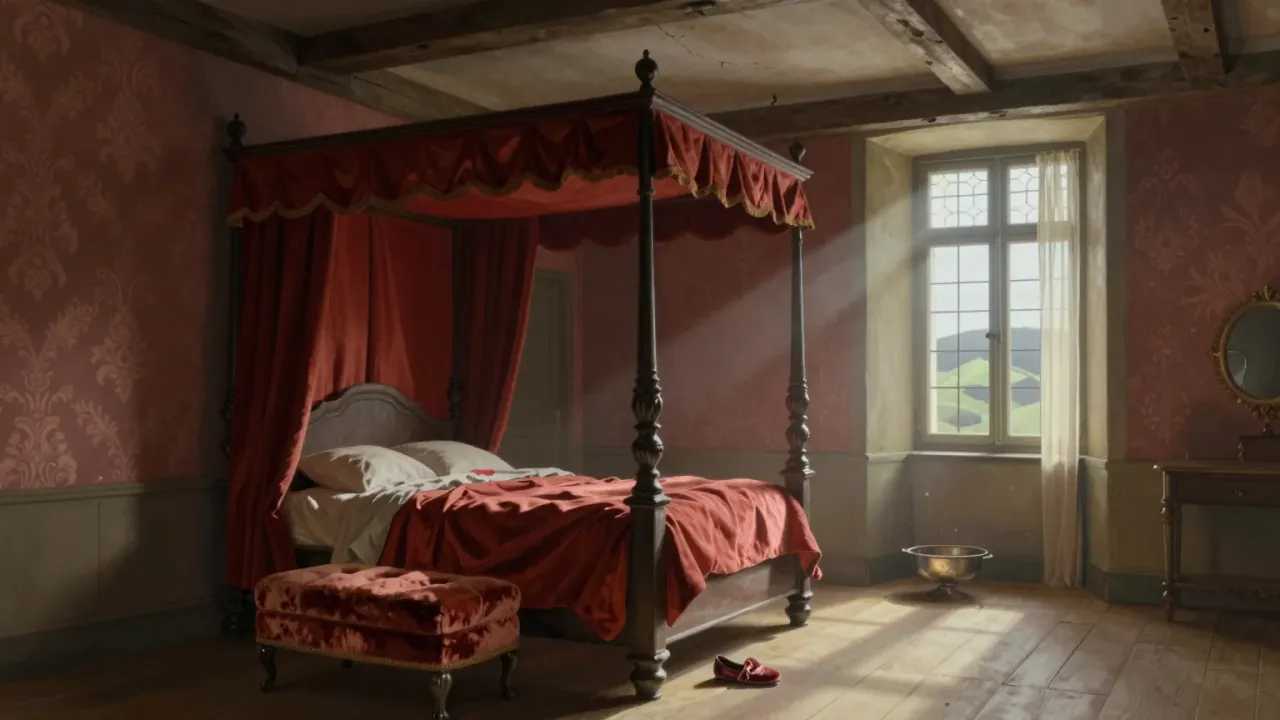
Albert Serra’s 2016 film follows Louis XIV’s final weeks in 1715, filmed in austere, candlelit interiors with Jean-Pierre Léaud in a physically exacting, unembellished performance. Shot in fifteen days at Château de Hautefort, it avoids exposition, psychology, or political context, focusing instead on the slow, unvarnished mechanics of decline: diagnosis, ritual, silence, and the quiet erosion of agency. Critics praised its restraint and Léaud’s performance, though its deliberate pace divides audiences.

13:00

Weekend

Jean-Luc Godard · 1967

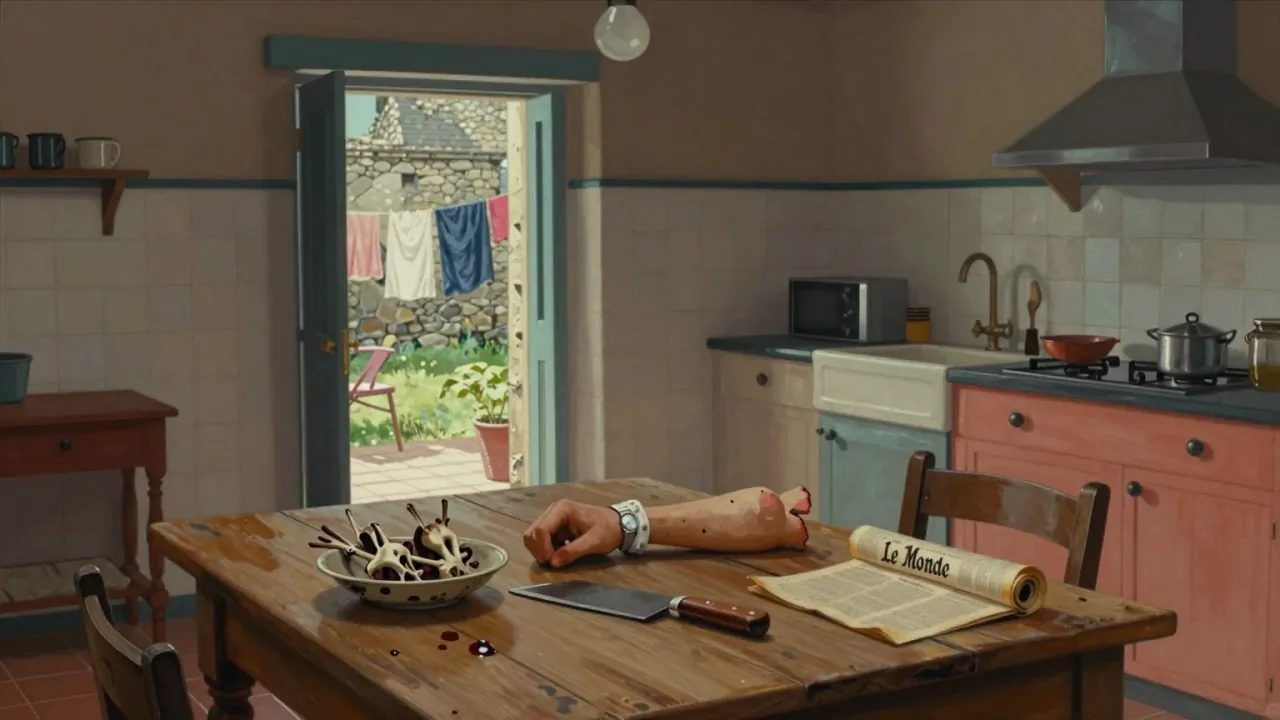
Jean-Luc Godard’s 1967 Weekend follows a bourgeois couple’s disastrous road trip through a hallucinatory French countryside, where narrative collapses into allegory, history bleeds into farce, and revolution ends in cannibalism. Shot by Raoul Coutard and edited by Agnès Guillemot, it is a formally radical, politically abrasive essay-film that treats cinema as a site of ideological combat — not storytelling.

13:00

The 400 Blows

François Truffaut · 1959

François Truffaut's 1959 debut follows Antoine Doinel, a twelve-year-old in Paris who lies, skips school and steals rather than be caught in either his parents' indifference or his teacher's contempt. Shot with Jean-Pierre Léaud in the role he would return to four more times, it became a founding film of the French New Wave and ends on one of cinema's most quoted images: a boy running toward the sea, then held there, mid-stride, looking back at the camera.