filmbriefs
Director · Screenwriter · Producer · Actor · 1912–1997

Samuel Fuller

13
briefs
13:00
average
169 min
in total
On film.briefs13
13:00

Forty Guns

Samuel Fuller · 1957

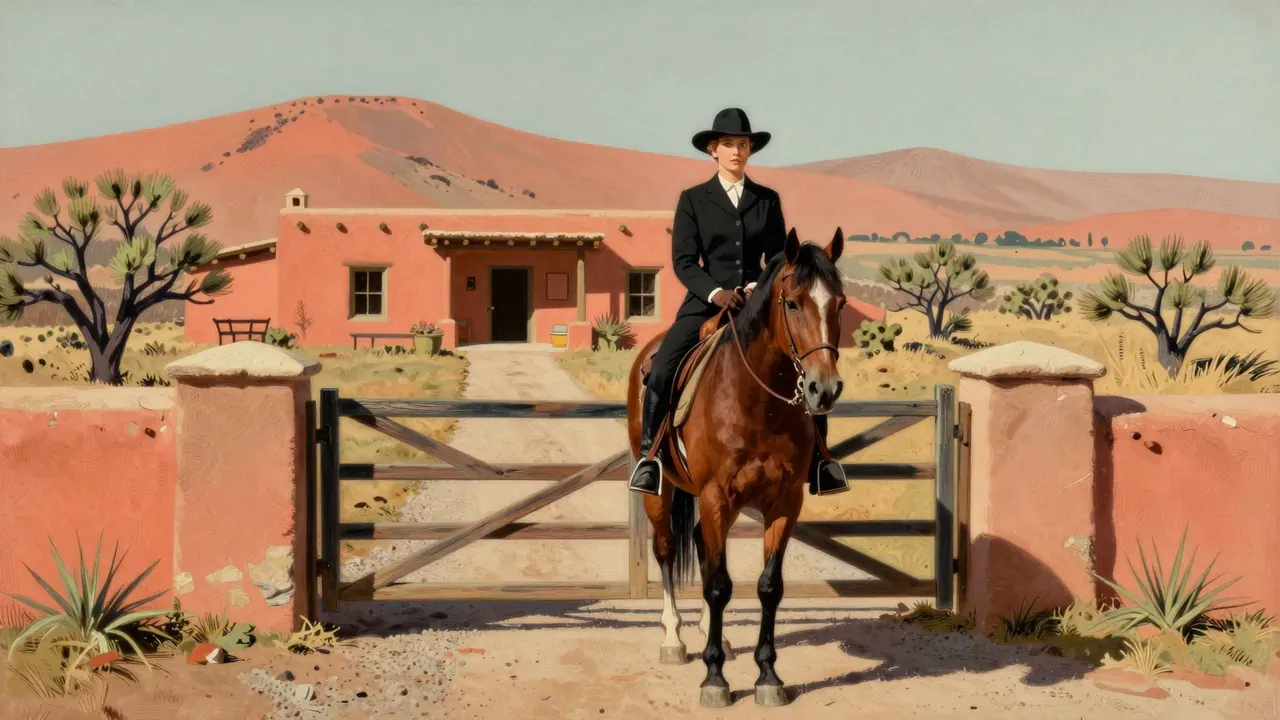
Samuel Fuller’s 1957 Forty Guns is a lean, black-and-white Western filmed in CinemaScope, starring Barbara Stanwyck as Jessica Drummond, a landowner who rules Tombstone with forty hired guns. Griff Bonnell (Barry Sullivan) arrives to enforce federal law, not settle scores — and finds himself negotiating not with outlaws but with systems: debt, inheritance, jurisdiction. Fuller’s direction is precise, Joseph F. Biroc’s cinematography exploits width for irony not spectacle, and the film’s moral architecture refuses easy binaries. It is less about taming the frontier than transferring authority — from family to state, from whip to warrant.
13:00

I Shot Jesse James

Samuel Fuller · 1949

Samuel Fuller’s 1949 directorial debut tells the story of Bob Ford, the man who murdered Jesse James—not as a folk villain but as a psychologically fraying opportunist. Shot cheaply and quickly, it uses stark black-and-white cinematography and tightly written scenes to trace Ford’s moral disintegration after the killing, his failed attempts at respectability, and his inevitable downfall. With John Ireland in a defining early role and Fuller’s signature moral directness, it remains a lean, unsentimental study of infamy, reputation, and the cost of self-deception.

13:00

Shock Corridor

Samuel Fuller · 1963

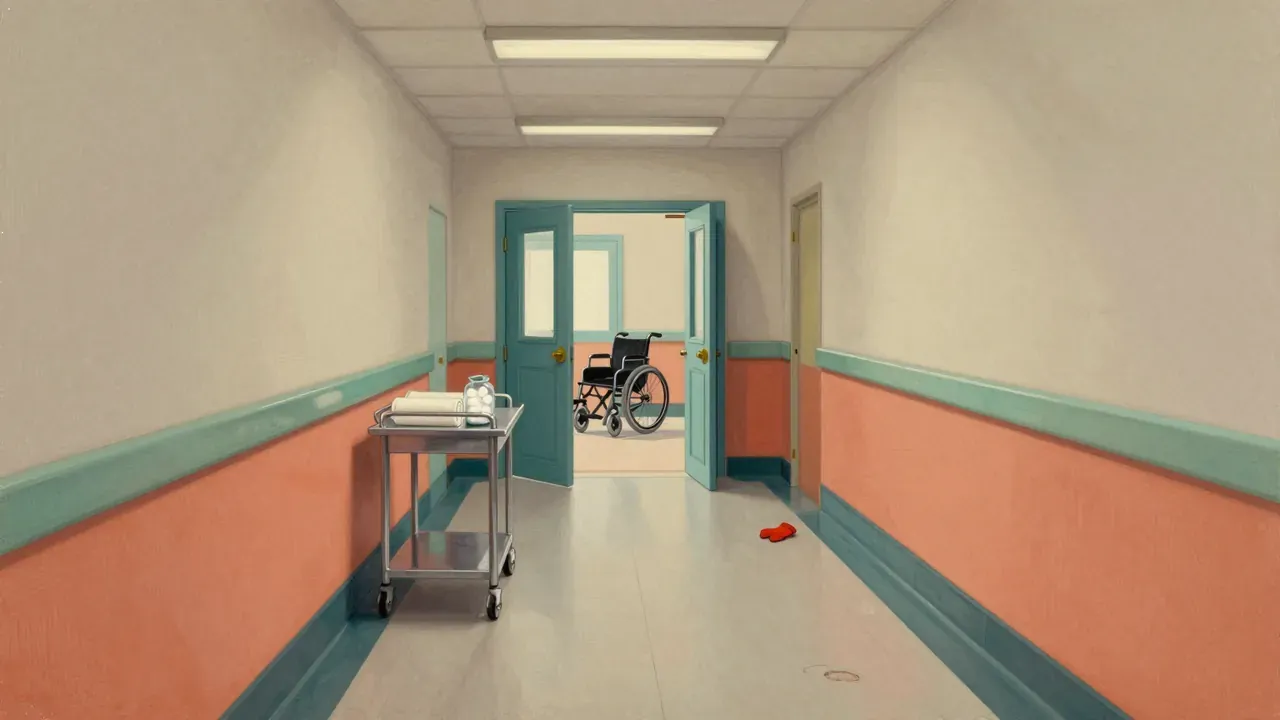
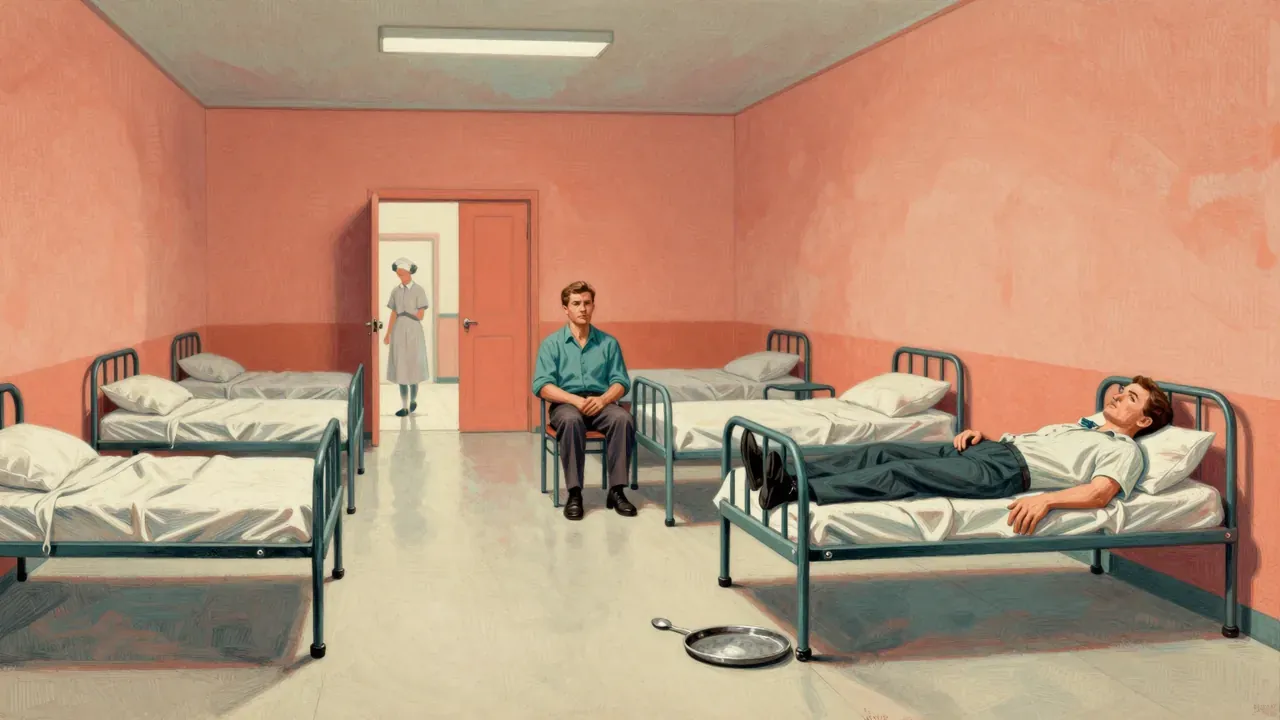
Samuel Fuller’s 1963 film noir follows a journalist who fakes insanity to investigate a murder inside a psychiatric hospital. Using stark cinematography, jagged editing and allegorical patient characters, it frames Cold War anxieties — racism, militarism, nuclear fear — as contagious pathologies. Though made on a shoestring budget and tight schedule, its formal rigour and political bite earned it preservation in the US National Film Registry.

13:00

Targets

Peter Bogdanovich · 1968

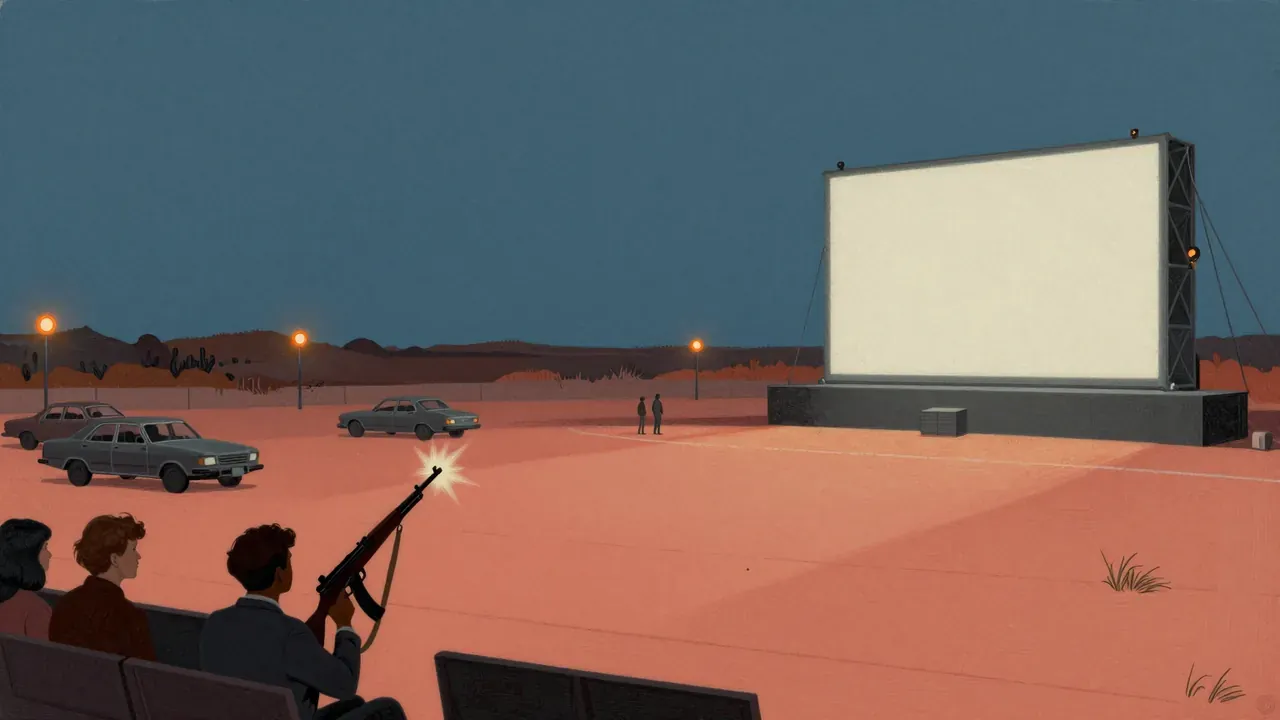
Peter Bogdanovich’s 1968 debut Targets pairs Boris Karloff’s retiring horror icon Byron Orlok with Tim O’Kelly’s motiveless killer Bobby Thompson. Shot guerilla-style in Los Angeles on a shoestring budget, it uses stark cinematography, restrained editing, and deliberate juxtaposition to ask how fiction holds up against televised atrocity — all without recourse to psychology, exposition, or catharsis.

13:00

The American Friend

Wim Wenders · 1977

Wim Wenders’ 1977 adaptation of Patricia Highsmith’s Ripley’s Game stars Bruno Ganz as a terminally ill picture framer drawn into murder by Dennis Hopper’s enigmatic American, Tom Ripley. Shot in Hamburg and Paris by Robby Müller, with a sparse score by Jürgen Knieper, the film treats the thriller form as a vessel for existential portraiture — prioritising texture, hesitation, and linguistic nuance over plot mechanics. Its power lies in accumulation, not revelation.

13:00

The Baron of Arizona

Samuel Fuller · 1950

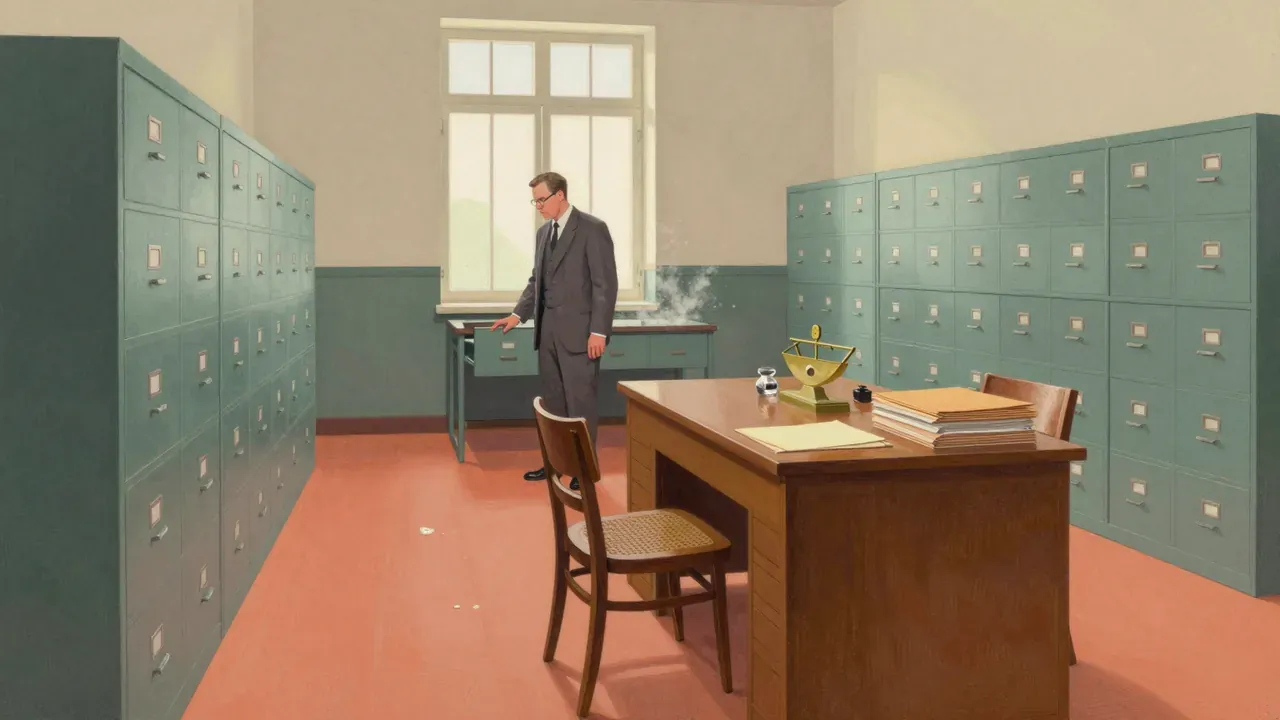
Samuel Fuller’s 1950 film tells the true-ish story of James Reavis, a conman who forged documents to claim the Arizona Territory as his personal fiefdom. Starring Vincent Price as the fastidious fraudster, it unfolds as a procedural drama of paper, precedent, and institutional hesitation — less a Western than a forensic study of how authority is manufactured, authenticated, and eventually unmade.

13:00

The Bohemian Life

Aki Kaurismäki · 1992

Aki Kaurismäki’s 1992 French-language drama relocates Murger’s bohemian Paris to the late twentieth century, following a poet, painter and composer as they share rent, meals and misfortune. Shot in black-and-white with static frames and minimal scoring, it treats artistic survival, migration and mortality with unwavering restraint. Matti Pellonpää and André Wilms won European Film Awards for their understated performances.

13:00

The Naked Kiss

Samuel Fuller · 1964

Samuel Fuller’s 1964 film follows Kelly, a former prostitute who seeks refuge in a small American town, becomes a nurse, and falls in love with its wealthiest man — only to discover his predatory abuse of children. When she kills him, she must fight to prove her account in a system that prefers silence to scandal. Shot by Stanley Cortez and starring Constance Towers, it is a lean, unsentimental examination of power, exposure, and the limits of social forgiveness.

13:00

The Steel Helmet

Samuel Fuller · 1951

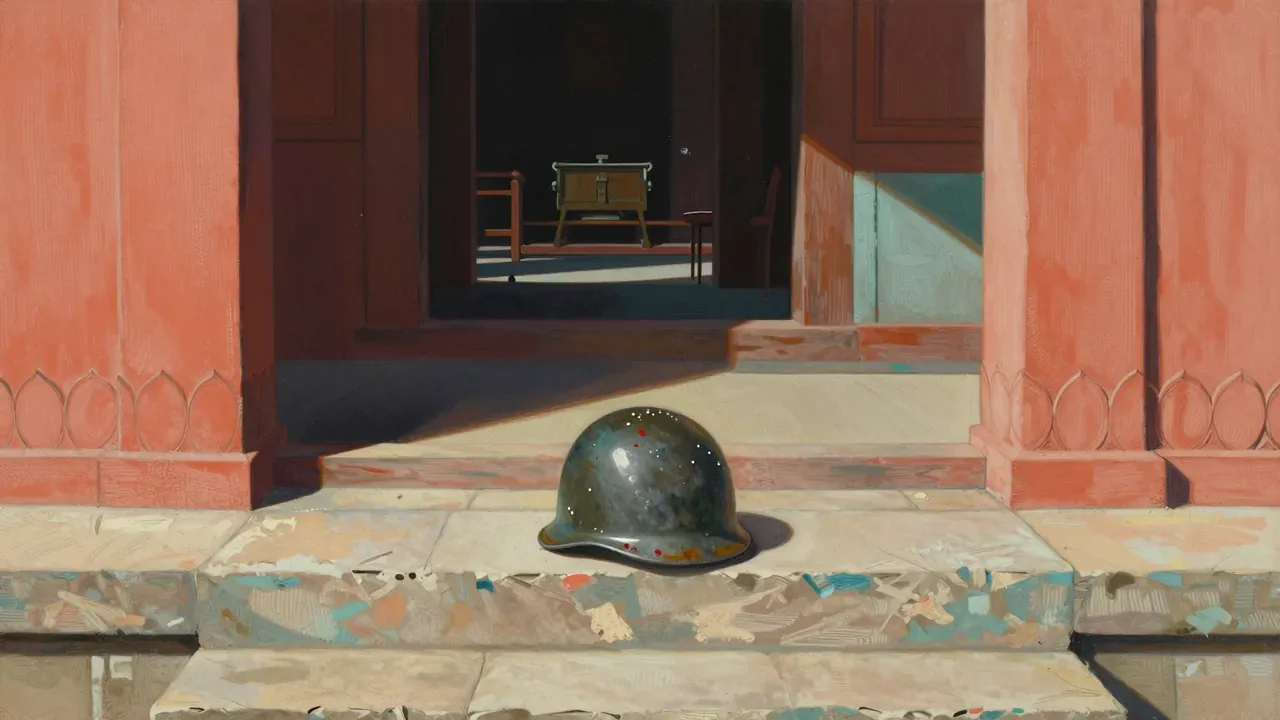
Samuel Fuller’s 1951 war film The Steel Helmet is the first American feature about the Korean War, made independently in ten days on a $104,000 budget. It follows a grizzled U.S. sergeant and a ragged patrol taking refuge in a Buddhist temple, confronting racism, command failure and moral compromise under fire. Ernest Miller’s cinematography and Fuller’s lean script prioritise psychological realism over spectacle. Though constrained by its production, the film remains a landmark for its immediacy, thematic rigour and refusal to flatter its subject — or its audience.

13:00

White Dog

Samuel Fuller · 1982

Samuel Fuller’s 1982 drama follows a white actress who adopts a stray dog trained to attack Black people on sight. When a Black trainer attempts to recondition it, the film becomes a stark, unsentimental inquiry into whether racism is a treatable reflex or an irreversible imprint. Shot in 45 days with clinical precision, it avoids moralising, opting instead for procedural realism—its power lies in what it refuses to show, explain, or resolve.

13:00

Pickup on South Street

Samuel Fuller · 1953

Samuel Fuller’s 1953 thriller follows a pickpocket who steals microfilm containing state secrets, dragging a disillusioned courier, a cynical informant, and weary detectives into a collision of Cold War paranoia and New York street logic. Shot with documentary restraint by Joseph MacDonald and driven by terse, unsentimental performances — especially Thelma Ritter’s Oscar-nominated turn — it treats ideology as incidental to survival, and patriotism as a negotiable commodity.

13:00

Pierrot le Fou

Jean-Luc Godard · 1965

Jean-Luc Godard’s 1965 Pierrot le Fou stars Jean-Paul Belmondo and Anna Karina as a couple fleeing Paris for the Mediterranean, pursued by gangsters and their own unraveling ideals. Shot by Raoul Coutard in vivid primary colours and edited with jarring, associative cuts, it abandons its source novel’s noir framework to become a pop-art-inflected meditation on love, language, and political fatigue. Its power lies in sensation over sense: the weight of a glance, the shock of blue paint, the silence after a firework.

13:00

The State of Things

Wim Wenders · 1982

Wim Wenders’ 1982 Golden Lion winner follows a film crew stranded in Portugal when funding and film stock run out. Director Friedrich Munro travels to Los Angeles to find his missing producer, navigating a landscape of mobile homes, unpaid debts, and suspended creativity. Shot across Portugal and California with a mix of black-and-white and colour, and featuring cameos from Fuller, Corman and Kramer, it is a self-aware, deliberately unhurried meditation on the material conditions of filmmaking—and the quiet endurance required when nothing moves forward.