filmbriefs
Studio

Nikkatsu

12
briefs
13:00
average
156 min
in total
On film.briefs12
13:00

Black Sun

Koreyoshi Kurahara · 1964

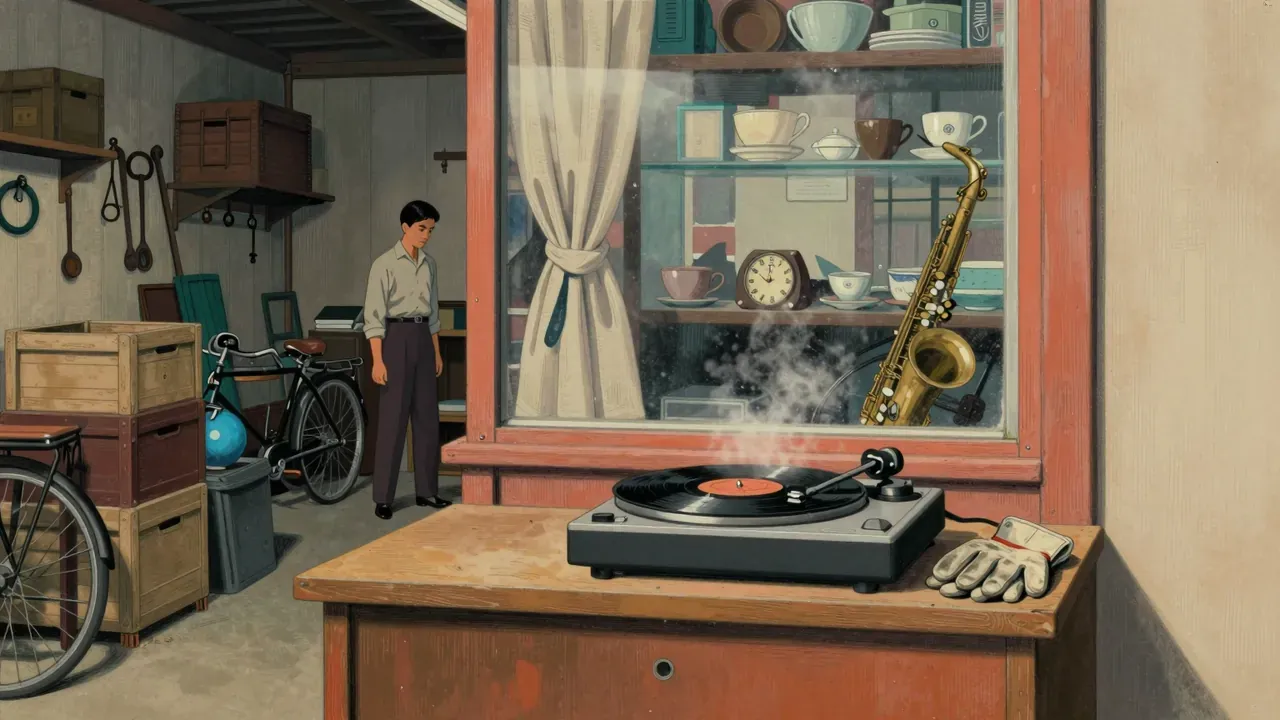
Black Sun (1964), directed by Koreyoshi Kurahara for Nikkatsu, follows Akira, a young Japanese thief, and Gill, an injured African-American soldier, as they move silently toward the sea after a violent encounter. Shot in high-contrast monochrome, with sparse music by Toshiro Mayuzumi and Max Roach, it uses jazz records, ruined architecture, and deliberate pacing to explore connection without translation. Its themes centre on embodied difference, failed communication, and freedom as ascent rather than arrival.
13:00

Gate of Flesh

Seijun Suzuki · 1964

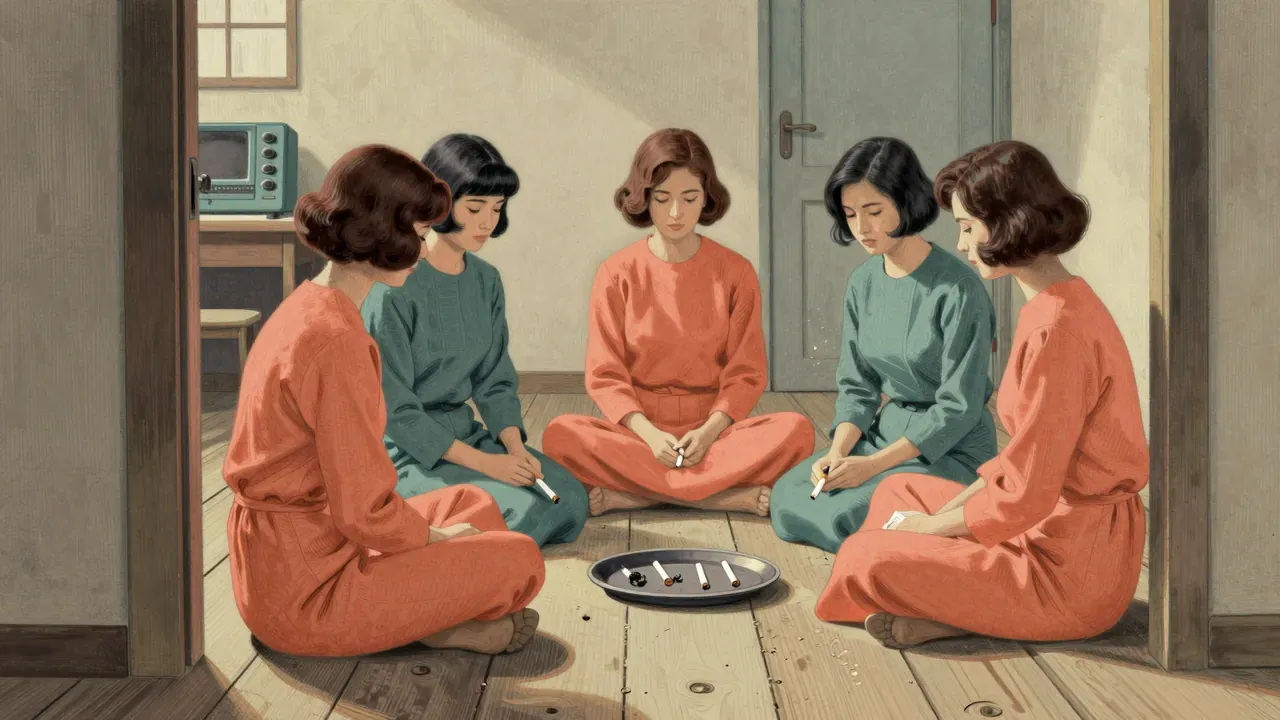
Seijun Suzuki’s 1964 Nikkatsu drama follows a group of sex workers enforcing rigid communal rules in a bombed-out Tokyo building. When a wounded ex-soldier arrives, their fragile order fractures. Shot on a rushed schedule with deliberately artificial sets, the film uses formal restraint and allegorical structure to critique the continuity of militarised social control under Occupation. Performances are muted, editing jarring, and the ending offers no resolution — only repetition.

13:00

Rusty Knife

Toshio Masuda · 1958

A 1958 Nikkatsu crime drama starring Yūjirō Ishihara as an ex-convict resisting vengeance while a district attorney pursues the same syndicate. Directed by Toshio Masuda with tight, low-key noir aesthetics and a script by Shintarō Ishihara, it foregrounds moral exhaustion over action, ambiguity over catharsis.

13:00

Take Aim at the Police Van

Seijun Suzuki · 1960

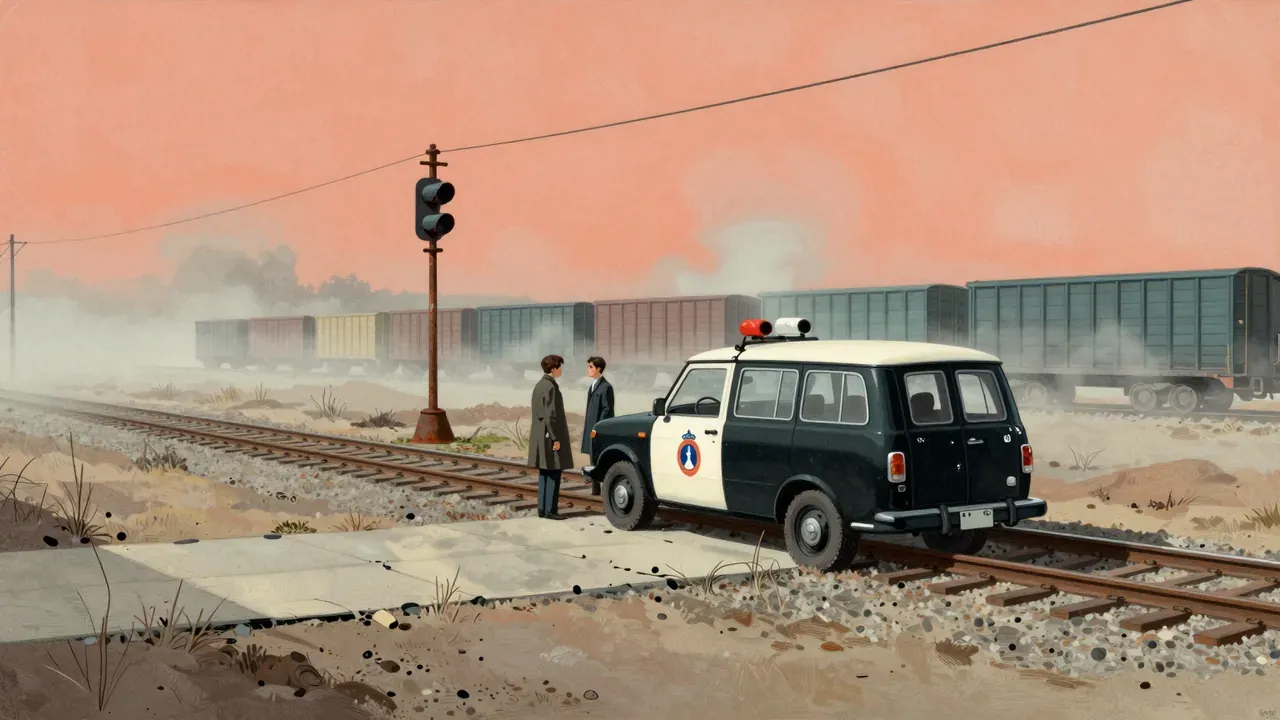
Take Aim at the Police Van is a 1960 Japanese action thriller directed by Seijun Suzuki for Nikkatsu. Built around the ambush of a police van transporting a prisoner, it deploys tight framing, high-contrast monochrome cinematography by Kazuo Miyagawa, and a lean script by Shinichi Sekizawa to sustain relentless forward motion. Starring Michitaro Mizushima, Misako Watanabe, and Shinsuke Ashida, it exemplifies Nikkatsu’s ‘borderless’ studio strategy — genre stripped of local specificity, yet anchored in Tokyo’s post-war textures. Its strength lies in formal discipline, not character depth or thematic elaboration.

13:00

The Burmese Harp

Kon Ichikawa · 1956

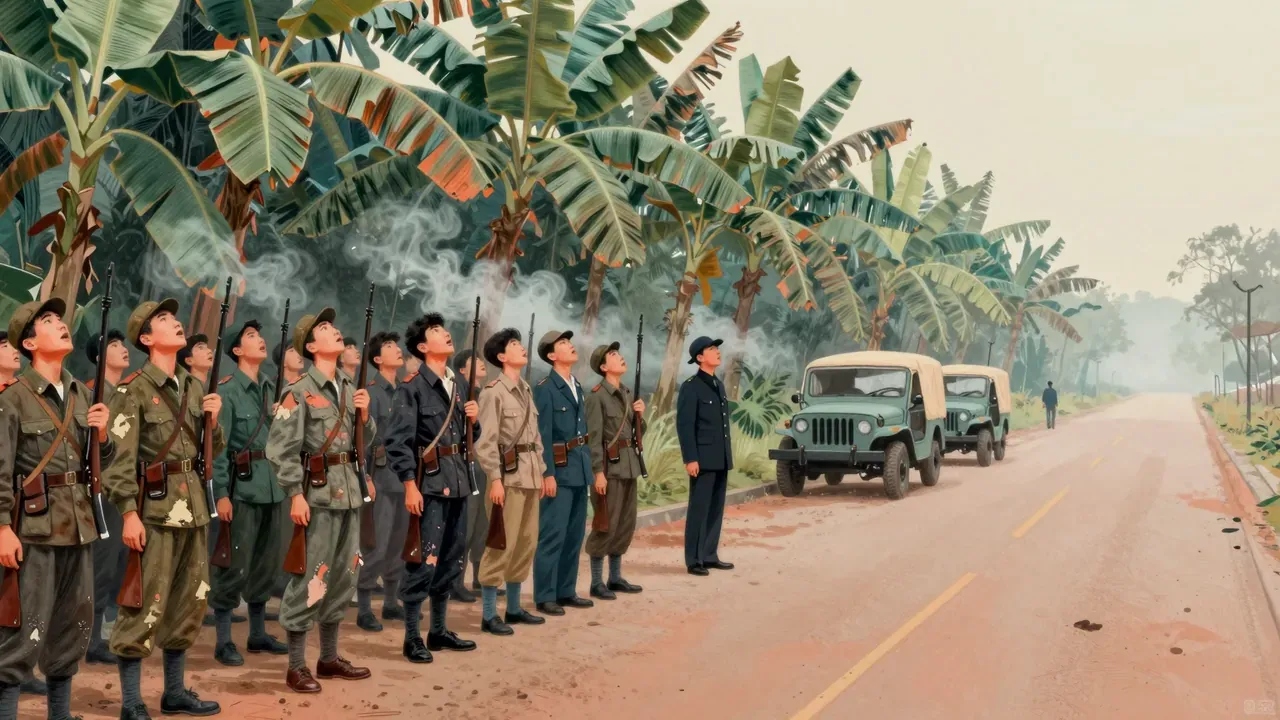
Kon Ichikawa’s 1956 drama follows Japanese soldiers in Burma at the end of World War II, narrowing to one man’s solitary mission to bury the dead and become a Buddhist monk. Adapted from Michio Takeyama’s novel by Natto Wada, it uses monochrome restraint, deliberate pacing and Akira Ifukube’s haunting score to explore grief, duty and spiritual transformation — not as transcendence, but as daily labour.

13:00

The Eternal Breasts

Kinuyo Tanaka · 1955

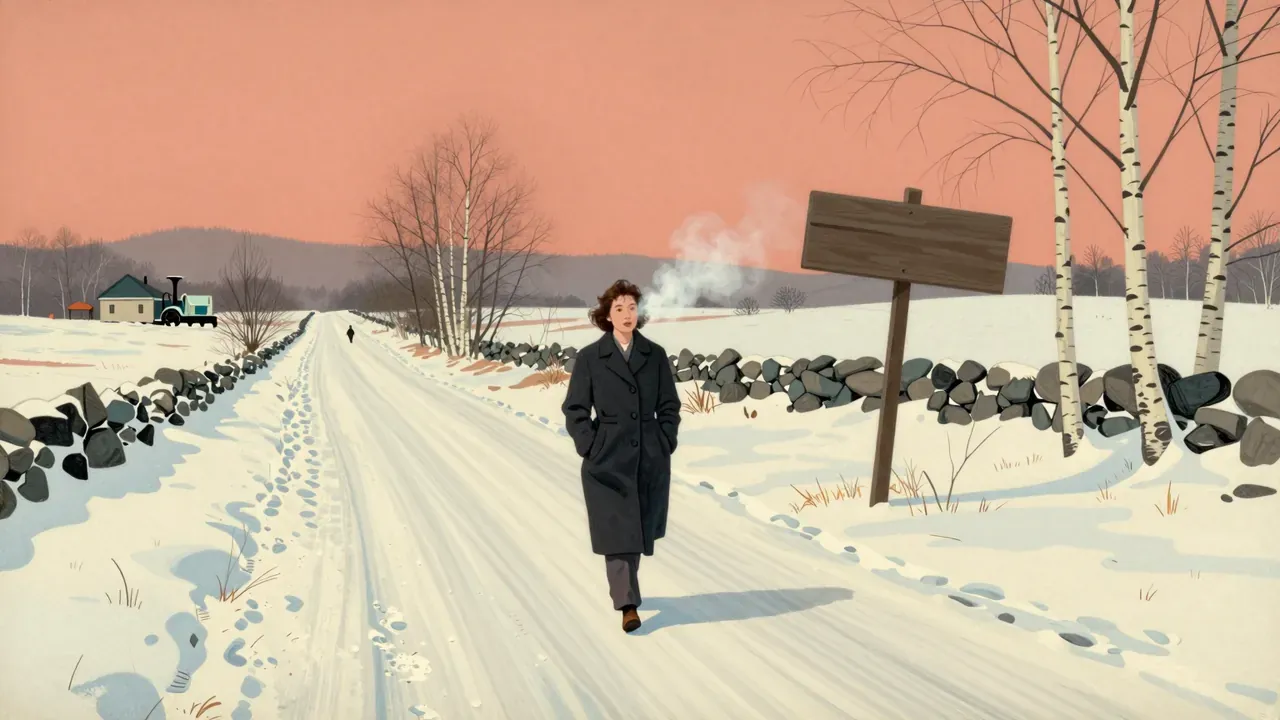
Kinuyo Tanaka’s 1955 film follows Fumiko Nakajō, a tanka poet diagnosed with late-stage breast cancer, as she navigates divorce, motherhood, literary ambition, and mortality. Shot on location in Hokkaidō, it avoids biopic conventions, favouring quiet observation over exposition. Yumeji Tsukioka anchors a restrained ensemble; Kumenobu Fujioka’s naturalistic cinematography and Takanobu Saitō’s sparse score support a film that values duration, physical detail, and unspoken tension over narrative closure or thematic pronouncement.

13:00

The Insect Woman

Shohei Imamura · 1963

Shohei Imamura’s 1963 drama follows Tome Matsuki from rural childhood to post-war Tokyo madam across thirty-two episodic chapters. Sachiko Hidari’s unsentimental performance, Shinsaku Himeda’s unadorned cinematography, and Toshiro Mayuzumi’s sparse score serve a vision of class and gender as material forces — not backdrops, but shaping pressures. Entered in Berlin, where Hidari won Best Actress, it remains a benchmark of socially grounded Japanese cinema.

13:00

The Moon Has Risen

Kinuyo Tanaka · 1955

Kinuyo Tanaka’s 1955 film, scripted by Yasujirō Ozu and shot by Shigeyoshi Mine, follows Setsuko as she quietly engineers a romance between her older sister Ayako and a former suitor. Set in Nara, it unfolds across domestic spaces with restrained pacing, gentle performances, and a focus on unspoken feeling. Though structurally loose around some supporting characters, its strength lies in emotional precision and tonal consistency.

13:00

Thirst for Love

Koreyoshi Kurahara · 1967

Koreyoshi Kurahara’s 1967 Thirst for Love, adapted from Yukio Mishima’s novel, follows a young widow’s entanglement with her wealthy father-in-law in a meticulously restrained Japanese domestic setting. Starring Ruriko Asaoka and Nobuo Nakamura, it uses abrupt editing, strategic colour, and near-silence to render psychological disintegration without exposition. The film prioritises atmosphere over explanation, formal control over catharsis, and inherited power over individual agency.

13:00

Youth of the Beast

Seijun Suzuki · 1963

Seijun Suzuki’s 1963 Nikkatsu crime film follows a disgraced detective infiltrating rival yakuza clans, but its real subject is the expressive potential of the genre’s surfaces: saturated colour, abrupt editing, and architectonic framing. It sacrifices psychological realism for formal rigour, treating loyalty, identity, and truth as tactical variables rather than moral absolutes. A pivotal work in Suzuki’s development, it rewards attention to craft over narrative closure.

13:00

Tokyo Drifter

Seijun Suzuki · 1966

Tokyo Drifter (1966) is Seijun Suzuki’s formally audacious crime film for Nikkatsu, starring Tetsuya Watari as a drifting hitman navigating shifting loyalties and surreal cityscapes. Made under tight budget constraints, it responds with heightened artifice: pop-art colour, abrupt editing, musical interludes, and stylised violence. Rather than a conventional underworld drama, it functions as a parody and deconstruction of the ninkyo eiga tradition — using genre tropes as raw material for visual and rhythmic experimentation. Its themes centre on performative identity, the fragility of allegiance, and the constructed nature of place. Though narratively elliptical, its consistency of tone and design makes it a landmark of Japanese arthouse cinema.

13:00

Branded to Kill

Seijun Suzuki · 1967

Seijun Suzuki’s 1967 Nikkatsu production is a formally audacious, narratively defiant yakuza film starring Joe Shishido as Goro Hanada, a contract killer whose professional collapse triggers a descent into absurdity. Written collectively as Hachiro Guru and shot in 25 days, it replaces genre conventions with visual non-sequiturs, tonal whiplash and structural sabotage — rice-sniffing fetishes, butterfly interruptions and projected film loops all serve its core project: to make coherence feel like the illusion.