filmbriefs
Composer

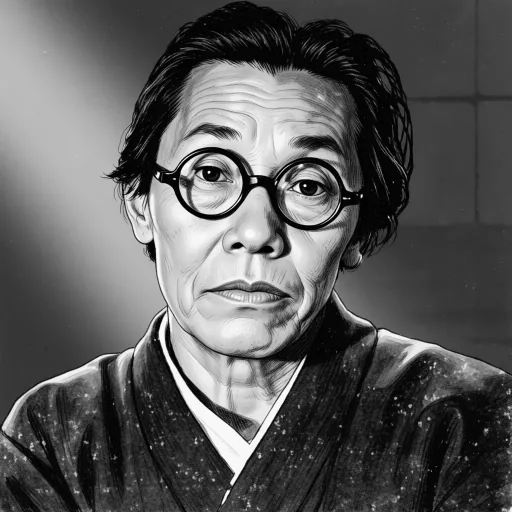
Fumio Hayasaka

4
briefs
13:00
average
52 min
in total
On film.briefs4
13:00

Drunken Angel

Akira Kurosawa · 1948

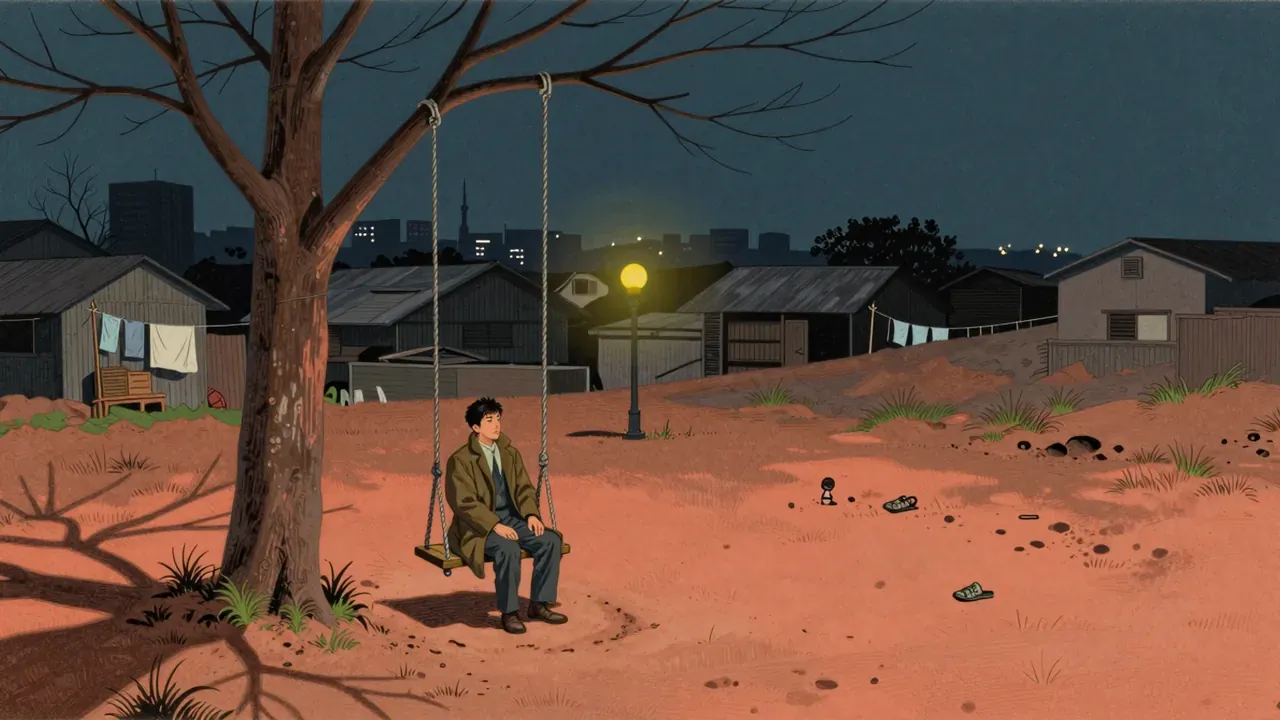
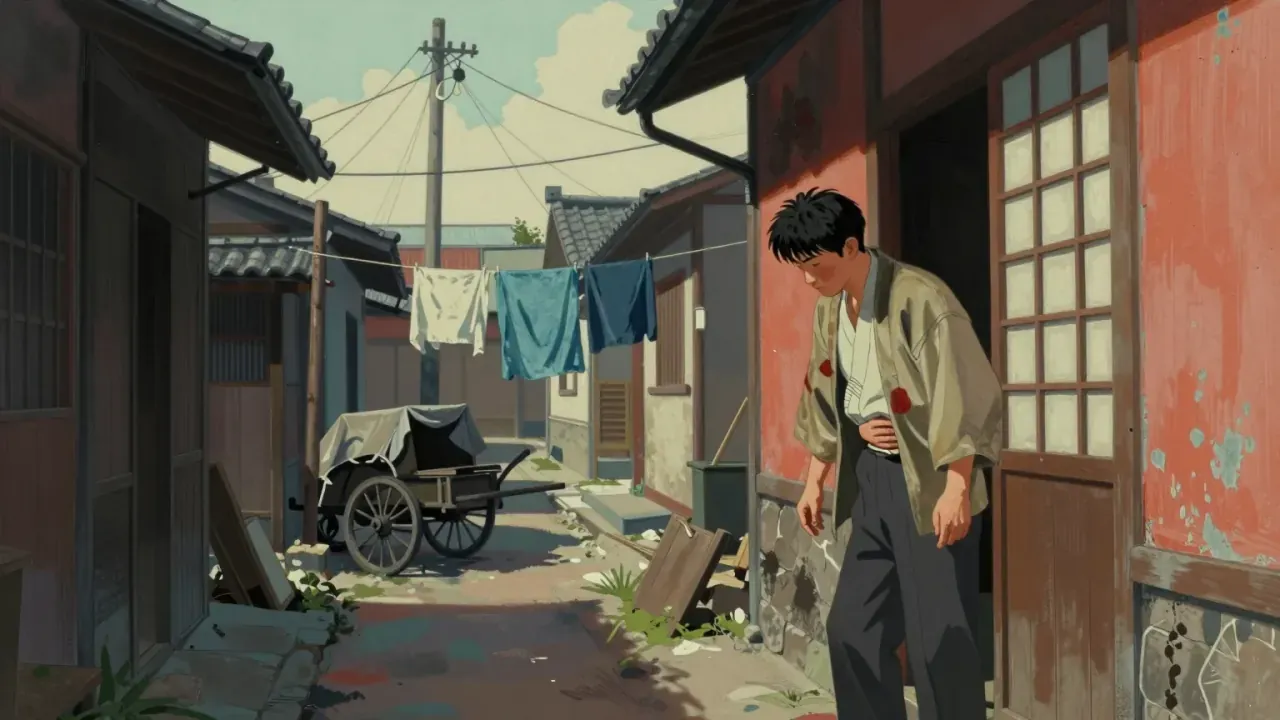
Drunken Angel (1948), Akira Kurosawa’s first major work, follows an alcoholic doctor and a tubercular yakuza enforcer locked in a tense, unsentimental relationship amid the black-market ruins of postwar Osaka. Shot in stark black-and-white by Takeo Itō, scored with ironic waltzes by Fumio Hayasaka, and anchored by Takashi Shimura and Toshirō Mifune’s tightly coiled performances, the film locates moral urgency not in grand gestures but in recurring details — a sump, a cough, a trembling hand. It is a foundational work of Japanese cinema: unsparing, unadorned, and deeply concerned with what happens when systems fail and only broken people remain to tend the wounds.

13:00

Stray Dog

Akira Kurosawa · 1949

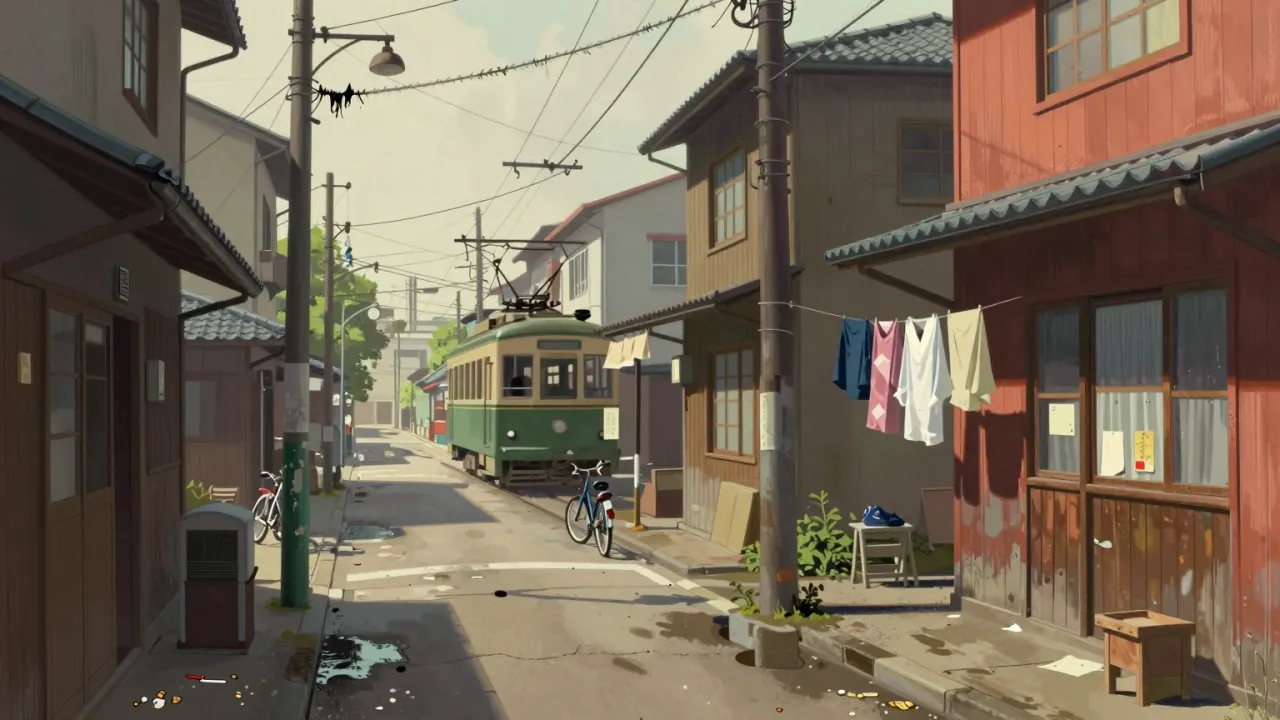
A young Tokyo detective loses his service pistol in a crowded trolley in the summer of 1949. With the help of a veteran colleague, he traces it through the city’s black markets, yakuza networks, and dance halls — not to deliver vengeance, but to understand how postwar desperation reshapes morality, authority, and the very idea of justice.

13:00

Rashomon

Akira Kurosawa · 1950

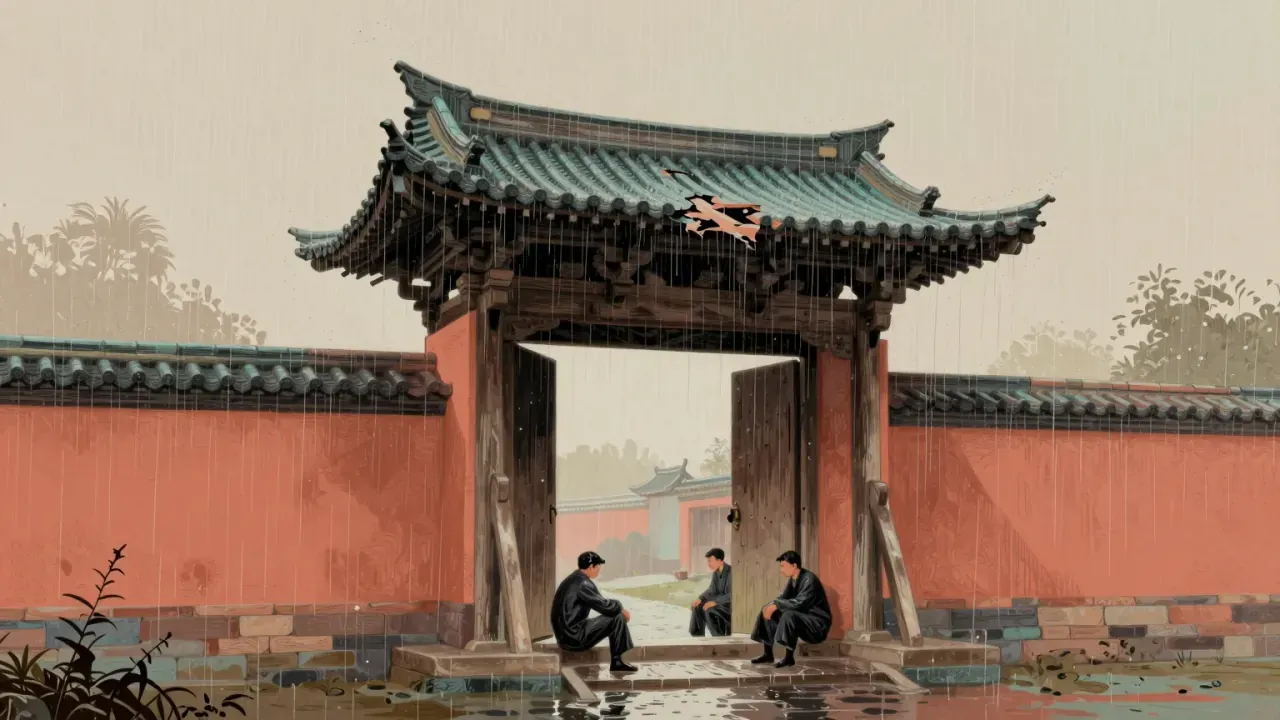
Akira Kurosawa's 1950 film gathers a woodcutter, a priest and a passer-by under the ruined Rashomon gate during a rainstorm as the first two recount a trial testimony about a samurai's death in a forest, told in turn by a captured bandit, the samurai's wife, the dead man himself through a medium, and finally the woodcutter who found the body. Shot by Kazuo Miyagawa, who pointed a camera directly into sunlight through forest canopy for the first time in Japanese studio film, and made for around $140,000, it won the Golden Lion at Venice and an honorary Academy Award, introducing much of the West to Japanese cinema in the process.

13:00

Seven Samurai

Akira Kurosawa · 1954

Akira Kurosawa's 1954 film follows a poor farming village that recruits seven masterless samurai, offering only food and shelter, to defend it against a bandit gang planning to return once the barley ripens. Shot by Asakazu Nakai across a punishing production that ran well over schedule, scored by Fumio Hayasaka and led by Toshiro Mifune and Takashi Shimura, the film ran to 207 minutes and cost 210 million yen, a large outlay for the period, before shaping the template that countless action and heist films have followed since.