filmbriefs
Composer · 1961

Alexandre Desplat

16
briefs
13:00
average
208 min
in total
On film.briefs16
13:00

Birth

Jonathan Glazer · 2004

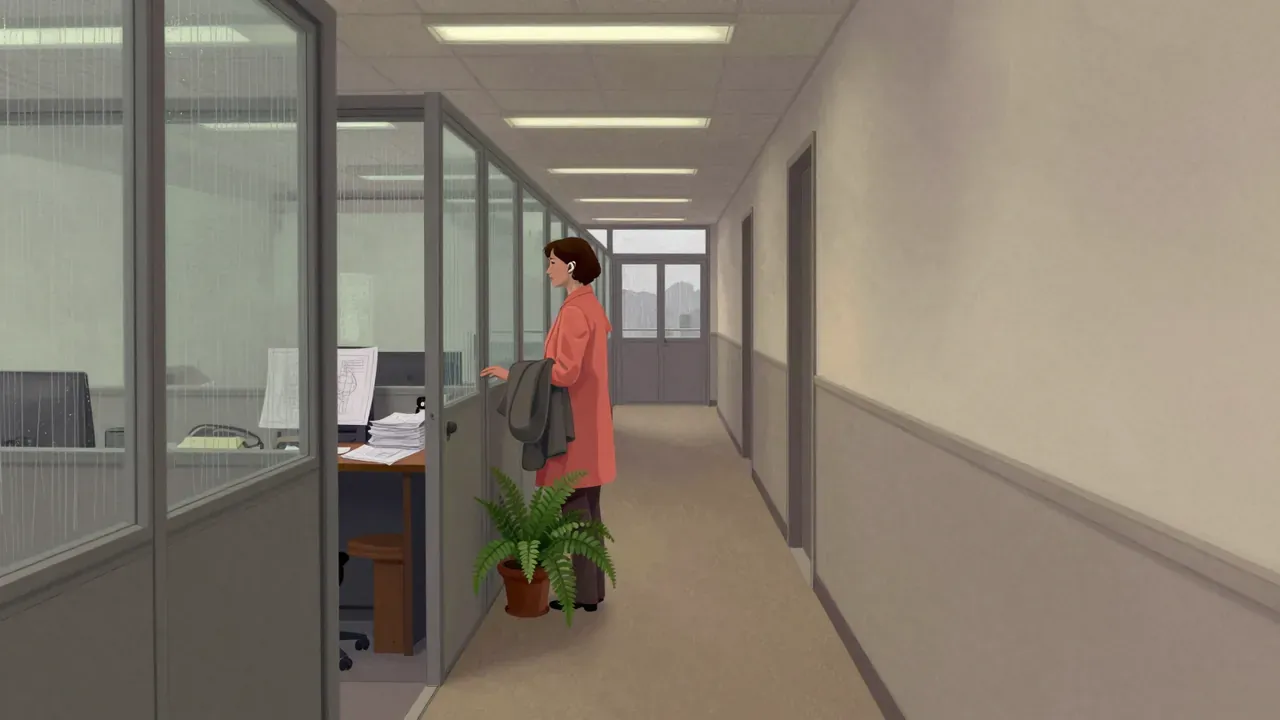
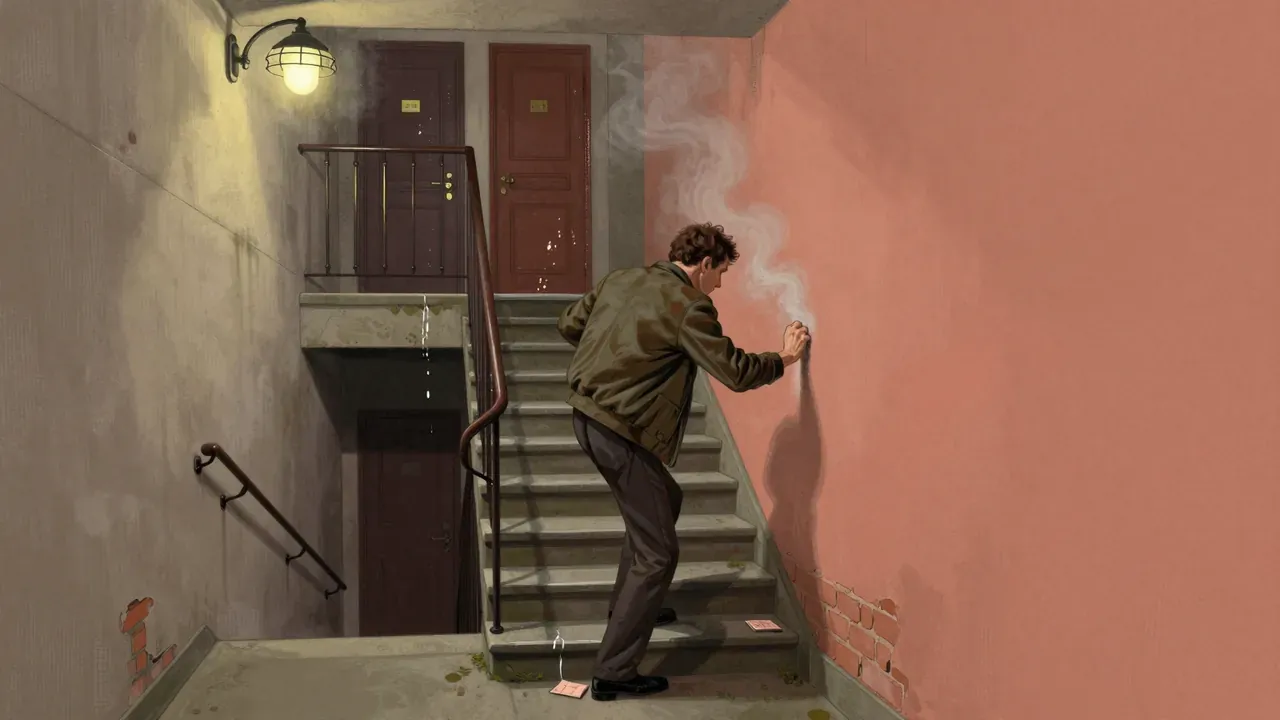
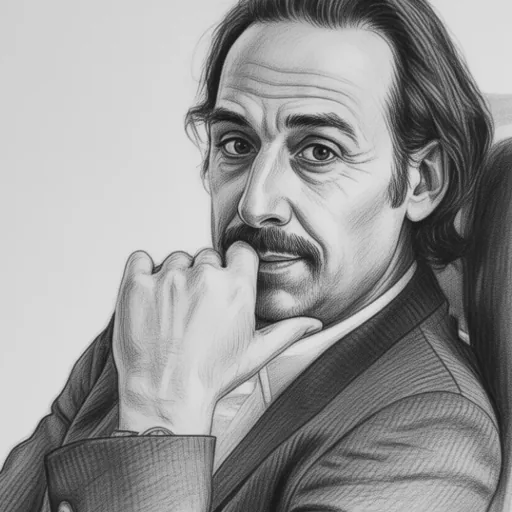
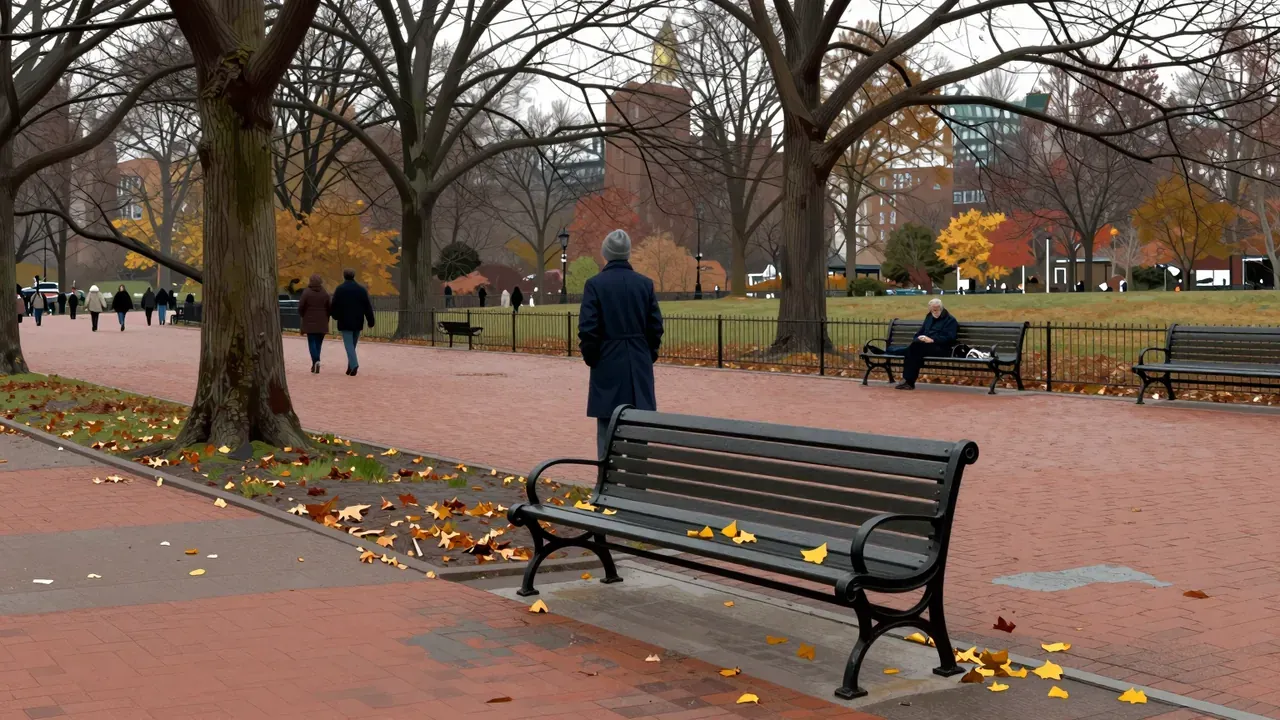
Jonathan Glazer’s 2004 film Birth follows Anna, a woman who becomes convinced that her deceased husband has been reborn in a ten-year-old boy. Shot in New York with Haris Savides, scored by Alexandre Desplat, and anchored by Nicole Kidman’s restrained performance, it is a psychological mystery that sustains ambiguity as principle. It does not confirm or deny the boy’s claim, instead focusing on the weight of Anna’s belief, the erosion of shared reality among those around her, and the quiet devastation of love that refuses to expire. Polarising on release, it has since gained recognition for its formal rigour and emotional precision.
13:00

Frankenstein

Guillermo del Toro · 2025

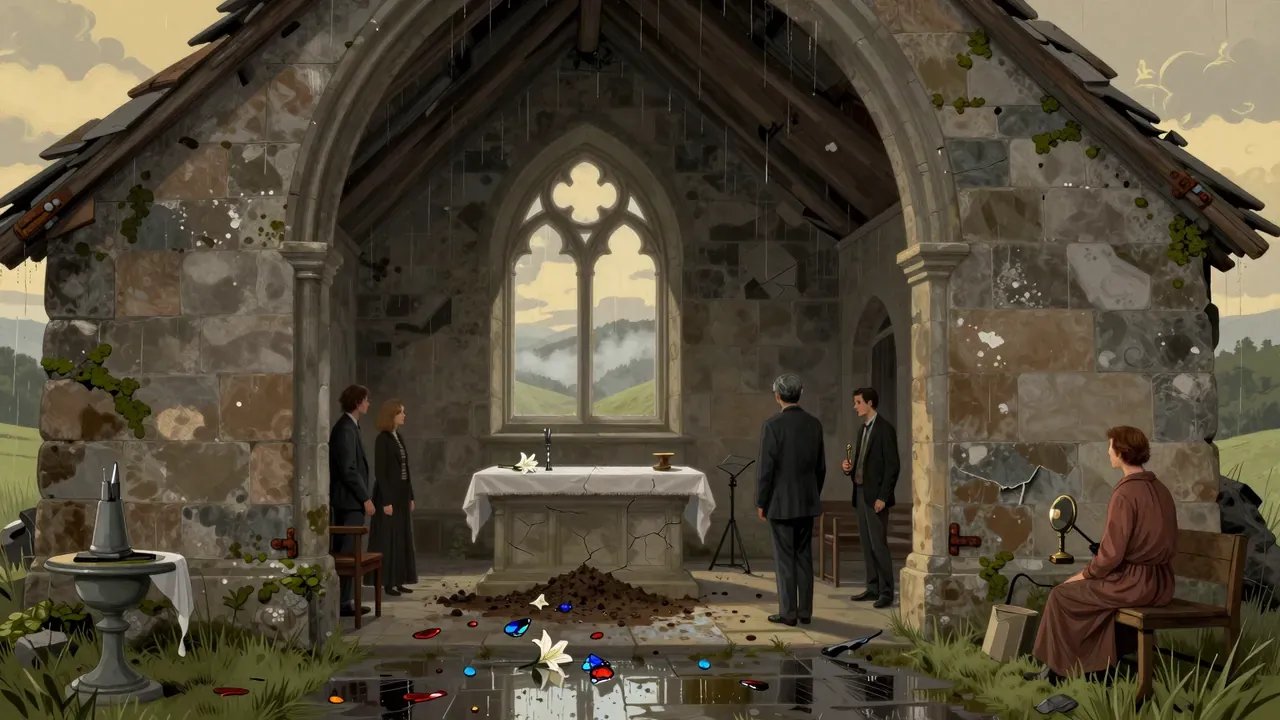
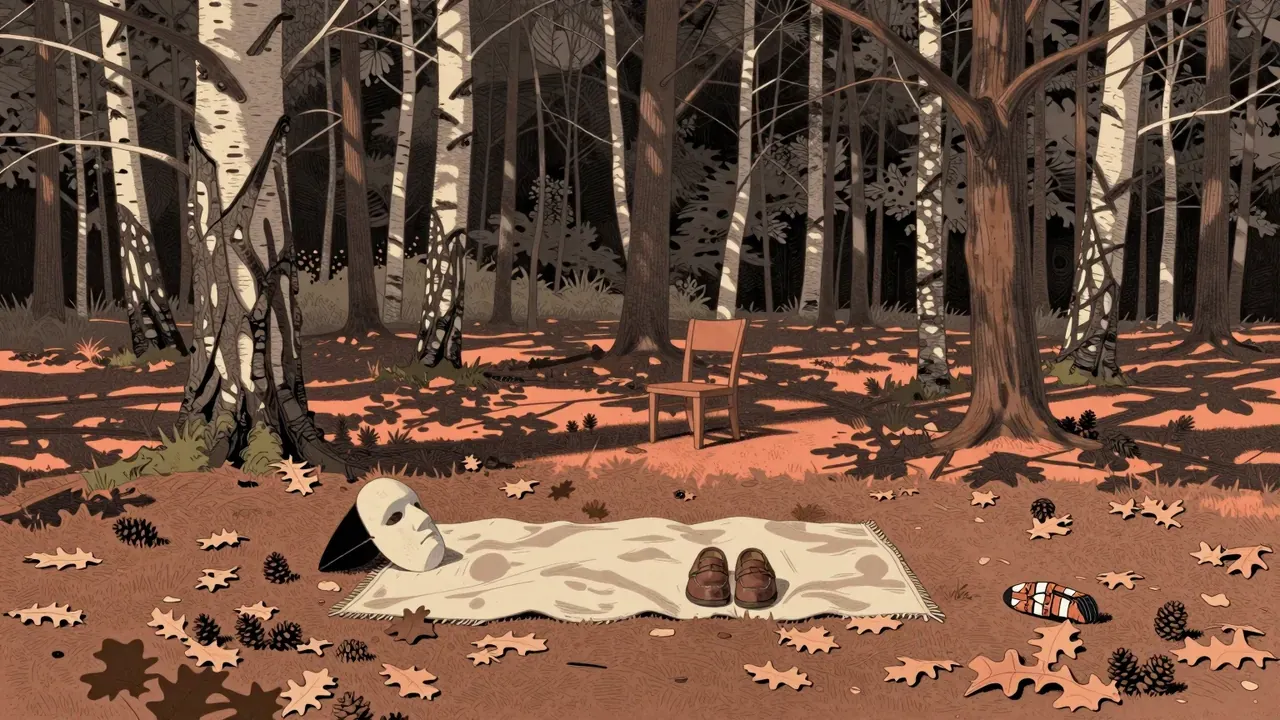
Guillermo del Toro’s 2025 Frankenstein reimagines Mary Shelley’s novel as a morally dense, visually austere drama centred on Victor Frankenstein (Oscar Isaac) and his Creature (Jacob Elordi). Shot by Dan Laustsen and scored by Alexandre Desplat, it trades genre thrills for theological gravity, emphasising responsibility, language, and embodied consequence. Though its pacing falters mid-film and some supporting roles lack depth, its production design, performances, and thematic coherence make it a singular, sombre achievement—less monster movie than sacred rite.

13:00

Moonrise Kingdom

Wes Anderson · 2012

Set on a fictional New England island in 1965, Moonrise Kingdom follows twelve-year-olds Sam and Suzy as they flee their respective constraints — a scout camp and a fractured home — to build a temporary life on an isolated beach. Adults mobilise in response: scouts, police, parents, social workers. Wes Anderson and Roman Coppola shape the story as a self-contained emotional system, where visual symmetry, period detail, and musical counterpoint replace conventional narrative drive. Robert Yeoman’s Super 16mm cinematography, Alexandre Desplat’s score, and performances by Jared Gilman, Kara Hayward, Edward Norton, Bill Murray, and Frances McDormand sustain a tone both tender and exacting.

13:00

Read My Lips

Jacques Audiard · 2001

Read My Lips (2001), directed by Jacques Audiard, follows Carla Behm, a nearly deaf secretary in a Paris construction firm, and Paul Angeli, an ex-convict on parole, as they form an uneasy alliance that blurs professional, criminal, and personal boundaries. Shot with restraint by Mathieu Vadepied and scored sparsely by Alexandre Desplat, the film anchors its suspense in physical detail and acoustic limitation rather than plot mechanics. Emmanuelle Devos won the César for Best Actress for her understated, embodied performance.

13:00

The Beat That My Heart Skipped

Jacques Audiard · 2005

Jacques Audiard’s 2005 drama follows Thomas Seyr, a Parisian real estate enforcer who attempts to rebuild his life around concert piano after his mother’s death and his father’s murder. Romain Duris trained intensively for the role, playing his own piano sequences. The film reframes the 1978 American original Fingers through French social realism, emphasising physical discipline, linguistic barriers, and the uneasy continuity between violence and artistry.

13:00

The Curious Case of Benjamin Button

David Fincher · 2008

David Fincher’s 2008 romance follows Brad Pitt’s Benjamin Button, a man who ages in reverse, across eighty years of American history. Adapted from F. Scott Fitzgerald’s 1922 short story by Eric Roth and Robin Swicord, it anchors its fantastical premise in tactile realism — weathered interiors, precise period detail, and restrained performances. Though praised for its production design, makeup, and visual effects — all Oscar-winning — its emotional core rests in the quiet, asymmetrical love between Benjamin and Cate Blanchett’s Daisy. The film’s 166-minute runtime demands patience, rewarding it with sustained mood and material honesty rather than narrative surprise.

13:00

The French Dispatch

Wes Anderson · 2021

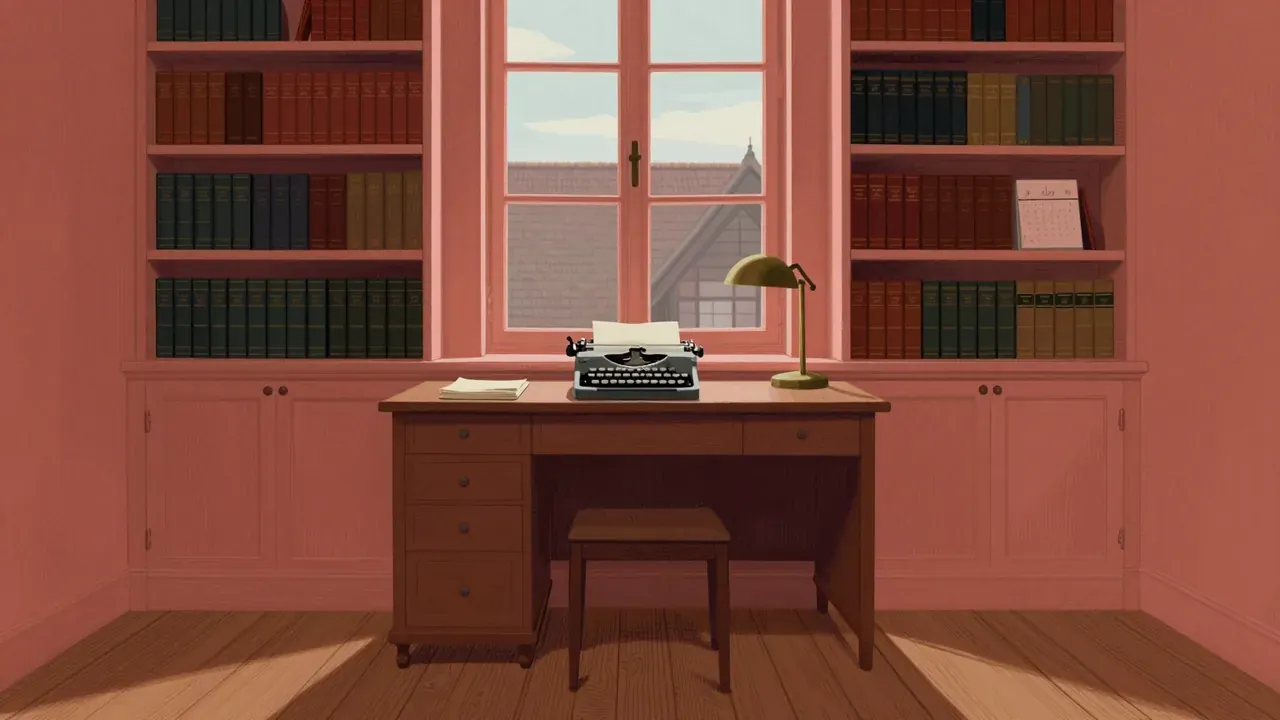
Wes Anderson’s 2021 anthology film presents the final issue of a fictional American newspaper’s Paris bureau as a series of formally exact, stylistically distinct journalistic features. Shot in 1.37:1 on 35 mm in Angoulême, it honours mid-century magazine aesthetics, French New Wave syntax, and the physical texture of print — treating journalism as craft, not just content.

13:00

The Shape of Water

Guillermo del Toro · 2017

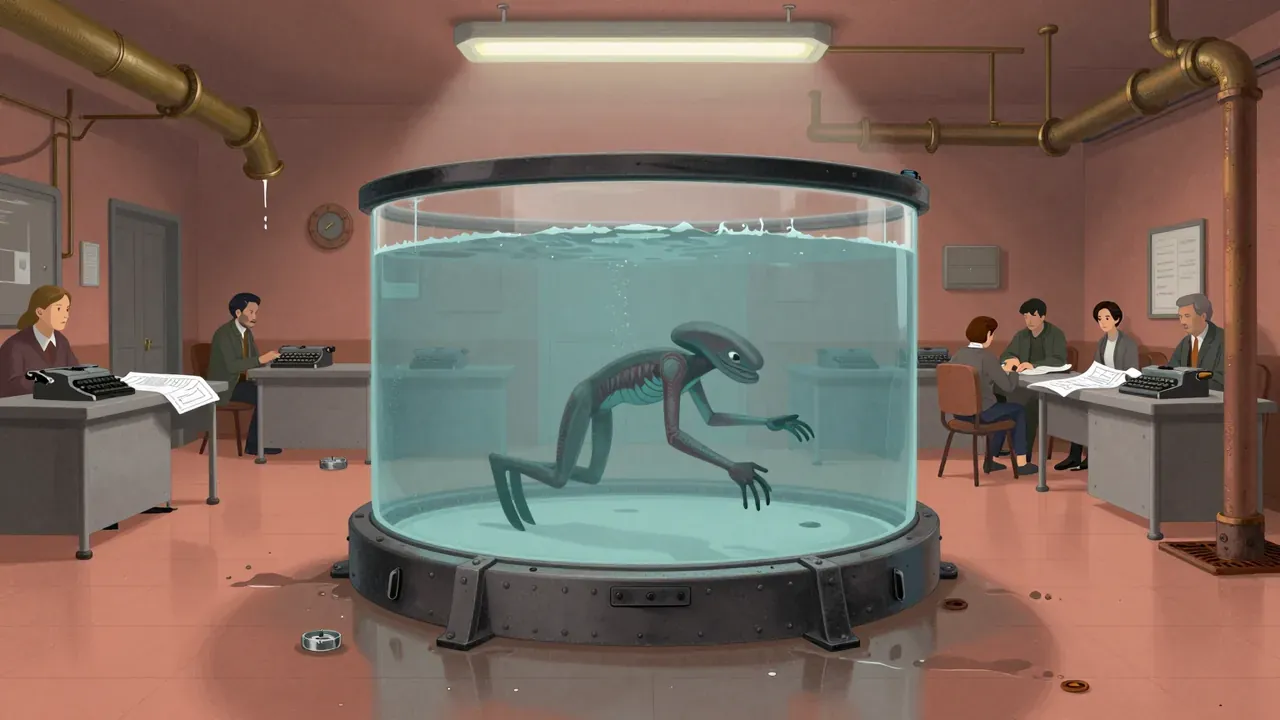
Set in 1962 Baltimore, The Shape of Water follows Elisa, a mute cleaner at a high-security lab, who forms a bond with an amphibious creature slated for dissection. Directed by Guillermo del Toro and co-written with Vanessa Taylor, the film uses period realism and lush, water-saturated visuals to frame a tender, politically charged romance. Sally Hawkins and Doug Jones lead a cast that includes Michael Shannon, Octavia Spencer and Richard Jenkins. Dan Laustsen’s cinematography and Alexandre Desplat’s Oscar-winning score deepen its immersive, tactile world. Though its pacing and symbolic density divide viewers, its emotional conviction and formal coherence make it a singular achievement in romantic fantasy.

13:00

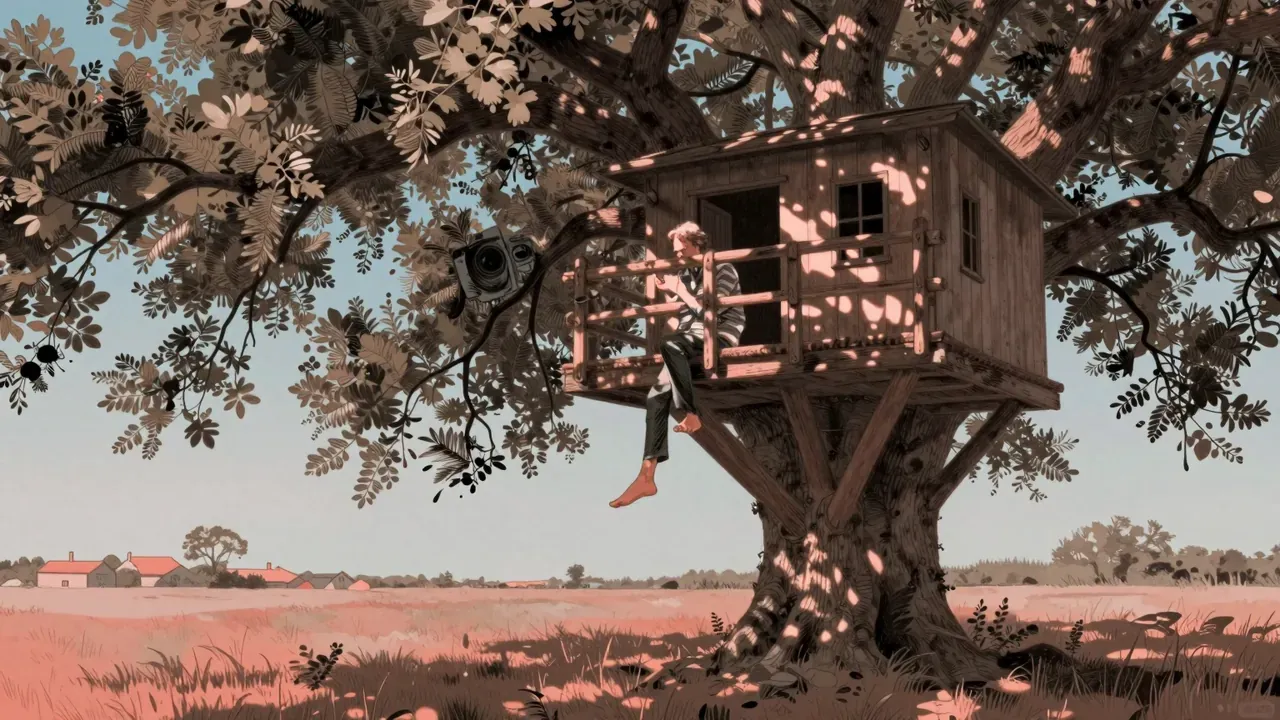
The Tree of Life

Terrence Malick · 2011

Terrence Malick’s 2011 film interweaves cosmic origins, prehistoric evolution, and a 1950s Texas childhood into a single sensory continuum. Shot by Emmanuel Lubezki and edited from hundreds of hours of footage, it replaces plot with rhythm, dialogue with light, and psychology with presence. Its ambition is ontological: to treat human experience and natural process as variations on the same physical law.

13:00

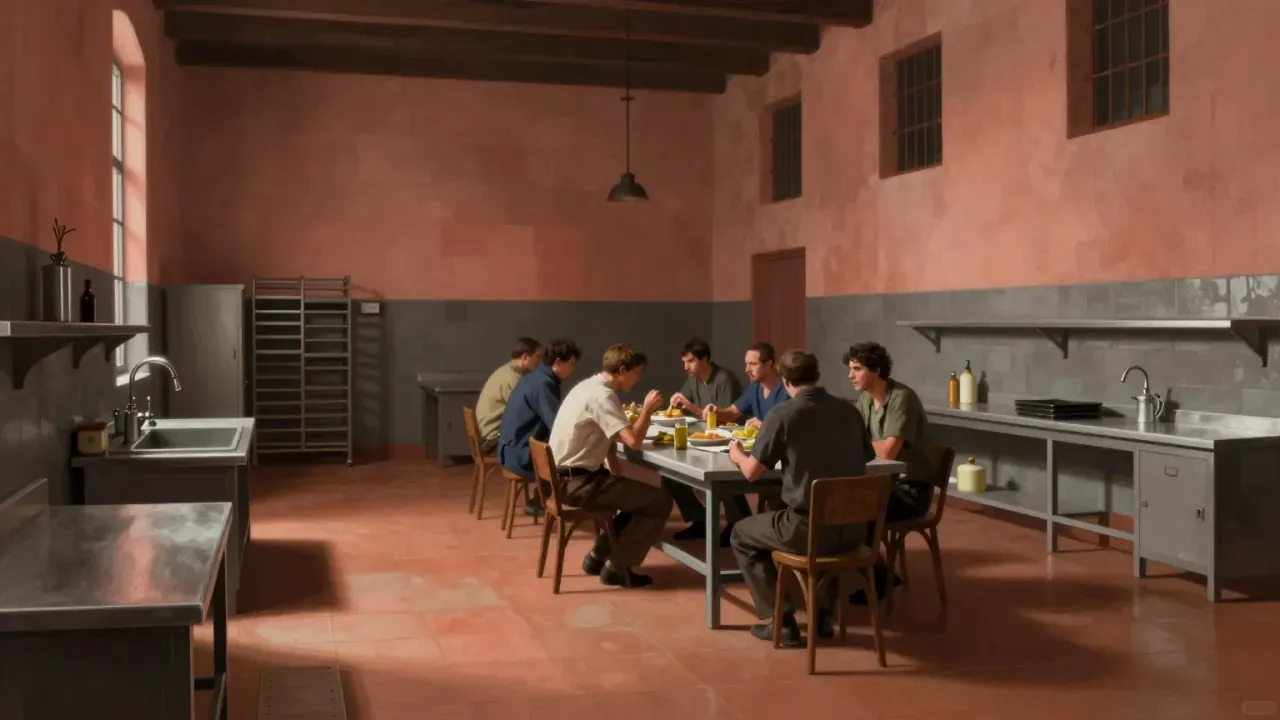
A Prophet

Jacques Audiard · 2009

Jacques Audiard’s 2009 French prison drama follows Malik El Djebena, a young Maghrebi man who rises from illiterate inmate to de facto leader of the prison’s Maghrebi faction. Shot by Stéphane Fontaine and edited by Juliette Welfling, the film charts Malik’s calculated ascent through fluency, observation, and strategic violence — not redemption or revelation. Tahar Rahim’s restrained performance anchors a world defined by procedural realism, not symbolism.

13:00

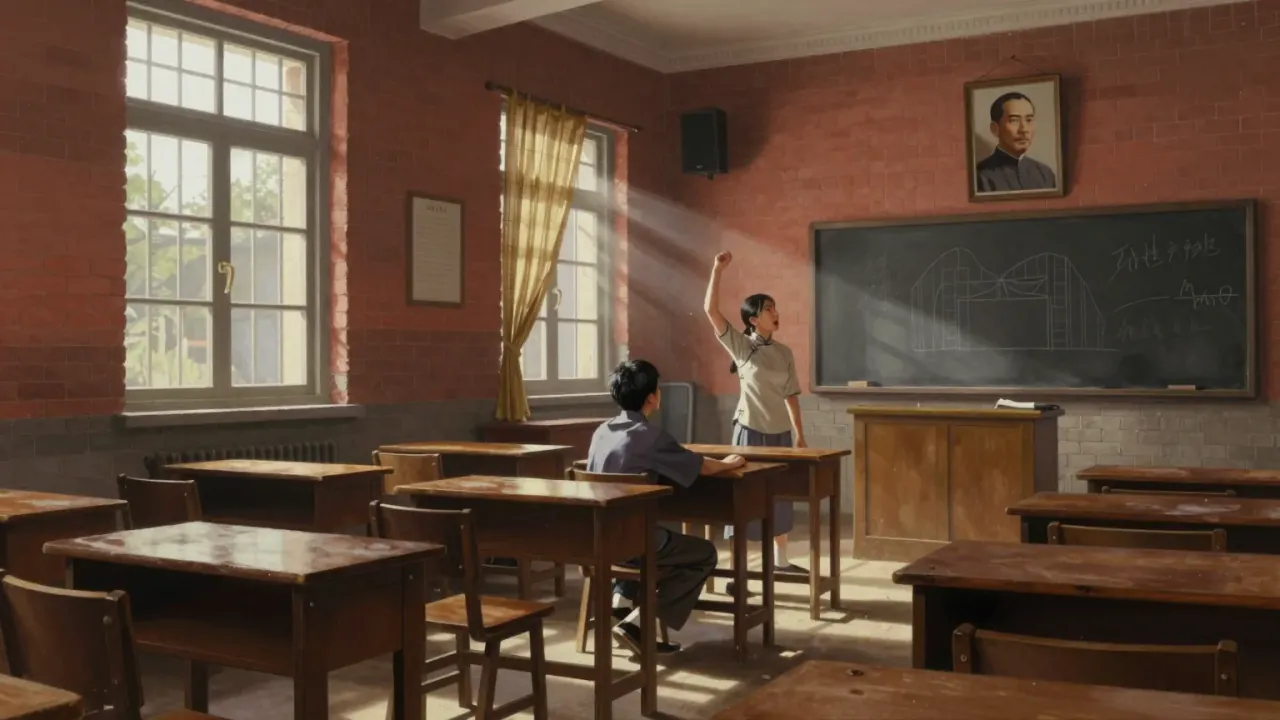
Lust, Caution

Ang Lee · 2007

Ang Lee’s 2007 adaptation of Eileen Chang’s novella follows a Chinese student who infiltrates the inner circle of a collaborator in Japanese-occupied Shanghai. Her mission blurs into intimacy, culminating in a choice that fractures loyalty, desire and selfhood. Shot by Rodrigo Prieto and scored by Alexandre Desplat, it is a slow, tactile study in moral erosion — less thriller than forensic portrait of how power reshapes the body and mind.

13:00

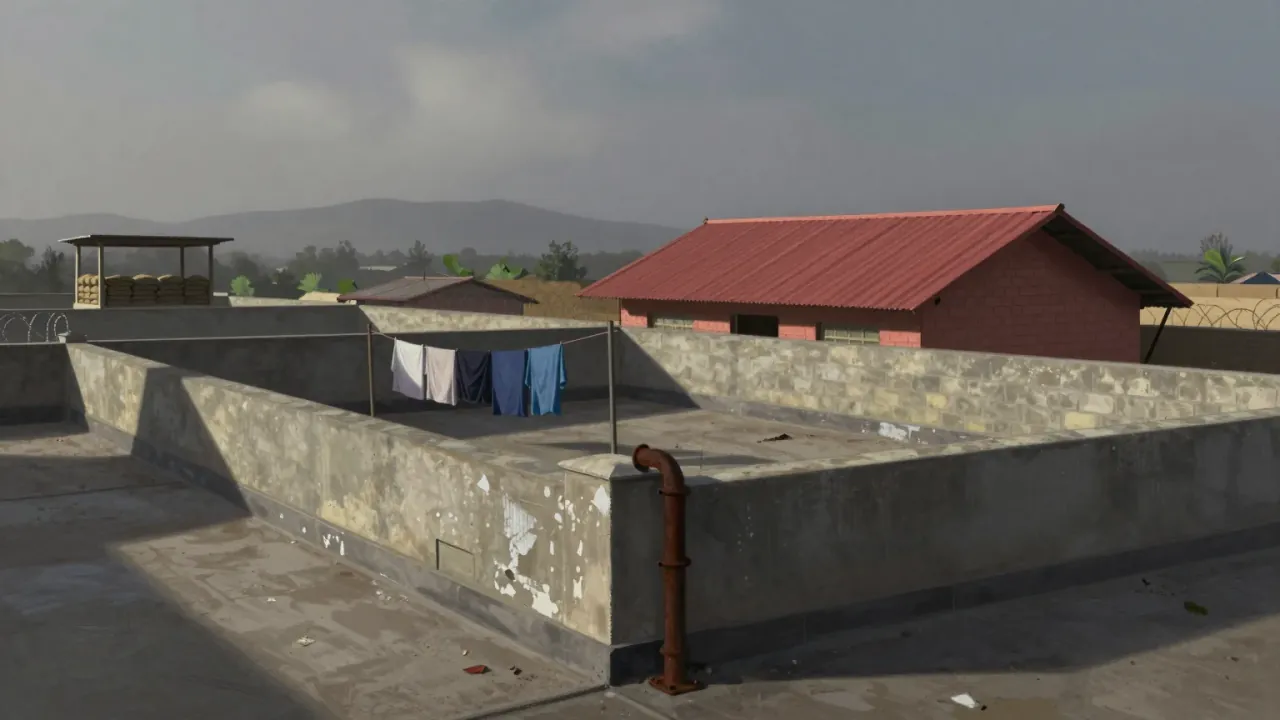
Zero Dark Thirty

Kathryn Bigelow · 2012

Zero Dark Thirty follows CIA analyst Maya across ten years of intelligence work leading to the 2011 raid on Osama bin Laden’s Abbottabad compound. Directed by Kathryn Bigelow and written by Mark Boal, it foregrounds process over personality, using chronology, repetition, and restraint to depict a hunt defined by uncertainty, attrition, and contested methods. Its strengths lie in its procedural fidelity and understated performances; its weaknesses stem from its refusal to contextualise torture or reckon with the broader consequences of the operation.

13:00

Fantastic Mr. Fox

Wes Anderson · 2009

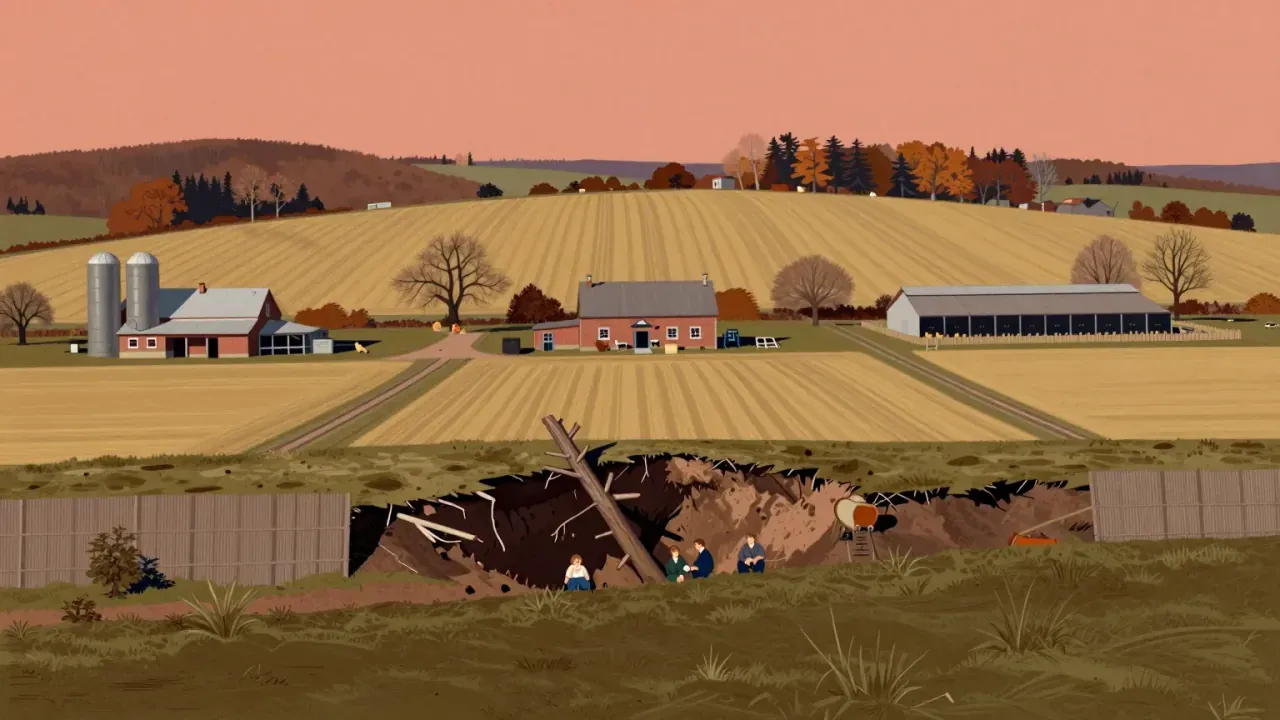
George Clooney voices a fox whose one last heist against three farmers turns into a siege on his whole underground community. Wes Anderson's 2009 stop-motion adaptation of Roald Dahl keeps the plot but reshapes the tone into something drier and more personal.

13:00

Guillermo del Toro's Pinocchio

Guillermo del Toro, Mark Gustafson · 2022

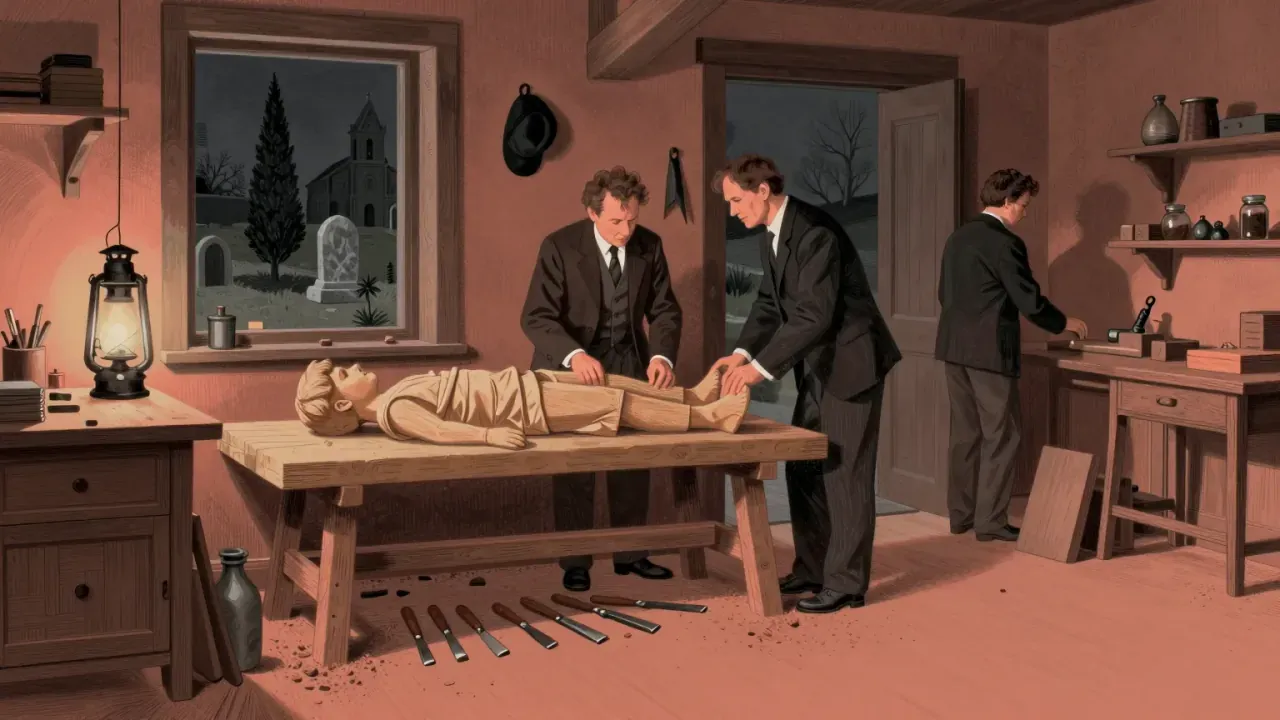
Carved by a grieving Geppetto from the tree growing over his dead son's grave, this stop-motion Pinocchio is rowdy, disobedient and impossible to control, set against the rise of Fascist Italy. Fourteen years in development before Netflix financed it, the film keeps Collodi's darkness rather than softening it into a straightforward morality tale.

13:00

Isle of Dogs

Wes Anderson · 2018

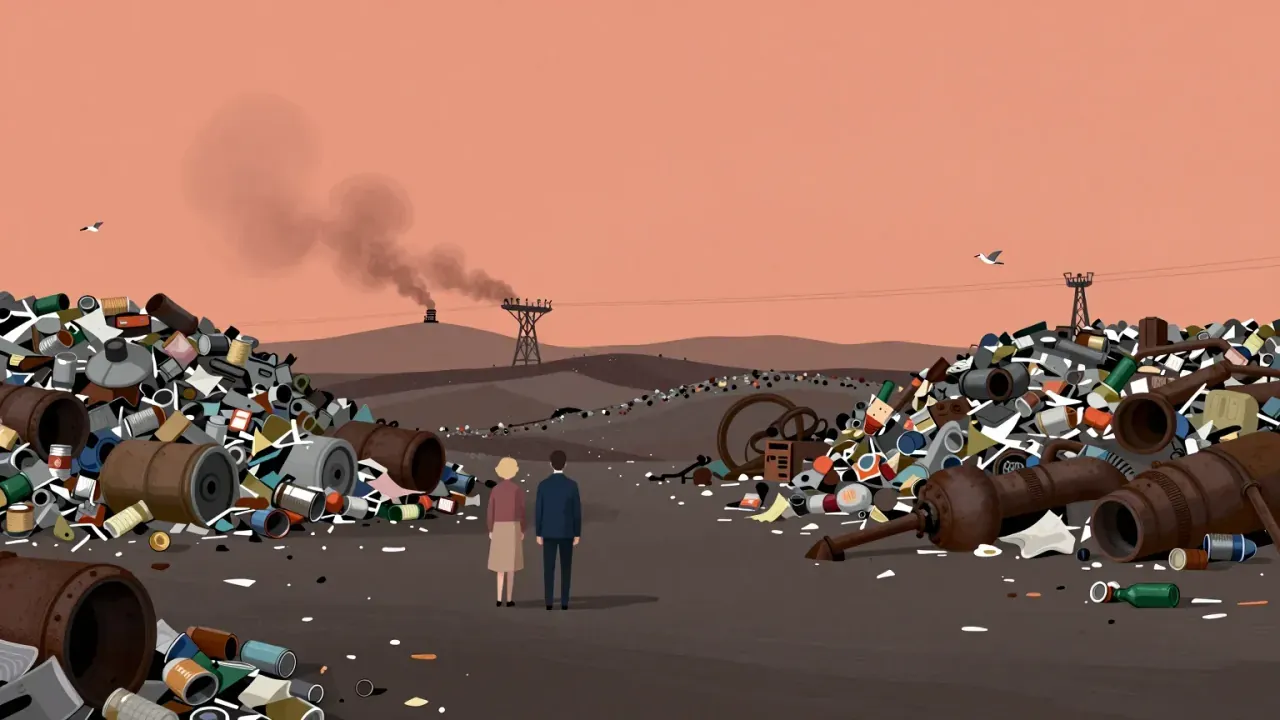
A dictatorial mayor exiles every dog in the fictional Japanese city of Megasaki to Trash Island over a manufactured flu outbreak, and his own twelve-year-old ward hijacks a plane to find his banished bodyguard dog among them. Wes Anderson's second stop-motion feature, drawing openly on Akira Kurosawa and Hayao Miyazaki, pairs meticulous handcrafted puppetry with a plot about political corruption and canine loyalty, while drawing sustained criticism for how it handles the Japanese setting and characters within it.

13:00

The Grand Budapest Hotel

Wes Anderson · 2014

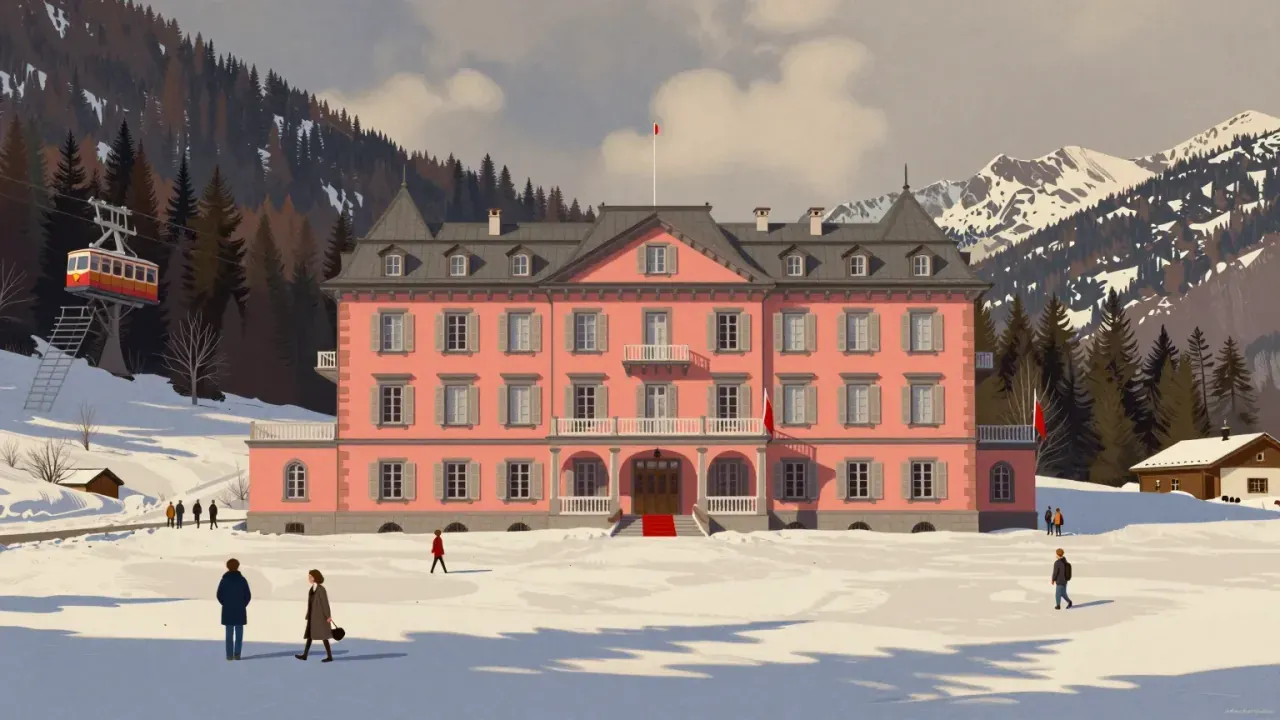
Ralph Fiennes plays a meticulous concierge framed for murder in Wes Anderson's 2014 comedy, built from Stefan Zweig's writing and won on the strength of its production design and score.